
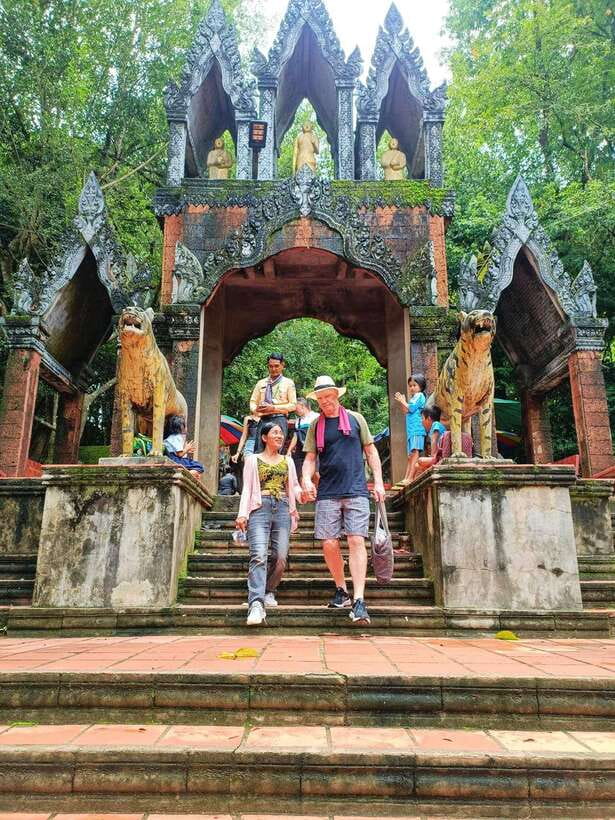
Reviewed · PHNOM KULEN TOURS
From Siem Reap: Guided Kulen Waterfall Tour
Ancient stones meet cool mountain water. This full-day trip from Siem Reap combines Phnom Kulen’s sacred sites with a waterfall swim, giving you far more than a simple nature outing. I like the mix of archaeology and everyday Cambodian life, especially the 1000 Lingas site and the palm sugar stop. I also like that park entry, hotel transport, a guide, and drinking water are included.
The main caution is the pace. The day covers many stops in about 10 hours, and the time at the waterfall may be only 30 to 40 minutes. Lunch is not included, and the chosen restaurant can feel touristy or more expensive than expected. Still, at $45 per person, this is strong value if you want to see Phnom Kulen without arranging several separate rides.
In This Review
- Key points before you book
- Why Phnom Kulen belongs on your Siem Reap plans
- Hotel pickup and the climb toward the mountain
- The quarry: where the temple stones began
- The 1000 Lingas and a river with sacred meaning
- The hilltop Buddha and more than 30 ruined temples
- Kulen Waterfall: the day’s cool payoff
- Lunch is practical, but budget for it
- Palm sugar and a glimpse of local work
- Should you add the Cambodia Landmine Museum?
- Guides, vehicles, and the human side of the day
- How much walking and effort should you expect?
- Is $45 good value?
- Who should book this Phnom Kulen day trip?
- FAQ
- How long is the Phnom Kulen tour?
- What is included in the $45 price?
- Is lunch included?
- Can I swim at Kulen Waterfall?
- How much time is spent at the waterfall?
- Is the Landmine Museum included?
- What should I wear and bring?
- Is the tour suitable for people with limited mobility?
- Should you book it?
Key points before you book
- A full day beyond Angkor: You visit Phnom Kulen’s archaeological sites, waterfall, viewpoints, village workshops, and possibly the Landmine Museum.
- The 1000 Lingas is the cultural centerpiece: Ancient carvings in the riverbed show how water and religion shaped the Khmer world.
- Swimming is part of the plan: Bring swimwear and a change of clothes, since the waterfall is one of the day’s main rewards.
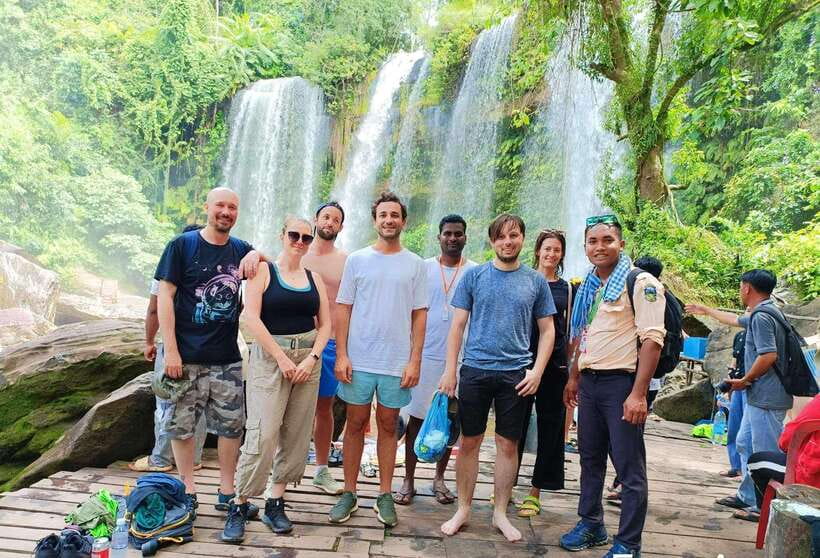
- The guides make a real difference: Guides such as Chout, Makara, Sayon, Vone, Narith, and Sary have been praised for clear explanations, care, humor, and help with photos.
- You ride in comfort: Hotel pickup, air conditioning, and cold water make the long mountain day easier.
- The optional museum adds weight to the day: The Cambodia Landmine Museum costs extra, but it gives important context about Cambodia’s recent past.
Why Phnom Kulen belongs on your Siem Reap plans
Phnom Kulen, also called Mountain of the Lychee, is more than a waterfall stop. The mountain is linked with the beginning of the Khmer Empire and remains important to both Hindu and Buddhist traditions. That gives the day a useful contrast with the better-known temple circuit around Siem Reap.
You begin with old stonework and sacred carvings, then move through forest and mountain scenery before finishing with local production and modern Cambodian history. It is a broad introduction to the region rather than a single focused attraction.
I would choose this outing if you have already seen some of the main Angkor temples and want a day that feels different. The mountain offers archaeology, religion, water, village life, and difficult recent history in one package.
More Phnom Kulen day trips:
- Kulen Waterfall Join-in Tour (local Picnic lunch)
★ 5.0 · 2,434 reviews - Kulen Mountain: Small-Group Tour and Picnic lunch
★ 4.9 · 1,802 reviews - Siem Reap: Kulen Mountain, Beng Mealea and Tonle Sap Tour
★ 5.0 · 1,483 reviews
Hotel pickup and the climb toward the mountain
The day starts with pickup at your Siem Reap hotel. You are asked to be ready in the lobby 30 minutes before departure, which is sensible because road time is part of the experience. The exact start time depends on availability, so check it carefully when booking.
Transport is one of the tour’s quiet strengths. Past groups have used an air-conditioned minibus or four-wheel-drive vehicle, both suited to the roads around the park. The air conditioning matters once the heat builds, and water is supplied throughout the day.
The ride also gives you a look at the countryside outside Siem Reap. Do not expect a quick hop from one attraction to the next. Phnom Kulen is a full-day outing partly because of the distance and the mountain roads.
A guide is especially useful here. The area visited has not been fully de-mined, and going without a guide is not recommended. That is not a minor warning to brush aside. Stay with your guide and follow the marked route and local instructions.
The quarry: where the temple stones began
The first stop is a quarry where stone was cut for temples in the surrounding area. It is not the biggest or most dramatic sight of the day, but it helps you think about how Khmer monuments were made.
When you later see carved stone at the temples and riverbed, this stop gives the material a point of origin. You are not simply looking at old blocks that appeared by magic. People extracted, shaped, moved, and fitted them across difficult terrain.
Your guide can add the human and historical context here, which is why this tour works better with a live English-speaking guide than with a driver who only drops you off. Guides such as Chout and Makara have been praised for explaining Cambodian history in a lively, easygoing way.
Keep your expectations measured. This is an introductory quarry visit, not a long archaeological presentation. Its value comes from connecting the mountain’s natural resources with the grand temples built from them.
The 1000 Lingas and a river with sacred meaning
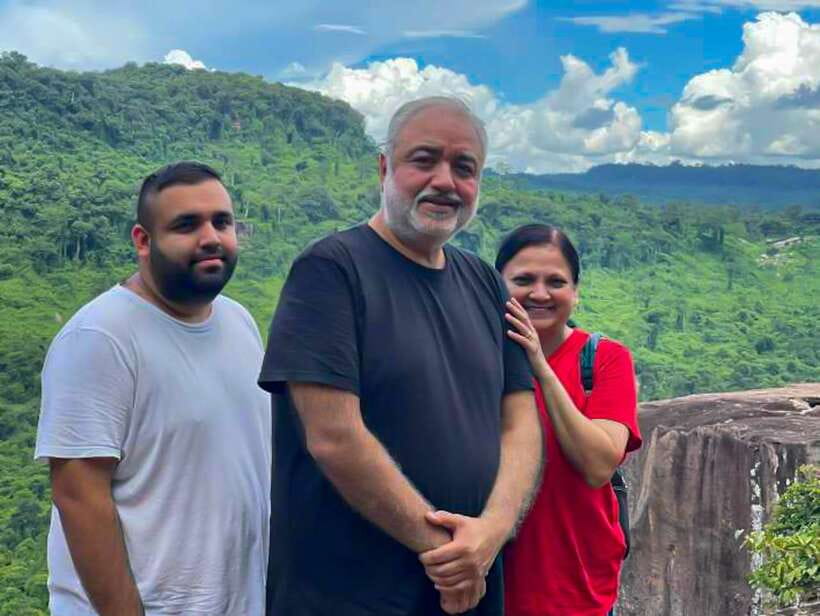
The 1000 Lingas riverside archaeological site is one of Phnom Kulen’s most distinctive stops. Here, carvings were made in and around the riverbed, including many lingas associated with Hindu worship.
The site shows how religion was woven into the movement of water. Rather than placing a shrine beside a river, Khmer builders marked the river itself. That makes the visit feel different from walking through a freestanding temple complex.
You will want sturdy shoes, since the route involves walking near a natural watercourse. Sports shoes are specifically recommended, and they make more sense than sandals if the stones are wet or uneven.
This is a place where a guide adds real value. The carvings can be easy to overlook if you do not know what you are seeing. A good explanation turns a shallow stream and a few worn markings into a clearer picture of Khmer beliefs and engineering.
Allow yourself time to look closely. The stop is not about one enormous monument. It is about details, water, and the way sacred meaning was built into the mountain.
A few more trips worth weighing up
- Angkor Wat Sunrise or Sunset Tour with Guide from Siem Reap
★ 5.0 · 12,109 reviews - Siem Reap: Angkor Wat: Small-Group Sunrise or Sunset Tour
★ 5.0 · 9,444 reviews - From Siem Reap: Kampong Phluk Floating Village Tour by Boat
★ 4.9 · 6,979 reviews - Sunset tour of Kampong Phluk stilts home village on the Tonle Sap
★ 5.0 · 4,865 reviews
The hilltop Buddha and more than 30 ruined temples
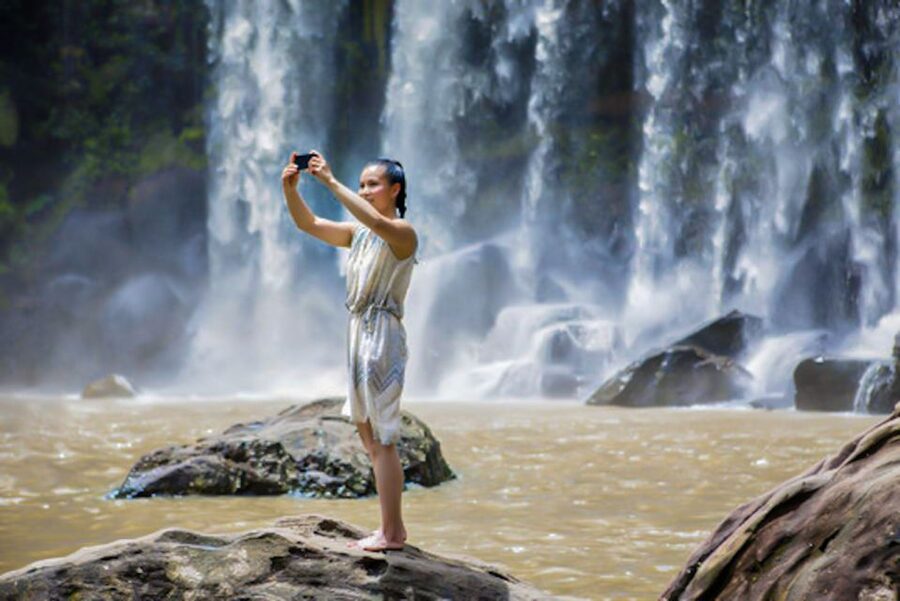
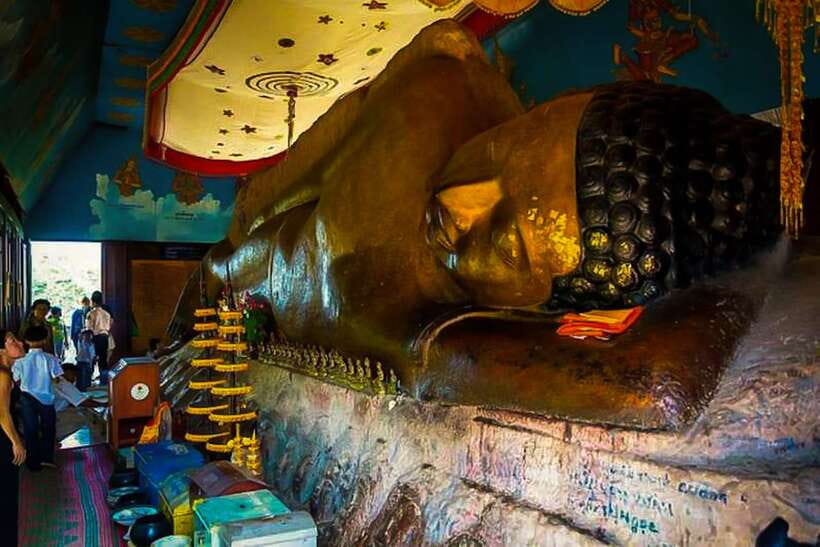
Next comes the sacred hilltop, home to more than 30 temple ruins and a large reclining Buddha. The setting gives the stop its power. You are not visiting a polished temple with every stone in place. You are seeing a religious site where forest, rock, ruins, and active belief share the same space.
The reclining Buddha is a major highlight. It is large, visually striking, and still treated as a sacred object. Dress and behave respectfully, and pay attention to how people use the site rather than treating it only as a photo stop.
The hilltop area can involve walking and uneven ground. The tour is not suitable for wheelchair users, and it is not recommended for people over 70. Those limits should be taken seriously, especially if you have trouble with slopes, rough paths, or heat.
Several people have praised guides for taking photos at viewpoints and helping groups find good angles. That can be handy here, since the guide can manage the practical side while you focus on the ruins and Buddha.
Do not expect a complete temple city like Angkor Wat. These are ruins, and some areas may feel rough around the edges. That is precisely why the mountain setting works so well. The site feels less formal and more connected to the surrounding forest.
Kulen Waterfall: the day’s cool payoff
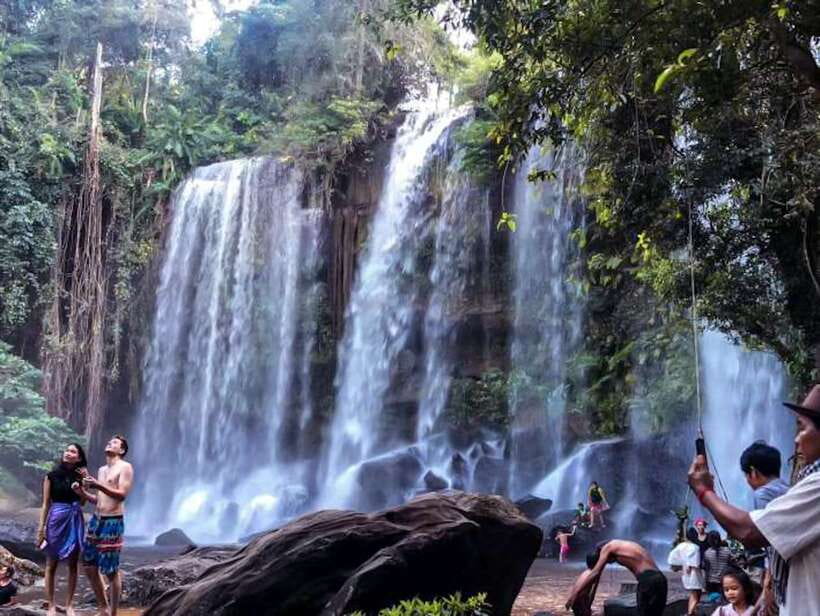
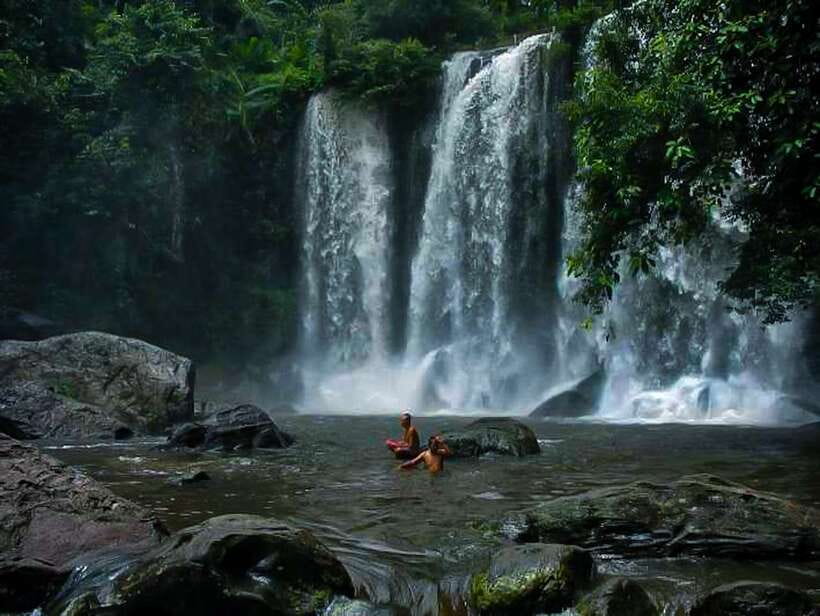
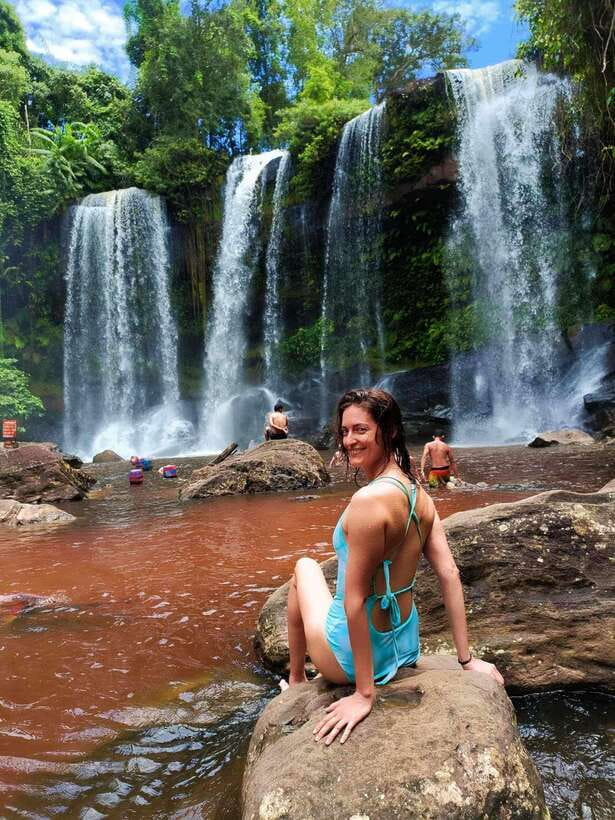
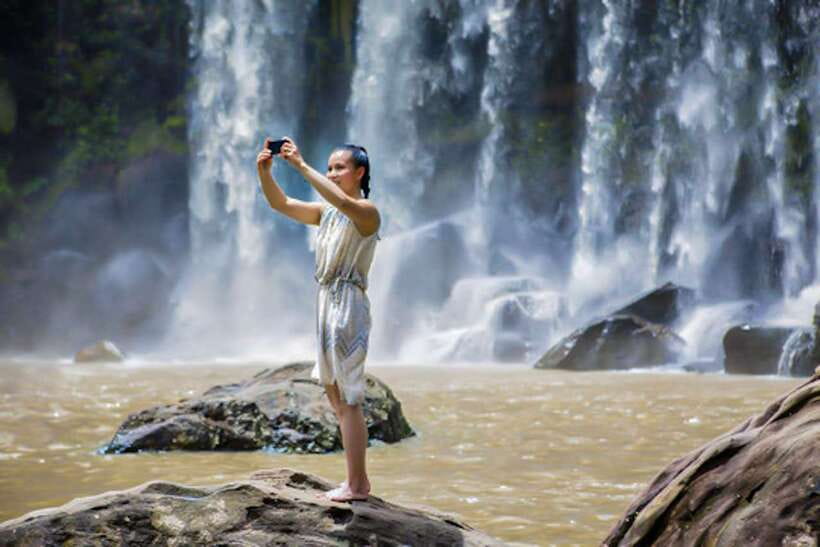
The waterfall is the physical highlight for many people. After the warm roads and uphill stops, the chance to swim in the water is welcome. Bring swimwear, a towel if you have one, and a full change of clothes.
The swimming time may be limited to roughly 30 to 40 minutes. That is enough for a proper cool-off and some time in the water, but not enough if your main goal is to spend half a day beside the falls.
This timing is the biggest point to understand before booking. One person found the waterfall visit excellent but wished for more time at each stop, while another said the short swimming period was enough. Both reactions make sense. The tour is designed to show you several parts of Phnom Kulen, not to serve as a dedicated waterfall day.
The falls can also be busy during public holidays. You may need to share the swimming area, and the experience will not feel like private time in nature. Even so, the water offers a welcome break, and the setting is one of the most memorable parts of the outing.
Wear shoes that can handle the walk to the falls. The tour calls for sports shoes, and you should not plan to make the entire day in flimsy footwear.
Lunch is practical, but budget for it
Food is not included in the $45 price. The group is taken to a restaurant during the day, and past menus have included Khmer dishes and vegetarian or vegan choices. Amok was a popular recommendation, and sweet and sour chicken also received a favorable mention.
The restaurant choice is the least consistent part of the day. Some people found the food good and the menu broad, while others felt the stop was pricey and aimed at tour groups. One useful improvement would be to ask the guide early where lunch will be and what the expected price range is.
You do not appear to need to bring a full packed meal, but you should bring money for lunch and any other drinks or snacks. Water is included, while food and drinks beyond water are not.
If you travel as a small private group, ask whether you can discuss the lunch stop. That may give you more control, though the available options depend on the route and the guide’s schedule.
Palm sugar and a glimpse of local work
On the way back to Siem Reap, the tour makes a short stop at a palm sugar village. This is a small visit, often around 10 minutes, rather than a long workshop.
Its value is in seeing a local product being made and learning how palm sugar fits into everyday Cambodian life. It gives the day a human scale after the temple ruins and mountain scenery.
You may also find handicrafts and palm sugar products for sale. You do not need to buy anything, but this is a reasonable place to pick up a small edible souvenir if you want one.
Keep your expectations realistic. This is a quick cultural stop, not a full agricultural tour. It works best as a brief look at local production on the return journey.
Should you add the Cambodia Landmine Museum?
The Landmine Museum is optional, and entry is not included. The additional admission has been listed as $6.
This stop changes the tone of the day. Phnom Kulen connects you with ancient Cambodia, while the museum explains part of the country’s far more recent struggle with landmines. The visit has been described as important, interesting, and moving, especially because it tells the story of Aki Ra, the person associated with founding and operating the museum.
I recommend adding it if you have the emotional room for a serious subject. It is not a light final attraction, and it may not suit young children or anyone who wants to end the day with only pleasant scenery. Families with children aged 7 to 13 have enjoyed the overall tour, but the museum’s subject matter deserves a little preparation.
The museum is not compulsory. If your group prefers more time elsewhere, you can skip it. Still, it provides context that an ancient temple visit cannot.
Guides, vehicles, and the human side of the day
The strongest part of this experience is the guide service. Across different departures, guides named Chout, Makara, Sayon, Vone, Sary, Narith, Sari, Sam Vone, Dara, Sovann, and others have been praised for warmth, clear English, patience, humor, and care.
Do not assume you will receive a particular guide, since assignments can change. The consistent pattern is more important: the guides tend to explain the sites, answer questions, help with photos, watch out for the group, and adjust the pace when possible.
Makara was repeatedly praised for his friendly manner, historical explanations, and willingness to take photos. Chout was noted for making the day enjoyable and flexible. Vone was described as funny, experienced, and trustworthy. Sayon was especially appreciated for looking after people and helping at the waterfall.
The transport also receives strong marks. The 94 percent perfect transport score reflects the practical basics you need on a long day: pickup on time, air conditioning, suitable vehicles, and dependable drop-off. One group even recovered an item accidentally left in the vehicle, thanks to a quick response from the local office.
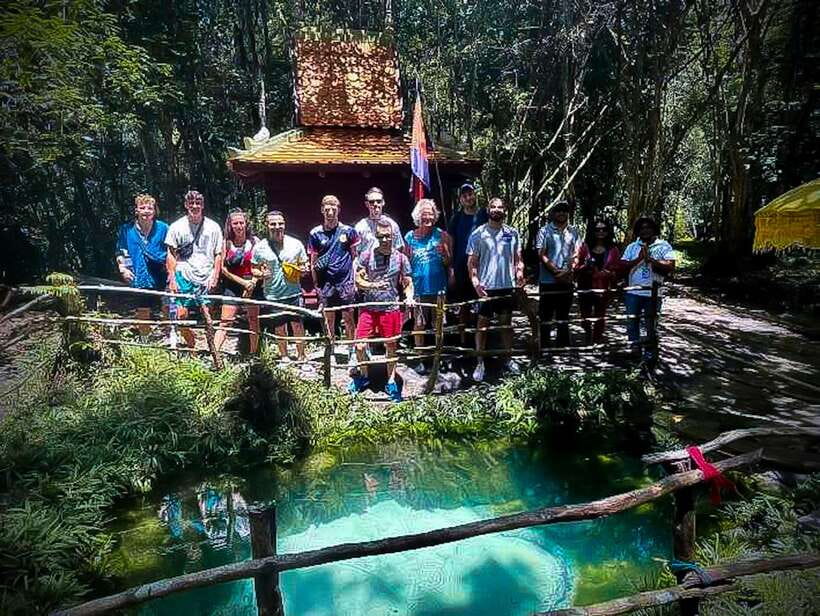
A private group is available if you want more control over timing and conversation. A shared group is likely the better value, but you may have less say over lunch and how long the group stays at each stop.
How much walking and effort should you expect?
This is not a strenuous mountain trek, but it is not a fully passive sightseeing ride either. You walk around the archaeological sites, visit the hilltop, make your way toward the waterfall, and deal with uneven outdoor surfaces.
Several people found the day comfortable because the vehicle handles much of the movement between stops. The heat is likely to be the bigger issue than the total walking distance, so drink the supplied water and bring clothing that works for warm weather.
Sports shoes, swimwear, and a change of clothes are the essential packing list. A lightweight bag is useful for keeping wet clothing separate, but the provided information does not specify storage arrangements, so keep valuables simple.
The tour is not suitable for wheelchair users or people over 70. If you have limited mobility but are below that age, ask before booking, since the route includes natural and uneven areas.
Is $45 good value?
At $45 per person, the tour offers a lot for a full day. The price includes Phnom Kulen National Park entry, hotel pickup and drop-off from Siem Reap, an English-speaking guide, and water.
You also get transport to several widely separated stops. Hiring separate transport, arranging a park guide, and paying entry fees individually could be less convenient and might cost more, especially for one or two people.
The price does not include lunch, extra drinks, or the $6 Landmine Museum entry. Those costs are easy to plan for, but they mean the real spending total will be higher than the headline price.
The best value comes when you want variety. If you only want to swim at the waterfall, a private driver may suit you better because this tour spends time at quarries, ruins, a river site, a village, and possibly a museum. If you want a guided introduction to the mountain, the package is well priced.
Who should book this Phnom Kulen day trip?
I would recommend it to first-time visitors who want to understand Phnom Kulen rather than simply take a dip. It suits couples, small groups, families with older children, and anyone who appreciates a guide who can explain history and local customs.
It is also a good match if you value convenience. Hotel pickup, an air-conditioned vehicle, park entry, and a live English guide remove much of the planning work.
You may want another option if you want a slow day, a long waterfall stay, or complete control over lunch and departure times. The schedule covers a lot, and one person found the stops a little rushed. A private group can help with flexibility, but the route itself still includes many planned visits.
FAQ
How long is the Phnom Kulen tour?
The tour lasts 10 hours, including pickup and drop-off from your Siem Reap hotel.
What is included in the $45 price?
The price includes a guided tour of Phnom Kulen National Park, park entry fees, hotel pickup and drop-off from Siem Reap, and water.
Is lunch included?
No. Food and drinks other than water are not included. You should budget separately for lunch and any additional drinks.
Can I swim at Kulen Waterfall?
Yes. Swimming at the waterfall is part of the tour. Bring swimwear and a change of clothes.
How much time is spent at the waterfall?
The waterfall stop may last about 30 to 40 minutes. The tour also includes several archaeological and cultural stops, so it is not designed as a full-day waterfall visit.
Is the Landmine Museum included?
No. The museum is an optional stop, and entry is not included. Admission has been listed as $6.
What should I wear and bring?
Bring swimwear, a change of clothes, and sports shoes. Water is provided during the tour.
Is the tour suitable for people with limited mobility?
The tour is not suitable for wheelchair users or people over 70. The route includes outdoor areas and uneven walking surfaces, and the park area has not been fully de-mined, so visiting with a guide is recommended.
Should you book it?
Book this tour if you want a varied, guided day in Phnom Kulen rather than a simple waterfall transfer. The 1000 Lingas, reclining Buddha, temple ruins, quarry, palm sugar stop, and optional Landmine Museum give the day real range, while air conditioning and hotel transport keep it manageable.
Go in knowing that lunch costs extra, the museum costs extra, and waterfall time is limited. If those points suit you, $45 is a fair price for the amount of transport, guiding, access, and local context included. The guides are the reason this trip works so well, turning a long list of stops into a clearer picture of Cambodia’s sacred mountain and its people.
Just added around Siem Reap
- Private Battambang Full-Day Guided Tour★ 4.5 · 3 reviews
- Kulen Mountain, Beng Mealea and Banteay Srei Full Day Tour★ 5.0 · 3 reviews
- Kompong Pluk Tour★ 5.0 · 3 reviews
- Private 3 Day Tour to Discover the ancient temples★ 5.0 · 3 reviews
- Cambodia: Absolute Traditional Dance Show with Buffet Dinner★ 5.0 · 3 reviews
- Kulen National Park Ticket -Waterfall & 1000 Lingas★ 5.0 · 3 reviews
- Border Transfer (Siem Reap to Laos/Laos to Siem Reap)★ 3.5 · 3 reviews
- Best Taxi Siem Reap to Battambang – English Speaking Driver★ 4.5 · 3 reviews
Phnom Kulen Tours, compared.
Kulen Waterfall Join-in Tour (local Picnic lunch)
Read our review →
Kulen Mountain: Small-Group Tour and Picnic lunch
Read our review →
Kulen Mountain, Beng Mealea and Tonle Sap Tour
Read our review →
Phnom Kulen Waterfall & the Sacred 1000 Lingas (with Lunch)
Read our review →
Kulen Mountain with Beng Mealea and Tonle Sap Small Group Tour
Read our review →
Guided Small-Group Tour in Kulen Mountain Park Waterfall
Read our review →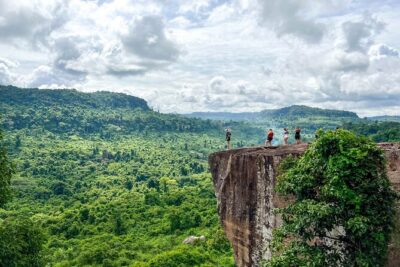
Kulen Mountain Waterfall Tour with Picnic Lunch from Siem Reap
Read our review →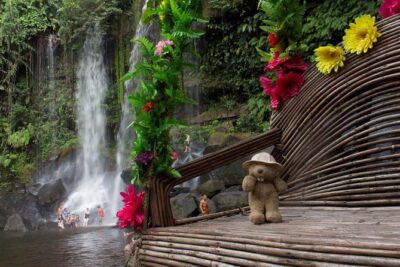
Kulen Waterfall & 1000 Linga River Small-Group Tours
Read our review →Browse the lists this tour appears in