
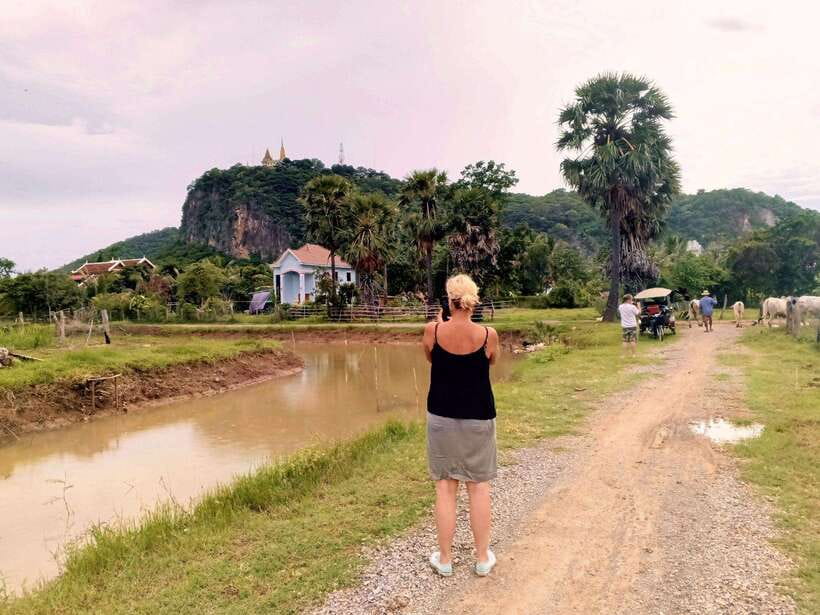
Reviewed · BAMBOO TRAIN TOURS
Full-day: Handicraft, Bamboo train, Killing cave, Bat Cave
Cambodia’s countryside tells the real story. This full-day Battambang trip mixes food-making, village life, temples, Khmer Rouge memorials, the original bamboo train, and Phnom Sampov’s famous bat flight. For $15 per person, it covers a remarkable amount of ground with a private guide, tuk-tuk transport, hotel pickup, water, snacks, and key entrance fees.
I especially like the hands-on food stops, where you see rice paper, rice wine, dried bananas, spring rolls, and bamboo sticky rice being made rather than simply hearing a guide list local products. I also like the personal feel: guides such as Kim and David are praised for stopping when something interesting appears and adjusting the day to suit the group.
The main drawback is the pace. Ten hours in a tuk tuk, with temples, markets, village roads, walking, and Phnom Sampov’s steep sections, can feel long. The bamboo train also costs an extra $5 per person, and lunch is not included, so the final cost is higher than the headline price.
In This Review
- Key points before you book
- Why this $15 Battambang tour offers strong value
- Rice paper, sticky rice, and the first taste of local life
- Wat Samrong Knong and the Well of Shadows
- Colonial Battambang and Ta Dambong Kro Aung
- Suspension bridges, farms, and villages along the Sangke River
- The original bamboo train near Battambang
- Ek Phnom Temple, the northern landmark
- Phnom Sampov: monkeys, temples, and difficult history
- The Bat Cave at sunset
- Guides, comfort, and the day’s practical rhythm
- Who should book this Battambang day?
- Should you book it?
- FAQ
- Where does the tour start?
- How long does the tour last?
- What language does the guide speak?
- Is transportation included?
- Is the bamboo train included in the price?
- Are meals included?
- Are the cave entrance fees included?
Key points before you book
- Local food production comes first: See rice paper, rice wine, dried bananas, bamboo sticky rice, rice noodles, spring rolls, and a Khmer prahok market.
- The private format helps: Your English-speaking guide can answer questions, make spontaneous stops, and respond to requests during the day.
- The bamboo train costs extra: The ride is not included in the $15 price and is listed at $5 per person.
- Phnom Sampov closes the day: Expect the Monkey Forest, Killing Cave, Golden Temple, mountain views, and the Bat Cave.
- A serious history lesson is included: Wat Samrong Knong’s Well of Shadows helps explain the Khmer Rouge period.
- Plan for active sightseeing: Bring sunscreen, cash, a camera, and hiking shoes. The tour is not suitable for people with mobility impairments or high blood pressure.
Why this $15 Battambang tour offers strong value
At $15 per person, this is a very inexpensive private day out. You receive hotel pickup and drop-off in Krong Battambang, tuk-tuk transport, an English-speaking guide, unlimited mineral water, cold towels, local snacks, and entrance fees for the Bat Cave and Killing Cave.
That price does not cover lunch, personal expenses, or the bamboo train fee. Still, the value is good because the day combines several separate Battambang outings into one route. You see food production, religious sites, rural Cambodia, memorials, a train ride, and a wildlife spectacle without arranging several drivers or guides.
I would budget extra cash for lunch, the bamboo train, drinks or small purchases, and any donations or personal spending. The exact lunch stop can be recommended during the day, and guides Kim and David have been praised for giving useful food suggestions.
The private format matters more than it might at first seem. You are not locked into a large group’s timetable. If you want to ask about rice wine, stop at a farm, spend longer at a temple, or pause for a photo, the guide can usually shape the day around your interests. The provider also allows cancellation up to 24 hours before departure and offers reserve-now, pay-later booking.
More Bamboo Train Tours in Battambang
- Battambang: Tuk-Tuk, Bamboo Train, Killing/Bat Caves, Sunset
★ 4.9 · 1,436 reviews - Afternoon tour by tuk tuk to bamboo train,bat cave,killing cave,countryside.
★ 5.0 · 344 reviews - Battambang: Bamboo Train, Bat Cave, Killing Cave by Tuk Tuk
★ 5.0 · 182 reviews
Rice paper, sticky rice, and the first taste of local life
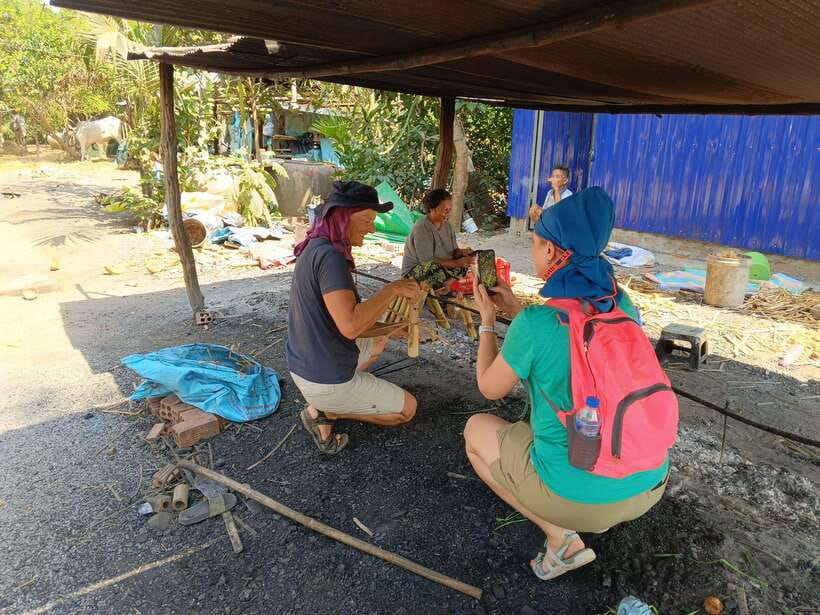
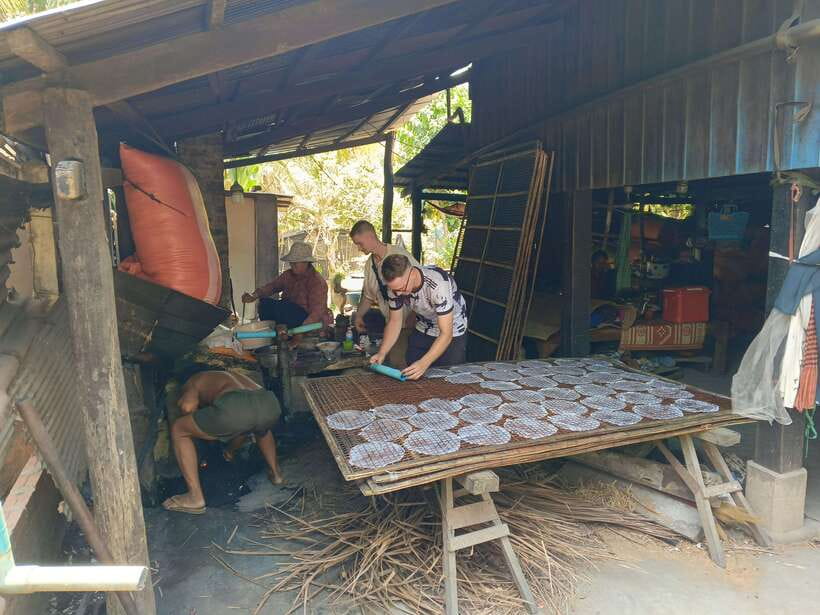
The morning begins with a series of food and craft stops. You may see rice paper being made, learn how spring rolls are prepared, watch rice wine production, taste dried bananas, and examine bamboo sticky rice.
These stops are valuable because they connect ordinary Cambodian food with the work behind it. Rice paper is not just something on a restaurant plate. You see the process, ask questions, and get a better sense of how rice is used in daily life. Bamboo sticky rice adds another useful detail, showing how a simple local food can be prepared and carried.
The rice wine stop offers a different kind of insight. You can learn about production and taste local food, but remember that alcohol is not allowed as a general tour item, so the stop should be treated as a cultural visit and tasting opportunity rather than a drinking session.
The route also includes a Khmer prahok market. Prahok, fermented fish paste, is an important Cambodian food, but its strong smell may catch you off guard. This is one of the more direct market experiences of the day, and it is better approached with curiosity than with expectations of a polished tourist attraction.
The supplied schedule assigns substantial time to these visits, including roughly 80 minutes at the prahok market and about an hour at the rice wine production place. That tells you something about the character of the tour: food culture is not filler between major sights. It is one of the main reasons to choose this outing.
Wat Samrong Knong and the Well of Shadows
Wat Samrong Knong provides one of the day’s most serious stops. At the Well of Shadows, you learn about the Khmer Rouge period and the suffering connected with this site.
This part can be emotionally difficult. It is not a quick photo stop, and I would give it your full attention. The memorial offers important context for Cambodia, especially if you are seeing temples and rural communities without yet understanding how recent violence affected families across the country.
The site is paired with a Buddhist temple, giving you a chance to learn about Cambodian religion as well as modern history. That contrast is useful. You move from remembrance and loss to a living religious setting where people still practice their faith.
The visit is listed as lasting about an hour and a half, including the bike-tour portion of the schedule. Since the included transportation is described as tuk tuk, confirm the exact cycling arrangements with the provider before booking if you are expecting to ride a bicycle for a large part of the day.
Colonial Battambang and Ta Dambong Kro Aung
Back in Battambang, the route turns to the city’s colonial buildings and provincial hall. These structures give you a different view of the province, away from temples and farms.
You also visit the Ta Dambong Kro Aung statue, linked to the local figure from whom Battambang takes its name. The statue is a useful orientation point in the city, and a guide can help connect the monument with local stories and the province’s identity.
This city section is not designed as a long architectural walking tour. Instead, it fits into a wider day that keeps moving between urban sights and the countryside. I like that balance. You get a sense of Battambang as a city, then quickly see the villages and farms that surround it.
If colonial architecture is your main interest, you may want more time in central Battambang on another day. Here, the buildings are part of a broader introduction rather than the central focus.
More bamboo train rides:
- Full Day tour .City tour.Countryside.Bamboo Train.Secret Bat Cave
★ 5.0 · 178 reviews - Afternoon Tour: Bamboo Train, Killing Cave &Bat Cave
★ 5.0 · 73 reviews - Battambang: Bamboo Train, Bat Cave and Killing Cave Tour
★ 4.9 · 58 reviews - AfternoonTour.Bamboo train.killing cave with Secret bat cave
★ 5.0 · 41 reviews
Suspension bridges, farms, and villages along the Sangke River
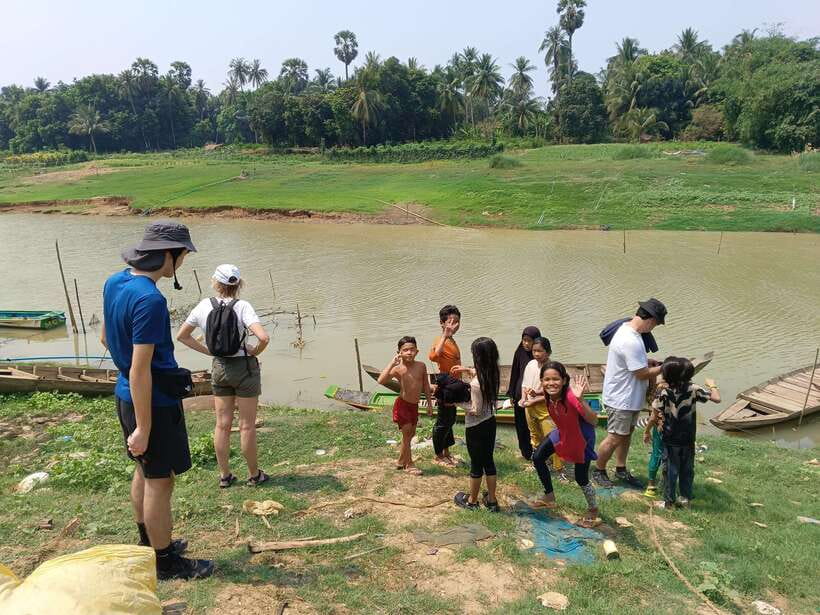
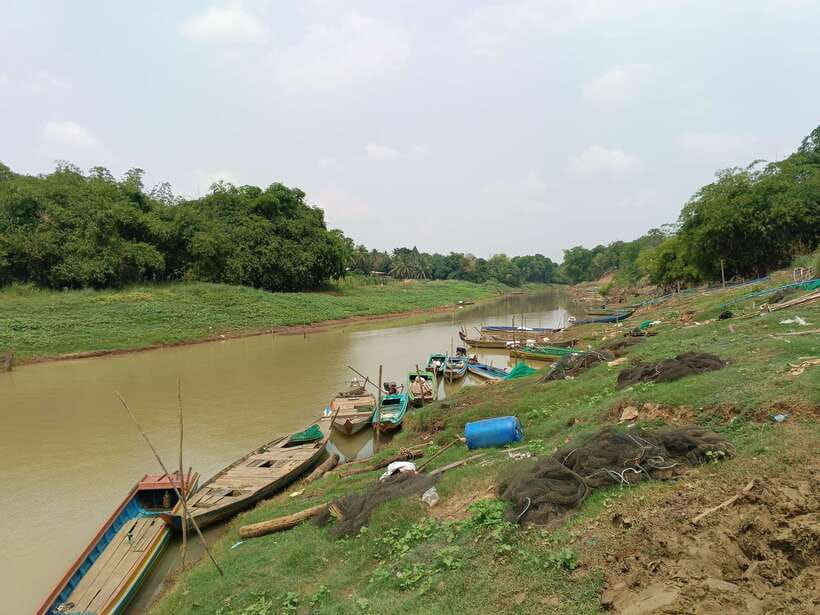
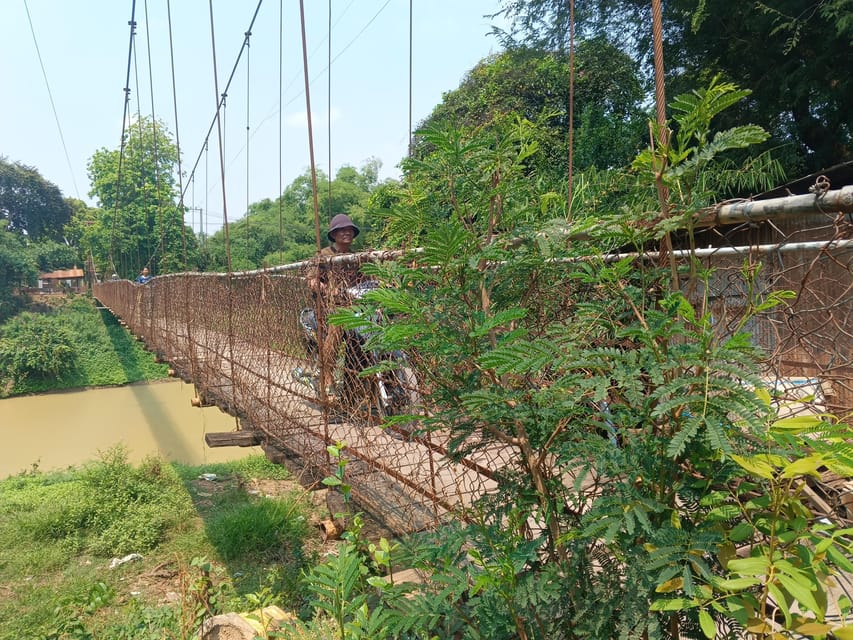
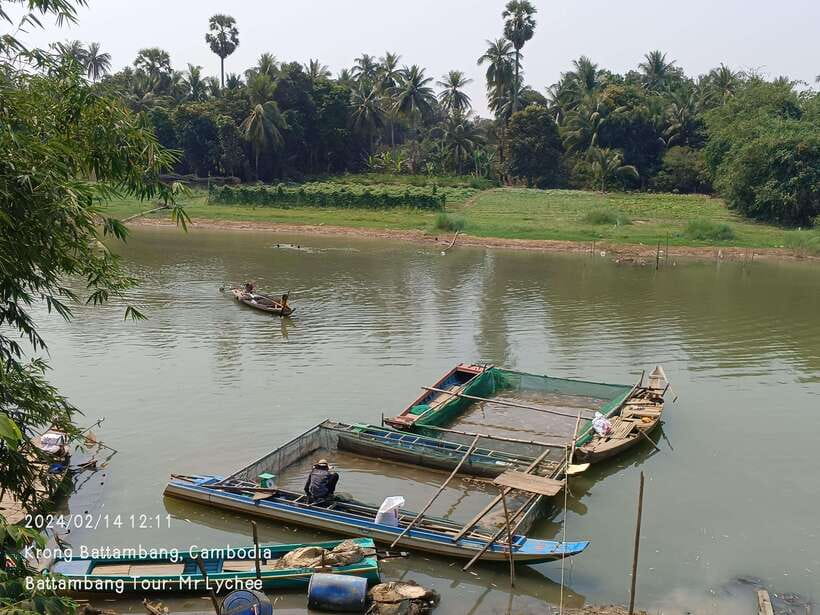
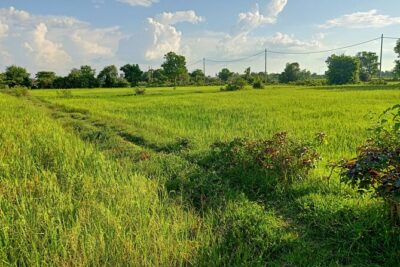
The countryside portion takes you toward villages and suspension bridges along the Sangke River. You can speak with farmers, visit a plantation farm, and see how daily life differs from the city.
This is where the tour feels most personal. Instead of moving only between famous sights, you have opportunities to watch working communities and ask direct questions. Guides David and his brother were praised for bringing people into more rural areas and explaining village life clearly.
The suspension bridges add a small sense of adventure. They are also practical links for local communities, so they are more than a scenic background. Take care with your footing, especially if you are carrying a camera or walking in sandals.
A Buddhist pagoda is included in this part of the route. Your guide can explain basic points about Buddhism and local religious practice. You do not need specialist knowledge to appreciate the visit, but respectful clothing and behavior are important at every temple.
The route also includes a Cham village. This adds another layer to the day, showing that Cambodia’s communities are not all identical in culture or religious background. Keep your questions polite and ask before photographing people, homes, or work areas.
The original bamboo train near Battambang
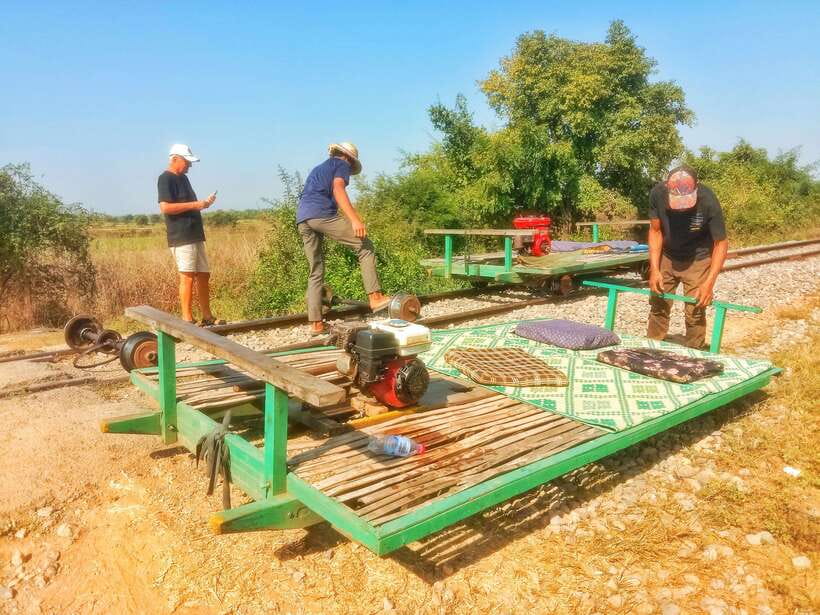
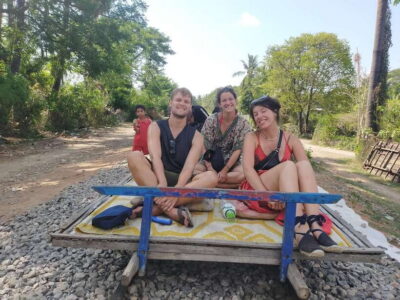
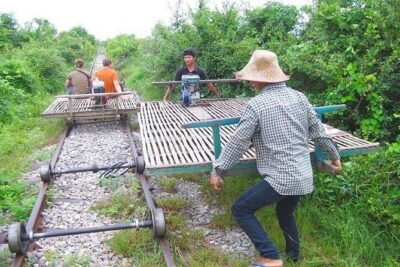
The bamboo train is one of the day’s most playful stops. You ride on a simple bamboo platform fitted to a rail carriage and pass through the countryside. The ride is known for its basic design, unusual charm, and the need to make room when another platform approaches.
The listing identifies this as the original bamboo train and charges an additional $5 per person. That fee is separate from the tour price, so bring cash. Because meals and personal expenses are also excluded, it is wise to carry more than the bare minimum.
You should view the train as a short, memorable local ride rather than a luxury railway journey. The appeal is the simplicity. You sit close to the tracks and countryside, with little between you and the scenery.
The bamboo train is not ideal for everyone. The ride may be uncomfortable if you have mobility problems, and the day already involves walking, tuk-tuk travel, and later mountain visits. If you want a relaxed, low-effort outing, this tour may ask too much.
Ek Phnom Temple, the northern landmark
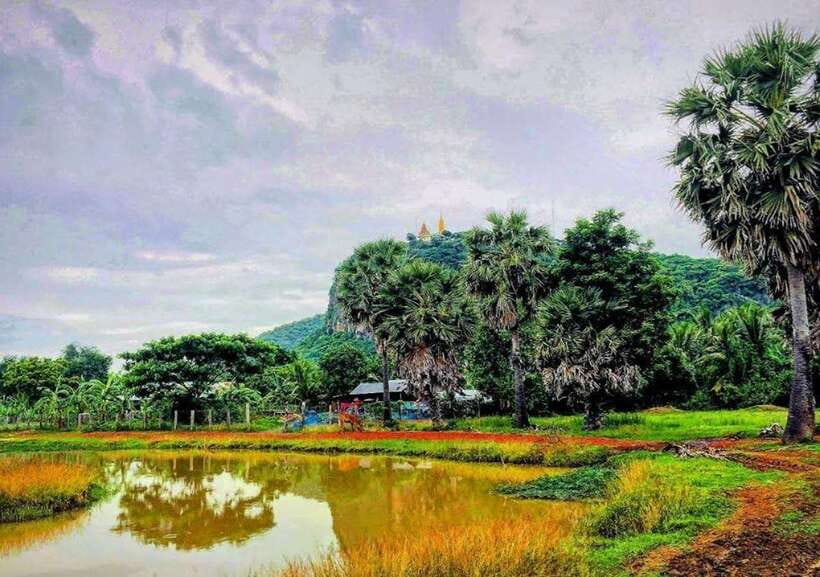
Wat Ek Phnom is the last major northern landmark before the route returns toward Battambang. The temple gives the morning a strong architectural finish after the food, market, and memorial stops.
You can expect a historic temple setting and time to look around with your guide. The schedule gives this stop about an hour and a half, including the listed bike-tour portion. That should allow time for photographs and explanation, though the full day means you will not have unlimited time at every stone or structure.
After Ek Phnom, the route returns to Battambang for lunch. Lunch is not included, but the guide can recommend a place. This is a useful moment to rest before the afternoon trip to Phnom Sampov, so I would not rush the meal.
Phnom Sampov: monkeys, temples, and difficult history
In the afternoon, the tuk tuk heads to Phnom Sampov, a mountain area filled with shrines, temples, caves, and broad views over the surrounding countryside.
The route includes the Monkey Forest and the Golden Temple. These stops provide a lighter side of the mountain visit, with religious buildings and scenery. The setting is visually impressive, but the day is not only about photographs.
The Killing Cave is a major memorial site connected with the Khmer Rouge period. Like the Well of Shadows, it requires a respectful approach. The combination of a beautiful mountain setting and a painful past can feel unsettling, but that contrast is part of understanding Cambodia more honestly.
The ride up to the Killing Cave is not included, although walking is free. This is another reason to bring proper shoes and cash. The tour is not suitable for people with mobility impairments, and the mountain sections may also be tiring for anyone who struggles with uneven or steep walking.
People with high blood pressure should also take the health warning seriously. The tour provider excludes people over 95 years old, and the full day, heat, walking, and mountain access can be demanding.
The Bat Cave at sunset
The day ends at the Bat Cave, where thousands of bats fly from the mountainside at dusk. Timing matters here. The goal is to reach the site before sunset and watch the flight begin.
This is one of the strongest final stops because it is a natural event rather than a formal monument. You do not need a long explanation to understand its appeal: wait, watch the cave mouth, and see the bats stream into the evening sky.
Bring your camera, but do not let photography take over. The light changes quickly, and a wide view is often more rewarding than trying to capture every bat. Your guide can help position the stop within the day’s timing.
The bat flight also explains why the afternoon schedule should not be allowed to drift too far. Spontaneous stops are one of the tour’s strengths, but you need to leave enough time for Phnom Sampov before dusk.
Guides, comfort, and the day’s practical rhythm
The strongest human element is the guide. Kim is described as enthusiastic and clear when explaining local specialties and monuments. David is praised for his friendliness, stories, rural knowledge, and openness to requests. His brother may join during the afternoon section.
That personal approach can change the feel of a private tour. You are not simply being moved from one stop to another. You can ask why a food is made in a certain way, what a monument means, or how village life works.
The transport is tuk tuk, with hotel pickup and drop-off in Krong Battambang. You need to provide a clear pickup point, such as a hotel, guesthouse, or restaurant. Tuk-tuk travel is part of the experience, but ten hours on roads can be tiring, especially in heat or dust.
Unlimited mineral water and cold towels are welcome practical touches. Local snacks are included, but full meals are not. I would wear light clothing, use sunscreen, keep cash accessible, and carry hiking shoes rather than relying on thin sandals.
The information also lists bike-tour segments at several stops. Because the included transport is tuk tuk, ask exactly when bicycles are used and whether they are optional. This is especially important if you are booking because you want cycling rather than motorized transport.
Who should book this Battambang day?
I would choose this trip if you want a broad, active introduction to Battambang and prefer local food and village contact over a slow museum day. It suits couples, friends, families with active older children, and private groups who like asking questions and changing the pace when possible.
It is also a good choice if you want to combine the bamboo train and Phnom Sampov in one day. Arranging those separately may give you more time at each place, but this tour removes much of the planning work.
I would think twice if you dislike long tuk-tuk rides, serious memorial sites, uneven walking, or hot outdoor conditions. The day includes both lighthearted stops and painful history, so it is not a purely cheerful sightseeing outing.
Should you book it?
Book this tour if you want value, variety, and a personal guide. The $15 base price is unusually low for a private 10-hour day with transport, water, snacks, and two important entrance fees. Add the bamboo train fee, lunch, and personal spending, and it remains a strong deal.
Choose it with realistic expectations. You will cover a lot, not linger everywhere, and the mountain sections require energy. If that sounds right, this is an engaging way to see Battambang beyond the city center, with Kim or David’s friendly approach adding real character to the route.
FAQ
Where does the tour start?
Pickup is available in Krong Battambang. You need to provide a specific location, such as your hotel, guesthouse, or a restaurant.
How long does the tour last?
The experience lasts 10 hours. Starting times depend on availability.
What language does the guide speak?
The live guide speaks English.
Is transportation included?
Yes. Hotel pickup and drop-off and tuk-tuk transportation are included.
Is the bamboo train included in the price?
No. The bamboo train fee is listed separately at $5 per person.
Are meals included?
No. Meals are not included, although local snacks and food tastings are provided. The guide can recommend a place for lunch.
Are the cave entrance fees included?
Yes. Entrance fees for the Bat Cave and Killing Cave are included. The ride up to the Killing Cave costs extra, while walking is free.
More Train Experiences
- Full day tour by bicycle & tuk tuk,bamboo train,bat cave,villages
★ 5.0 · 27 reviews - Afternoon tour to Original Bamboo train. Bat cave. Killing cave
★ 5.0 · 25 reviews - Half-day swing bridge, bamboo train, batcave & Killing cave
★ 4.9 · 24 reviews - Grand Tour-Ek Phnom. Baset. Bamboo Train. Wat Banan. Phnom Sampov
★ 5.0 · 20 reviews
More Craft Workshops
- Full Day-Tour: Handicraft, Bamboo train, Killing cave. Bat cave
★ 5.0 · 29 reviews - Handicraft tour/rice paper,/rice wine/bat cave Sun Set
★ 4.6 · 10 reviews - Phnom Penh Silk Island Bike Tour/ E-Bike or Tuk Tuk
★ 5.0 · 495 reviews - Siem Reap: Cambodian Pottery Class
★ 4.9 · 339 reviews
Just added around Battambang
- Bamboo Train, Banann Temple, Fruit Bat, Bat Cave, Sunset★ 4.2 · 3 reviews
- Morning Tour Bamboo Train, Ancient House, Local, Countryside★ 5.0 · 3 reviews
- Private Boat from Battambang to Siem Reap via Tonle Sap Lake★ 4.5 · 3 reviews
- Battambang Private afternoon tour bamboo train bat cave & village★ 5.0 · 3 reviews
- Battambang Private Full-Day Tour★ 5.0 · 3 reviews
- From Siem Reap: Battambang Day Trip Bamboo Train & Bat Cave★ 5.0 · 4 reviews
- Private Taxi Transfer From Battambang – Siem Reap City★ 5.0 · 4 reviews
- Battambang City and Country side Full day Tour★ 5.0 · 4 reviews
Bamboo Train Tours, compared.
Tuk-Tuk, Bamboo Train, Killing/Bat Caves, Sunset
Read our review →
Afternoon tour by tuk tuk to bamboo train,bat cave,killing cave,countryside.
Read our review →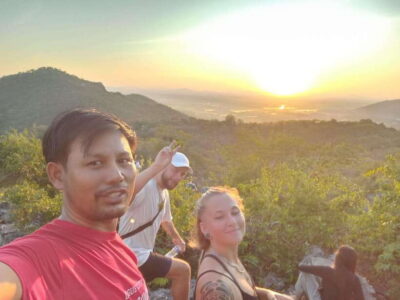
Full Day tour .City tour.Countryside.Bamboo Train.Secret Bat Cave
Read our review →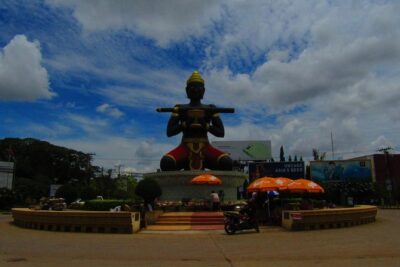
Battambang Full Day Tour from Siem Reap – Bamboo Train, Killing Cave & Sunset
Read our review →
Afternoon Tour: Bamboo Train, Killing Cave &Bat Cave
Read our review →
Full Day From Siem Reap – Bamboo Train, Killing Cave & Sunset
Read our review →Browse the lists this tour appears in