
Reviewed · PHNOM KULEN TOURS
Kulen Elephant Forest Siem Reap in Small Group
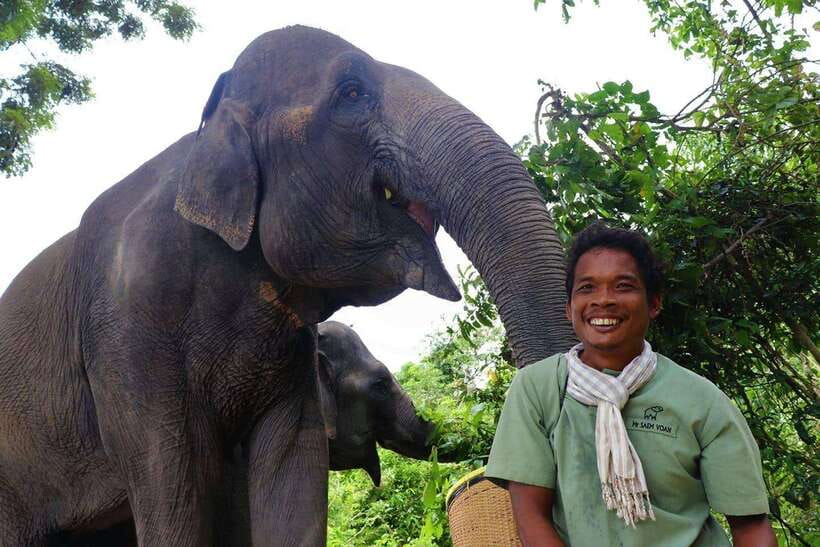
Elephants set the pace here. This five-hour outing from Siem Reap takes you into the Kulen forest to watch retired elephants roam, feed them homemade snacks, and learn how they live from an English-speaking guide. I like the hands-on snack-making and the chance to observe elephants without a staged performance. I also like that the animals can choose where to walk and spend time in their natural surroundings.
The main consideration is the amount of driving. The shuttle takes about one hour each way, so a good part of your five-hour tour is spent on the road. Also, this is an animal encounter, not a guaranteed petting session. The elephants set the rhythm, and that is part of the point.
In This Review
- Key points to know before booking
- Why this elephant experience feels different
- The one-hour ride from downtown Siem Reap
- Starting with a briefing and healthy treats
- Watching elephants choose their own day
- The 2-kilometer forest walk
- Enrichment, the pond, and the Khmer meal
- What the guides add to the visit
- The ethical question: close contact or respectful distance
- Who will enjoy this five-hour outing
- Is $69 a fair price?
- Should you book Kulen Elephant Forest?
- FAQ
- How long does the Kulen Elephant Forest tour last?
- Where does the tour start and finish?
- How long is the drive to Kulen Elephant Forest?
- What language is the tour offered in?
- Is lunch included?
- What activities are included with the elephants?
- What should I bring?
- Can wheelchair users join the tour?
Key points to know before booking
- Retired elephants roam freely: The elephants are former working animals that receive food and care in a forest setting.
- A 2-kilometer observation walk: You follow the elephants through the Cambodia forest rather than watching from one fixed platform.
- Homemade elephant snacks: You help prepare healthy treats before meeting and feeding the elephants.
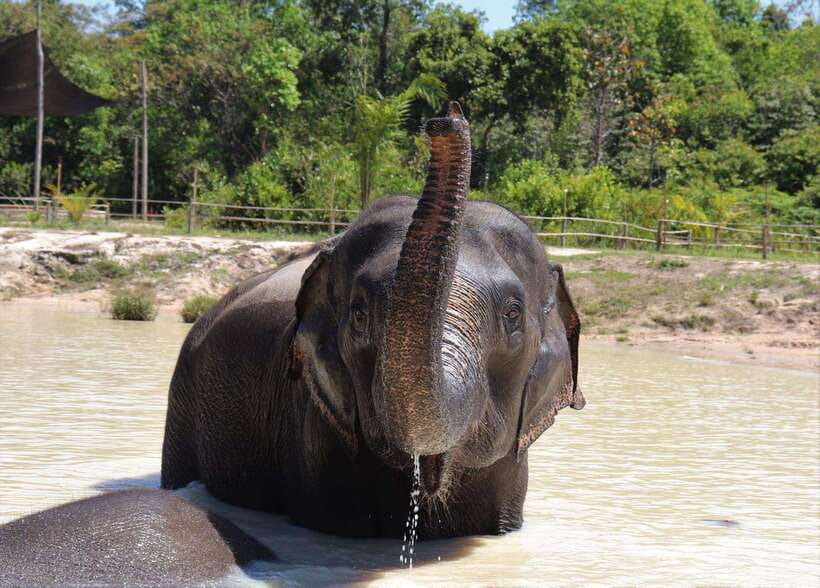
- Natural behavior comes first: The animals can wander, bathe, play, and interact with one another at their own pace.
- About one hour from Siem Reap: Round-trip transport is included from the operator’s downtown office.
- A small-group experience for $69: The price includes the guide, transport, water, and either lunch or a snack, depending on departure time.
Why this elephant experience feels different
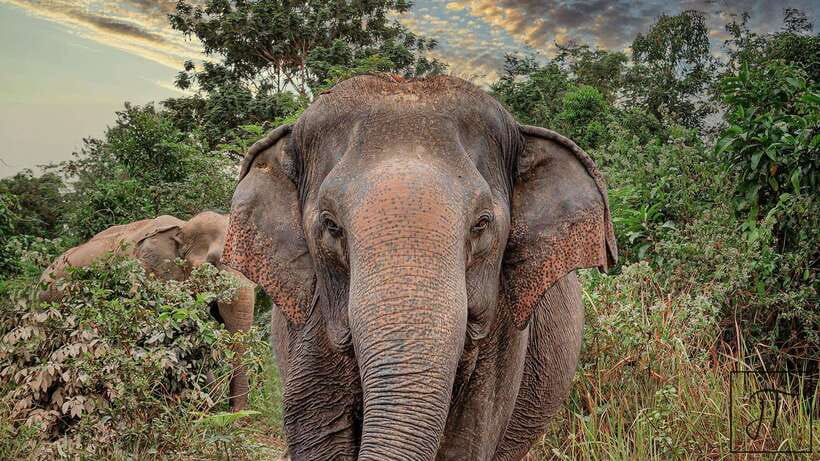
Many elephant encounters are built around a fixed sequence: stand here, feed now, pose for a photo, move along. Kulen Elephant Forest offers a quieter idea. You spend time watching elephants enjoy their surroundings, then walk with them through the forest and see how they choose to use the space.
That difference matters. You may see the elephants interact with one another, wander among the trees, or spend time near the pond. The plan gives you activities to follow, but it does not sound as if every moment is tightly controlled for photographs.
The elephants here are described as rescued from captivity and retired from working lives. They cannot survive alone in the wild, so the wildlife community provides food, care, and a protected place to live. Your $69 fee helps cover the visit itself as well as the daily needs of the elephants and the people who care for them.
I find that a more useful form of animal tourism than a quick photo stop. You are not simply buying access to an elephant. You are supporting an ongoing care program, while also learning about the animals and seeing how they spend their day.
More Phnom Kulen day trips:
- Kulen Waterfall Join-in Tour (local Picnic lunch)
★ 5.0 · 2,434 reviews - Kulen Mountain: Small-Group Tour and Picnic lunch
★ 4.9 · 1,802 reviews - Siem Reap: Kulen Mountain, Beng Mealea and Tonle Sap Tour
★ 5.0 · 1,483 reviews
The one-hour ride from downtown Siem Reap
Your day begins at the operator’s office in central Siem Reap. The included shuttle takes you to Kulen Elephant Forest, with the drive taking about one hour.
That transfer is long enough to shape your expectations. This is not a quick activity squeezed between breakfast and an afternoon at Angkor Wat. With the return drive included, the five-hour schedule gives you a half-day outing with several hours at the forest itself.
The road journey also takes you away from central Siem Reap and toward a more rural setting. The information provided describes the drive as scenic, though it does not specify particular villages or viewpoints along the way. Bring water, although water is included, and consider insect repellent before you leave town.
The office is both the departure and return point. That makes the arrangement simple, especially if you are staying in Siem Reap and do not want to organize a separate taxi. Check the available starting time when booking, since the exact departure schedule is not fixed in the tour details.
Starting with a briefing and healthy treats
At the forest, an expert English-speaking guide begins with an introductory briefing. This is an important start, not filler. You learn how to behave around the elephants, what to expect, and how the visit is organized.
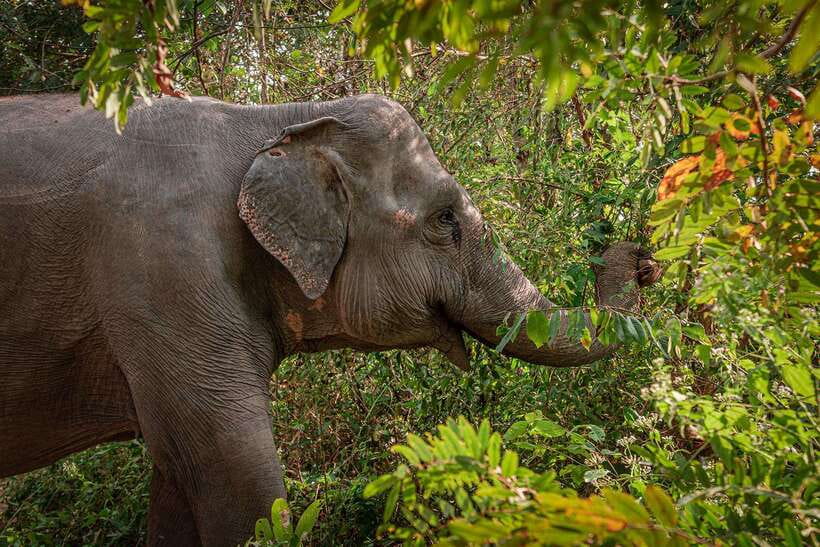
Next comes one of the more appealing parts of the experience: making healthy snacks for the elephants. You are not handed a prearranged basket and sent straight to an animal. You take part in preparing the treats, then meet the elephants and offer them the food.
Feeding gives you a close look at the elephants, but it also creates a useful lesson. You can see how the handlers manage the interaction and how the animals respond. The encounter is more meaningful when you pay attention to the elephant’s behavior rather than treating it as a photo opportunity.
The supplied information describes an elephant meet and greet and feeding session. Past visits have also included petting and helping handlers hose down the elephants, but those details should not be treated as a guaranteed part of every departure. The official plan centers on feeding, observing, walking, and enrichment.
Watching elephants choose their own day
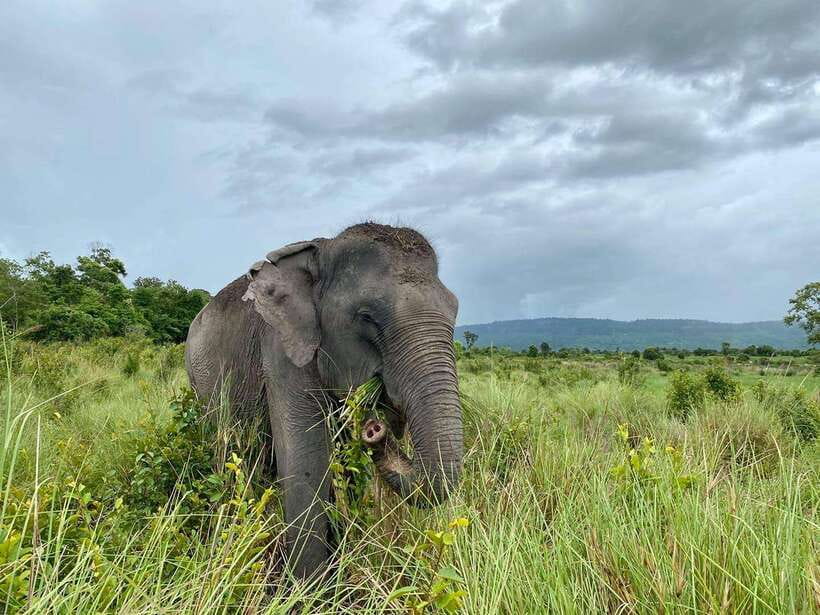
After the first meeting, the tour moves into the daily routine of the elephants. You spend time watching them enjoy their surroundings instead of moving immediately from one activity to the next.
This is where patience pays off. Elephants do not perform on command, and their most interesting behavior may be quiet. You might watch one animal feed while another explores, or see several elephants interact as a group. The guide can explain what you are seeing and provide information about elephant care and behavior.
The strongest feature of the visit is the chance to observe rather than simply touch. If your ideal elephant experience involves constant contact, you may find the slower pace less exciting. If you want to see animals behaving with fewer demands placed on them, this format should suit you well.
The program runs two tours per day, according to one account of the experience. That means the center has a regular flow of visitors, and it is fair to consider how that affects the elephants. One past participant wondered if two daily tours might be stressful for the animals, even while feeling that the proceeds supported food, maintenance, handlers, and staff.
That is a reasonable question. No animal encounter is entirely free of human impact. The positive side here is that the elephants are described as free to roam and bathe in the forest, rather than being used for rides or forced performances. You should still book with the understanding that ethical tourism involves trade-offs, not perfection.
More elephant sanctuary visits:
- From Siem Reap: Elephant Sanctuary Experience with Transfers
★ 4.9 · 282 reviews - Kulen Elephant Forest Tour with Hotel Pick-up & Drop off
★ 4.9 · 148 reviews - Kulen Elephant Forest & Kampong Phluk by Private Tour
★ 5.0 · 79 reviews - Siem Reap: Elephants & Apopo Rat Demining Private Trip
★ 4.6 · 46 reviews
The 2-kilometer forest walk
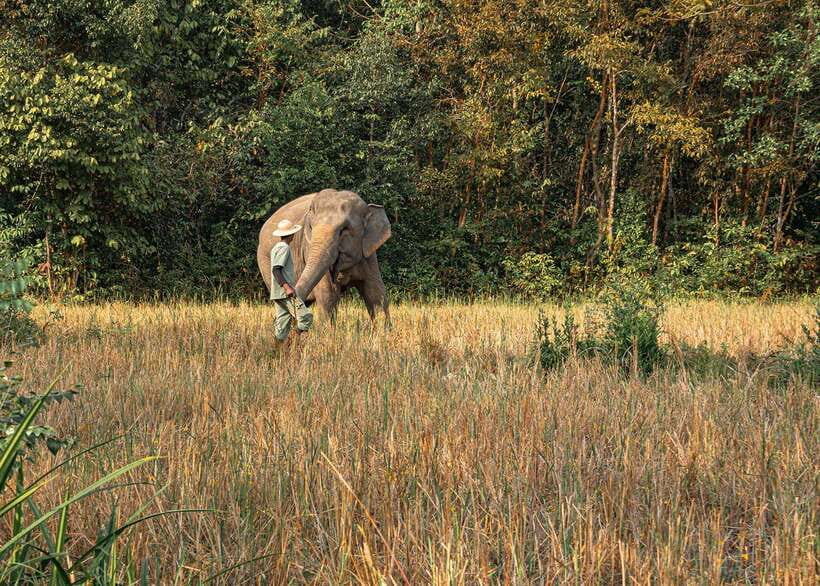
The observation trek covers about 2 kilometers. You walk with the elephants into the forest and watch them choose how to spend their time.
The walk gives the visit a sense of place. You are not observing the animals in an indoor enclosure or from a single viewing deck. You move through the trees, notice the plant life around you, and see how the elephants use the available space.
Wear practical shoes. The information does not specify the exact trail surface, so you should expect a natural forest walk rather than a paved path. Insect repellent and a hat are specifically recommended. Bring a camera too, but keep it secondary to watching where you step and giving the elephants room.
The 2-kilometer distance is modest for most people, but this is not suitable for wheelchair users. If walking on a natural forest route is difficult for you, contact the operator before booking rather than assuming the route can be adapted.
The walk also helps explain why the activity takes five hours. You need time to move slowly, stop for elephant behavior, and let the guide explain what is happening. This is not a rushed circuit.
Enrichment, the pond, and the Khmer meal
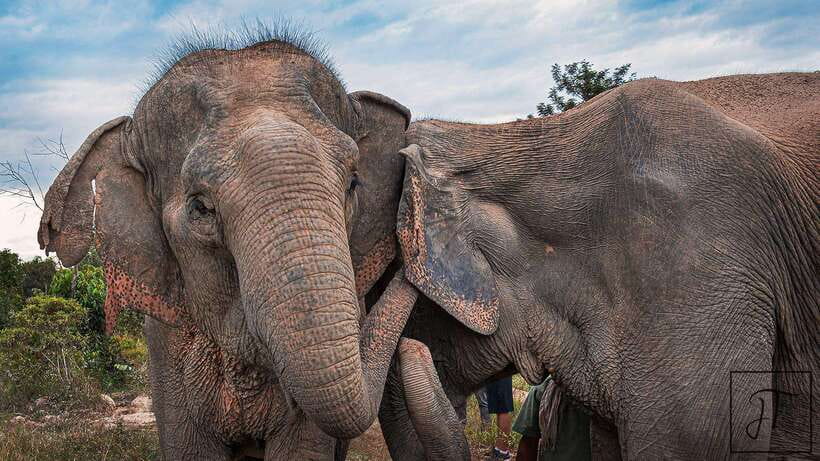
At some point during the visit, you help make enrichment for the elephants and watch them play by the pond. Enrichment gives the animals something to investigate or interact with, which adds another layer to the visit beyond feeding.
The pond is one of the few specific settings described in the program, and it sounds like a natural place to pause. Elephants bathing or playing can be memorable, but their behavior remains unpredictable. You may see active play, or you may spend time watching them simply stand, walk, or rest.
At noon, the group returns to base camp for a traditional Khmer meal on the morning tour. The afternoon tour includes a snack instead. This difference is worth checking when you select your departure, especially if you are planning meals around the activity.
Food and water are included, which improves the value of the $69 price. You are also paying for the guide and return transport, not just the time spent near the elephants. For a five-hour outing with a one-hour transfer in each direction, the cost is fair if ethical animal care and guided interpretation matter to you.
If you are comparing this with a cheaper elephant photo stop, compare what is actually included. Here, you receive transport, instruction, snack preparation, feeding, a forest walk, enrichment, observation time, and food or a snack. The value comes from the full half-day structure.
What the guides add to the visit
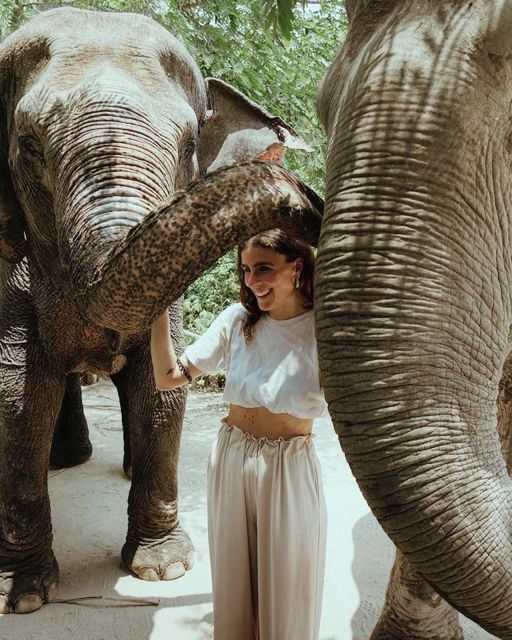
The guide is central to the experience. An English-speaking guide leads the briefing, explains elephant behavior, organizes the snack-making, and helps you understand the difference between observation and interference.
A guide named Tom has been specifically noted for being professional and informative during an afternoon visit. If he is leading your group, you can expect a guide who has made a good impression in that role. The tour is also described as being led by an expert guide, though individual guide assignments can change.
Good guiding is especially important here because visitors may naturally want to get close. The guide helps set the right tone. You learn when to feed, how to approach, and when to stand back and simply watch.
I would pay attention to whether the guide explains the elephants’ former working lives, their current care needs, and why they cannot be released to survive independently. Those details help you understand what you are supporting with your ticket.
The ethical question: close contact or respectful distance
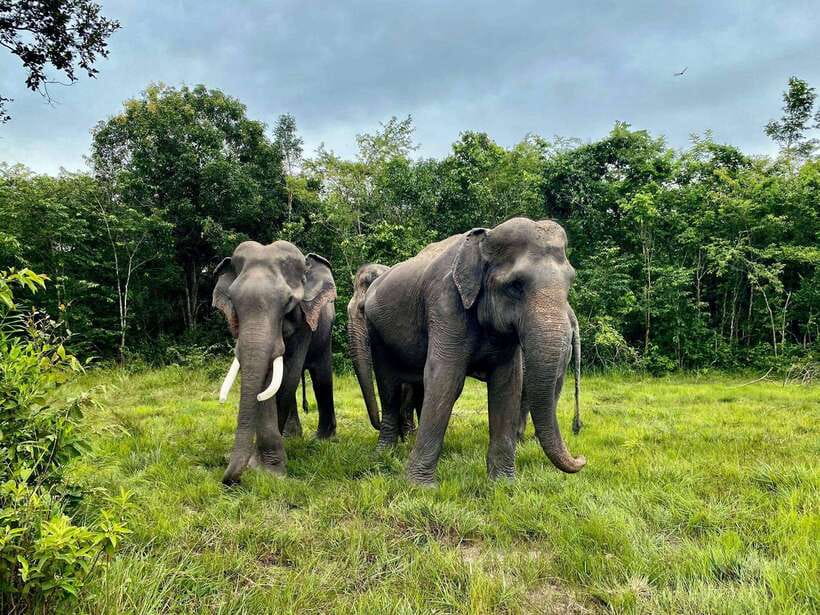
The most praised feature of this experience is the apparent freedom given to the elephants. The animals are described as free to roam, bathe, and spend time in the forest, while the guides allow them to do what they please.
That is encouraging, but the program still includes close contact. You make food for the elephants, feed them, and may be able to pet them. Some visits have also involved hosing them down. These interactions can be enjoyable, but they deserve careful thought.
I would book this for the chance to observe retired elephants in a cared-for setting, not for guaranteed touching. If your main goal is a photograph with an elephant, you may miss the point. If you can accept that the animals should control the pace, the encounter becomes more respectful.
There is also the practical issue of two daily tours. A regular visitor program supports the center financially, but visitors do create activity around the elephants. The strongest ethical choice you can make is to follow the guide closely, avoid crowding the animals, and accept when an elephant moves away.
Who will enjoy this five-hour outing
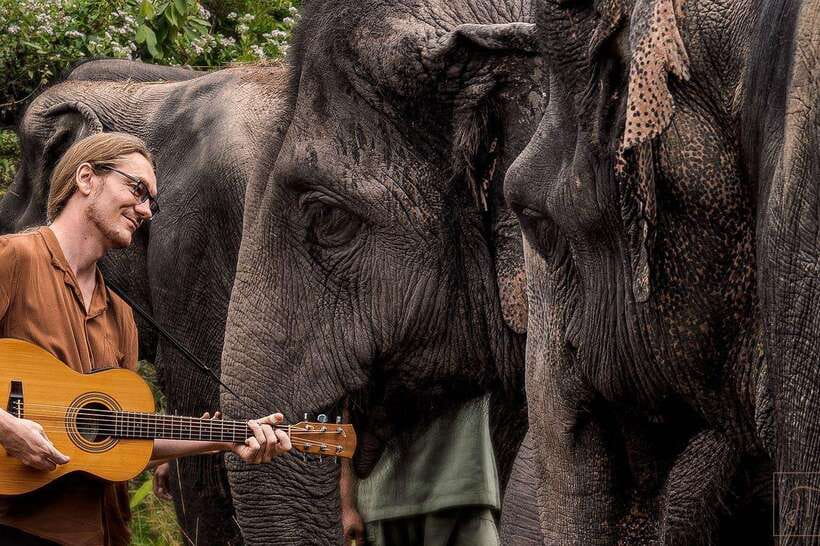
This tour suits you best if you want a guided animal experience with time for observation and walking. It works well for visitors who are staying in Siem Reap and want a half-day activity outside the temple circuit.
You will probably enjoy it if you like:
- Learning about animal care from an English-speaking guide
- Preparing food and feeding elephants
- Walking through a forest rather than visiting a fixed exhibit
- Taking photographs without needing a tightly staged show
- Supporting the care of retired working elephants
- Having transport, water, and food included
It may not suit you if you want a short activity close to central Siem Reap, cannot manage a natural 2-kilometer walk, or use a wheelchair. It may also disappoint you if you expect constant touching or a guaranteed bath-time encounter.
Bring a camera, hat, and insect repellent. Pets are not allowed. Comfortable walking clothes are sensible, and you should be ready for outdoor conditions.
Is $69 a fair price?
At $69 per person, this is not the cheapest way to spend a morning or afternoon in Siem Reap. But the price includes a five-hour program, round-trip transfer from town, an English-speaking guide, water, and either a Khmer meal or an afternoon snack.
The one-hour drive each way adds value if you would otherwise need to hire transport to reach the forest. The guided elements also matter. Someone organizes the elephant snacks, explains what you are seeing, and manages the interactions.
The fair question is not simply Can I find a cheaper elephant activity? It is What kind of elephant activity do I want to support? For a program focused on retired animals, forest access, observation, and care, $69 is a reasonable mid-range price.
The value is strongest for you if the elephants’ welfare is the main reason for booking. If you only want a quick close-up photograph, the longer format may feel expensive.
Should you book Kulen Elephant Forest?
I would recommend this tour if you want a thoughtful, active half-day with retired elephants and you are comfortable letting the animals set the pace. The forest walk, homemade treats, pond area, and observation time make it more substantial than a quick meet and feed.
Book it with realistic expectations. You will spend about two hours in the shuttle, the exact interaction can vary, and the elephants are not performers. The concern about regular tours is worth keeping in mind, but the program’s emphasis on roaming, natural behavior, and retirement care gives it a stronger ethical foundation than riding or show-based activities.
For the best fit, choose Kulen Elephant Forest if you want to learn, walk, watch, and support ongoing care. Skip it if you need wheelchair access or want a guaranteed hands-on encounter from start to finish.
FAQ
How long does the Kulen Elephant Forest tour last?
The tour lasts five hours, including transport from Siem Reap to the forest and back.
Where does the tour start and finish?
The shuttle starts at the operator’s office in downtown Siem Reap and returns you to the same location.
How long is the drive to Kulen Elephant Forest?
The drive from Siem Reap to Kulen Elephant Forest takes about one hour. The return journey also takes about one hour.
What language is the tour offered in?
The tour includes a live English-speaking guide.
Is lunch included?
Lunch is included with the morning tour. The afternoon tour includes a snack instead.
What activities are included with the elephants?
You make healthy snacks, meet and feed the elephants, observe them in their surroundings, walk about 2 kilometers through the forest, make enrichment, and watch the elephants near the pond.
What should I bring?
Bring a camera, insect repellent, and a hat. Water is included.
Can wheelchair users join the tour?
No. The experience is not suitable for wheelchair users.
Just added around Siem Reap
- Private Battambang Full-Day Guided Tour★ 4.5 · 3 reviews
- Kulen Mountain, Beng Mealea and Banteay Srei Full Day Tour★ 5.0 · 3 reviews
- Kompong Pluk Tour★ 5.0 · 3 reviews
- Private 3 Day Tour to Discover the ancient temples★ 5.0 · 3 reviews
- Kulen National Park Ticket -Waterfall & 1000 Lingas★ 5.0 · 3 reviews
- Cambodia: Absolute Traditional Dance Show with Buffet Dinner★ 5.0 · 3 reviews
- Border Transfer (Siem Reap to Laos/Laos to Siem Reap)★ 3.5 · 3 reviews
- Beng Melea, Rolous Group & Kompong Phluk Floating Village★ 5.0 · 3 reviews
Phnom Kulen Tours, compared.
Kulen Waterfall Join-in Tour (local Picnic lunch)
Read our review →
Kulen Mountain: Small-Group Tour and Picnic lunch
Read our review →
Kulen Mountain, Beng Mealea and Tonle Sap Tour
Read our review →
Phnom Kulen Waterfall & the Sacred 1000 Lingas (with Lunch)
Read our review →
Kulen Mountain with Beng Mealea and Tonle Sap Small Group Tour
Read our review →
Guided Small-Group Tour in Kulen Mountain Park Waterfall
Read our review →
Kulen Mountain Waterfall Tour with Picnic Lunch from Siem Reap
Read our review →
Kulen Waterfall & 1000 Linga River Small-Group Tours
Read our review →Browse the lists this tour appears in