
Reviewed · 1-DAY TOURS
Prek Toal Bird Sanctuary Day Trip from Siem Reap
Watch Tonle Sap wake up. This full-day trip pairs a boat journey through floating villages with a visit to Prek Toal Bird Sanctuary, where flooded forests shelter pelicans, ibis, storks, and other water birds. I like the peaceful pace and the chance to see conservation work alongside local life. Lunch aboard the Queen Tara Riverboat is another strong point. The main caution is simple: bird sightings depend heavily on water levels and season, so this is not a sure bet for serious birdwatching.
The tour runs about nine hours, begins with a 6:00 am hotel pickup, and costs $206 per person. That price is fair if you value transport, a guide, lunch, drinks, snacks, and a full day on the lake. It feels less convincing when high water keeps birds farther away or reduces the number of visible species.
In This Review
- Key points to know before you book
- Leaving Siem Reap at 6:00 am
- Crossing Tonle Sap past floating villages
- Entering Prek Toal’s flooded forest
- What the guide adds to the bird search
- A pause aboard the Queen Tara Riverboat
- Seeing conservation in action at Osmose
- How the season changes the whole outing
- Is $206 a fair price?
- Who should book this Tonle Sap day trip?
- Practical details for a smoother day
- Should you book the Prek Toal tour?
- FAQ
- Where does the Prek Toal Bird Sanctuary tour begin?
- How long does the tour last?
- Is hotel transportation included?
- What is included in the price?
- Is lunch served on the lake?
- What birds could I see?
- When is the best time for birdwatching?
- Can water levels affect the tour?
- What is the maximum group size?
- Can I cancel for a full refund?
Key points to know before you book
- The best birding period is November through March, when lake levels begin to fall and birds are nesting.
- Queen Tara Riverboat provides lunch, drinks, and snacks, giving the day a calm floating base.
- Prek Toal is reached after crossing Tonle Sap Lake, then continuing toward the sanctuary and the Sangkor River.
- More than 150 bird species may be found, including Spot-billed Pelicans, Black-headed Ibis, Grey-headed Fish Eagles, and the rare Masked Finfoot.
- The tour can carry up to 30 people, so the small-group label does not always mean an intimate boat ride.
- Water levels matter, and you should reconfirm conditions after booking.
Leaving Siem Reap at 6:00 am
The early start is practical, not merely painful. Hotel pickup is included, and the air-conditioned minivan gets you moving before the day becomes hot. You should have your belongings ready before 6:00 am and expect the trip to occupy most of the day.
The drive is only the beginning. The main change in mood comes once you reach Tonle Sap Lake. Instead of temple walls and Siem Reap traffic, you see a broad sheet of water lined with stilted houses, floating homes, markets, pagodas, and working boats.
This is one of the trip’s most useful features. You are not being taken straight to a bird sanctuary in isolation. You get a look at how communities use the lake for homes, transport, trade, and daily routines.
The tour includes return transport, so you do not need to arrange a separate taxi or negotiate with a driver at the end. That matters after a long day outside. Children must be accompanied by an adult, and most people can take part, although the tour operates in all weather.
A few more trips worth weighing up
- 1-Day Amazing Angkor Wat Tour with Sunset & All Interesting Major Temples
★ 5.0 · 308 reviews - Angkor Wat one Day Private Tour for All Highlight Angkor Temples
★ 5.0 · 199 reviews - 1-Day private Angkor Temple Tour from Siem Reap
★ 4.9 · 178 reviews
Crossing Tonle Sap past floating villages
Tonle Sap is not simply a pretty setting for photographs. Water levels shape life here. Houses and structures are built for conditions that change through the year, and the view from the boat gives you a sense of how closely local communities depend on the lake.
You can expect to pass stilted houses, floating homes, markets, pagodas, and other signs of life on the water. The exact view will change with the season and water level. When the lake is high, boats can reach areas that may be harder to access later. When the water recedes, more nesting activity may become visible around the sanctuary.
The crossing also sets up the bird sanctuary visit. This is a long outing, not a quick morning cruise. If you want only an hour on the water, this tour is too much. If you enjoy watching a place change slowly from town to open lake to wetland, the pace works well.
Bring protection from sun and rain. The tour runs in all weather, and the open-water portions offer little control over conditions. Dress for heat, wind, and possible rain rather than assuming the morning will stay comfortable.
Entering Prek Toal’s flooded forest
Prek Toal is a protected biosphere reserve and one of the main reasons to choose this outing. Once you reach the sanctuary, the setting becomes quieter and more natural. The plan is to use a traditional flat-bottomed boat around flooded forests and swamps, with a local guide helping you look for water birds.
The word look matters here. This is not a guaranteed parade of rare species. Bird activity changes with water depth, season, weather, and feeding conditions. One recent trip took place when the water was high, and the main sightings were darters and cormorants, birds able to fish in deeper water. The day still had value, but it was not strong birding by specialist standards.
The most reliable way to enjoy this section is to treat it as a wildlife outing with uncertain results. You might see Spot-billed Pelicans, Black-headed Ibis, Grey-headed Fish Eagles, storks, and perhaps the rare Masked Finfoot. You might also spend long stretches watching fewer birds than expected.
The sanctuary is associated with more than 150 bird species, which gives the place real importance. It does not mean you will see all 150, or even a large share of them in one visit. Ask your guide about current water levels and nesting conditions before you set out.
What the guide adds to the bird search
A local guide is included, along with a guide focused on the lake and bird sanctuary. That help matters because many birds sit at a distance, blend into the wetland, or appear only briefly. A guide can also explain what you are seeing rather than leaving you to identify every dark shape in a tree.
The quality of the day depends partly on how clearly the guide sets expectations. The strongest reports praised the guide even when bird sightings were limited. That tells you something useful: the guiding can make a difficult birding day more worthwhile, but it cannot change the season or water level.
If you have serious birdwatching goals, communicate that before departure. Ask what has been seen recently and which conditions are expected. The supplied information does not promise binoculars, specialist optics, or a dedicated expert ornithologist, so bring your own binoculars if bird identification is important to you.
Photography also requires patience. Birds may be distant, and the boat’s movement can make sharp pictures harder. You will get more from the outing if you value observation and place over a checklist of perfect close-up images.
A completely different kind of day out from Siem Reap:
- Angkor Wat Sunrise or Sunset Tour with Guide from Siem Reap
★ 5.0 · 12,109 reviews - Siem Reap: Angkor Wat: Small-Group Sunrise or Sunset Tour
★ 5.0 · 9,444 reviews - From Siem Reap: Kampong Phluk Floating Village Tour by Boat
★ 4.9 · 6,979 reviews - Sunset tour of Kampong Phluk stilts home village on the Tonle Sap
★ 5.0 · 4,865 reviews
A pause aboard the Queen Tara Riverboat
Lunch and drinks are provided aboard the Queen Tara Riverboat. This gives the middle of the day a comfortable, social pause after the early start and the lake crossing. A floating restaurant is a fitting place to eat because the water remains part of the experience rather than becoming scenery you leave behind.
The strongest praise for this part of the tour centers on its relaxed, peaceful atmosphere. That is a useful clue for anyone who wants a gentle day outdoors rather than a rushed sequence of stops.
Lunch, beverages, and snacks are included, so the $206 price covers more than transport and admission-style access. You should still budget for personal expenses, since those are not included. The available information does not specify the exact menu, so do not book this expecting a particular Cambodian dish or special dietary arrangement unless you confirm it directly.
The Queen Tara portion also gives you a place to regroup if the birding is slow. You can watch the lake, eat, and take in the setting without feeling that every minute must produce a sighting.
Seeing conservation in action at Osmose
The day may include a visit to the Osmose conservation project. This adds an important human side to the sanctuary. Conservation is not only about protecting birds inside a reserve. It also involves finding useful ways for local communities to work with the wetland and reduce waste.
One especially interesting activity is the use of water hyacinth. The plant is being put to practical use rather than treated only as a problem. That detail gives the visit substance and helps connect the lake’s environmental issues with local solutions.
I would give this stop real weight when deciding if the tour suits you. If you want only wildlife sightings, it may feel like time taken away from the bird sanctuary. If you want to understand why the area needs protection and how conservation links to local livelihoods, it makes the day more meaningful.
The conservation work also softens the disappointment of a quiet birding day. You can leave having learned something concrete about the area even if the rare birds stay out of sight.
How the season changes the whole outing
Water levels are the key variable. The operator specifically advises you to reconfirm after booking because access and bird activity depend on the lake’s condition.
The most favorable period given for birdwatching is November through March. During these months, water levels begin to recede and birds are nesting. That does not guarantee perfect conditions, but it gives you a better chance of seeing larger concentrations of birds and more obvious nesting behavior.
High water can produce a different kind of trip. Deep water may allow access through parts of the wetland, but some birds may be harder to see. A visit during high water produced sightings of darters and cormorants, including species able to fish below the surface. That can still be rewarding, but it is not the same as watching large breeding colonies at closer range.
If your schedule is flexible, aim for November to March. If your dates are fixed, contact the operator before you commit and ask about current water levels and recent sightings. This is the single most useful step you can take.
Is $206 a fair price?
At $206 per person, this is not a budget half-day from Siem Reap. It is a full-day package with hotel pickup and drop-off, an air-conditioned minivan, local guiding, boat transport, lunch, beverages, and snacks.
The price makes more sense if you would otherwise need to arrange several separate services. You are paying for the long transfer, the lake crossing, the sanctuary visit, the boats, the guide, and the meal. Group discounts may also be available, which could improve the value for families or larger parties.
The weak point is the uncertainty of the main attraction. You are paying for access to a strong bird habitat, not a guaranteed list of sightings. A bird enthusiast who visits in the wrong season could reasonably find the cost high. Someone interested in wetlands, floating communities, conservation, and a quiet boat day may feel the package offers better value.
The maximum group size is 30. That is manageable for a full-day organized outing, but it is not always a personal birding charter. The boat and guide arrangement may feel more intimate on a smaller departure. If group size matters to you, ask how many people are booked for your date.
Who should book this Tonle Sap day trip?
I would recommend it to you if you want to combine wildlife with local life. The floating villages, stilted houses, markets, and pagodas give the day more range than a sanctuary visit alone.
It also suits people who prefer a planned outing. Hotel pickup, return transport, lunch, drinks, snacks, and a guide are all arranged. You can spend the day paying attention to the lake rather than sorting out several connections.
Birdwatchers should book with care. The sanctuary is the right destination, and the list of possible species is impressive, but the timing matters greatly. November through March is the safer choice, and you should confirm current conditions before the trip.
I would be less enthusiastic if you have only one free morning in Siem Reap, dislike long boat rides, or expect close-up views of rare birds in every season. The nine-hour schedule is a commitment, and the natural world does not follow a fixed itinerary.
Practical details for a smoother day
The start time is 6:00 am, and the tour lasts about nine hours. Hotel pickup and drop-off are included, but the supplied details do not list exact pickup windows for individual hotels, so confirm the timing after booking.
Dress for changing weather. The tour operates in all conditions, and much of the day takes place on or near open water. Sun protection and practical clothing are sensible choices, though the operator does not provide a detailed packing list.
Service animals are allowed, and most people can participate. Children need to be with an adult. Personal expenses are excluded, so carry money for anything outside the included food, drinks, transport, and guiding.
Free cancellation is available if you cancel at least 24 hours before the local start time. Within 24 hours, you will not receive a refund, and changes made inside that period are not accepted. Confirmation normally arrives at booking, unless you book within one day of departure, when it is subject to availability.
Should you book the Prek Toal tour?
Book this trip if you want a full day that links Tonle Sap culture, wetland scenery, conservation, and birdwatching. The Queen Tara lunch stop, included transport, and Osmose project add value beyond simply searching for birds.
Book in November through March if bird sightings are your main goal. If you can travel only at another time, reconfirm water levels and recent sightings first. I would choose this tour for its broad view of Tonle Sap, not as a guaranteed rare-bird expedition.
FAQ
Where does the Prek Toal Bird Sanctuary tour begin?
The tour begins in Siem Reap with hotel pickup. The listed start time is 6:00 am.
How long does the tour last?
The tour lasts approximately nine hours.
Is hotel transportation included?
Yes. Hotel pickup and drop-off are included, with transport provided by air-conditioned minivan.
What is included in the price?
The price includes lunch, beverages, snacks, a local guide, minivan transport, and hotel pickup and drop-off.
Is lunch served on the lake?
Yes. Lunch and drinks are provided aboard the Queen Tara Riverboat, described as a floating restaurant setting.
What birds could I see?
Possible sightings include Spot-billed Pelicans, Black-headed Ibis, Grey-headed Fish Eagles, storks, darters, cormorants, and the rare Masked Finfoot. More than 150 species are associated with the sanctuary.
When is the best time for birdwatching?
The best period given for birdwatching is November through March, when water levels begin to recede and birds are nesting.
Can water levels affect the tour?
Yes. The tour depends on lake water levels, so you should reconfirm conditions after booking.
What is the maximum group size?
The activity can have a maximum of 30 participants.
Can I cancel for a full refund?
Yes, if you cancel at least 24 hours before the experience start time. Cancellations within 24 hours are not refundable.
Just added around Siem Reap
- Private Battambang Full-Day Guided Tour★ 4.5 · 3 reviews
- Kulen Mountain, Beng Mealea and Banteay Srei Full Day Tour★ 5.0 · 3 reviews
- Kompong Pluk Tour★ 5.0 · 3 reviews
- Private 3 Day Tour to Discover the ancient temples★ 5.0 · 3 reviews
- Kulen National Park Ticket -Waterfall & 1000 Lingas★ 5.0 · 3 reviews
- Cambodia: Absolute Traditional Dance Show with Buffet Dinner★ 5.0 · 3 reviews
- Border Transfer (Siem Reap to Laos/Laos to Siem Reap)★ 3.5 · 3 reviews
- Beng Melea, Rolous Group & Kompong Phluk Floating Village★ 5.0 · 3 reviews
1-Day Tours, compared.

Visit 11 Places in One Day including S21 & Killing Field
Read our review →
1-Day Amazing Angkor Wat Tour with Sunset & All Interesting Major Temples
Read our review →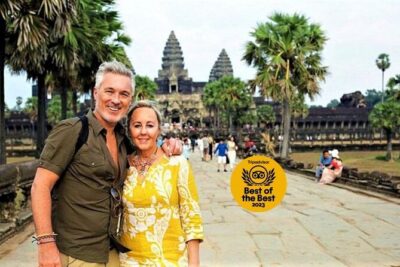
Angkor Wat one Day Private Tour for All Highlight Angkor Temples
Read our review →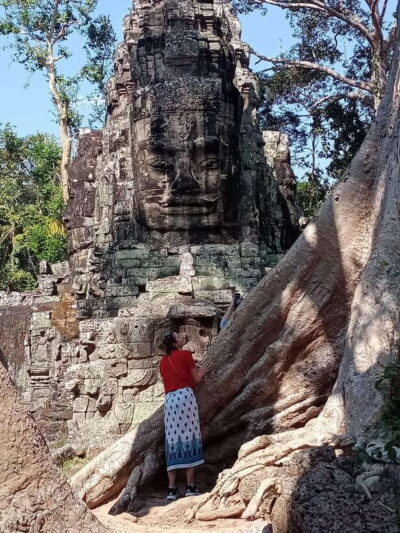
1-Day private Angkor Temple Tour from Siem Reap
Read our review →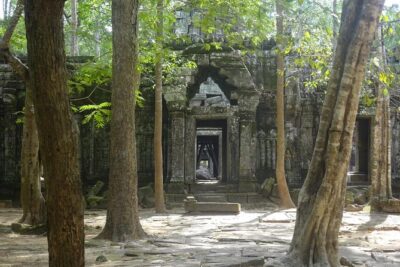
1-Day Angkor Wat Sunrise & All Interesting Temples Private Tour
Read our review →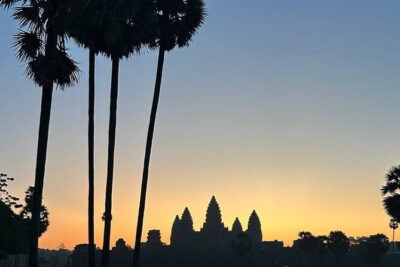
Angkor Wat Sunrise Small-Group 1-Day Tour from Siem Reap
Read our review →
Browse the lists this tour appears in