
Reviewed · MUSEUMS
Siem Reap: Angkor National Museum Admission Ticket
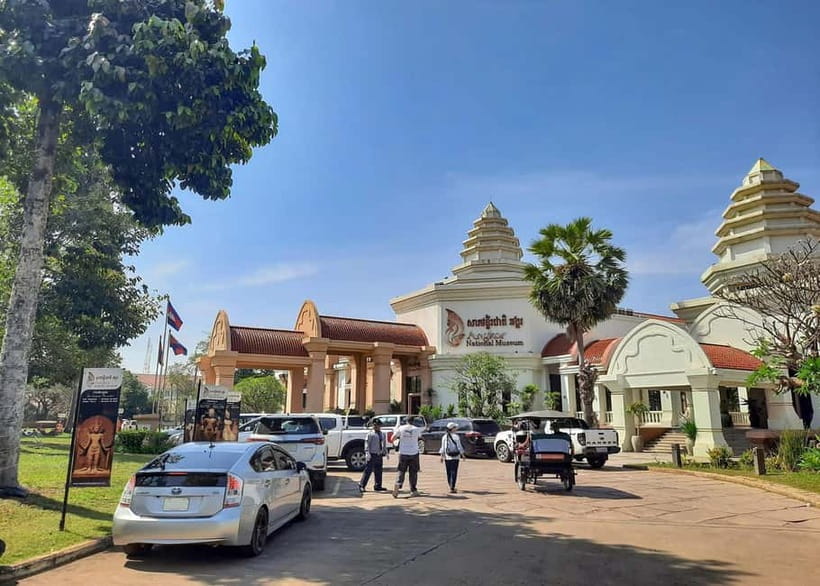
Angkor comes alive indoors. This Siem Reap museum ticket gives you a calm way to understand the Khmer Empire before or after seeing Angkor Wat. I like the freedom to explore the eight galleries at your own pace, and I like the strong collection of more than a thousand Buddha statues, ancient inscriptions, and artifacts from Angkor’s archaeological sites. The main thing to plan around is that this is an admission ticket only, so transport, a guide, and the audio guide cost extra.
The museum works especially well as a companion to the temples. I like that you can visit for a focused 90 minutes or take more than three hours, depending on how closely you study the displays. One practical caution: your ticket is sent through WhatsApp, Telegram, or Viber, and it may not arrive immediately after booking, so do not wait until you are already standing at the entrance.
In This Review
- Key points to know before you go
- Why this museum matters before the temples
- Entering the eight galleries
- The Buddha statue collection
- Inscriptions and artifacts from Angkor
- How long should you spend inside?
- The $15 price and what you receive
- The audio guide and wall information
- Getting there and handling the digital ticket
- Who will enjoy this museum most?
- Practical tips for a better visit
- Should you book the Angkor National Museum ticket?
- FAQ
- How much does the Angkor National Museum admission ticket cost?
- How long is the ticket valid?
- Does the ticket include an audio guide?
- Does the experience include transportation?
- How do I receive the admission ticket?
- Is the museum wheelchair accessible?
Key points to know before you go
- Eight galleries tell the Khmer story: The displays trace changes in Khmer art, culture, and religion rather than presenting a random collection of old objects.
- More than 1,000 Buddha statues: The collection gives you plenty of time to compare styles, poses, and expressions across different periods.
- Useful before or after Angkor Wat: Visit first for context, or afterward to better understand the statues and symbols you saw among the temples.
- Self-guided and flexible: Your ticket is valid for one day, and you can set your own pace without joining a fixed tour.
- Audio guide costs an extra $5: The wall panels provide useful information, but the rental device may be worthwhile if you want a more guided visit.
- Ticket delivery needs attention: Use a phone number that can receive messages through WhatsApp, Telegram, or Viber.
Why this museum matters before the temples
Angkor Wat and the surrounding temple sites can be overwhelming. You see giant faces, carved gods, Buddhist figures, Sanskrit or Khmer inscriptions, and long stone galleries, but it is not always clear how the pieces fit together. The Angkor National Museum gives you a framework before you face that outdoor flood of information.
I like museums that help you see a place better rather than trying to replace it. This one explains the civilization behind the monuments, with exhibits covering Khmer art, culture, and religion. Afterward, a statue at a temple is no longer just a beautiful stone figure. You have a better chance of noticing its pose, symbols, and religious setting.
You can also reverse the order. If you have already spent a day among the temples, the museum can help sort out what you saw. The displays make more sense when you have fresh memories of Angkor’s towers, carvings, and Buddha images. One useful plan is to visit the museum on your first or second day in Siem Reap, then return to the temples with a sharper eye.
A few more trips worth weighing up
- Bantey Srei, Kbal Spean and Landmine museum Private Tuk-Tuk
★ 4.7 · 30 reviews - Siem Reap City Tour with War Museum and Killing Field
★ 5.0 · 27 reviews - Private Tour: HERO Rats & Angkor National Museum
★ 4.5 · 16 reviews
Entering the eight galleries
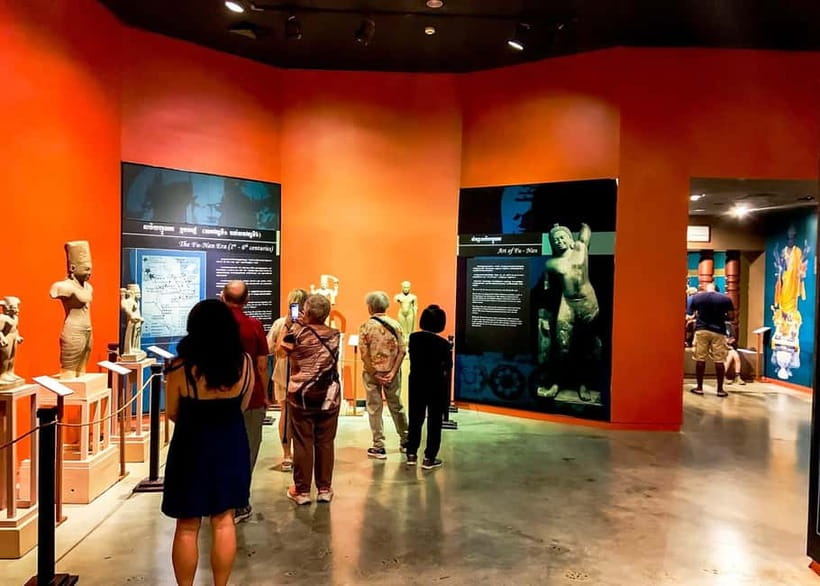
The museum is organized into eight galleries, which gives your visit a clear shape. You are not simply walking through one large room filled with unrelated objects. The galleries present the development of Khmer art and belief, helping you follow the changing character of the empire.
You should allow at least 90 minutes if you want more than a quick look. A visit of two hours gives you time to read the main information boards and study the major objects without rushing. If you enjoy museums, plan closer to three hours. One especially careful visit lasted more than three hours, starting at Gallery 1 and continuing through the displays in order.
That order matters. Starting with the first gallery lets you build your understanding step by step. You can increase your grasp of the Khmer Empire and its religious culture as you move through the museum instead of jumping straight to the most impressive statues.
The drawback is simple: the ticket does not include a personal guide. You decide how much context you receive. If you skim the labels, the museum may feel like a large collection of artifacts. If you read the panels and consider renting the audio device, the visit becomes much more rewarding.
The Buddha statue collection
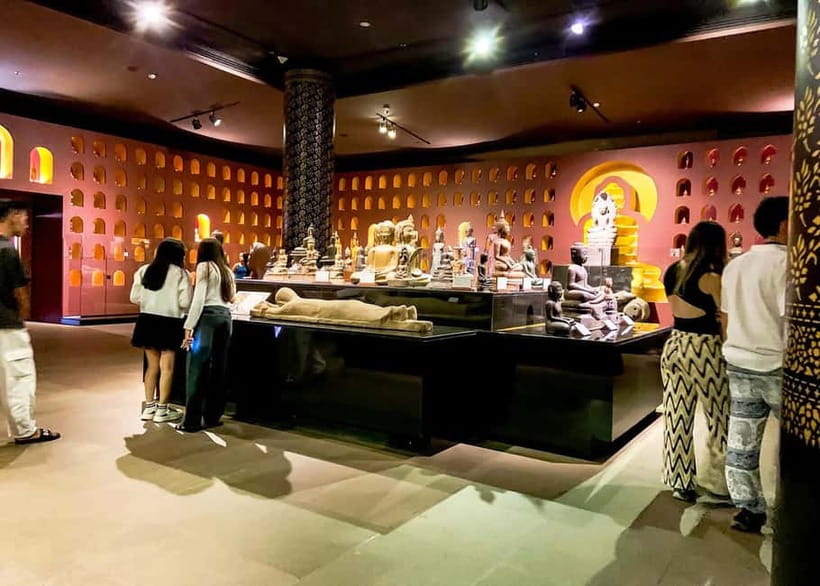
The most praised part of the museum is its collection of more than a thousand Buddha statues. That number sounds impressive, but the real value comes from having enough examples to compare. You can look at different forms, periods, and details instead of treating one statue as the complete picture of Khmer Buddhist art.
The collection also helps you notice how religious images work within Khmer culture. The museum presents Buddhism alongside the wider story of Khmer religion and art, so the statues are not isolated decorations. They form part of a much larger tradition that shaped temples, sculpture, and daily belief.
Give yourself time here. A quick walk past a hundred statues will blur them together. I would slow down, choose a few pieces, and compare their faces, hand positions, and overall design. You may find that the information boards make the collection easier to understand, especially after you have seen religious sculpture at Angkor.
The museum is also a useful refuge during the hottest part of the day. The ticket is valid for one day, so you can plan a longer visit without needing to race through every room. Comfortable shoes and light, comfortable clothing are sensible, even though this is an indoor stop, because the visit can last well beyond an hour.
Inscriptions and artifacts from Angkor
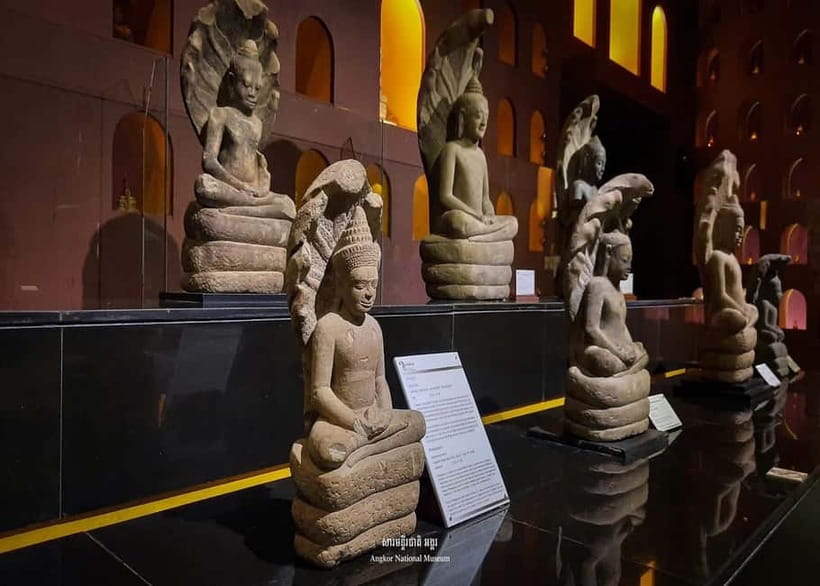
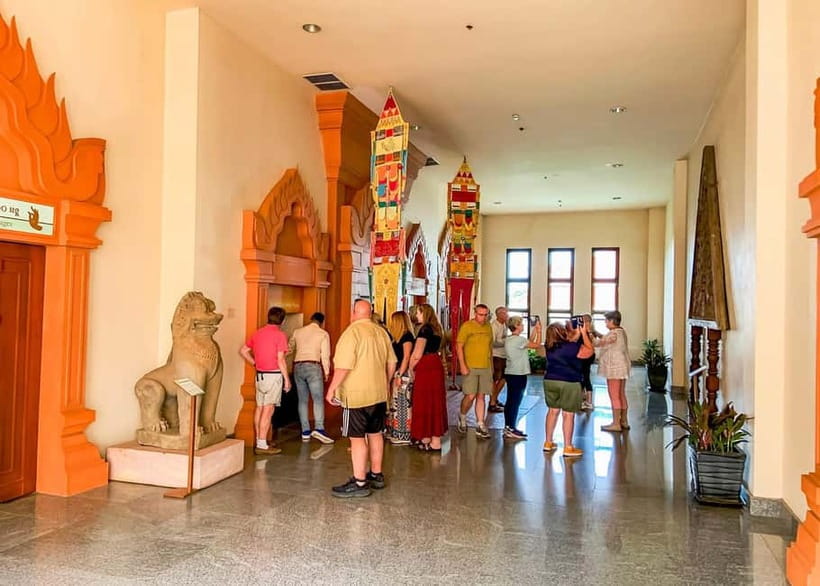
The museum’s ancient inscriptions and excavated artifacts add something that the temples cannot always provide. At Angkor, the scale of the architecture can dominate your attention. Inside the museum, smaller objects and written records bring the civilization down to a human reading distance.
Inscriptions are particularly valuable because they connect physical sites with language, religion, and public life. You may not read every character, but seeing the original material alongside explanatory panels gives you a stronger sense of how the Khmer world recorded its ideas and events.
The artifacts also help fill in the spaces between the monumental temples. Angkor is famous for stone towers and carved walls, yet a civilization is not made only of grand buildings. Smaller objects show how art and religion were expressed across a broader culture.
This is where the museum earns its $15 price. The ticket is not just paying for a building full of objects. It gives you organized access to material taken from archaeological sites and presented in a way that can make your temple visits more meaningful.
A completely different kind of day out from Siem Reap:
- Angkor Wat Sunrise or Sunset Tour with Guide from Siem Reap
★ 5.0 · 12,109 reviews - Siem Reap: Angkor Wat: Small-Group Sunrise or Sunset Tour
★ 5.0 · 9,444 reviews - From Siem Reap: Kampong Phluk Floating Village Tour by Boat
★ 4.9 · 6,979 reviews - Sunset tour of Kampong Phluk stilts home village on the Tonle Sap
★ 5.0 · 4,865 reviews
How long should you spend inside?
You have three sensible ways to plan the visit.
For a quick introduction, allow around 90 minutes. This works if you want the main galleries, the best-known statues, and a selection of information panels. It is enough to add context before an afternoon at Angkor, but it will feel rushed if you try to read everything.
For the best balance, plan two hours. You can move through all eight galleries, stop for the major displays, and spend proper time with the Buddha collection. This is the schedule I would choose for most people with a full temple program.
For a serious museum visit, allow three hours or more. Start at Gallery 1, follow the sequence, and use the audio guide. A long visit makes sense if you enjoy religious art, archaeology, or Cambodian history. It also suits anyone who wants to understand the temples rather than simply photograph them.
The one-day validity gives you flexibility, but it does not necessarily mean you should leave and return. You are responsible for arranging your own transport, and the ticket does not include pickup or drop-off. For most people, one well-planned visit is simpler.
The $15 price and what you receive
At $15 per person, this is not the cheapest indoor attraction in Siem Reap. Still, I think the cost is reasonable if you make use of the collection and spend at least 90 minutes inside. The museum offers eight galleries, a large body of sculpture, inscriptions, and archaeological artifacts, all in one place.
The value improves if you visit before several temple days. Understanding Khmer art and religion can change what you notice at Angkor Wat and the other archaeological sites. If you already know the subject well, or if you only want a short look at a few statues, the price may feel less attractive.
Remember that the ticket covers admission only. It does not include a tour guide, food, drinks, transportation, or the museum’s audio guide. The audio device costs an additional $5 according to the available visitor information. That extra cost may be worthwhile for a three-hour visit, while a short visit can work with the wall panels alone.
The ticket also skips the ticket line, which is useful when you have limited time. You still need the digital ticket itself, so the convenience depends on receiving it before you arrive.
The audio guide and wall information
The wall panels are an important part of the experience. They provide the explanations that connect the statues and artifacts to Khmer art, religion, and the history of Angkor. One visitor particularly valued the information boards because they brought the large collection together.
I would not treat the audio guide as essential for everyone. If you enjoy reading and want to control your pace, the panels may be enough. If you prefer a spoken explanation or want to move through the galleries in sequence, the $5 rental can add useful structure.
The audio guide is not included in the admission ticket, so decide at the museum rather than assuming it comes with your booking. Several detailed visits lasted between 90 minutes and more than three hours with the audio device, which suggests that it can encourage a slower, more focused visit.
One practical detail is worth repeating: the museum ticket and the audio guide are separate. Budget for the extra $5 only if you think you will use it.
Getting there and handling the digital ticket
There is no pickup or drop-off service. You need to arrange your own transportation to the Angkor National Museum in Siem Reap Province. The information provided does not specify a transport method or travel time, so check your route before booking a tightly timed temple visit.
The operator sends the admission ticket to the contact number you provide. That number must work with WhatsApp, Telegram, or Viber. After booking, the operator contacts you to reconfirm the reservation.
Do not assume the ticket will appear instantly. One person received it only after sending a message because they were heading directly to the museum. I recommend booking before the day of your visit, checking your messages, and contacting the operator if the ticket has not arrived.
The ticket is valid for one day, with starting times subject to availability. The skip-the-line feature is useful, but it does not remove the need for basic planning. Keep the ticket on your phone and bring cash for any extra purchase, including the possible audio guide.
Who will enjoy this museum most?
This experience suits you best if you want more than a quick photo stop at Angkor Wat. It is a strong choice for anyone interested in sculpture, archaeology, Buddhism, Khmer culture, or the development of the Khmer Empire.
Families may also find the self-paced format easier than a fixed tour. You can move on when attention fades, then pause longer at the displays that catch your interest. The museum is wheelchair accessible, which makes it a practical option for visitors who need an accessible indoor attraction.
The ticket is less suitable if you expect a personal guide or a complete half-day excursion. No guide, transport, food, or audio guide is included. You need to make your own way there and decide how much explanation you want.
Private or small-group options are available, but the core product remains an admission ticket. Confirm what kind of arrangement you are booking if having a group format matters to you.
Practical tips for a better visit
Wear comfortable shoes and clothes. You may spend two or three hours moving through the eight galleries, and a long museum visit is more pleasant when you are not distracted by sore feet or restrictive clothing.
Bring a camera if you want to record details for later reference. Also bring cash, especially if you may rent the $5 audio guide or need to handle another personal expense during the visit.
Pets, alcohol, and drugs are not allowed. The museum is a cultural site, so plan for a quiet, respectful visit.
I would pair the museum with a temple day, but not squeeze it between two rushed transfers. A slower morning or afternoon gives you enough time to read, compare objects, and make sense of the galleries. If your schedule is tight, choose the two-hour version and focus on the Buddha statues, inscriptions, and main information boards.
Should you book the Angkor National Museum ticket?
I would book it if you have at least 90 minutes in Siem Reap and want better context for Angkor. The museum’s strongest features are its eight-gallery layout, more than 1,000 Buddha statues, ancient inscriptions, and clear information panels. At $15, it offers fair value for a substantial self-guided visit.
Book with the audio guide if you enjoy a structured explanation and plan to stay for two or three hours. Skip the extra cost if you prefer reading at your own pace.
I would not book it expecting transportation, a guide, or an instant ticket delivery. Arrange your own route, use a reachable WhatsApp, Telegram, or Viber number, and allow time for the admission ticket to arrive. For a thoughtful introduction to Khmer art and religion, this is one of the more useful indoor stops in Siem Reap.
FAQ
How much does the Angkor National Museum admission ticket cost?
The admission ticket costs $15 per person.
How long is the ticket valid?
The ticket is valid for one day. Starting times depend on availability.
Does the ticket include an audio guide?
No. The audio guide is not included. The available information states that it costs an additional $5 at the museum.
Does the experience include transportation?
No. You are responsible for arranging your own transportation to the Angkor National Museum. Pickup and drop-off are not included.
How do I receive the admission ticket?
You must provide a phone number that can receive messages through WhatsApp, Telegram, or Viber. The operator contacts you to reconfirm the booking and sends the ticket separately.
Is the museum wheelchair accessible?
Yes. The Angkor National Museum is wheelchair accessible.
Just added around Siem Reap
- Private Battambang Full-Day Guided Tour★ 4.5 · 3 reviews
- Kulen Mountain, Beng Mealea and Banteay Srei Full Day Tour★ 5.0 · 3 reviews
- Kompong Pluk Tour★ 5.0 · 3 reviews
- Private 3 Day Tour to Discover the ancient temples★ 5.0 · 3 reviews
- Cambodia: Absolute Traditional Dance Show with Buffet Dinner★ 5.0 · 3 reviews
- Kulen National Park Ticket -Waterfall & 1000 Lingas★ 5.0 · 3 reviews
- Border Transfer (Siem Reap to Laos/Laos to Siem Reap)★ 3.5 · 3 reviews
- Best Taxi Siem Reap to Battambang – English Speaking Driver★ 4.5 · 3 reviews
Museums, compared.
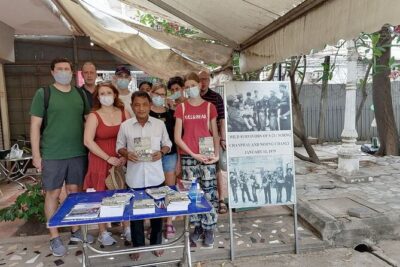
The Killing Field and Toul Sleng Genocide Museum (S21) Tour
Read our review →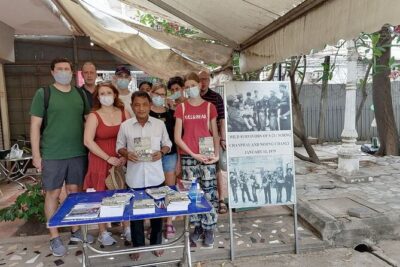
Killing field and Toul Sleng genocide museum Tour
Read our review →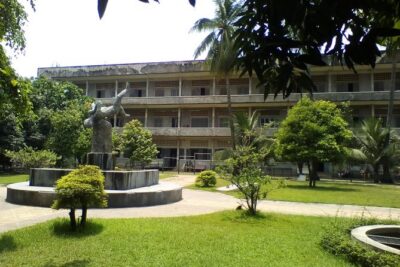
Private Half Day To Killing Field & S21 Genocidal Museum in Phnom Penh
Read our review →
Tuol Sleng Genocide Museum (S-21) and Choeung Ek Killing Fields Tour
Read our review →
Phnom Penh City Tour, Silver Pagoda, Genocide Museum, Killing Fields
Read our review →
Bantey Srei, Kbal Spean and Landmine museum Private Tuk-Tuk
Read our review →
Siem Reap City Tour with War Museum and Killing Field
Read our review →The killing field and Toul Sleng Genocide museum (S21) Tour
Read our review →Browse the lists this tour appears in