
Reviewed · MUSEUMS
Siem Reap: Khmer Rogue, War museum &landmine museum Day Tour
Cambodia’s past is painful, but worth facing. This eight-hour Siem Reap tour links Wat Thmei Killing Fields, the Cambodia Landmine Museum, and the War Museum in one clear day of learning. I like that you see both the human cost of conflict and the country’s long effort to recover. I also like the included hotel transport, museum entries, cold water, and wet towel, which keep the day simple. The main drawback is the long road time and the serious subject matter, so this is not a light sightseeing outing.
The English-speaking guide makes a big difference here. Guides such as Mr. Sok Vuthy and Buth Veasna have been praised for their strong knowledge and passion, giving the museums a human voice instead of leaving you to read labels alone. Bring patience, respectful clothing, and a willingness to listen. Food and soft drinks are not included, and flash photography is not allowed.
In This Review
- Key points to know before booking
- Why this Siem Reap war-history tour matters
- Wat Thmei Killing Fields: beginning with the human cost
- Cambodia Landmine Museum: weapons with a personal story
- War Museum Cambodia: a collection from former battle zones
- The road time between stops
- What the $78 price really covers
- How to prepare for an emotionally heavy day
- Who will get the most from this experience
- Should you book the Siem Reap war museum tour?
- FAQ
- How long does the tour last?
- What attractions does the tour visit?
- Is hotel pickup and drop-off included?
- Is a guide included?
- Are entrance fees included?
- What is not included?
Key points to know before booking
- Three difficult but important sites: You visit Wat Thmei, the Cambodia Landmine Museum, and the War Museum in one full day.
- A guide gives the day its meaning: Mr. Sok Vuthy and Buth Veasna have both earned praise for clear, passionate explanations.
- Expect about three hours on the road: The museums sit outside the center, so the van rides are part of the experience.
- The Landmine Museum has a personal origin: It was established by a former child soldier and displays thousands of decommissioned mines and weapons.
- The cost covers useful basics: At $78 per person, hotel pickup, return transport, a guide, entries, cold water, and a wet towel are included.
- This is serious sightseeing: Wat Thmei can be emotionally heavy, while the museums require quiet attention and reflection.
Why this Siem Reap war-history tour matters
Many people come to Siem Reap for Angkor Wat, then discover that Cambodia cannot be understood through temples alone. The Khmer Rouge period, later fighting, and landmines shaped families and communities across the country. This tour gives you a structured way to learn about that past without trying to piece everything together from separate visits.
You move from a site connected with mass killing, to a museum focused on landmines, then to a collection of weapons from Cambodia’s long conflict. That sequence helps you see cause, damage, and survival in broad terms. I appreciate that the day does not treat war as a display of military hardware only. It also asks you to think about ordinary people living with the results long after the fighting ended.
The pace is serious but manageable. Each main stop allows about 1.5 to 2 hours, enough time for a guided walk without turning the day into a rushed checklist. You return to your hotel with time to process what you have seen, rather than being dropped straight into another activity.
A few more trips worth weighing up
- Bantey Srei, Kbal Spean and Landmine museum Private Tuk-Tuk
★ 4.7 · 30 reviews - Siem Reap City Tour with War Museum and Killing Field
★ 5.0 · 27 reviews - Private Tour: HERO Rats & Angkor National Museum
★ 4.5 · 16 reviews
Wat Thmei Killing Fields: beginning with the human cost
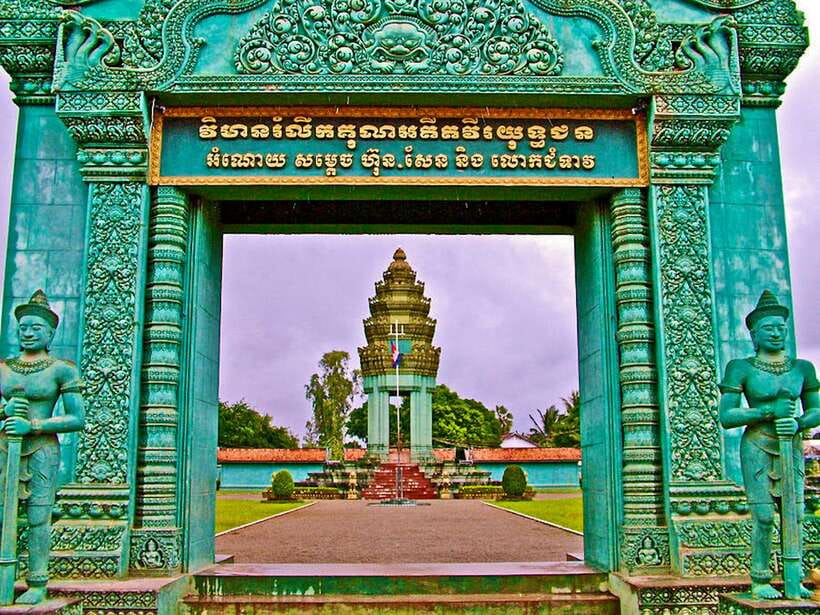
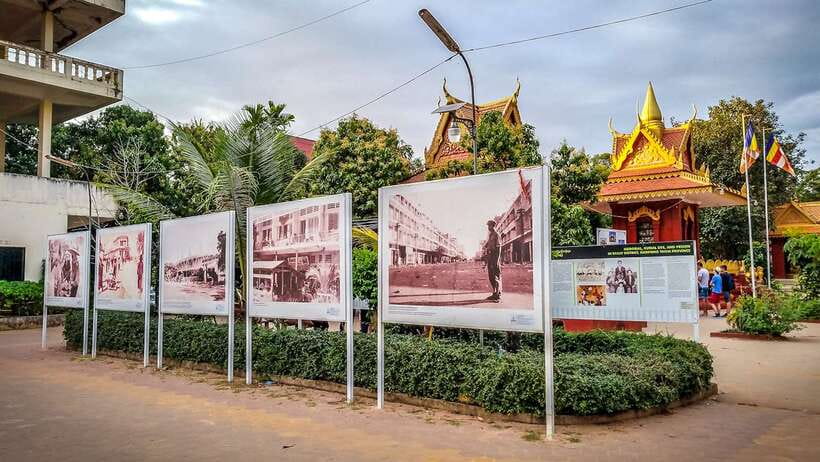
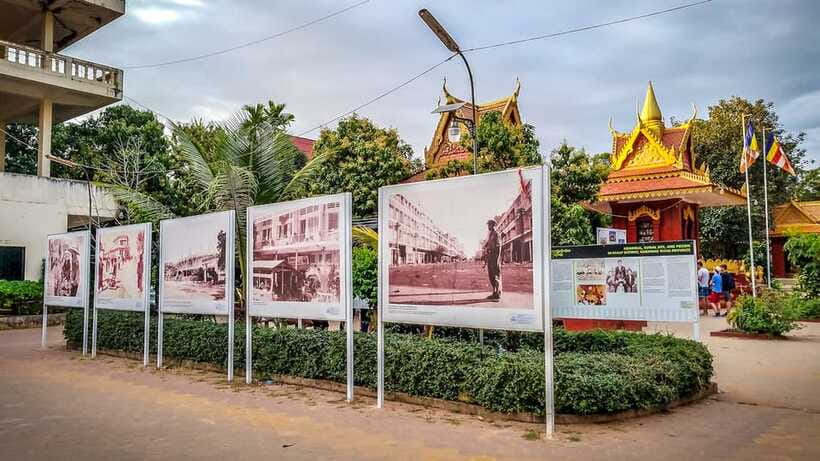
Wat Thmei is the most emotionally difficult stop. It is one of the sites connected to the killing fields of the Khmer Rouge period, and the visit is intended to help you understand the scale and cruelty of that era. The setting is a temple, but the subject is not presented as ordinary temple sightseeing.
Your guide leads the visit and explains the site in context. That matters because a brief look at a memorial can leave you with little sense of what happened or why the place matters. A good guide can help you approach the site with care, answer questions, and keep the focus on the people affected.
The visit lasts about two hours, making it the longest stop on the day. That gives you time to walk, listen, and pause. I would not plan another demanding attraction immediately afterward. Even if you normally move quickly through museums, Wat Thmei deserves a slower pace.
You should also dress and behave respectfully. Flash photography is not allowed, and quiet attention is appropriate. The tour information describes the site as both sad and educational, which is an accurate way to prepare yourself. You may find the visit difficult, especially if you have already read about Cambodia’s recent past, but that difficulty is part of its value.
Cambodia Landmine Museum: weapons with a personal story
The Cambodia Landmine Museum shifts the focus from mass killing to the lasting effects of war. It was established by a former child soldier and contains thousands of decommissioned landmines and other weapons. The collection gives you a direct look at the devices that continued to threaten Cambodian communities after the main fighting ended.
This is not simply a room of old military objects. The point is what those objects did, and why removing them matters. Your guide explains the impact of landmines and the wider effort to clear these dangerous remnants of war. The visit also points toward ways people can support the work of making affected areas safer.
You have about 1.5 hours here, including a guided tour and walking time. That is enough to examine the collection and ask questions without spending the whole day in one place. If you prefer history presented through real objects rather than long written accounts, this stop may be especially effective.
The museum can also be hard to take in. Thousands of mines and weapons make the problem feel physical, not distant. The tour’s wider message is useful: Cambodia’s recovery is not only about remembering the past. It also involves practical work that protects people in the present.
War Museum Cambodia: a collection from former battle zones
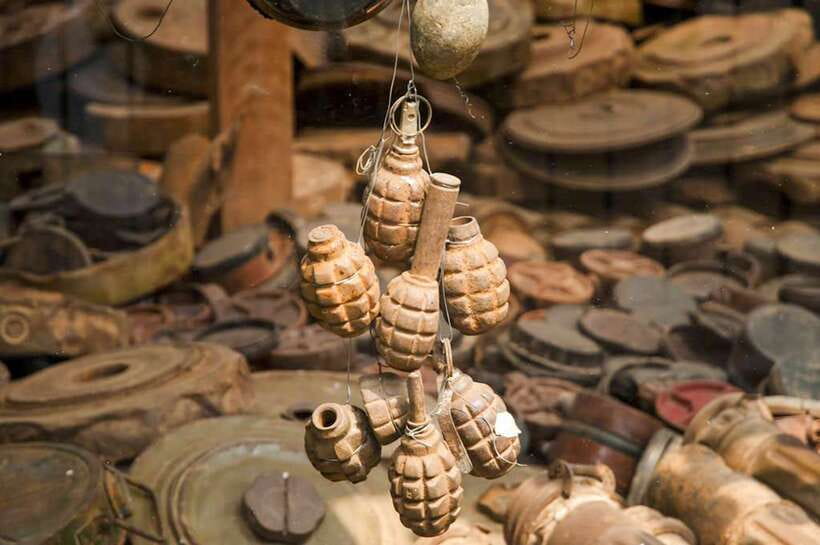
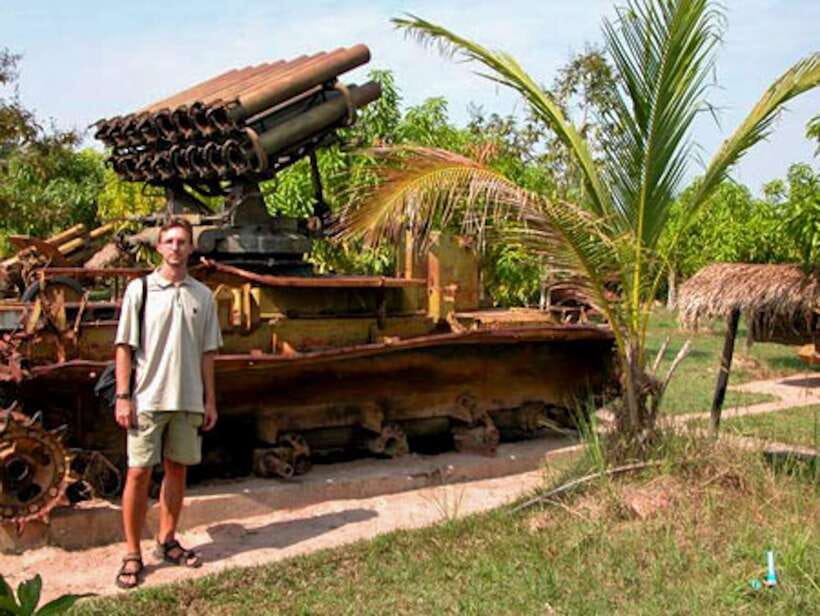
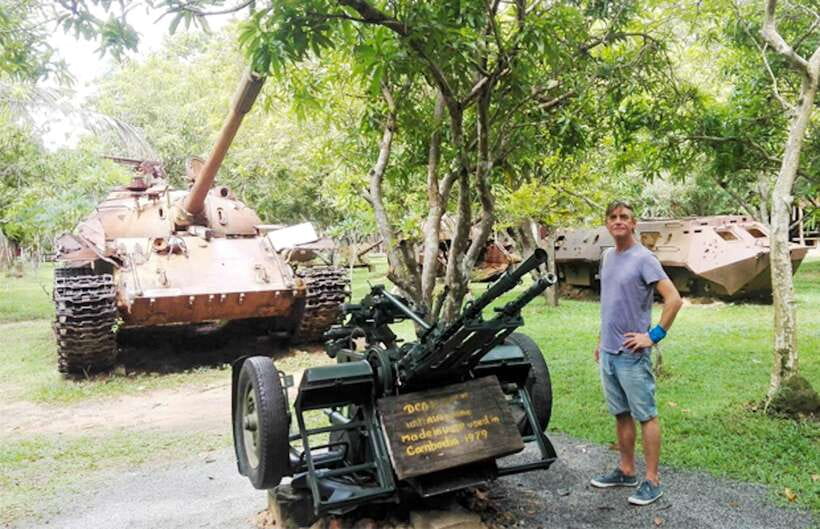
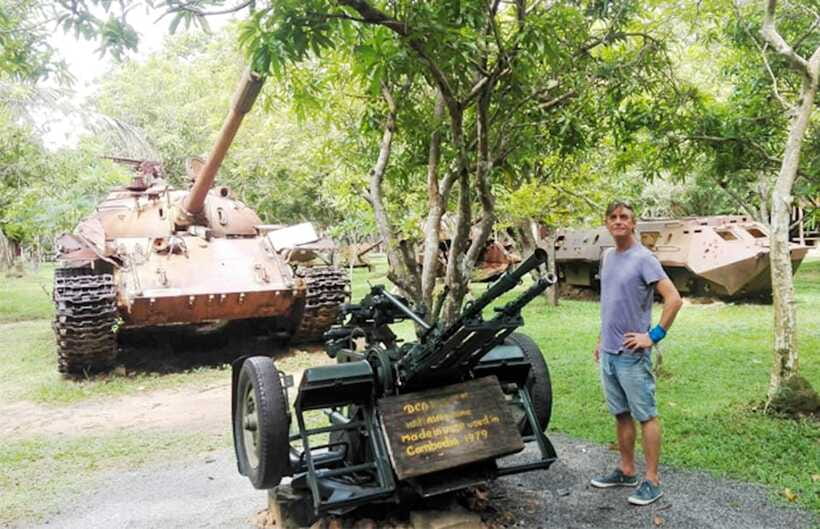
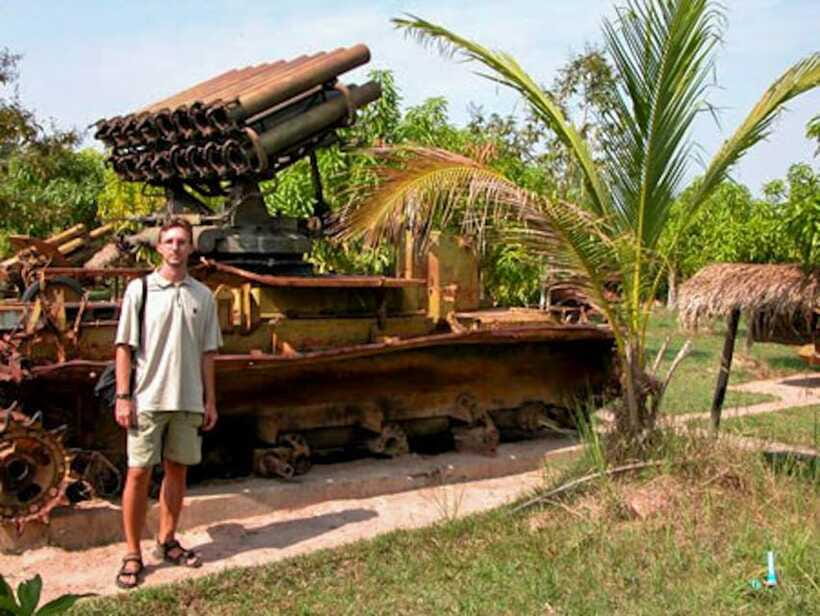
The War Museum offers a broader look at Cambodia’s conflict history through weapons and military equipment gathered from places where fighting occurred, including Anlong Veng, Siem Reap, and Odor Meangchey. The collection has been growing since 1999, giving the museum a long-running connection to the country’s war story.
You spend about 1.5 hours on a guided walk through the collection. This is where your guide’s ability to explain details becomes especially useful. A weapon on display can tell you its basic function, but it does not explain who used it, where it was found, or how it fits into Cambodia’s complicated past. The tour aims to supply that wider picture.
I like the contrast between this museum and the Landmine Museum. The earlier stop focuses on the continuing danger of hidden explosives. The War Museum presents the wider machinery of conflict. Together, they show how war affects a country through both direct violence and long-term damage.
The drawback is that a collection of weapons can feel less personal than Wat Thmei. Much depends on the guide and your own attention. The positive sign here is that the guide is with you rather than leaving you alone among objects with limited context. Guides such as Sok Vuthy and Buth Veasna have received particular praise for clear, passionate explanations, and that quality is valuable at this stop.
A completely different kind of day out from Siem Reap:
- Angkor Wat Sunrise or Sunset Tour with Guide from Siem Reap
★ 5.0 · 12,109 reviews - Siem Reap: Angkor Wat: Small-Group Sunrise or Sunset Tour
★ 5.0 · 9,444 reviews - From Siem Reap: Kampong Phluk Floating Village Tour by Boat
★ 4.9 · 6,979 reviews - Sunset tour of Kampong Phluk stilts home village on the Tonle Sap
★ 5.0 · 4,865 reviews
The road time between stops
The full day includes several van journeys. The listed schedule allows about one hour between the Landmine Museum and the War Museum, another hour afterward, then about 45 minutes before Wat Thmei, followed by roughly 30 minutes returning to Siem Reap. In total, you should expect around three hours of transport.
That may sound like lost sightseeing time, but it is also a practical reason to choose an organized tour. The museums are not all clustered together in the center, and hotel pickup removes the need to arrange separate transport to each one. You can sit back, drink the supplied cold water, and let the guide connect the stops as the day progresses.
The van rides are also your chance to rest. The subject is intense, and the pauses between sites may help you reset before the next visit. On the other hand, anyone hoping for a packed day with constant activity may find the road time frustrating. I would treat this as a history day with transport, not as eight hours of nonstop museum time.
Pickup is included from hotels in Krong Siem Reap. You are asked to wait in the hotel lobby 20 minutes before the scheduled pickup. Since the exact starting time depends on availability, check the time carefully when booking and keep your morning flexible.
What the $78 price really covers
At $78 per person, this is not the cheapest way to spend a day in Siem Reap. Its value depends on how much you want the historical explanation and the convenience of having the three admissions and transport handled together.
The price includes hotel pickup and drop-off, an English-speaking guide, museum entries, cold water, and a wet towel. Food and soft drinks are extra, as are souvenirs. You should plan your own meal arrangements, since no food stop or meal is listed as part of the experience.
The strongest value is the guide. Without one, you could still see the displays, but the connections between the Khmer Rouge period, landmines, military equipment, and national recovery would be harder to follow. A guide who explains with care turns three separate places into one coherent day.
The transport also matters. Hiring separate rides to remote or outlying attractions could take more planning, and you would lose the benefit of one person linking the visits. If you already have private transport and prefer to read at your own pace, the price may feel high. If you want a single English-language program with entries included, it is easier to justify.
How to prepare for an emotionally heavy day
Start with the right expectations. This tour deals with killing, weapons, landmines, and the aftermath of conflict. It is educational, but it is not designed to entertain you in the usual sightseeing sense.
Wear comfortable clothes suitable for walking and respectful visits. Bring water beyond the supplied bottle if you need plenty of fluids, though the tour does provide cold water and a wet towel. Since food is not included, eat before pickup or arrange food for the day according to your schedule.
Keep your camera use discreet and remember that flash photography is not allowed. At Wat Thmei especially, take your cue from the setting. A quiet pause can be more appropriate than trying to record every detail.
I would also avoid pairing this tour with another major historical attraction on the same day. The schedule already runs about eight hours, and the emotional weight can make the day feel longer than a standard museum outing. Give yourself an easy evening afterward.
The experience is listed as wheelchair accessible, which is useful for visitors who need that feature. Still, the itinerary includes guided walks at all three main sites, so you may want to confirm any particular mobility needs when arranging the booking.
Who will get the most from this experience
I recommend this tour most strongly to you if you want context beyond the temples. It suits history-minded visitors, students, families with older children, and anyone who wants to understand the modern country rather than seeing only its ancient monuments.
It also works well if you prefer a guide-led day. The strongest comments about the experience focus on the guides, especially Sok Vuthy and Buth Veasna. Their clear and passionate approach can make difficult information easier to follow and remember.
You may want to skip it if you are looking for a relaxed countryside outing, a food-focused day, or a light break between temple visits. The sites are serious, and the road time is substantial. You should also consider your own comfort with war memorials before booking.
The tour is suitable for English speakers because the live guide language is English. Free cancellation is available up to 24 hours before the activity, and you can reserve now and pay later, which helps if your Siem Reap plans are still changing.
Should you book the Siem Reap war museum tour?
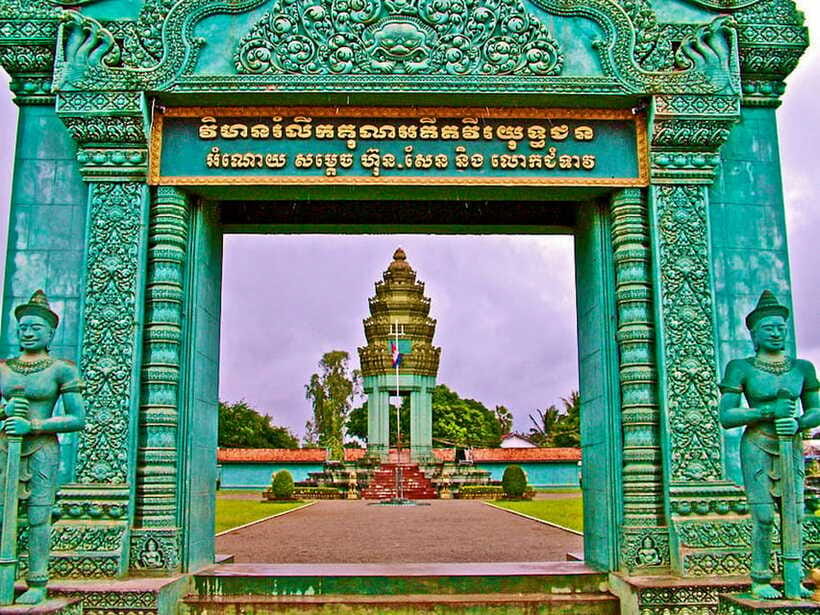
Book it if you want a guided, organized explanation of Cambodia’s recent past and you are willing to give a full day to difficult subjects. The combination of Wat Thmei, the Landmine Museum, and the War Museum is stronger than visiting one site alone, because each stop adds a different piece of the story.
The price is fair for the included transport, admissions, guide, and hotel service, though not a bargain if you already have a vehicle and prefer independent visits. I would especially choose it when the guide assignment is confirmed with someone such as Sok Vuthy or Buth Veasna, whose praised teaching style is a major part of the experience.
Skip it for now if your trip is too short for an eight-hour history day or if you need a cheerful, low-pressure activity. For everyone else, this is a serious but worthwhile way to look beyond Angkor and understand the pain, endurance, and continuing recovery of Cambodia.
FAQ
How long does the tour last?
The tour lasts eight hours. Check availability for the starting time.
What attractions does the tour visit?
It visits the Cambodia Landmine Museum, War Museum Cambodia, and Wat Thmei Killing Fields.
Is hotel pickup and drop-off included?
Yes. Pickup and drop-off in Krong Siem Reap are included. You should wait in your hotel lobby 20 minutes before the scheduled pickup time.
Is a guide included?
Yes. The tour includes a live English-speaking guide.
Are entrance fees included?
Yes. Museum entries are included in the price.
What is not included?
Food, soft drinks, and souvenirs are not included. The tour does provide cold water and a wet towel.
Just added around Siem Reap
- Private Battambang Full-Day Guided Tour★ 4.5 · 3 reviews
- Kulen Mountain, Beng Mealea and Banteay Srei Full Day Tour★ 5.0 · 3 reviews
- Kompong Pluk Tour★ 5.0 · 3 reviews
- Private 3 Day Tour to Discover the ancient temples★ 5.0 · 3 reviews
- Cambodia: Absolute Traditional Dance Show with Buffet Dinner★ 5.0 · 3 reviews
- Kulen National Park Ticket -Waterfall & 1000 Lingas★ 5.0 · 3 reviews
- Border Transfer (Siem Reap to Laos/Laos to Siem Reap)★ 3.5 · 3 reviews
- Best Taxi Siem Reap to Battambang – English Speaking Driver★ 4.5 · 3 reviews
Museums, compared.
The Killing Field and Toul Sleng Genocide Museum (S21) Tour
Read our review →
Killing field and Toul Sleng genocide museum Tour
Read our review →
Private Half Day To Killing Field & S21 Genocidal Museum in Phnom Penh
Read our review →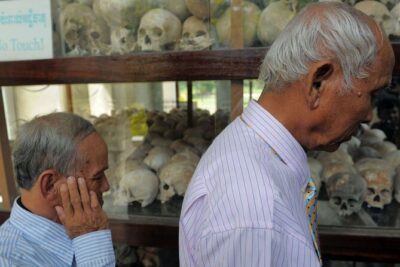
Tuol Sleng Genocide Museum (S-21) and Choeung Ek Killing Fields Tour
Read our review →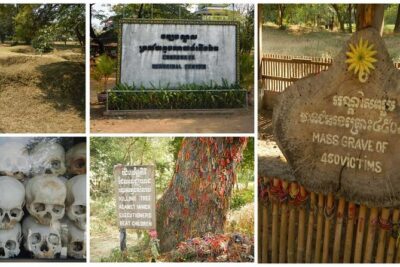
Phnom Penh City Tour, Silver Pagoda, Genocide Museum, Killing Fields
Read our review →
Bantey Srei, Kbal Spean and Landmine museum Private Tuk-Tuk
Read our review →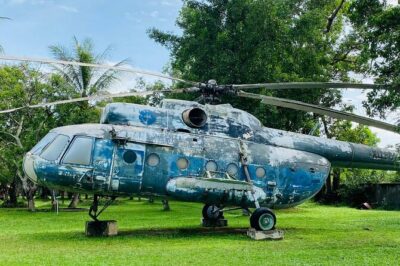
Siem Reap City Tour with War Museum and Killing Field
Read our review →The killing field and Toul Sleng Genocide museum (S21) Tour
Read our review →Browse the lists this tour appears in