
Reviewed · MUSEUMS
Siem Reap: War Museum included Ticket & Free Round trip
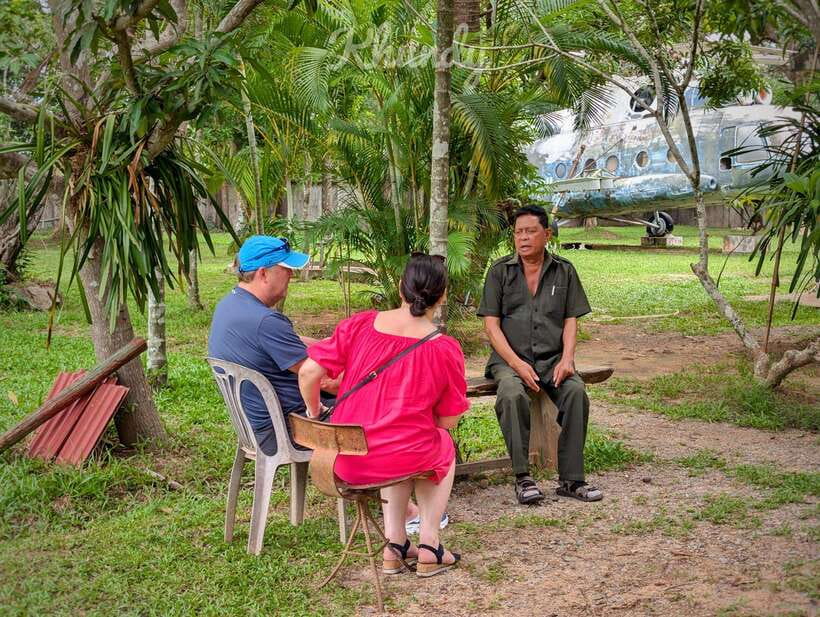
War relics sit beneath Siem Reap’s open sky. This two-hour outing pairs a tuk-tuk ride with Cambodia’s only war museum, where you can walk among artillery, military vehicles, weapons, clothing, and photo boards. I like the small-group format, limited to 10 people, and I like that round-trip transport and the entrance fee are included. The main drawback is clear: the vehicles are not restored, so this is more of an outdoor historical collection than a polished museum.
You can also gain more than a quick look at old machinery. An English-speaking driver takes you from your hotel and back again, while some visits include a veteran who can explain the war from personal experience. Savady, also spelled Sovaday in the booking information, receives especially warm praise for being helpful, engaging, and supportive. Still, the museum’s information boards and exhibits may feel basic if you expect a modern, highly designed institution.
In This Review
- Key points at a glance
- Why this short museum visit matters in Siem Reap
- The tuk-tuk pickup keeps the outing simple
- Walking through the open-air vehicle collection
- Guns, clothing, and smaller objects add human scale
- Photo boards provide the basic historical frame
- Meeting the difficult past with care
- Is $19 a fair price?
- Who will get the most from this experience?
- Practical details before you reserve
- Should you book the Siem Reap War Museum visit?
- FAQ
- Where is the War Museum experience located?
- What does the $19 price include?
- How long does the activity last?
- Is hotel pickup provided?
- What language is available?
- Can I cancel or pay later?
Key points at a glance
- A rare Cambodian war collection: This is described as the only war museum in Cambodia.
- An open-air museum garden: You walk along paths among large military vehicles and artillery rather than moving through indoor galleries.
- Khmer-era equipment: The collection includes vehicles used during the Khmer regime, along with guns, clothing, and other military items.
- A personal human element: A veteran may provide additional information, giving difficult events a more direct voice.
- Easy hotel transport: Your tuk-tuk driver collects you and returns you after the visit.
- A short, focused outing: The activity lasts about two hours and costs $19 per person, including admission and transport.
Why this short museum visit matters in Siem Reap
Siem Reap is best known for Angkor, but Cambodia’s modern past deserves time too. This experience gives you a way to learn about war, daily life, and the country’s difficult recent story without committing half a day to a distant excursion.
The museum is not presented as a large indoor institution with carefully restored displays. Instead, it is a broad garden containing vehicles and military objects. That setting changes the feel of the visit. You can walk at your own pace, pause beside a tank or artillery piece, and read background information from large boards placed around the grounds.
I find this useful because the collection makes military history physical. A photograph can show you a vehicle, but standing beside the actual machine gives you a better sense of its size and hard, practical design. The worn condition also tells you something about the objects themselves. These are not shiny display pieces rebuilt for a showroom.
At the same time, you should arrive with sensible expectations. The vehicles are not restored, and the museum’s appeal comes from the objects and the subject matter rather than elaborate presentation. If you prefer polished galleries, interactive screens, or a carefully staged route, you may find the visit plain.
A few more trips worth weighing up
- Bantey Srei, Kbal Spean and Landmine museum Private Tuk-Tuk
★ 4.7 · 30 reviews - Siem Reap City Tour with War Museum and Killing Field
★ 5.0 · 27 reviews - Private Tour: HERO Rats & Angkor National Museum
★ 4.5 · 16 reviews
The tuk-tuk pickup keeps the outing simple
Your driver collects you at your hotel in Siem Reap and accompanies you to the museum. After the visit, the same service returns you to your hotel, so you do not need to arrange separate transport or work out the museum’s location on your own.
That matters in a city where a short outing can become less convenient once you add transport, waiting, and negotiation. The included round trip gives the activity a clear beginning and end. You can book it as a compact break from temple sightseeing, rather than treating it as a major day trip.
The transport is by tuk-tuk, which suits the local setting and keeps the ride informal. The driver speaks English, so you can ask basic questions during the outing. The group is limited to 10 participants, though the exact feel of the ride may depend on how many people book your departure.
The driver is not simply a chauffeur in the feedback provided. Savady is praised for being a lovely and helpful guide, while another account describes him as engaging, knowledgeable, and supportive. I would still treat the driver’s guiding role as an added benefit rather than a guaranteed full museum lecture. The official details promise an English-speaking driver, not a specialist historian.
Walking through the open-air vehicle collection
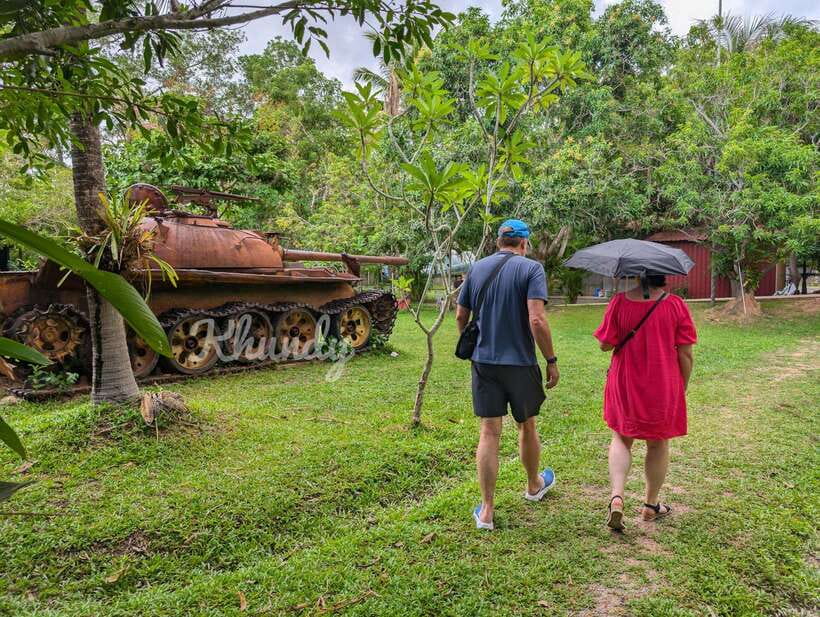
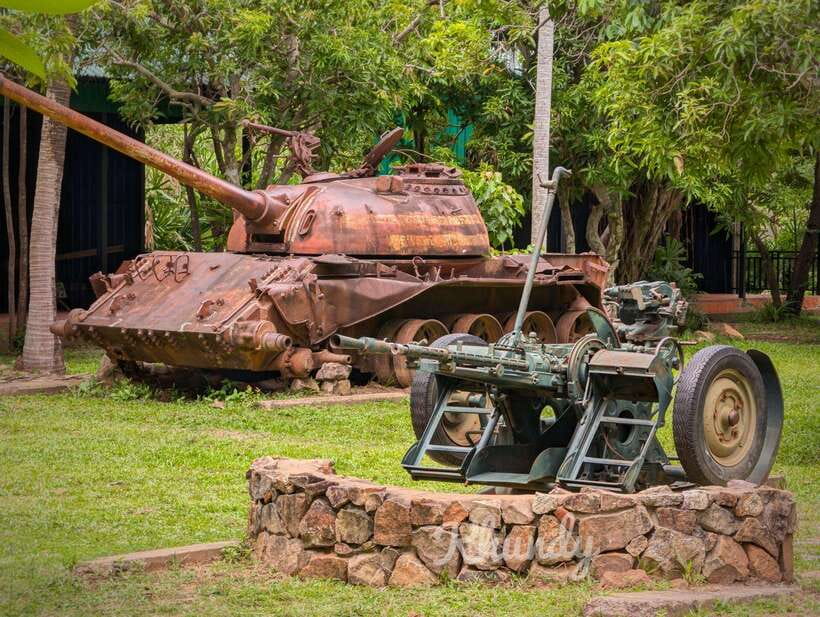
When you arrive, expect a garden rather than a traditional museum building. Paths lead you past a wide range of vehicles and artillery used during Cambodia’s periods of conflict, including equipment associated with the Khmer regime.
The open-air layout lets you see the objects from different angles. You can walk close to the vehicles, notice their size, and compare different types of equipment as you move through the grounds. This is a more direct experience than viewing small models or photographs behind glass.
The condition of the collection is part of the story. The vehicles have not been restored, so paint, metal, and surfaces may show age. You should not expect moving parts, pristine interiors, or a freshly renovated military park. The museum itself is described as well maintained, but the vehicles are intentionally left in their existing condition.
For me, that creates a useful contrast. The paths and grounds provide order, while the worn equipment keeps the subject from feeling too clean or theatrical. You are looking at old machines connected to real conflict, not decorative replicas. The drawback is that a visitor looking for technical detail about every vehicle may need to rely on the information boards or the guide.
Guns, clothing, and smaller objects add human scale
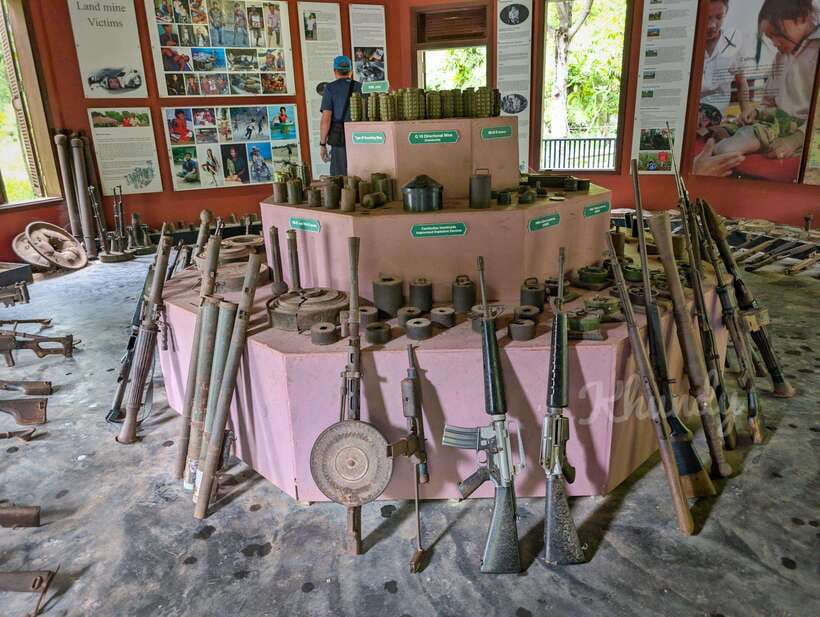
Large military vehicles naturally attract attention, but the smaller objects can make the visit more readable. Along the paths, you may see guns, clothing, and other military artifacts.
These items help shift your focus from machinery to people. A vehicle tells you about military power. Clothing and personal equipment suggest the practical conditions in which people lived and fought. The collection therefore offers more than a line of oversized hardware, even if the larger objects are the first things you notice.
The displays are spread through the garden, so do not rush only from one vehicle to the next. Take time to look at the smaller items and the boards that explain the wider setting. The museum’s stated aim includes learning about Cambodian culture, civilization, and present-day living standards, not only weapons and battles.
That wider aim is important. Cambodia’s wartime past is not separate from modern Cambodian life. The experience connects military history with the country’s sad stories and the changes that followed. You will not get a full academic history course in two hours, but you can gain a more grounded sense of the human cost behind the equipment.
A completely different kind of day out from Siem Reap:
- Angkor Wat Sunrise or Sunset Tour with Guide from Siem Reap
★ 5.0 · 12,109 reviews - Siem Reap: Angkor Wat: Small-Group Sunrise or Sunset Tour
★ 5.0 · 9,444 reviews - From Siem Reap: Kampong Phluk Floating Village Tour by Boat
★ 4.9 · 6,979 reviews - Sunset tour of Kampong Phluk stilts home village on the Tonle Sap
★ 5.0 · 4,865 reviews
Photo boards provide the basic historical frame
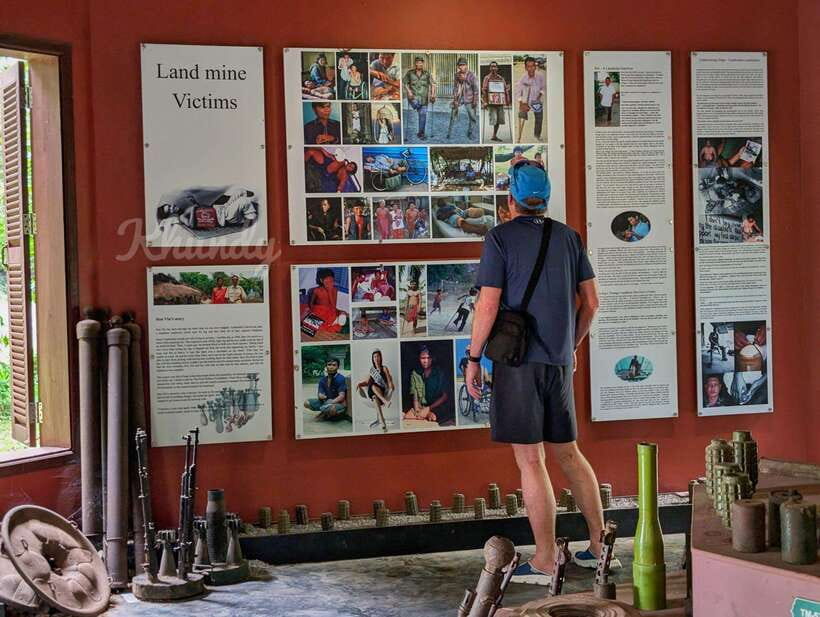
Several large boards display photographs and background information. These boards help you place the vehicles and artifacts in context, which is especially useful if you arrive without much knowledge of Cambodian history.
I would pay close attention to them rather than treating the garden as a quick photo stop. The machinery alone cannot explain who used it, why it mattered, or how it fits into Cambodia’s past. The photos and written material give the collection a clearer purpose.
The amount of explanation may vary from one board to the next, and the information is not described as a full museum-style audio program. That is where an English-speaking driver or a veteran guide can make a difference. One particularly positive account describes a veteran sharing extensive information about the war. If that person is present during your visit, the experience may become far more personal than the displays alone can provide.
You should keep the distinction in mind: a veteran guide may be available as part of the visit, but the confirmed service is hotel transport with an English-speaking driver. Ask your driver what kind of guidance is planned when you are collected.
Meeting the difficult past with care
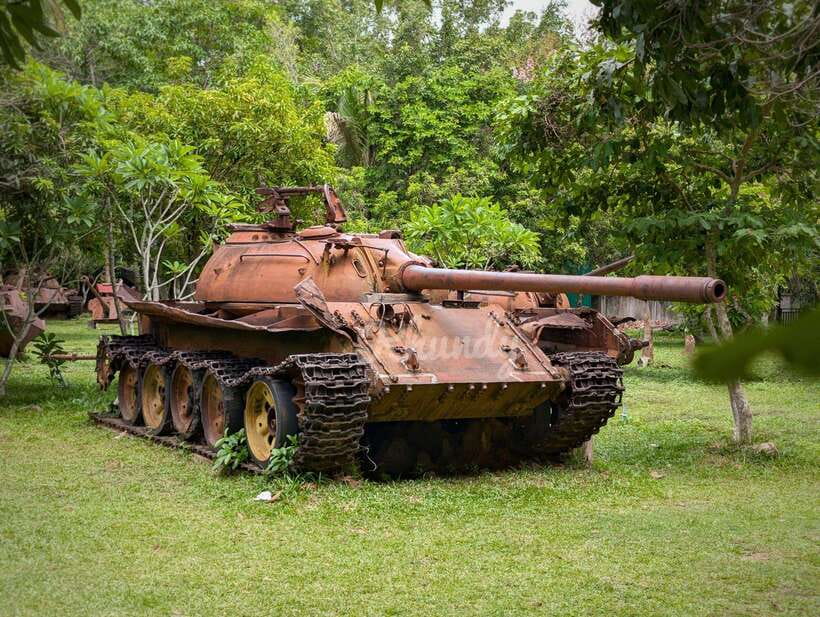
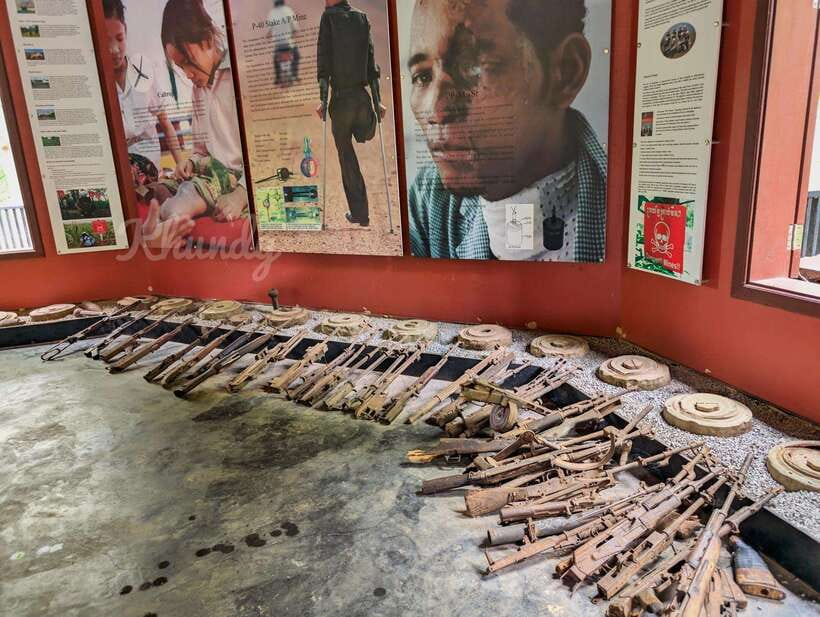
This is not a light attraction. The museum deals with war and the Khmer regime, including painful chapters in Cambodia’s past. The material may be emotionally difficult, and the setting does not remove that weight.
The experience can be valuable precisely because it does not treat Siem Reap as only a place of temples and pleasant holiday scenery. You learn about the country’s sad stories while standing among objects connected to those events. That can make your time in Cambodia feel more honest and complete.
At the same time, the visit is brief. You should not expect every period, political question, or personal story to receive equal attention. The museum offers an introduction through objects, photographs, and conversation. If you want a detailed account of the Khmer regime or Cambodia’s modern political history, you would need additional reading or another specialized museum visit.
I recommend approaching the museum with patience and respect. Give the boards your attention, listen carefully if a veteran or guide speaks with you, and avoid treating the equipment as simple photo props. The most meaningful part of the visit may be the story attached to an ordinary-looking object.
Is $19 a fair price?
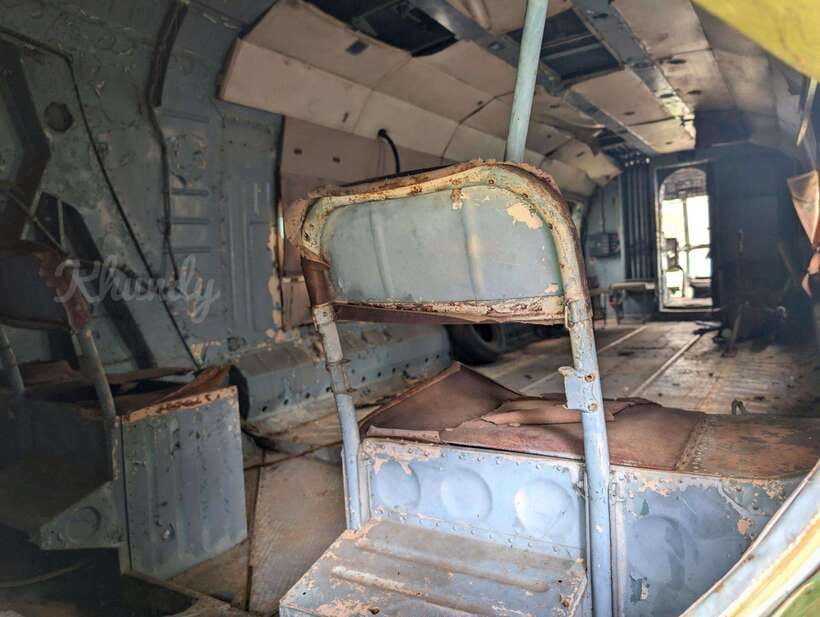
At $19 per person, the value depends on how much you would otherwise pay for transport and admission. Here, the price includes the museum entrance fee and a round-trip tuk-tuk from your hotel. That makes the outing easier to budget than arranging each part separately.
The two-hour duration also works in its favor. You are not paying for a full-day program when you only want a focused look at Cambodia’s wartime past. The activity fits neatly into a morning or afternoon, provided the available starting time matches your schedule.
I would not book it for the vehicle collection alone if you expect restored military hardware or a large indoor museum. The value comes from the combination of access, transport, historical objects, and the possibility of personal explanation from a veteran or attentive driver.
The overall rating is 4.1 from seven reviews, with strong praise for the driver experience. The clearest pattern is the quality of the human contact: Savady is described as a fantastic host, and the driver is praised for being helpful and supportive. That is worth noting because a small museum can feel much more rewarding when someone helps you understand what you are seeing.
Who will get the most from this experience?
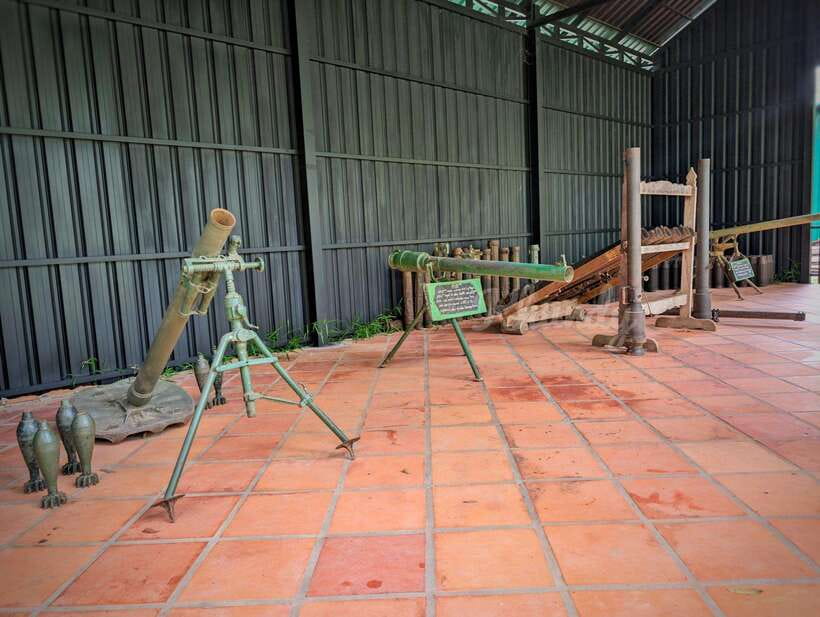
I would recommend this outing to you if you want a compact history stop between temple visits. It suits people who prefer real objects and local explanation over a heavily designed attraction. The open-air format also works well if you like walking around exhibits rather than following a fixed indoor route.
It is a good choice for anyone who wants to understand more about modern Cambodia. The experience addresses culture, civilization, daily living standards, and the country’s painful past, so it can add important context to a Siem Reap visit.
Families and mixed-age groups may appreciate the large vehicles because they are easy to see and immediately understandable. Still, the subject is serious, and adults should decide how much discussion is suitable for younger children. The available information does not provide an age recommendation.
You may want to skip it if your schedule is already packed with museums, or if you only have time for Angkor’s main temples. You may also prefer another attraction if you need extensive written interpretation, restored vehicles, or a fully guided historical lecture.
Practical details before you reserve
The activity lasts two hours, and you need to check the available starting times before booking. Since the driver collects you from your hotel, make sure your pickup details are accurate and be ready at the agreed time.
The group is limited to 10 participants, which is smaller and more manageable than a large coach excursion. A small group can make it easier to hear the driver and ask questions, though the information provided does not guarantee a private tour.
English is the stated language for the activity. The driver speaks English, and one highly praised visit included a veteran who provided extensive information about the war. I would ask about the guide arrangement at pickup if personal commentary is important to you.
You can cancel up to 24 hours in advance for a full refund. You can also reserve now and pay later, which helps if your Siem Reap plans are still changing. These terms are useful, but the real decision is whether the museum’s simple, open-air style matches your interests.
Should you book the Siem Reap War Museum visit?
Book it if you want a short, affordable way to learn about Cambodia beyond Angkor. The included tuk-tuk, entrance ticket, small-group format, and chance to hear from an English-speaking driver make it easy to fit into your plans.
I would especially choose it for the personal side of the experience. Savady’s warm, supportive approach receives the strongest praise, and a veteran’s account can add depth that display cases cannot provide. Just remember that the vehicles are not restored and the museum is more functional than polished.
If you approach the visit as a thoughtful historical stop rather than an entertainment attraction, the $19 price is reasonable. You will see military equipment, but the greater value lies in pausing to understand the people and painful events connected to it.
FAQ
Where is the War Museum experience located?
The experience takes place at the War Museum in Siem Reap Province, Cambodia.
What does the $19 price include?
The price includes the museum entrance fee and round-trip transportation by tuk-tuk from your hotel.
How long does the activity last?
The activity lasts two hours. You need to check availability for the starting times.
Is hotel pickup provided?
Yes. The tuk-tuk driver collects you from your hotel and returns you there after the museum visit.
What language is available?
The driver speaks English, and English is the listed language for the activity.
Can I cancel or pay later?
You can cancel up to 24 hours in advance for a full refund. You can also reserve your place and pay later.
Just added around Siem Reap
- Private Battambang Full-Day Guided Tour★ 4.5 · 3 reviews
- Kulen Mountain, Beng Mealea and Banteay Srei Full Day Tour★ 5.0 · 3 reviews
- Kompong Pluk Tour★ 5.0 · 3 reviews
- Private 3 Day Tour to Discover the ancient temples★ 5.0 · 3 reviews
- Kulen National Park Ticket -Waterfall & 1000 Lingas★ 5.0 · 3 reviews
- Cambodia: Absolute Traditional Dance Show with Buffet Dinner★ 5.0 · 3 reviews
- Border Transfer (Siem Reap to Laos/Laos to Siem Reap)★ 3.5 · 3 reviews
- Siem Reap Countryside Sunset Vespa Tour or Tuk Tuk★ 4.5 · 3 reviews
Museums, compared.
The Killing Field and Toul Sleng Genocide Museum (S21) Tour
Read our review →
Killing field and Toul Sleng genocide museum Tour
Read our review →
Private Half Day To Killing Field & S21 Genocidal Museum in Phnom Penh
Read our review →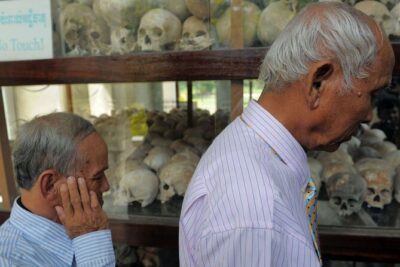
Tuol Sleng Genocide Museum (S-21) and Choeung Ek Killing Fields Tour
Read our review →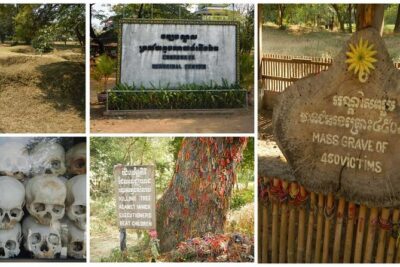
Phnom Penh City Tour, Silver Pagoda, Genocide Museum, Killing Fields
Read our review →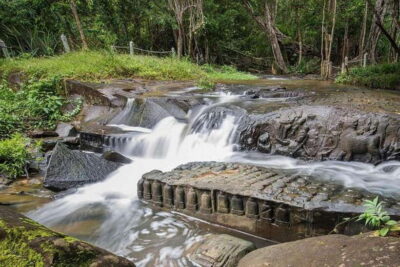
Bantey Srei, Kbal Spean and Landmine museum Private Tuk-Tuk
Read our review →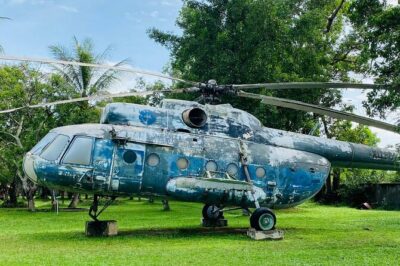
Siem Reap City Tour with War Museum and Killing Field
Read our review →The killing field and Toul Sleng Genocide museum (S21) Tour
Read our review →Browse the lists this tour appears in