
Reviewed · 3-DAY EXPERIENCES
3 Days Siem Reap Explorer – Small Group
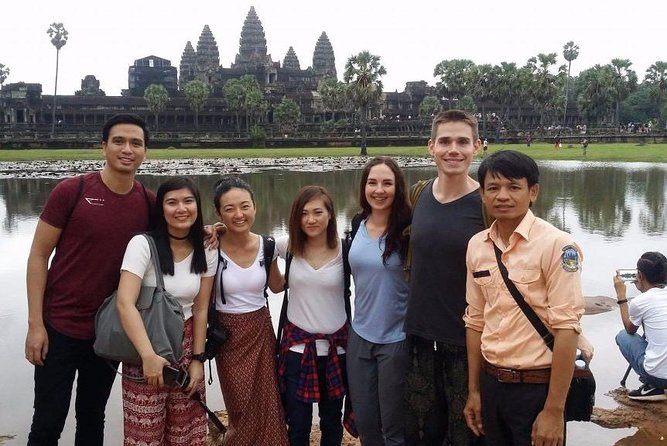
Angkor Wat rewards an early start. This three-day tour combines sunrise at Angkor Wat, the major temples around Siem Reap, Tonlé Sap Lake, and a Phare Circus performance option in a group capped at 15 people. I especially like the mix of famous monuments and present-day Cambodian life, plus the chance to travel with a licensed English-speaking guide rather than simply being dropped at temple gates.
I also like the sensible route through Angkor, which gives you the major sights over two temple days instead of cramming everything into one exhausting circuit. The main drawback is cost clarity: the advertised price is $129 per person, but the required three-day temple pass adds $62, and meals are extra. The pre-dawn departure on Day 2 also demands a very early night.
In This Review
- Five details that shape the experience
- Why three days works well around Siem Reap
- Day 1: Kampong Phluk and the changing waters of Tonlé Sap
- Bakong and the early Khmer temples
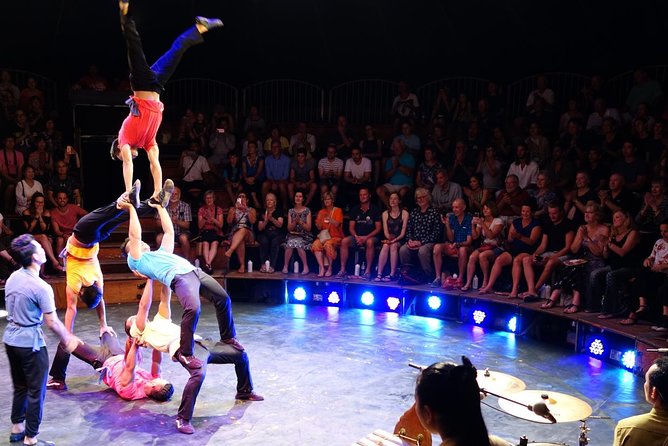
- Phare Circus and Cambodia’s recent story
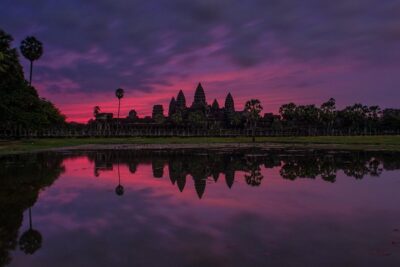
- Day 2: Angkor Wat before sunrise
- Angkor Thom, Bayon, and the royal center
- Ta Prohm, where trees share the ruins
- Day 3: Preah Khan and Neak Pean
- Banteay Srei’s fine sandstone carvings
- Pre Rup closes the temple sequence
- What the $129 price really covers
- Who should book this Siem Reap tour?
- FAQ
- How long is the Siem Reap tour?
- What is the group size?
- Is hotel pickup included?
- Is the Angkor temple pass included in the price?
- Are meals included?
- What time does the tour begin?
- Is Tonlé Sap Lake included?
- Is the Phare Circus ticket included?
- What should I wear and bring?
- Should you book it?
Five details that shape the experience
- Sunrise at Angkor Wat: Entering from the eastern side before dawn offers a quieter approach than arriving with the main crowd.
- A maximum of 15 people: The small group should make questions and guide commentary easier than on a large coach tour.
- Tonlé Sap or Phare Circus: The first day includes the lake and Kampong Phluk, or a Phare Circus show during the stated March 1 through August 31 alternative period.
- Two full days among Angkor temples: The plan covers Angkor Wat, Angkor Thom, Bayon, Ta Prohm, Preah Khan, Neak Pean, Banteay Srei, and Pre Rup.
- A required extra $62: The three-day temple pass is not included in the tour price and must be paid directly at the site.
- A guide-led experience: An English-speaking guide gives context to temples that can otherwise blur together, with Sok singled out in one especially positive account.
Why three days works well around Siem Reap
Siem Reap is easy to underestimate. A quick visit to Angkor Wat can give you the famous towers and a few photographs, but the archaeological park is much more than one monument. Its temples differ in age, design, condition, and purpose. Three days gives you time to see the best-known sites without treating each one as a rushed photo stop.
The schedule also adds two very different sides of Cambodia. Kampong Phluk introduces life around Tonlé Sap Lake, where traditional Khmer stilt houses respond to the lake’s changing water levels. Phare Circus brings a modern cultural performance with roots in Cambodia’s post-Khmer Rouge recovery. That range is one of the tour’s strongest features.
You travel in an air-conditioned vehicle with hotel pickup and drop-off. That matters in Siem Reap, where moving between the town, lake, and widely scattered temples can take time and become tiring in the heat. Mineral water is included, but you choose and pay for your own meals.
The group limit of 15 is useful here. You are not alone, but the group is small enough for the guide to keep people together and answer questions. The experience is still organized touring, not independent wandering, so you should be comfortable following a set timetable.
A few more trips worth weighing up
- From Siem Reap: Angkor Wat and Floating Village 3-Day Trip
★ 5.0 · 100 reviews - 3-Day Angkor Wat with All Interesting Major Temples, Banteay Srei & Beng Mealea
★ 5.0 · 70 reviews - 3-Day Angkor Wat & All Interesting Major Temples & Kulen Mount Waterfall
★ 5.0 · 63 reviews
Day 1: Kampong Phluk and the changing waters of Tonlé Sap
The first morning begins around 7:30 a.m. with a drive through the Cambodian countryside to Tonlé Sap Lake. The tour information also gives an 8:00 a.m. start time, so confirm your exact hotel pickup when booking. The difference matters if you are planning breakfast or arranging another morning activity.
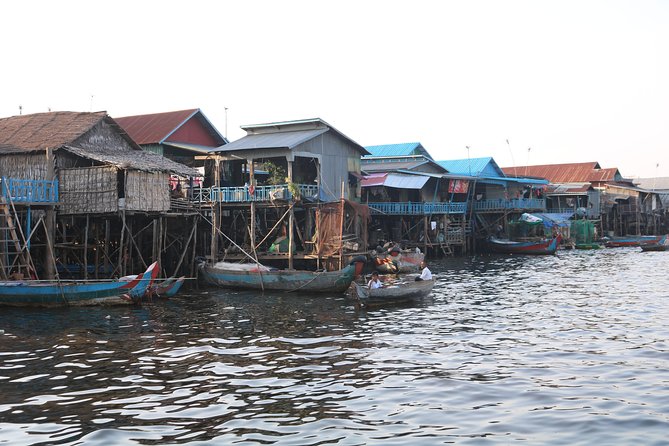
Tonlé Sap is one of Southeast Asia’s great freshwater systems. Its size changes dramatically through the year, reaching about 12,000 square kilometers during the swollen season. At Kampong Phluk, the focus is not only the boat ride but also the way homes and daily life adapt to those seasonal waters.
You will see traditional Khmer stilt houses and a fishing community built around the lake. The boat cruise and entrance fee are included, which makes this part easier to budget. It is also a useful counterpoint to Angkor’s stone monuments: here, the story is about living communities, fishing, transport, and water.
The lake visit lasts about three hours. That is long enough to make the trip worthwhile, but conditions can vary with the season. The description specifically notes an alternative during the dry-season period from March 1 through August 31: instead of Tonlé Sap, the group may attend Phare Circus. Ask before departure which version is operating during your dates.
Bakong and the early Khmer temples
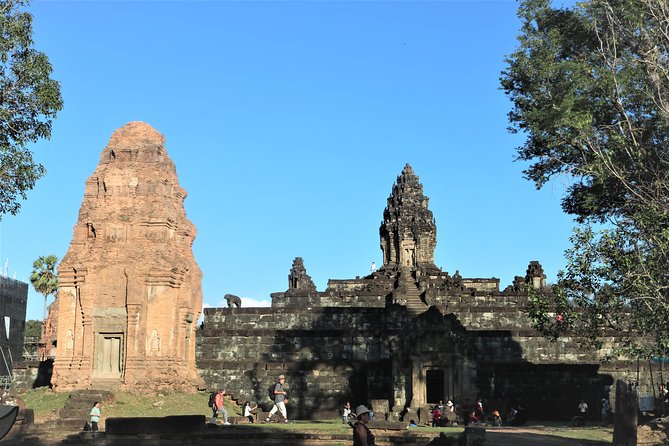
After the lake section, the route turns to Bakong, one of the important temples in the Roluos area. These ruins date to the ninth-century reign of King Indravarman I, making them some of the earliest major Khmer monuments in the Siem Reap area.
Bakong helps you see how Khmer temple design developed before the grandest Angkor period. The site is not simply another ruined sanctuary. It gives the first chapter in a longer architectural story, one that becomes easier to follow when you later see Angkor Wat, Bayon, and the other royal complexes.
The listed visit is about three hours, including the wider Roluos exploration. That makes Day 1 more substantial than a simple lake excursion. The temple admission is not included at the individual stop level, but the required three-day pass covers the Angkor temple visits and is paid separately.
The drawback is the day’s length. After an early start, a three-hour lake visit and a substantial temple stop may leave you ready for a quiet evening. If Phare Circus replaces the lake portion, you will instead have a performance later in the day, with a stated two-hour duration and Seat C admission included.
Phare Circus and Cambodia’s recent story
Phare is not just an acrobatics show added to fill an evening. It has post-Khmer Rouge origins and presents Cambodian performers through music, movement, theater, and acrobatics. The inclusion gives the tour a cultural experience rooted in modern Cambodia rather than only ancient monuments.
The performance option is especially useful if your travel dates fall within the stated dry-season alternative period. Seat C is included, so you will not need to add a separate performance ticket. The exact arrangement should be confirmed because the schedule describes Phare as an alternative to the Tonlé Sap visit, not necessarily an addition to it.
If you want both the lake and the circus, ask the operator before booking. The supplied schedule presents them as interchangeable for that period. That is an important point, since the phrase three days can otherwise make you assume every listed stop is included every day of the year.
A completely different kind of day out from Siem Reap:
- Angkor Wat Sunrise or Sunset Tour with Guide from Siem Reap
★ 5.0 · 12,109 reviews - Siem Reap: Angkor Wat: Small-Group Sunrise or Sunset Tour
★ 5.0 · 9,444 reviews - From Siem Reap: Kampong Phluk Floating Village Tour by Boat
★ 4.9 · 6,979 reviews - Sunset tour of Kampong Phluk stilts home village on the Tonle Sap
★ 5.0 · 4,865 reviews
Day 2: Angkor Wat before sunrise

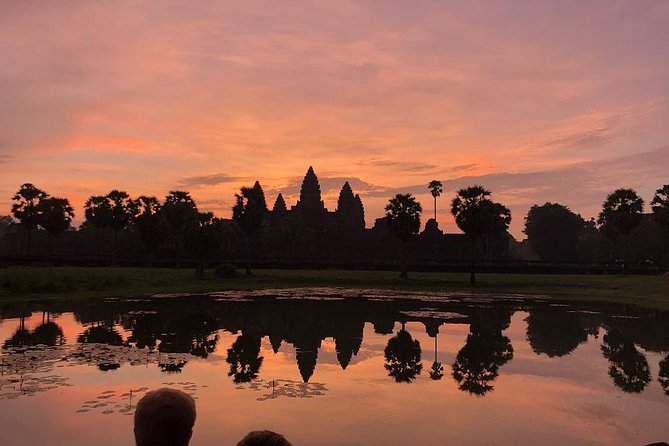
Day 2 is the tour’s headline morning. Pickup begins between 4:00 and 4:30 a.m., depending on the season, for sunrise outside Angkor Wat. Plan on going to bed early. This is not a casual morning outing, and the tour will be much more enjoyable if you treat the previous evening as a rest period.
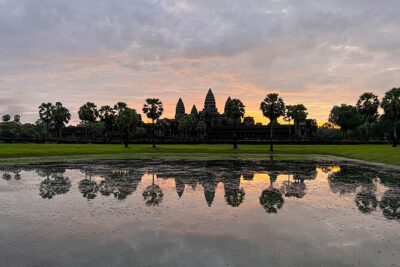
The approach uses Angkor Wat’s eastern side, described as a less-visited entrance. Entering in darkness gives the great temple a different mood from a midmorning arrival. As daylight builds, the towers and galleries become easier to read, and your guide can explain the building’s place within Khmer culture and architecture.
The Angkor Wat visit lasts about three hours. That is enough time for more than the standard front-of-the-water photograph, though the scale of the complex means you will still need to keep moving with the group. Comfortable walking shoes are recommended, and shoulders and knees must be covered inside the temples.
Angkor Wat admission is not included in the $129 tour price. You pay an additional $62 for the three-day temple pass directly at the site. That changes the true base cost to $191 per person before meals, though the pass is used across the temple days rather than for only one entrance.
Angkor Thom, Bayon, and the royal center
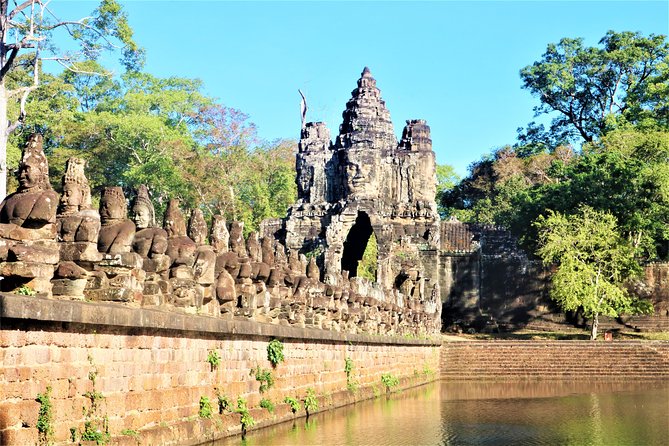
After Angkor Wat, the route continues to Angkor Thom’s South Gate. The stop is short, about 30 minutes, but it prepares you for the scale of the former Khmer capital. The gate and surrounding structures give you a sense of entering a planned royal city rather than visiting an isolated temple.
The Angkor Thom section lasts about an hour and a half. Its central highlight is Bayon, the temple famous for its large carved faces. The experience here differs sharply from Angkor Wat. Angkor Wat is symmetrical and imposing, while Bayon feels more enclosed and visually busy, with faces and reliefs appearing as you move through the stone towers.
The route also passes the Terrace of the Leper King and the Terrace of the Elephants. These are included as pass-by sights rather than long, separate visits. That is practical for a three-day schedule, but you should not expect a lengthy guided stop at every terrace.
The advantage of taking this section with a guide is context. Without some explanation, it is easy to see Bayon as another collection of stones. A guide can help you connect the temple to Angkor Thom’s role as the Khmer Empire’s capital and point out details you might otherwise walk past.
Ta Prohm, where trees share the ruins
Ta Prohm is one of Angkor’s most atmospheric stops. Tree roots press against crumbling stone, and the site has retained much of the overgrown appearance associated with its rediscovery by French explorers in the early 1850s. It also gained wider fame as the Tomb Raider temple.
The visit lasts about an hour. That is enough to see the key corridors and courtyards, but the setting can tempt you to linger. The tour format means you will have a defined window, so listen for the meeting instructions before wandering too far into the complex.
Ta Prohm is valuable because it shows a different kind of ruin. Angkor Wat’s grand lines are easier to understand, while Ta Prohm is about the tension between architecture and vegetation. It is also a good reminder that these temples were once active religious places. The site was once home to 2,740 monks.
By the end of Day 2, you will have seen the best-known Angkor sights in one demanding circuit. The plan is efficient, but not leisurely. If you prefer slow photography, long pauses, or independent exploration, a private tour may suit you better.
Day 3: Preah Khan and Neak Pean
The final temple day begins at Preah Khan, a ruined complex filled with tree roots and collapsing stone structures. Its atmosphere has some of Ta Prohm’s appeal, but the site adds another layer to the temple sequence, with different proportions and a less instantly recognizable profile.
The scheduled visit lasts about an hour. That makes it a manageable first stop, especially after the early morning of Day 2. You will still need to walk over uneven temple ground, so shoes with good support are more useful than fashionable sandals.
Next comes Neak Pean, an artificial island temple set on a circular island in the Jayatataka Baray. The visit lasts about 40 minutes. It is a shorter stop, but its island setting gives it a distinct character and breaks up the repeated pattern of courtyards, galleries, and towers.
Neak Pean is the kind of place that benefits from a guide’s explanation. The physical layout is unusual, and the surrounding waterworks are part of what makes the site meaningful. Since the stop is brief, pay attention during the introduction before taking time for photographs.
Banteay Srei’s fine sandstone carvings
Banteay Srei is one of the most detailed temples in the program. Its smaller scale and finely carved sandstone reliefs make it different from the vast royal monuments closer to Siem Reap. The craftsmanship is widely regarded as among the finest in Cambodia.
The planned visit lasts about an hour and a half. That gives you time to look closely at the ornament rather than only stepping out for a quick picture. The temple is a strong reason to appreciate the two-day temple structure, since it would be difficult to add comfortably to the sunrise circuit on Day 2.
Banteay Srei is farther from the central Angkor group than several other stops, so expect more vehicle time as part of the day. The tour includes air conditioning, which is welcome after walking in the heat. As always, the temple pass is a separate $62 charge for the three-day visit.
Pre Rup closes the temple sequence
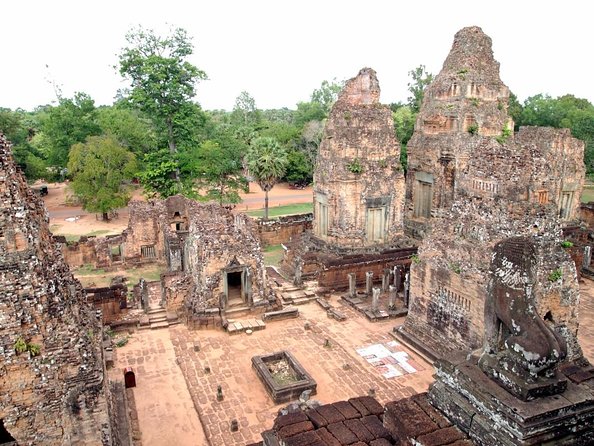
The last stop is Pre Rup, a Hindu temple mountain built as the state temple of King Rajendravarman. Construction dates to 961 or early 962. Its combination of brick, laterite, and sandstone gives it a different look from the larger sandstone complexes.
The schedule allows about an hour and a half here, including the late-afternoon portion of the visit. Pre Rup provides a strong final stop because its stepped form gives you a clear sense of the temple-mountain design used by Khmer rulers.
Three days of temples can become repetitive if every stop is presented in the same way. This route avoids that by mixing early and late Khmer sites, Buddhist and Hindu foundations, royal centers, small detailed sanctuaries, and tree-covered ruins. Still, you should book it knowing that this is an active sightseeing program with considerable walking.
What the $129 price really covers
At $129 per person, the tour includes more than transportation. You receive three days of guided touring, an English-speaking licensed guide, an air-conditioned vehicle, hotel pickup and drop-off, local tax, and mineral water. Tonlé Sap entrance and the boat cruise are included when that option operates, while Phare admission in Seat C is included when the circus alternative applies.
The required temple pass adds $62 per person. That puts the basic combined cost at $191, before meals. Since meals are not included, allow room in your budget for lunch and other food during the three days.
For that total, the value is strongest if you want structure and explanation. You avoid arranging transport between scattered sites, and the guide gives the monuments a sequence instead of leaving you to compare them on your own. The value is less clear if you already have a vehicle, know Angkor well, and prefer to set your own pace.
The maximum group size of 15 keeps the price below a private tour while offering more personal attention than a large bus. The tour also accepts group discounts, which may improve the cost for parties booking together.
Who should book this Siem Reap tour?
I would recommend it to first-time visitors who want the major Angkor temples covered in a logical three-day plan. It suits you especially well if you want a guide, hotel transfers, and a balance between ancient sites and contemporary Cambodian culture.
It is also a good match for active adults and families with older children. Children must be accompanied by an adult, and children younger than five are not allowed. Everyone should be ready for walking, early mornings, temple steps, and outdoor heat.
You may want another format if you dislike fixed schedules or want long, unhurried time at each monument. The group can contain up to 15 people, so the experience is small-group rather than private. Confirm the lake or circus arrangement before paying, and remember that the temple pass and meals are separate.
Free cancellation is available if you cancel at least 24 hours before the local start time. Changes or cancellations made inside that window are not accepted for a refund.
FAQ
How long is the Siem Reap tour?
The experience lasts approximately three days.
What is the group size?
The group can include a maximum of 15 travelers.
Is hotel pickup included?
Yes. Hotel pickup and drop-off are included.
Is the Angkor temple pass included in the price?
No. A three-day temple pass costs an additional $62 per person and is paid directly at the site.
Are meals included?
No. Meals are not included, and you can choose where to eat.
What time does the tour begin?
The general meeting time is listed as 8:00 a.m., while the first day describes a hotel departure at 7:30 a.m. Day 2 begins much earlier, between 4:00 and 4:30 a.m. for the Angkor Wat sunrise.
Is Tonlé Sap Lake included?
The Tonlé Sap entrance fee and boat cruise are included when the lake portion operates. During the stated March 1 through August 31 alternative period, the group may visit Phare Circus instead.
Is the Phare Circus ticket included?
Yes, Seat C admission is included when Phare Circus is the scheduled alternative.
What should I wear and bring?
Wear comfortable walking shoes. Shoulders and knees must be covered inside the temples, and mineral water is provided. Children must be accompanied by an adult, and children younger than five are not allowed.
Should you book it?
Book this tour if you want an efficient, guided introduction to Siem Reap with the big temples, Tonlé Sap or Phare Circus, and transport handled for you. The strongest reasons are the three-day scope, the small-group limit, and the balance between Angkor’s monuments and modern Cambodian culture.
Before booking, budget for the extra $62 temple pass and meals, confirm the first-day pickup time, and check whether your dates include Tonlé Sap or the Phare alternative. If those terms suit you, the $191 basic combined cost offers a practical way to see a great deal of Siem Reap without arranging each day yourself.
Just added around Siem Reap
- Private Battambang Full-Day Guided Tour★ 4.5 · 3 reviews
- Kulen Mountain, Beng Mealea and Banteay Srei Full Day Tour★ 5.0 · 3 reviews
- Kompong Pluk Tour★ 5.0 · 3 reviews
- Private 3 Day Tour to Discover the ancient temples★ 5.0 · 3 reviews
- Cambodia: Absolute Traditional Dance Show with Buffet Dinner★ 5.0 · 3 reviews
- Kulen National Park Ticket -Waterfall & 1000 Lingas★ 5.0 · 3 reviews
- Border Transfer (Siem Reap to Laos/Laos to Siem Reap)★ 3.5 · 3 reviews
- Best Taxi Siem Reap to Battambang – English Speaking Driver★ 4.5 · 3 reviews
3-Day Experiences, compared.
3-Day Angkor Wat with All Interesting Major Temples, Banteay Srei & Beng Mealea
Read our review →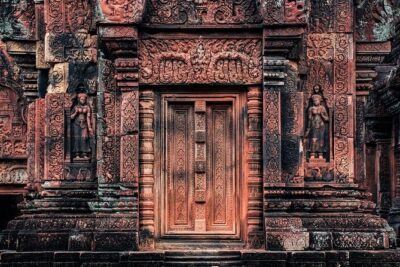
3-Day Angkor Wat & All Interesting Major Temples & Kulen Mount Waterfall
Read our review →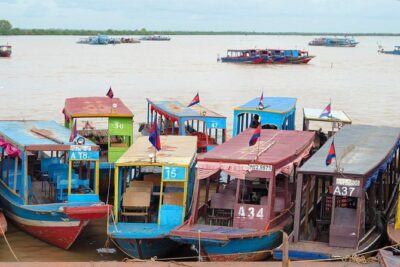
Best of Siem Reap 3-Day Private Tour to Angkor Wat & Tonle Sap
Read our review →
Private Siem Reap 3 Day Tour Discover All Highlight Angkor Temple
Read our review →
Private 3-Day Mekong Delta River Tour from Phnom Penh to Ho Chi Minh City
Read our review →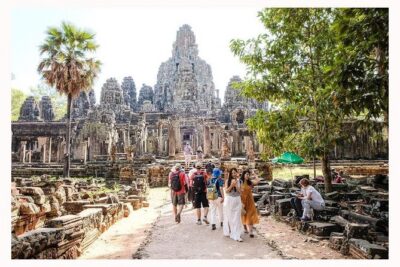
3-Day Tour(Unforgettable Angkor Temple Complex, Banteay Srei& Floating Village)
Read our review →Browse the lists this tour appears in