
Reviewed · CYCLING TOURS
Angkor Region & Rainforest Bike Tour
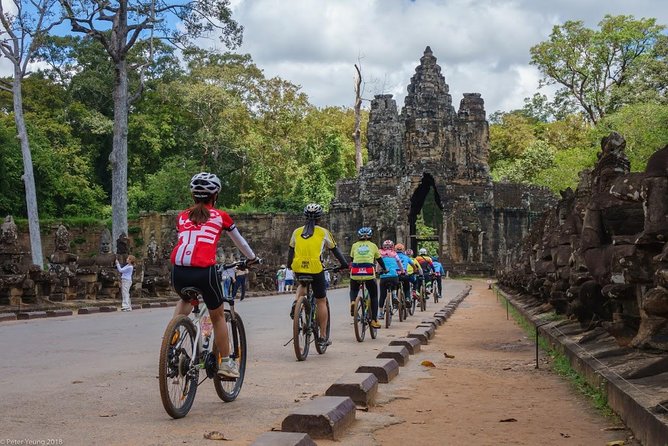
Trade temple traffic for a forest track. This eight-hour Siem Reap ride links Angkor Wat, Bayon, Preah Khan, Tanei, and Taprom by bicycle, using narrow rainforest paths instead of sticking to the busiest temple roads. I like the well-maintained TREK mountain bikes and the small maximum group of 10, which should make the day feel more personal and easier to manage.
I also like that lunch, coconut water, and pure drinking water are included, useful comforts in Cambodia’s heat. The main drawback is the extra cost and effort: the $50 tour price does not include the $37 one-day temple pass, hotel pickup, or drop-off, and eight hours of cycling will not suit everyone.
In This Review
- Key points at a glance
- Why cycling changes your Angkor day
- Starting in Siem Reap at 7:30 a.m.
- Angkor Wat: a grand first temple
- Angkor Thom’s gates and defensive wall
- Bayon and its many smiling faces
- Preah Khan, where jungle meets stone
- Tanei and Taprom: quieter stops on the route
- The rainforest trails are the real feature
- Lunch, coconut water, and the heat factor
- Dress, temple etiquette, and practical comfort
- What the $50 price really includes
- Who should book this bike tour?
- Should you book the Angkor Region and Rainforest Bike Tour?
- FAQ
- How long does the Angkor Region and Rainforest Bike Tour last?
- What time does the tour start?
- Where does the tour begin?
- Where does the tour end?
- Is hotel pickup included?
- Is the Angkor temple pass included?
- Which temples are included?
- Are a bicycle and helmet provided?
- Are food and drinks included?
- How many people can join the tour?
- What should I wear at Angkor?
- Can most people take part?
- Can I cancel for a full refund?
Key points at a glance
- Five major temple stops in one day: Visit Angkor Wat, Bayon, Preah Khan, Tanei, and Taprom.
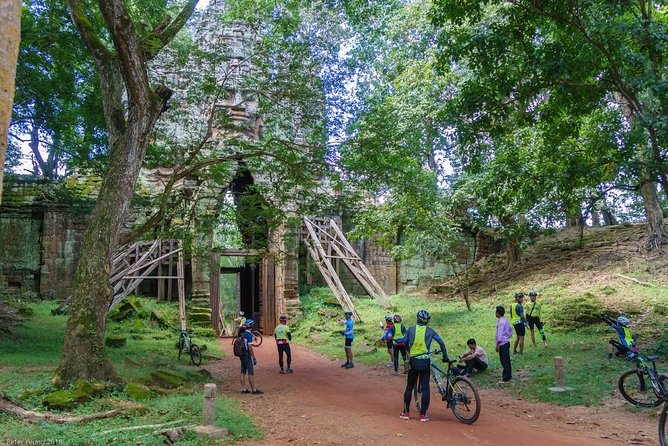
- Rainforest routes avoid the main crowds: The ride uses small forest trails and less-used paths around the Angkor complex.
- A practical bike package: A premium TREK mountain bike and helmet are provided, so you do not need to arrange your own equipment.
- A small group of up to 10: This gives the English-speaking guide a better chance to keep the group together.
- Food and drinks are covered: Lunch, coconut juice, and pure drinking water are included.
- The temple pass costs extra: Add $37 for the one-day Angkor entry ticket when working out the real price.
Why cycling changes your Angkor day
Angkor is often experienced from a tuk-tuk or tour bus, with short walks between parking areas and temple entrances. This ride gives you a different rhythm. You pedal through forest, pass from one section of the ancient complex to another, then stop to explore on foot.
That movement is the point. You are not simply being delivered to a series of famous monuments. The route lets you see the wooded setting around the temples, including paths that are less familiar than the main tourist roads. The ride also gives the day a clear sense of progress, from Angkor Wat through Angkor Thom and on to smaller, quieter sites.
I would choose this experience if you want the temples to be more than a checklist. The bicycle connects the monuments, vegetation, walls, gates, and open stretches between them. You will still see the headline sights, but the day includes the feeling of traveling through the old capital rather than only stopping at it.
The pace will not be a fit for every person. The tour lasts about eight hours, begins at 7:30 a.m., and includes rainforest riding. A muddy ride is possible, especially in wet conditions. One review describes a rainy day with wet trails and mud, but also calls it a great ride. That is useful warning: bring a practical attitude, not your best white clothes.
More Bike Tours in Siem Reap
- Siem Reap Countryside Bike Tour / E-Bike or Tuk Tuk
★ 5.0 · 935 reviews - Angkor Sunrise Bike Tour / E-Bike or Tuk Tuk
★ 5.0 · 615 reviews - Siem Reap: Bike the Angkor Temples – Full-Day 30km Tour
★ 5.0 · 463 reviews
Starting in Siem Reap at 7:30 a.m.
The meeting point is Angkor Cycling Tour on Taphul Road in Siem Reap. Hotel pickup and drop-off are not included, so you need to arrange your own way to the starting point and return there at the end.
The early start makes sense. Angkor is hot, and beginning at 7:30 a.m. gives you a better chance of covering the full route before the day becomes harder on the bike. You should arrive ready to ride, with sunscreen and sunglasses close at hand. A camera is also recommended, though you will want to protect it from rain or mud if conditions turn wet.
At booking, you must provide each rider’s height. That detail matters because the company supplies the bicycles, and a suitable fit will make a long day much more comfortable. You should also report any dietary needs when booking, since lunch is included.
The group limit is 10 people. That is large enough to provide company but small enough for the guide to give directions without shouting across a crowd. The English-speaking guide leads the ride and explains the sites along the way.
Angkor Wat: a grand first temple
Angkor Wat is the biggest name on the route, and it is usually the temple that gives the whole day its emotional jolt. The tour treats it as the first major temple visit, placing one of the world’s best-known ancient religious sites at the front of the day.
You should expect a visit to the temple rather than a long, specialized archaeological lecture. The value here is seeing Angkor Wat as part of a larger cycling route. After reaching the site, you can shift from riding mode to temple mode, taking in the scale and stonework before returning to the forest paths.
The early timing is helpful, though this tour does not promise that you will avoid every queue or crowd. Its main advantage is the use of alternative trails between sites, not a guarantee that each famous monument will be empty. If your main goal is complete solitude at Angkor Wat, this may not deliver it. If you want to reduce time on the busiest routes, it makes a strong case.
Angkor Thom’s gates and defensive wall
The ride continues toward Angkor Thom, the great capital area, with stops at the South Gate, West Gate, and North Gate. The South Gate is described as the most appealing defensive wall area of Angkor Thom, while the route also gives you a chance to climb onto the protection wall.
That wall section is one of the more distinctive parts of the day. Instead of viewing Angkor Thom only from its gateways, you get a higher view from the old defensive structure, including the area around Prasat Chrung. The route description promises a breathtaking view, but the exact experience will depend on weather, trail conditions, and how comfortable you are with the climb.
This is also where the bike becomes more than transportation. You are moving around the edge of the old capital, not simply taking a road straight to the next monument. The forest route and wall ride help you understand the size of Angkor Thom in a physical way.
You should still pace yourself. The day includes several temples after this section, and it is easy to spend too much energy early on because the setting is so striking.
A completely different kind of day out from Siem Reap:
- Angkor Wat Sunrise or Sunset Tour with Guide from Siem Reap
★ 5.0 · 12,109 reviews - Siem Reap: Angkor Wat: Small-Group Sunrise or Sunset Tour
★ 5.0 · 9,444 reviews - From Siem Reap: Kampong Phluk Floating Village Tour by Boat
★ 4.9 · 6,979 reviews - Sunset tour of Kampong Phluk stilts home village on the Tonle Sap
★ 5.0 · 4,865 reviews
Bayon and its many smiling faces
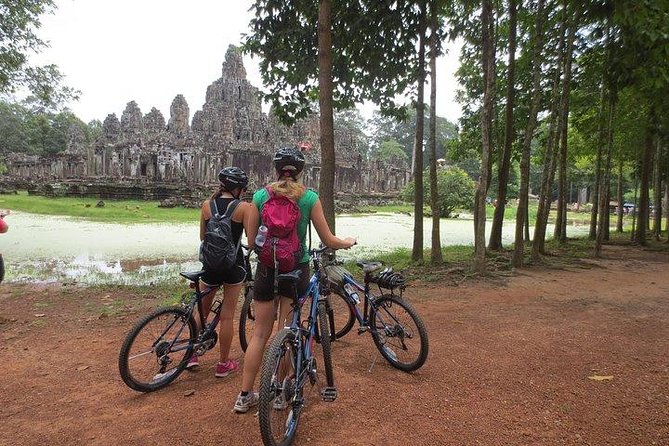
Bayon brings a completely different mood. The temple is known for its towers and carved faces, with the tour describing 54 towers and 216 smiling faces. Those numbers give you an idea of the repeated visual effect: stone faces appear from different angles as you move through the monument.
Bayon can feel confusing in the best way. Towers overlap, passages narrow, and the faces seem to watch from above. A guide is especially useful here because it is easy to focus on the famous faces and miss the broader design of the temple.
The bike ride makes Bayon one stop within a long day, rather than the entire focus. That is good for you if you want variety. It is less ideal if you prefer a slow, detailed study of one monument. The schedule has five temple visits plus connecting trails, so you should expect a broad tour rather than unlimited time at every carving.
Preah Khan, where jungle meets stone
Preah Khan is described as a temple covered by jungle, and it gives the route a more enclosed, overgrown feel after the open scale of Angkor Wat and the tower-filled Bayon. The attraction is the meeting of old stone and vegetation, with the surrounding forest forming part of the experience.
This stop should appeal to you if you like temples that feel less polished and less formal. The trees and growth help show how the monuments sit within the wider forest rather than existing as isolated buildings.
There is a tradeoff. Jungle-covered sites can mean uneven paths, damp surfaces, and less predictable footing. You will want sensible footwear and enough care when moving away from the bike. The tour supplies a helmet for riding, but the helmet does not remove the need to watch your step around temple grounds.
Tanei and Taprom: quieter stops on the route
Tanei is presented as an ancient hospital that remains untouched by archaeologists and is embraced by the surrounding forest. It is a more unusual stop than Angkor Wat or Bayon, and that is exactly why it earns its place on the route.
You should not expect the same scale or fame here. Tanei’s value is its quieter character and its place within the forest ride. It gives you a chance to see a less prominent part of the Angkor area instead of spending the entire day at the best-known monuments.
Taprom adds another major temple to the schedule. The supplied route uses the name Taprom, and the overview includes it among the five temple visits. Together, Tanei and Taprom help balance the famous sights with less heavily visited places.
Because the ride covers so much ground, the time at each location may feel limited if you want long photography stops. I would bring a camera, but I would also accept that the day is designed around variety, movement, and access to several sites.
The rainforest trails are the real feature
The temples are the headline, but the rainforest tracks may be what you remember most clearly. The tour uses natural paths through the wooded Angkor area, including small trails described as undisturbed and away from the usual tourist routes.
That does not mean you will pedal through untouched wilderness. Angkor is an active spiritual area with people who worship, pray, and meditate every day. The forest routes are part of a living cultural site, not a theme park. Treat quiet areas and religious spaces with care.
The trail conditions can change. Wet weather may make the route muddy, and you may find the surface more demanding than a standard paved cycle path. That is part of the appeal for riders who want an adventure, but it is a reason for less confident cyclists to think carefully before booking.
The mountain bike and helmet are included, which removes a major planning chore. The equipment is described as premium TREK gear, and one repeat customer specifically praised the well-maintained bikes. That is important on an eight-hour ride, when an uncomfortable or poorly adjusted bicycle can spoil an otherwise excellent day.
Lunch, coconut water, and the heat factor
Lunch is included, along with refreshing coconut water and pure drinking water. These are not decorative extras. On a long ride in Cambodia, regular drinking matters, and having water supplied means you do not need to plan every bottle stop yourself.
Coconut water is a pleasant break from plain water, while lunch gives you a chance to restore energy before the remaining temple visits. The exact menu is not specified, so report dietary requirements when you book rather than assuming the meal will match your needs.
You should still bring sunscreen and sunglasses. The forest offers shade, but the route will not be shaded every minute, and the heat can build over eight hours. Comfortable clothing is important, but it must also meet Angkor’s dress rules.
Dress, temple etiquette, and practical comfort
Angkor remains an active spiritual place. Shorts and skirts above the knees, along with bare shoulders, are prohibited in sacred palaces. Respectful clothing is strongly encouraged throughout the complex.
That rule is easy to handle with a lightweight shirt that covers your shoulders and longer shorts or trousers below the knee. You will be cycling, so aim for clothing that is modest, breathable, and practical rather than formal.
Bring a camera, sunglasses, and sunscreen. You may also want a small way to protect personal items from rain or mud, since wet conditions are possible. The company provides a helmet, mountain bike, lunch, coconut water, and drinking water, but personal clothing and sun protection are your responsibility.
What the $50 price really includes
The listed price is $50 per person. Add the $37 one-day Angkor temple pass, and the basic total becomes $87 before you account for getting to and from the meeting point.
That is fair value if you want a full-day guided ride with a quality bicycle, helmet, five temple stops, lunch, coconut water, and drinking water. Hiring a bike separately, planning a route through the complex, and finding the less-used paths would take extra effort. The guide also gives the day structure, which matters when you are covering a large area.
The price is less attractive if you only want to see Angkor Wat and Bayon, or if you do not enjoy cycling for most of a day. A shorter temple visit may suit you better in that case, though this particular experience is built around the combination of cycling, rainforest paths, and multiple monuments.
Free cancellation is available if you cancel at least 24 hours before the start time. Changes or cancellations made within 24 hours are not accepted for a refund.
Who should book this bike tour?
I would recommend it to you if you enjoy active sightseeing, want a small group, and like the idea of reaching temples by forest trail. It is especially appealing if you have already seen Angkor by vehicle and want a different way to experience the area. One repeat rider enjoyed the tour enough to bring family members on a later visit, which says a lot about its broad appeal.
It may also suit families with older children, provided everyone can manage a full day of riding. The company says most people can participate, but that does not mean the route is effortless. The eight-hour duration, possible mud, and uneven forest paths deserve honest consideration.
I would hesitate to recommend it if you dislike heat, wet trails, or physical activity. You should also think twice if your main priority is an unhurried, highly detailed temple study. Five sites in one day gives you impressive variety, but it leaves less time for lingering at each one.
Should you book the Angkor Region and Rainforest Bike Tour?
Book this tour if the ride matters as much as the ruins. The combination of hidden forest tracks, Angkor Thom’s wall, five temple visits, a small group, and included refreshments creates a fuller day than a simple temple transfer.
Before booking, budget for the separate $37 temple pass, arrange your own transport to Taphul Road, provide each rider’s height, and prepare for sun, mud, and respectful clothing rules. If those conditions sound like part of the fun, this is a strong-value way to see Angkor on two wheels.
FAQ
How long does the Angkor Region and Rainforest Bike Tour last?
The experience lasts approximately eight hours.
What time does the tour start?
The tour starts at 7:30 a.m.
Where does the tour begin?
It begins at Angkor Cycling Tour on Taphul Road, Krong Siem Reap, Cambodia.
Where does the tour end?
The activity ends back at the meeting point.
Is hotel pickup included?
No. Hotel pickup and drop-off are not included.
Is the Angkor temple pass included?
No. The one-day temple pass costs $37 and must be purchased separately.
Which temples are included?
The tour includes Angkor Wat, Bayon, Preah Khan, Tanei, and Taprom.
Are a bicycle and helmet provided?
Yes. A premium TREK mountain bike and helmet are included.
Are food and drinks included?
Yes. Lunch, refreshing coconut water, and pure drinking water are included.
How many people can join the tour?
The maximum group size is 10 people.
What should I wear at Angkor?
Shorts and skirts above the knees and bare shoulders are prohibited in sacred palaces. Respectful dress is strongly encouraged.
Can most people take part?
The experience states that most people can participate. You should also provide each passenger’s height when booking.
Can I cancel for a full refund?
Yes, if you cancel at least 24 hours before the experience start time. Cancellations or changes made less than 24 hours before departure are not accepted for a refund.
Just added around Siem Reap
- Private Battambang Full-Day Guided Tour★ 4.5 · 3 reviews
- Kulen Mountain, Beng Mealea and Banteay Srei Full Day Tour★ 5.0 · 3 reviews
- Kompong Pluk Tour★ 5.0 · 3 reviews
- Private 3 Day Tour to Discover the ancient temples★ 5.0 · 3 reviews
- Kulen National Park Ticket -Waterfall & 1000 Lingas★ 5.0 · 3 reviews
- Cambodia: Absolute Traditional Dance Show with Buffet Dinner★ 5.0 · 3 reviews
- Border Transfer (Siem Reap to Laos/Laos to Siem Reap)★ 3.5 · 3 reviews
- Best Taxi Siem Reap to Battambang – English Speaking Driver★ 4.5 · 3 reviews
Cycling Tours, compared.
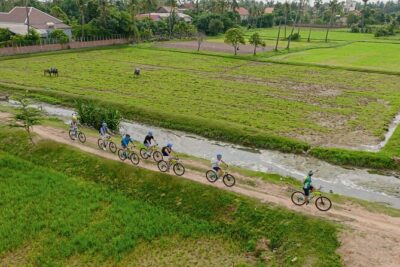
Siem Reap Countryside Bike Tour / E-Bike or Tuk Tuk
Read our review →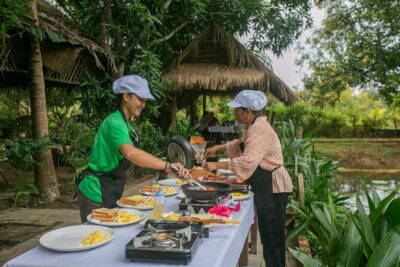
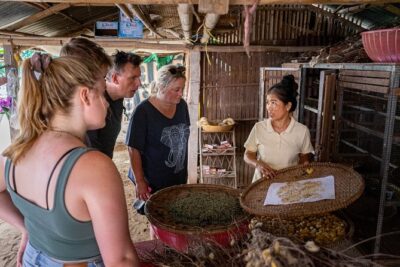
Phnom Penh Silk Island Bike Tour/ E-Bike or Tuk Tuk
Read our review →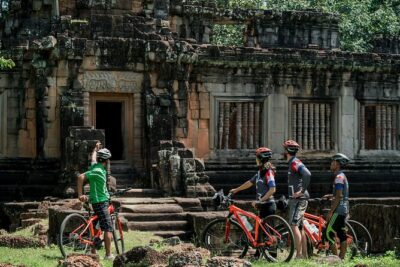
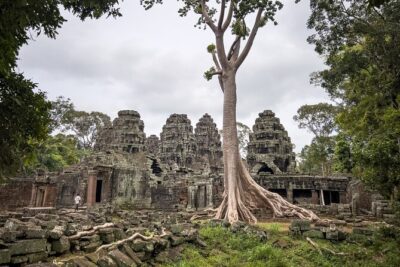
Angkor Wat Sunrise Bike Tour & Jungle Breakfast
Read our review →
Local Livelihood Half Day Bike Tour in Battambang
Read our review →Browse the lists this tour appears in