
Reviewed · COOKING CLASSES
Cooking Class at La Plantation
Cambodian cooking begins with the pepper. This two-hour class at La Plantation combines a guided introduction to Kampot spices with hands-on preparation of traditional Khmer dishes, followed by lunch made by you and your group. I like the focus on local ingredients, and I like that the class stays small, with no more than 10 people. The main consideration is the rural location, since transport is not clearly included in the $36 price.
You will also get a pepper tasting and Kampot pepper ice cream, a fun local touch rather than a routine dessert. The class is a good fit for food lovers who want more than a restaurant meal, though the shared group format means you may not personally prepare every part of every dish.
In This Review
- Four things to know before booking
- Reaching La Plantation outside Kampot
- Starting with Kampot pepper and local spices
- Preparing three Khmer dishes together
- Clear instruction for unfamiliar ingredients
- Lunch made by your own hands
- What the $36 price gets you
- Timing, group size, and the day’s pace
- Practical strengths and small drawbacks
- Who will enjoy this class most
- Should you book Cooking Class at La Plantation?
- FAQ
- Where does the cooking class take place?
- How much does the class cost?
- How long does the experience last?
- What time does the class start?
- How many people can join?
- What food will I prepare?
- Is lunch included?
- Is Kampot pepper ice cream included?
- Can I cancel for a refund?
Four things to know before booking
- Kampot pepper is the star ingredient: You learn about spices grown at La Plantation before cooking.
- Three Khmer dishes are prepared: Past sessions included chopping, grating, cutting, and other shared kitchen work.
- Lunch is part of the class: You eat the food prepared during the morning session.
- The group is limited to 10: This allows for guidance without making the class feel like a large demonstration.
- Pepper ice cream is included: It is an unusual but fitting finish to the meal.
- The setting is outside Kampot: The meeting point is La Plantation in Bosjheng village, so plan your transport carefully.
Reaching La Plantation outside Kampot
La Plantation is at J868+CJ in Bosjheng village, in Cambodia’s South Coast region. The experience begins and ends at the plantation, not in central Kampot.
That detail matters. You are not simply walking into a cooking studio near the market. You are heading out to a working pepper farm, where the setting adds context to the food. If you are already staying in Kampot, you will need to arrange your own way there unless a transfer option is available when you book.
A pickup from Kampot has been offered for an extra $7 per person in the past. Treat that as a useful possibility, not a guaranteed inclusion, and check the current transport arrangements before paying. The listed $36 price is for the class itself.
The ride out can be part of the pleasure, since the plantation sits in the countryside, but the extra planning is the trade-off. If you are building a full day around the visit, you might want to allow time before or after the class for the plantation grounds and pepper shop.
More Khmer cooking classes:
- Cooking class in Kampot
★ 5.0 · 21 reviews - Kampot Cooking Class by Eco Lotus Kampot
★ 5.0 · 8 reviews - Khmer Cooking Class at a Local’s Home in Krong Siem Reap
★ 5.0 · 2,731 reviews
Starting with Kampot pepper and local spices
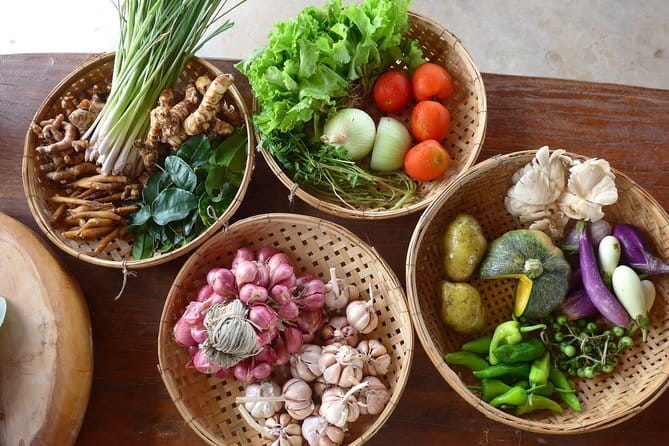
The class starts with an introduction to spices grown on the farm. That is a smart way to begin, because Khmer food depends on the balance between herbs, aromatics, salt, sweetness, heat, and pepper.
Kampot pepper is one of Cambodia’s best-known food products. At La Plantation, you can taste different pepper varieties and notice how their flavor changes. This tasting gives you something useful to take home: not just a packet of pepper, but a better sense of how to use it.
The introduction also helps explain why this class costs more than a basic cooking lesson in town. Part of the visit is tied to the farm and its products, so you are paying for a food lesson with a strong local connection.
A pepper tasting is included in the wider visit, and past schedules have also included a free tour of the plantation. The detailed class description centers on the spice introduction, so confirm how much of the farm tour is included in your chosen booking.
The advertised experience also includes a guided visit to a local market. That would add another useful layer, since a market shows how ingredients look before they reach the kitchen. However, the specific class schedule provided here describes the plantation introduction rather than listing a separate market stop, so ask for the current itinerary if that part matters to you.
Preparing three Khmer dishes together
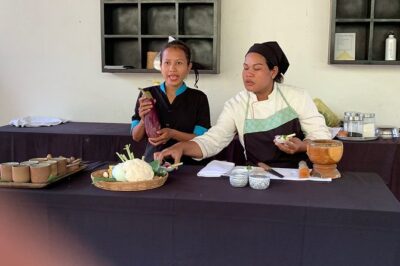
The practical part of the class is the main event. You learn to prepare three local dishes, with the chef explaining the ingredients, methods, and unfamiliar spices along the way.
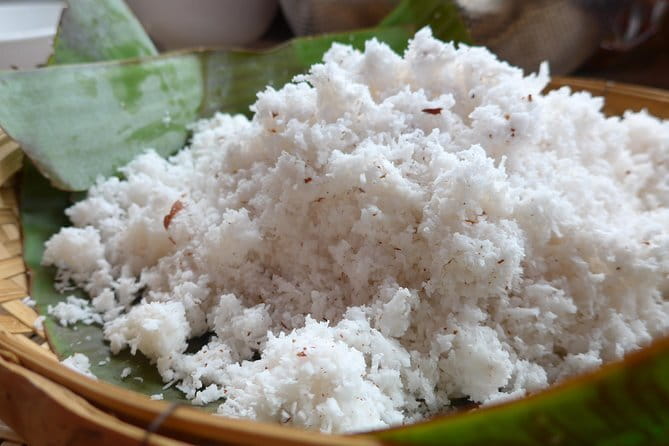
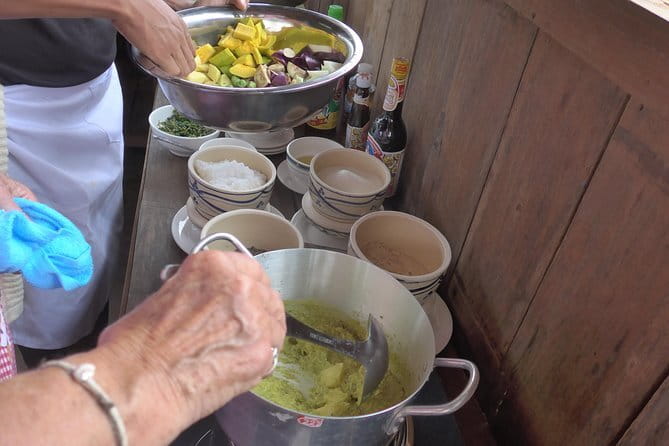
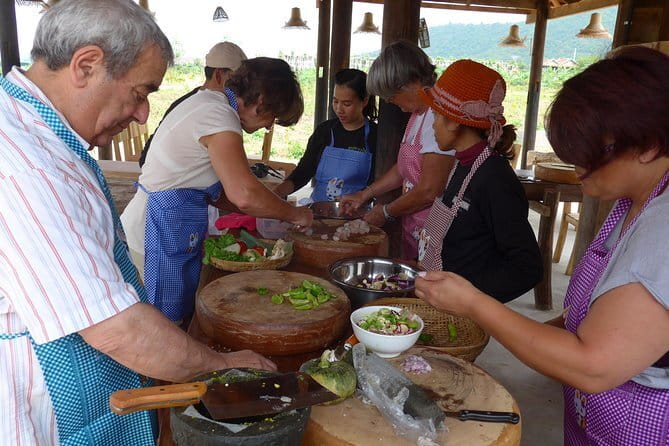
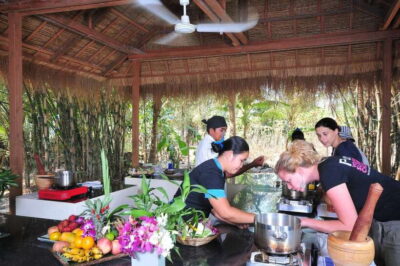
This is not presented as a private lesson where each person cooks a complete meal alone. It works as a shared group effort, with the group dividing tasks such as cutting, chopping, grating, and preparing coconut milk.
That format has an advantage. You can watch several steps in a short time and pick up the rhythm of Khmer cooking without needing to manage three dishes from start to finish. It also creates a friendly social mood, especially if you are traveling with family or friends.
The drawback is clear: you may not get equal time on every task. An earlier class format drew criticism for having a large group and limited hands-on work, after which the kitchen adjusted its approach by sharing preparation tasks among the group and changing activities roughly every 10 minutes.
That is encouraging, but the class remains collaborative. If you want a private chef lesson with constant individual attention, this may not be the right format. If you enjoy working as a team and tasting the results together, the group style should suit you well.
Clear instruction for unfamiliar ingredients

Cambodian cooking can be approachable once you understand the ingredients. The harder part is often knowing what an unfamiliar root, leaf, spice, or paste is supposed to do.
The chef explains new ingredients clearly and shows how they fit into the dishes. Past sessions were praised for clear instructions and useful explanations of local food and spices. That makes the class more valuable than a simple follow-along demonstration.
I especially like the chance to ask questions while the food is being prepared. A printed recipe can tell you how much of an ingredient to use, but a live class can show you what the texture should look like and how the mixture changes as it cooks.
The supplied information does not name the current chef. One earlier class was led by Ning, whose instruction was praised, but you should not assume she will lead every session. The class has assistants, and the teaching team helps organize the shared preparation.
You can take the recipes home. That is an important benefit if you want the experience to continue after Cambodia. The recipes give you a practical reminder of the dishes, while the pepper tasting helps you remember how the local ingredient should taste.
A few more trips worth weighing up
- Siem Reap: Khmer Cooking Class at a Local’s Home
★ 5.0 · 1,108 reviews - Award-Winning Cooking Class Experience with Professional Teacher
★ 5.0 · 745 reviews - Siem Reap: Cambodian Pottery Class
★ 4.9 · 339 reviews - Khmer Cooking Class Half Day (AM or PM)
★ 5.0 · 316 reviews
Lunch made by your own hands
After the cooking, you sit down to enjoy the meal. This is a simple idea, but it changes the experience from a lesson into a complete food outing.
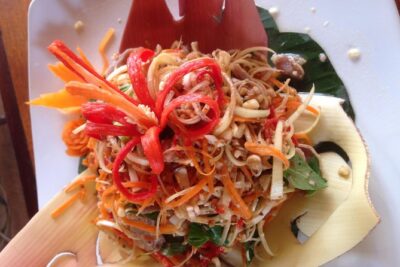
You are not just watching a chef prepare Cambodian dishes and then ordering something else. You have helped cut, grate, mix, and cook, so lunch becomes a chance to see how the separate ingredients came together.
Come hungry. Three dishes plus the included dessert make this more than a snack, and the class is scheduled around the midday meal. The food is the payoff for the morning’s work, especially if you enjoy the satisfaction of eating something you helped prepare.
Kampot pepper ice cream is included. It may sound odd if you have only used pepper in savory food, but it is a playful way to finish a pepper-focused visit. You get to taste the region’s signature product in a completely different form.
The provided details do not specify the exact three dishes served on your date. That can be a benefit if you like some surprise, but anyone with strict dietary needs should ask what is on the menu before booking.
What the $36 price gets you
At $36 per person, this class sits above a basic cooking demonstration but offers more than a meal alone. You receive instruction, spice information, hands-on preparation, lunch, and Kampot pepper ice cream.
The small maximum of 10 is important to the value. A class of this size gives the chef a better chance to explain techniques and rotate tasks, even though it does not guarantee that you will perform every step yourself.
The farm setting adds another reason to consider the price. You are visiting the source of the pepper rather than encountering it only as a seasoning on a plate. The tasting gives you a direct comparison between varieties, and you may choose to buy pepper products after learning more about them.
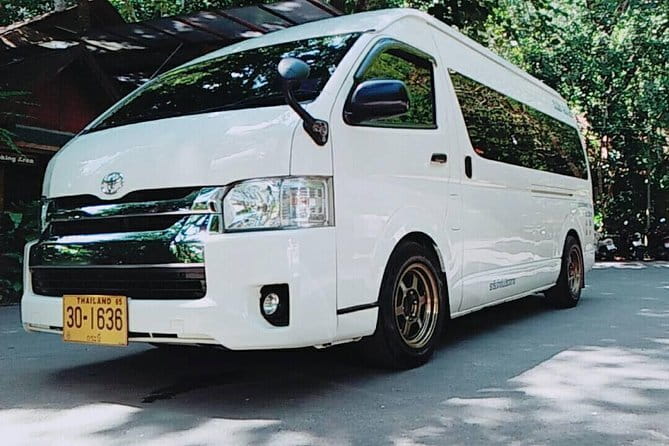
Transport is the main cost question. The meeting point is La Plantation, and the listed price does not say that a ride from Kampot is included. A past pickup option cost $7 per person, so your total may be higher if you need that service.
For me, the class offers good value if you want food instruction tied to a real local product. It is less compelling if your only goal is a cheap lunch or if you have already spent plenty of time in cooking schools elsewhere in Southeast Asia.
Timing, group size, and the day’s pace

The main schedule says the cooking class begins at 10am and lasts about two hours. That puts lunch around midday and leaves time to continue exploring the plantation afterward.
One response from the operator has also referred to a daily 11am cooking class. Because the supplied information gives both times, confirm the start time at booking and again before setting out. A one-hour difference matters when arranging a taxi or planning another activity.
The activity ends back at the meeting point. There is no separate drop-off listed, so plan your return from La Plantation to Kampot or onward to another destination.
The group limit is 10 people. That is small enough for a personal feel, but the hands-on work is still shared rather than one full workstation per person. Couples, families, and solo visitors who like meeting people should find the setup comfortable.
The experience is mobile-ticket friendly, which makes entry simple once your booking is confirmed. Confirmation is sent within 48 hours, subject to availability, so do not assume your place is final until that confirmation arrives.
Practical strengths and small drawbacks

The strongest part of the experience is its combination of food and place. You learn what Kampot pepper tastes like, see how it is used, and eat dishes prepared with help from the group.
The instruction is another plus. Clear explanations matter when the ingredients are unfamiliar, and the class is designed to send you home with recipes rather than only memories.
The main weakness is that the exact flow may vary. The broad description refers to a market visit, while the detailed schedule focuses on the plantation and cooking. The start time also appears as both 10am and 11am in the supplied material, so careful confirmation is sensible.
Bathrooms have also been identified as an area needing improvement, with planned improvements mentioned by the operator. That is a minor point, but it is worth knowing when you are spending several hours at a rural site.
You should also remember that the class is not a private experience. If you dislike shared preparation or want full control over each dish, the group format may feel limited. If you see cooking as a social activity, the same feature becomes one of the class’s charms.
Who will enjoy this class most
I would choose this for anyone who wants a practical introduction to Khmer food and has an interest in where ingredients come from. It suits couples, small groups of friends, families, and solo visitors who enjoy a friendly kitchen setting.
It is also a good choice if you are staying in Kampot and want to see something beyond the town center. The trip to the countryside, the pepper tasting, and the meal give the outing a clear sense of place.
Food-focused visitors will get the most from it, especially if you plan to use the recipes at home. The class does not require you to be an experienced cook. The value comes from taking part and asking questions, not from showing off knife skills.
I would be more cautious if your schedule is tight. The class itself lasts about two hours, but transport to the plantation and any extra tour time make it a larger half-day outing. You should also confirm the menu if you have allergies, dietary restrictions, or strong dislikes.
Should you book Cooking Class at La Plantation?
Book it if you want a small-group cooking lesson connected to Kampot pepper, not just a standard class in a restaurant kitchen. The combination of spice tasting, three Khmer dishes, shared preparation, lunch, recipes, and pepper ice cream gives you plenty for the $36 price.
Before booking, confirm the starting time, ask whether the market visit is part of the current schedule, and arrange transport from Kampot if needed. With those details settled, La Plantation offers a friendly and useful way to understand Cambodian food through its ingredients, its countryside setting, and a meal you help make.
FAQ
Where does the cooking class take place?
The class takes place at La Plantation in Bosjheng village, near Kampot on Cambodia’s South Coast. The meeting point is J868+CJ, Bosjheng village, ក្រុងកំពត, Cambodia.
How much does the class cost?
The listed price is $36 per person. Transport from Kampot is not stated as included in that price.
How long does the experience last?
The cooking class lasts approximately two hours.
What time does the class start?
The main schedule states a 10am start. Another supplied operator response refers to an 11am daily class, so confirm the current start time before attending.
How many people can join?
The class has a maximum of 10 participants.
What food will I prepare?
You will learn to prepare three traditional Khmer dishes. The exact dishes are not specified in the provided information.
Is lunch included?
Yes. You enjoy the food you prepare at lunchtime.
Is Kampot pepper ice cream included?
Yes. Kampot pepper ice cream is included as part of the experience.
Can I cancel for a refund?
Yes. You can cancel at least 24 hours before the local start time for a full refund. Cancellations or changes made less than 24 hours before the start are not refunded or accepted.
Just added around Sihanoukville
- Half-Day Adventure to the Pepper Farm by Scooter★ 5.0 · 3 reviews
- Koh Rong Tour: A Snorkeling, Fishing, Sunset, Plankton★ 4.0 · 4 reviews
- Exploring Kampot With SUV Car By English Local Tour Guide★ 5.0 · 4 reviews
- Discover Bokor National Park★ 3.0 · 4 reviews
- Private Taxi Transfer Sihanoukville – Battambang Car – Mini-Van★ 5.0 · 4 reviews
- Small Group Sihanoukville Exploration from Cruise Pier★ 5.0 · 5 reviews
- Sihanoukville Small-Group City Tour for Cruise Passengers★ 4.5 · 5 reviews
- Sihanoukville to Phnom Penh by Private Car or Minivan★ 4.5 · 5 reviews
Cooking Classes, compared.
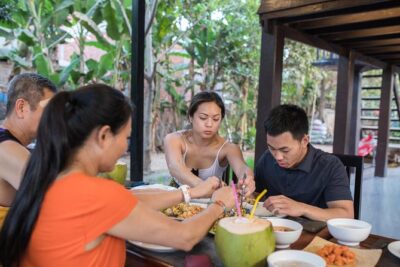
Khmer Cooking Class at a Local’s Home in Krong Siem Reap
Read our review →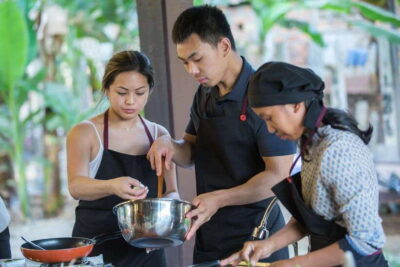
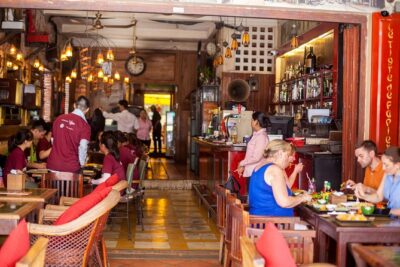
Award-Winning Cooking Class Experience with Professional Teacher
Read our review →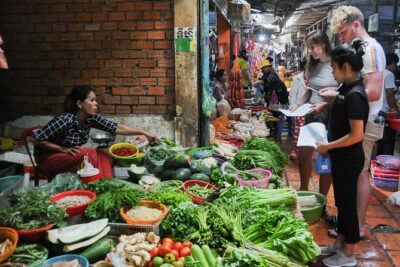
Browse the lists this tour appears in