
Reviewed · WILDLIFE
Full Day Pass Angkor Wildlife and Aquarium – Siem Reap
See Cambodia from below the surface. Angkor Wildlife & Aquarium gives you a close look at Mekong and Tonle Sap fish, marine life, reptiles, and several larger animals in one well-kept conservation park. I especially like the Freshwater Tank, which connects the displays to Cambodia’s rivers and lakes, and the Touch Pool, where children and adults can interact with marine creatures. The $15 price is reasonable for an outing that can fill two to five hours, though the park sits a fair distance from central Siem Reap and the land-animal collection may feel limited to some visitors.
I also like the clear conservation purpose. Your admission helps maintain safe habitats and support the care of the animals, rather than simply paying for a collection of displays. The biggest consideration is expectation: the aquarium and reptile areas appear to offer more consistent interest than the larger mammals, with some visitors finding only a few tigers, crocodiles, otters, and tortoises on view.
In This Review
- Key points at a glance
- Why this aquarium is worth adding to a Siem Reap visit
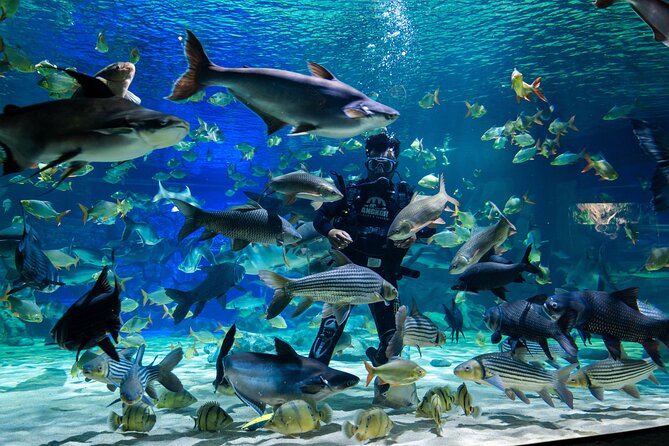
- The Freshwater Tank and Cambodia’s underwater world
- The Ocean Aquarium and the Touch Pool
- Tigers, crocodiles, otters, bears, and reptiles
- A conservation visit, not only an animal attraction
- How much time should you allow?
- Is the $15 price good value?
- Who should book Angkor Wildlife and Aquarium?
- Should you book it?
- FAQ
- Where is Angkor Wildlife and Aquarium located?
- How much does admission cost?
- How long does the experience take?
- What are the opening hours?
- Is transportation included?
- What animals can I see?
- Does the aquarium include a touch pool?
- Can I cancel for a full refund?
Key points at a glance
- Mekong and Tonle Sap displays: The Freshwater Tank focuses on Cambodia’s underwater world, including large fish associated with the Mekong River and Tonle Sap Lake.
- A freshwater-to-ocean route: The Ocean Aquarium shows how aquatic life changes as you move from inland waters toward marine habitats.
- Touch Pool interaction: You can handle marine creatures in a supervised exhibit designed for hands-on learning.
- More than 30 reptiles: Expect species such as the Asian water monitor, along with Siamese crocodiles and other reptiles.
- A $15 conservation outing: The admission includes entry, fees, and an air-conditioned vehicle, making the price appealing if you want an animal-focused break from temple sightseeing.
- Free central shuttle reported: If you book in advance, a free shuttle from Siem Reap center may be available, but confirm the pickup details before setting out.
Why this aquarium is worth adding to a Siem Reap visit
Siem Reap is best known for Angkor Wat and the surrounding temple circuit. Angkor Wildlife & Aquarium offers a different look at Cambodia, one based on water, wildlife, and conservation rather than sandstone monuments. I like that the place gives local ecosystems the starring role.
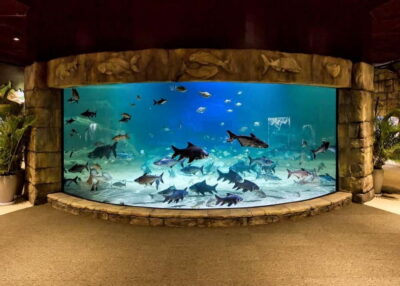
The Freshwater Tank is the heart of the visit. The Mekong River and Tonle Sap Lake shape daily life across Cambodia, yet much of their underwater world remains out of sight. Large freshwater fish can look almost prehistoric, and the displays help you think about the size and importance of these waterways.
Tonle Sap is especially important in the context of the aquarium. It is Southeast Asia’s largest freshwater lake, and its changing water levels support a major aquatic environment. You do not need a biology lesson to appreciate the point: what looks like a tank of fish is also a window into the natural systems that support communities, food supplies, and wildlife.
The Ocean Aquarium then shifts the mood. After seeing inland species, you move toward marine habitats and the life found in saltwater environments. That change gives the visit a simple storyline. You are not just walking past unrelated tanks. You are following the movement from river and lake to sea.
The exhibits also work well for families. A child who loses interest in a long temple explanation may pay close attention to a large fish, a moving reptile, or a touch-pool creature. I would still allow extra time for questions, since the educational value comes from understanding what you are seeing, not from racing through every tank.
A few more trips worth weighing up
- Wildlife Expedition: Elephant Sanctuary, Kbal Spean Banteay Srei
★ 5.0 · 32 reviews - Angkor Wildlife & Aquarium Halfday tour
★ 5.0 · 5 reviews - Siem Reap: Angkor Wildlife & Aquarium Entrance Ticket
★ 5.0 · 4 reviews
The Freshwater Tank and Cambodia’s underwater world
The freshwater section deserves your best attention. It focuses on the Monsters of the Mekong, a memorable way to introduce some of the river’s biggest and most unusual fish. These animals are part of the reason the freshwater displays can feel more distinctive than a standard aquarium visit.
You will also get a glimpse of the hidden aquatic world beneath Tonle Sap Lake. That matters because many visitors see the lake only from a boat or roadside viewpoint. Here, you can focus on the creatures living below the surface, where murky water and changing conditions make them difficult to observe in the wild.
I would begin the visit here rather than treating the tank as a quick prelude to the larger animals. Look at body shape, scale, and movement. The display is most successful when you allow yourself time to notice how different freshwater species are from the colorful marine animals later in the route.
The freshwater section may be particularly useful if you are visiting Siem Reap with children. It gives them a direct connection to places they may have seen on a map or during a Cambodian journey. You can point out that these are not distant, abstract ecosystems. The Mekong and Tonle Sap are part of the country’s living environment.
One practical caution: the supplied information does not give a full species list or the exact number of tanks. I would not arrive expecting the scale of a major international aquarium. Think of this as a focused Cambodian conservation experience, with the local freshwater story at its center.
The Ocean Aquarium and the Touch Pool
The Ocean Aquarium provides a change of pace. After the rivers and lake, you see marine ecosystems and the transition from freshwater to saltwater habitats. The saltwater displays add variety, especially if your main interest is colorful aquatic life rather than large land animals.
The Touch Pool is one of the most useful features for a family visit. You can interact directly with marine creatures, giving the experience a physical element that glass-fronted tanks cannot provide. It is also a good place to slow down. Instead of only looking, you can connect the exhibit to touch, texture, and movement.
I would plan the Touch Pool around your group’s energy. Younger children may want to stay there longer than expected, while older visitors may prefer the fish displays. Since the whole visit can last anywhere from about two hours to five hours and 20 minutes, you have room to give the popular areas proper attention.
The aquarium side appears to be one of the stronger parts of the experience. If you have come mainly for fish and aquatic life, the admission price makes good sense. If your main goal is to see a large number of mammals, you may find the aquarium more satisfying than the land-animal section.
The shift between freshwater and ocean displays also gives the visit an educational shape. You can compare the two environments rather than treating every tank as a separate attraction. That makes the aquarium useful for adults too, especially if you enjoy understanding how habitats differ.
Tigers, crocodiles, otters, bears, and reptiles
AWA also includes terrestrial wildlife. The headline animals include Bengal tigers, Siamese crocodiles, playful otters, and sun bears. The park presents these animals in naturalistic habitats, with conservation and animal care as central goals.
The larger animals add emotional impact. A tiger or sun bear gives you a very different encounter from a fish tank, while otters bring energy and movement. Siamese crocodiles connect the land section back to Cambodia’s waterways, so the wildlife areas do not feel entirely separate from the aquarium.
Still, keep your expectations sensible. The collection may not provide a constant parade of large mammals. Some visitors have found the land exhibits limited, with only a couple of tigers and smaller numbers of crocodiles, otters, and tortoises visible during their visit. Animals are not stage performers, and they may be resting or out of sight, but the overall variety can still feel modest.
The reptile section seems to offer steadier interest. More than 30 reptile species are represented, including the Asian water monitor. If you enjoy snakes, lizards, crocodilians, and other reptiles, you may spend more time here than you first planned.
I like the reptile focus because it gives the park a clear Cambodian connection. These animals are often overlooked beside tigers and bears, yet they are important parts of the country’s ecosystems. The Asian water monitor, in particular, shows how ordinary-looking wildlife can be impressive once you stop and observe it closely.
The naturalistic habitats are another positive. They suggest an effort to provide animals with a safe, suitable setting rather than placing them in cramped display areas. You should remember, though, that a conservation park is not the same as a safari. You are visiting managed habitats, not watching wildlife in the open countryside.
A completely different kind of day out from Siem Reap:
- Angkor Wat Sunrise or Sunset Tour with Guide from Siem Reap
★ 5.0 · 12,109 reviews - Siem Reap: Angkor Wat: Small-Group Sunrise or Sunset Tour
★ 5.0 · 9,444 reviews - From Siem Reap: Kampong Phluk Floating Village Tour by Boat
★ 4.9 · 6,979 reviews - Sunset tour of Kampong Phluk stilts home village on the Tonle Sap
★ 5.0 · 4,865 reviews
A conservation visit, not only an animal attraction
The strongest reason to visit may be the purpose behind the admission. Every booking helps maintain a safe and nurturing setting for the animals and supports conservation work. That gives your $15 more meaning than a simple entrance fee.
Of course, you should still judge the outing by what you will actually see. Conservation goals do not guarantee a large collection or constant animal activity. If you want many species and a packed schedule, you may find the experience less satisfying. If you want to support a local wildlife facility while learning about Cambodian ecosystems, the value is stronger.
I appreciate the balance between education and direct contact. The Freshwater Tank explains local waterways. The Ocean Aquarium presents marine habitats. The reptiles show a less familiar side of wildlife. The Touch Pool offers a hands-on moment. The larger animals provide memorable encounters when they are visible.
This range makes AWA a good choice for families, animal lovers, and anyone who has had enough temples for one day. It also suits visitors who want an outing with a conservation message rather than a purely commercial attraction.
How much time should you allow?
The stated duration ranges from two hours to five hours and 20 minutes. That is a wide spread, so your actual visit will depend on how you reach the park, how long you spend at each exhibit, and whether pickup or shuttle arrangements add time.
For a quick visit, two hours may be enough to see the main aquarium areas, reptiles, and the most prominent animals. I would choose this pace if you are fitting AWA between other Siem Reap plans.
A longer visit makes more sense if you are with children or want to take your time at the Touch Pool. You can also pause longer at the freshwater displays, where the value comes from looking closely rather than simply checking off the exhibit.
Do not plan a tight temple transfer around the aquarium. The park is described as a little far from central Siem Reap, and transport can affect the total outing. Pickup is offered, and a free shuttle from the city center has been reported when tickets are booked in advance. Confirm the exact pickup arrangement before you go, since the available details do not specify a fixed schedule or meeting point.
The listed opening hours are Monday through Friday, 8:00 a.m. to 5:00 p.m., for the stated operating period. Check the date and pickup details at booking, especially if your visit falls outside those weekday hours.
Is the $15 price good value?
At $15 per person, the experience is fairly priced if you care about aquariums, reptiles, or conservation. The admission includes entry, all fees and taxes, and an air-conditioned vehicle. Snacks, lunch, and alcoholic drinks are not included, so plan to handle food separately.
The price works best when you use the visit as a substantial half-day outing. A short two-hour stop focused only on a few animals may feel less worthwhile, particularly if transportation takes a significant part of your day. A longer visit with time for the aquarium, Touch Pool, reptiles, and land habitats gives you more for your money.
The air-conditioned vehicle is useful in Siem Reap’s heat, though the information does not specify whether it is included for every pickup arrangement or only the tour transport. Ask for clarity if vehicle service is important to your plans.
A 4.9 rating from 139 ratings and a 99 percent recommendation figure indicate very strong overall satisfaction. The more useful lesson, however, is to match your expectations to the attraction. The aquarium and reptile collection are likely to be the safest reasons to book. The land animals are an added benefit, not a guaranteed full zoo experience.
Who should book Angkor Wildlife and Aquarium?
I would recommend this outing to families looking for an easy break from temple tours. The Touch Pool gives children something active to do, while the fish and reptiles provide plenty to discuss. The air-conditioned transport is another practical plus on a hot day.
It also suits visitors who want to support conservation in Cambodia. Your ticket helps fund animal care and the operation of the park, so you are contributing to a place with an educational purpose.
Fish and reptile fans should give AWA serious consideration. The Mekong and Tonle Sap focus makes the freshwater displays more relevant to a Siem Reap visit than a generic aquarium would be. The 30-plus reptile species also add depth beyond the headline animals.
I would be more cautious if your only reason for going is to see many large mammals. You may see Bengal tigers, crocodiles, otters, sun bears, and tortoises, but the number of visible animals and the range of land species may not meet the expectations created by a large city zoo.
Free cancellation is available if you cancel at least 24 hours before the start time. Changes or cancellations inside that window are not accepted for a refund. Confirmation arrives at booking, and most people can participate, with public transportation nearby.
Should you book it?
Book Angkor Wildlife & Aquarium if you want a thoughtful, affordable animal outing built around Cambodia’s waterways, reptiles, and conservation work. I would give the aquarium and freshwater exhibits priority, then treat the tigers, otters, crocodiles, sun bears, and other land animals as welcome extras.
Skip it if your schedule is packed with temples or if you expect a large zoo with a long list of mammals. For everyone else, especially families and visitors who enjoy fish and reptiles, the $15 admission offers a worthwhile change of scenery. Just allow for the distance from central Siem Reap and confirm the shuttle or pickup details before you set out.
FAQ
Where is Angkor Wildlife and Aquarium located?
It is located in the Siem Reap area of Cambodia. The attraction is a little far from central Siem Reap, and pickup is offered.
How much does admission cost?
The listed price is $15 per person.
How long does the experience take?
The approximate duration ranges from two hours to five hours and 20 minutes.
What are the opening hours?
The listed hours are Monday through Friday, from 8:00 a.m. to 5:00 p.m., during the stated operating period.
Is transportation included?
An air-conditioned vehicle is included. A free shuttle from Siem Reap center may also be available when you book your tickets in advance, so confirm the details before your visit.
What animals can I see?
The animal collection includes Bengal tigers, Siamese crocodiles, otters, sun bears, tortoises, and more than 30 reptile species, including the Asian water monitor.
Does the aquarium include a touch pool?
Yes. The Touch Pool allows hands-on interaction with marine creatures.
Can I cancel for a full refund?
Yes, if you cancel at least 24 hours before the experience start time. Cancellations or changes made less than 24 hours in advance are not accepted for a refund.
More Full-Day
- Siem Reap: Full-Day Angkor Wat Guided Tour with Sunset
★ 4.9 · 3,803 reviews - Full-Day Angkor Wat Sunrise Private Tour with Guide from Siem Reap
★ 5.0 · 2,920 reviews - Siem Reap: Angkor Wat Sunrise and Full-Day Sightseeing Tour
★ 4.9 · 2,828 reviews - Full-Day Guided Sunset Tour of Angkor Wat
★ 5.0 · 1,507 reviews
Just added around Siem Reap
- Private Battambang Full-Day Guided Tour★ 4.5 · 3 reviews
- Kulen Mountain, Beng Mealea and Banteay Srei Full Day Tour★ 5.0 · 3 reviews
- Kompong Pluk Tour★ 5.0 · 3 reviews
- Private 3 Day Tour to Discover the ancient temples★ 5.0 · 3 reviews
- Kulen National Park Ticket -Waterfall & 1000 Lingas★ 5.0 · 3 reviews
- Cambodia: Absolute Traditional Dance Show with Buffet Dinner★ 5.0 · 3 reviews
- Border Transfer (Siem Reap to Laos/Laos to Siem Reap)★ 3.5 · 3 reviews
- Beng Melea, Rolous Group & Kompong Phluk Floating Village★ 5.0 · 3 reviews
Wildlife, compared.
Wildlife Expedition: Elephant Sanctuary, Kbal Spean Banteay Srei
Read our review →
Cambodia Wildlife Sanctuary and Countryside Tour
Read our review →
Phnom Tamao Wildlife Center & Buddha Kiri Cambodia Day Tour
Read our review →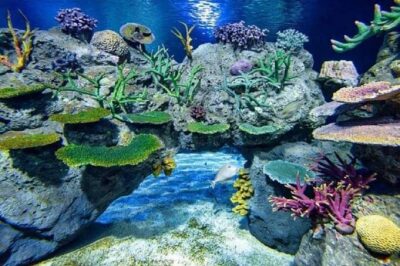
Browse the lists this tour appears in