
Reviewed · KOH KER TOURS
Koh Ker & Preah Vihear
Remote temples reward the curious. This two-day journey from Siem Reap takes you far beyond the usual Angkor circuit, linking Koh Ker and Preah Vihear with rural villages, mountain roads, and lesser-known ruins. I like the chance to see daily Cambodian life along the way, and I like the small maximum of two people, which makes the trip feel personal rather than packaged.
The strongest praise goes to guide Ry Vanra and driver Mr. Buny. Guests describe Vanra as funny, patient, punctual, respectful, and easy to talk with, while Buny is praised for careful driving and staying off his phone. The main drawback is the cost of time and extras: the tour lasts about two days, and entrance fees, meals, lodging, and tips are not included in the $100 price.
In This Review
- Key points at a glance
- Why this two-day route feels different from Siem Reap
- Day one: Koh Ker and a lost royal capital
- Beng Mealea gives the ruins a rougher edge
- Peung Kom Nuo and the Kulen mountain setting
- Day two: Preah Vihear above the border country
- Ta Mok House adds difficult modern history
- The guide and driver can shape the long road hours
- Is $100 a fair price?
- Who should book this remote temple trip?
- Should you book Koh Ker and Preah Vihear?
- FAQ
- Where does the tour begin?
- How long does the experience last?
- How many people can join the tour?
- Is transport included?
- Are temple entrance fees included?
- Are food and accommodation included?
- What level of fitness is needed?
- Can I cancel for a full refund?
Key points at a glance
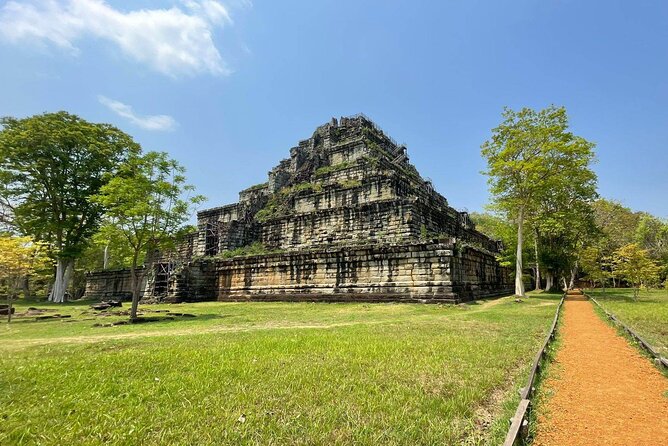
- Koh Ker’s seven-tier pyramid: Climb toward one of the Khmer Empire’s most unusual temple forms, built when Koh Ker was a major royal city.
- Preah Vihear on the Dangrek range: Reach a dramatic Hindu temple high above the surrounding countryside, near the Cambodian-Thai border.
- A small two-person format: The tour is designed for a maximum of two participants, useful if you want conversation and flexible attention.
- Rural Cambodia between temples: Long drives are part of the experience, with villages, farms, hills, and ordinary local life replacing Siem Reap’s busy tourist zones.
- Three distinct stops on day one: Koh Ker, Beng Mealea, and Peung Kom Nuo offer different kinds of ruins, from monumental stonework to jungle-covered remains.
- Practical preparation matters: You need moderate physical fitness, and you should budget separately for admission, food, accommodation, tips, and other expenses.
Why this two-day route feels different from Siem Reap
Most temple trips from Siem Reap stay within the familiar Angkor area. This one heads into more remote parts of northern Cambodia, where the journey itself becomes part of the attraction. The scenery changes from the flatter setting many people expect to a more hilly region, especially around the Kulen and Dangrek mountain areas.
I like that this is not simply a checklist of famous monuments. The description makes clear that you will also see rural life. That can mean more time on the road, but it gives the trip a wider sense of Cambodia. You are not only looking at old stone. You are also moving through the countryside where people still farm, work, and live far from Siem Reap’s hotel streets.
The tour begins at 8:30 in the morning, with pickup offered. Transport, a driver, a guide, and cold water are included. The small group limit of two is a real advantage here. On a long two-day outing, the difference between a private-feeling trip and a crowded minibus can be substantial.
Vanra is the guide connected with the tour, and the feedback about him is unusually consistent. He is described as professional, polite, patient, humorous, and able to speak good English. That matters on a route with long transfers and several historic sites, because a good guide can make the road time feel useful rather than merely tiring.
More Preah Vihear trips:
- Preah Vihear: Full-Day Preah Vihear and Koh Ker Temple Tour
★ 4.9 · 263 reviews - Full-Day Preah Vihear, Koh Ker and Beng Mealea Private Tour
★ 4.4 · 101 reviews - Preah Vihear temple – Koh Ker & Other temple with Small Group
★ 5.0 · 96 reviews
Day one: Koh Ker and a lost royal capital
The first major stop is Koh Ker, about six hours in the itinerary. That time likely includes the site visit and movement around the wider area, so ask for a clear schedule before departure. Admission is not included, and you should confirm the current fee when booking.
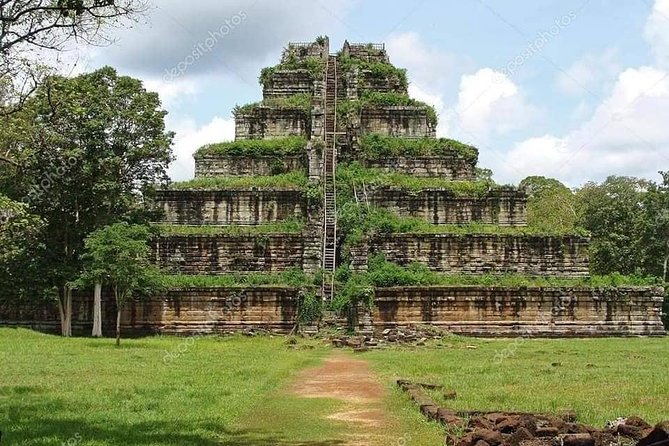
Koh Ker was one of the oldest cities of the Khmer Empire and served as a royal center between 928 and 944 AD. More than 10,000 people lived there during its period of importance. That scale changes how you see the ruins. This was not an isolated shrine in the forest. It was once a functioning city with political power, religious buildings, and a large population.
The site’s best-known feature is its seven-tiered Prang pyramid. The stepped form is unusual and gives Koh Ker a strong visual identity. It feels different from the broad galleries and towers associated with the central Angkor temples. If you enjoy monuments that suggest exploration, Koh Ker should be one of the most rewarding parts of the trip.
I would plan to wear sturdy shoes and expect walking over uneven ground. The tour requires moderate physical fitness, and the pyramid form alone suggests stairs, slopes, or rough surfaces may be part of the visit. The experience is less about a polished, easy walk and more about seeing a major old site in a remote setting.
Koh Ker also rewards patience. Do not rush straight to the main pyramid and leave. The wider area contains the remains of an old Khmer capital, so your guide can help explain how the separate structures fit into the larger settlement. Vanra’s interest in Cambodian history and culture should be useful here, especially if you want more than a few dates and names.
Beng Mealea gives the ruins a rougher edge
The next stop is Prasat Beng Mealea, scheduled for about one hour. Admission is separate, and the visit adds another style of temple to the day.
Beng Mealea was built in the early 12th century under King Suryavarman II. It is especially known for its ruined state and for plants growing around and through the temple. That combination gives the site a more untidy, atmospheric character than a fully restored monument.
The appeal is easy to understand. Fallen stones, broken galleries, and vegetation help you picture how difficult it can be to preserve large stone complexes in a tropical climate. At the same time, the rough condition can make the site harder to read. You may need your guide to point out doorways, courtyards, and the original shape of the temple.
One hour is enough for an introduction, but it is not a long, leisurely visit. If Beng Mealea is especially important to you, ask how much of that hour is actual temple time and how much is driving or arranging entry. The schedule covers a lot of ground, so time at each place is necessarily limited.
I like the contrast between Koh Ker and Beng Mealea. Koh Ker offers the drama of a pyramid and a former royal city. Beng Mealea offers broken stone and plant growth. Together, they show that Khmer architecture is not one single visual experience.
Peung Kom Nuo and the Kulen mountain setting
Day one continues to Peung Kom Nuo, described as a lesser-known site in the Kulen mountain area. The planned stop lasts about one hour, and admission is not included.
The supplied details do not identify a specific monument or explain the exact features at Peung Kom Nuo, so I would treat this as a quieter, less predictable part of the route. Its value appears to come from the setting and the sense of finding a place away from the main circuit. You might find the stop more compelling for its setting and atmosphere than for a famous architectural centerpiece.
This is also where the tour’s central promise becomes clearest. The scenery is more hilly than many people expect from Cambodia, and the Kulen area changes the feel of the trip. The road journey is not wasted time if you enjoy seeing how villages and countryside connect the temple sites.
By the end of day one, you will have spent many hours on the move and on your feet. Accommodation is not included, so confirm exactly where you will stay and what arrangements the provider expects you to make. Food is also separate. A little planning here will prevent the second day from starting with unnecessary confusion.
More Koh Ker trips:
- Koh Ker Temple Group & Beng Mealea Full-Day Join-in Tour
★ 5.0 · 710 reviews - From Siem Reap: Koh Ker and Beng Mealea Temples Tour
★ 4.9 · 293 reviews - 4-Day Excursion of Angkor, Koh Ker, Beng Mealea, Tonle Sap and Waterfalls
★ 5.0 · 87 reviews - Siem Reap: Koh Ker, Beng Mealea, & Banteay Srei Join-in Tour
★ 5.0 · 48 reviews
Day two: Preah Vihear above the border country
Preah Vihear is the centerpiece of the second day, with about three hours allocated to the stop. Entrance fees are not included.
This ancient Hindu temple was built during the Khmer Empire on top of the Dangrek mountain range, near the Cambodia and Thailand border. The high setting is the key difference. Instead of encountering a temple surrounded mainly by flat forest or fields, you approach a monument connected to a long ridge and broad views.
The location gives Preah Vihear a powerful sense of place. Khmer builders did not choose the site only for convenience. The temple’s position on the mountain helps explain its religious and political importance. You can pay attention to the long approach, the rising ground, and the way the structure relates to the ridge.
Three hours gives you more breathing room than the one-hour stops on day one. That is useful at a large hillside temple, where walking and looking back at the views are part of the experience. Still, you should expect some physical effort. The tour specifically calls for moderate fitness, and the mountain setting may involve slopes, stairs, or extended walking.
Preah Vihear is close to the Thai border, so this is a place where logistics matter. Keep your passport and travel documents secure, follow your guide’s instructions, and ask in advance if there are any current access rules. The provided information does not specify border formalities, so the operator should clarify anything that affects your visit before departure.
The border setting also adds context. Preah Vihear is not simply another temple to photograph. It is a monument located in a part of Cambodia where geography and national identity carry extra weight. A guide who can explain the site calmly and clearly will add real value.
Ta Mok House adds difficult modern history
The final listed stop is Ta Mok House, with about 30 minutes planned. Ta Mok was a former Khmer Rouge leader from 1975 to 1979.
This is a very different kind of stop from the temples. Ancient ruins can feel distant, but Ta Mok House points toward Cambodia’s recent and painful past. Even a short visit can help you connect the countryside to the events that shaped modern Cambodian life.
The half-hour schedule suggests a brief introduction rather than an extended museum visit. I would not expect a full treatment of Khmer Rouge history here. Instead, use the stop as a prompt to ask Vanra about the period, the local area, and how Cambodia remembers it.
The subject can be heavy, so approach it with respect. It is also one reason this tour offers more than temple sightseeing. You see religious architecture, rural communities, mountain territory, and a site linked to a dark chapter in national history, all within one route.
The guide and driver can shape the long road hours
The praise for Ry Vanra is one of the strongest reasons to consider this tour. He is described as having excellent English, strong knowledge of Cambodia and its history, a good sense of humor, and a patient manner. One account specifically praises his careful planning, while another notes that he helped with more than the basic schedule.
That kind of personal service is especially valuable on a two-day trip. You can ask questions as the scenery changes, discuss Cambodian culture, and request sensible rest breaks. Vanra has also been praised for stopping at interesting places along the way, rather than treating every pause as a simple fuel or bathroom break.
The driver, Mr. Buny, is praised for safe driving and for not looking at his phone. That may sound like a small detail, but it is not. Long road transfers are a major part of this experience, and careful driving should be high on your list when choosing a remote temple trip.
The experience allows a maximum of two people. That makes it a good choice for a couple, parent and adult child, or two friends who want to ask questions without holding up a large group. It may also help the itinerary feel less rigid, although you should confirm how much flexibility is actually available.
Is $100 a fair price?
At $100 per person, the tour is not an all-inclusive two-day holiday. The price covers transport, driver, guide, and cold water, but not temple admission, food, accommodation, tips, or other expenses.
The value depends on how you calculate it. If you want only the lowest possible cost, additional fees can make the final total higher than the advertised price. If you value private-style transport, an English-speaking guide, careful driving, and access to remote sites over two days, the base price looks more reasonable.
The small group cap is important. A two-person maximum gives you far more personal attention than a large coach tour. It also makes the guide’s role more useful, since your questions and pace are less likely to be lost in a crowd.
I would ask for a written estimate of the total expected cost before booking. Confirm the admission fees, hotel arrangement, meal plan, and any local transport needed at Preah Vihear. The tour offers free cancellation up to 24 hours before the start time, but changes or cancellations within 24 hours are not refunded.
The tour is booked an average of 64 days ahead, which suggests you should not leave it until the last moment if your dates are fixed. Confirmation is provided when you book, and pickup is offered from Siem Reap.
Who should book this remote temple trip?
I would recommend it to you if you have already allowed time for Siem Reap’s major temples and want something less routine. It suits people who enjoy long drives, unusual ruins, rural scenery, and conversation with a local guide.
It is also a strong fit if Preah Vihear is a personal priority. Reaching a temple on the Dangrek range takes more effort than visiting sites near town, and combining it with Koh Ker makes the long journey more worthwhile.
You should think twice if you dislike early starts, rough walking, or spending much of a day in a vehicle. The route covers several distant places, and the itinerary is ambitious. It is not designed as a slow, resort-style break.
Families can consider it, but the moderate fitness requirement matters. A 63-year-old participant completed the route with her adult daughter, showing that age alone is not the issue. Comfort with walking, stairs, long transfers, and changing conditions is more important.
Should you book Koh Ker and Preah Vihear?
Book this tour if you want Cambodia beyond the standard temple route, and if you value a guide who can make long road hours interesting. Koh Ker’s pyramid, Beng Mealea’s broken stone, Peung Kom Nuo’s mountain setting, Preah Vihear’s high ridge, and Ta Mok House create a varied two-day program.
Before paying, confirm the full cost and overnight arrangements. Go with sturdy footwear, a realistic fitness level, and patience for a long route. For the right person, this is a strong-value way to see remote Cambodia with personal guiding rather than simply collecting temple photographs.
FAQ
Where does the tour begin?
The tour begins in Siem Reap, with pickup offered. The stated start time is 8:30 am.
How long does the experience last?
The experience lasts approximately two days.
How many people can join the tour?
The tour has a maximum of two travelers.
Is transport included?
Yes. Transport, a driver, a tour guide, and cold water are included.
Are temple entrance fees included?
No. Entrance fees for the listed stops are not included in the tour price.
Are food and accommodation included?
No. Food and accommodation are separate expenses.
What level of fitness is needed?
A moderate level of physical fitness is recommended. The route includes temple visits in hilly and mountain areas.
Can I cancel for a full refund?
Yes, if you cancel at least 24 hours before the experience start time. Cancellations within 24 hours are not refunded, and changes within that period are not accepted.
Just added around Siem Reap
- Private Battambang Full-Day Guided Tour★ 4.5 · 3 reviews
- Kulen Mountain, Beng Mealea and Banteay Srei Full Day Tour★ 5.0 · 3 reviews
- Kompong Pluk Tour★ 5.0 · 3 reviews
- Private 3 Day Tour to Discover the ancient temples★ 5.0 · 3 reviews
- Cambodia: Absolute Traditional Dance Show with Buffet Dinner★ 5.0 · 3 reviews
- Kulen National Park Ticket -Waterfall & 1000 Lingas★ 5.0 · 3 reviews
- Border Transfer (Siem Reap to Laos/Laos to Siem Reap)★ 3.5 · 3 reviews
- Siem Reap Countryside Sunset Vespa Tour or Tuk Tuk★ 4.5 · 3 reviews
Koh Ker Tours, compared.
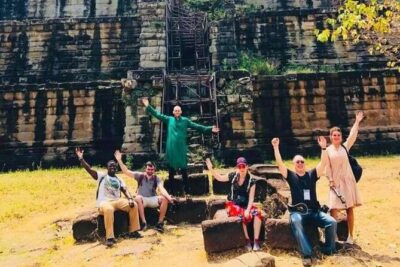
Koh Ker Temple Group & Beng Mealea Full-Day Join-in Tour
Read our review →
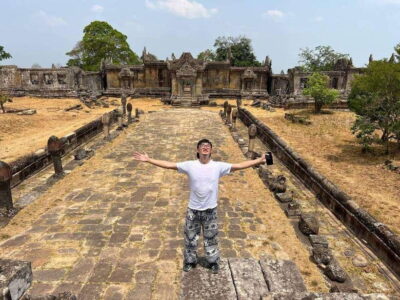
Preah Vihear: Full-Day Preah Vihear and Koh Ker Temple Tour
Read our review →
Full-Day Preah Vihear, Koh Ker and Beng Mealea Private Tour
Read our review →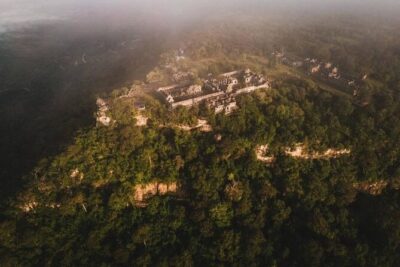
Preah Vihear temple – Koh Ker & Other temple with Small Group
Read our review →
4-Day Excursion of Angkor, Koh Ker, Beng Mealea, Tonle Sap and Waterfalls
Read our review →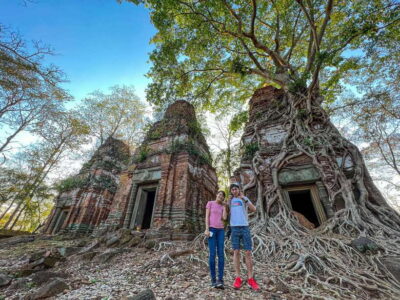
Koh Ker, Beng Mealea, & Banteay Srei Join-in Tour
Read our review →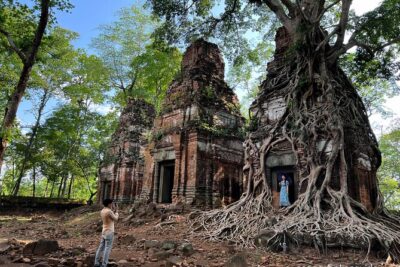
Full Day Banteay Srei Beng Mealea and Koh Ker Small Group Tour
Read our review →Browse the lists this tour appears in