
Reviewed · MONK BLESSING CEREMONIES
Monk Blessing Ceremony
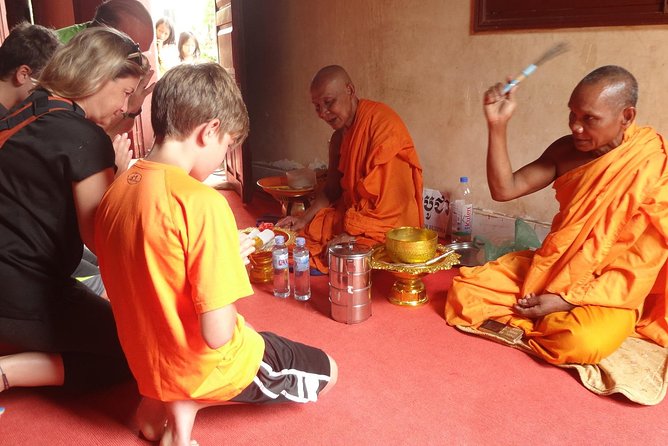
A red thread, a quiet prayer, and a splash of holy water make this Siem Reap outing memorable. The Monk Blessing Ceremony at Wat Porkrom offers a close look at Cambodian Buddhist customs, with a guide explaining the prayers, offerings, chanting, and meaning behind the ritual. It is a gentle change of pace from temple sightseeing.
I like the personal guide and the fact that your offering is part of the ceremony, rather than a performance arranged only for visitors. I also like the practical touches: hotel pickup, a sarong and towel, and a red thread tied around your wrist at the end. The main consideration is timing. The ceremony itself is advertised at one to two hours, but the full outing can run closer to three hours with driving.
For $45, this is a fairly priced cultural visit if you want explanation as well as atmosphere. It is not a major temple tour or a packed sightseeing day. It is a small, reflective activity, and you should book it for the chance to take part respectfully, not simply to collect a quick photo.
In This Review
- Key points at a glance
- Why this small ceremony deserves a place in Siem Reap
- Arriving at Wat Porkrom from your hotel
- Preparing with a sarong, towel, and offering
- The offering and explanation before the blessing
- Chanting, prayers, and the water blessing
- The red thread around your wrist
- What the guide adds to the visit
- How long the outing really takes
- The $45 price and what you receive
- Who should book this ceremony
- Practical advice for a respectful visit
- FAQ
- Where does the Monk Blessing Ceremony take place?
- How long does the ceremony last?
- Is hotel pickup included?
- Is a guide provided?
- What happens during the ceremony?
- What does the red thread mean?
- Is the monk offering included?
- Is suitable clothing provided?
- Can children participate?
- Can I cancel for a full refund?
- Should you book the Wat Porkrom blessing?
Key points at a glance
- Wat Porkrom setting: The ceremony takes place at a well-known pagoda in Siem Reap, giving you a direct connection with local Buddhist practice.
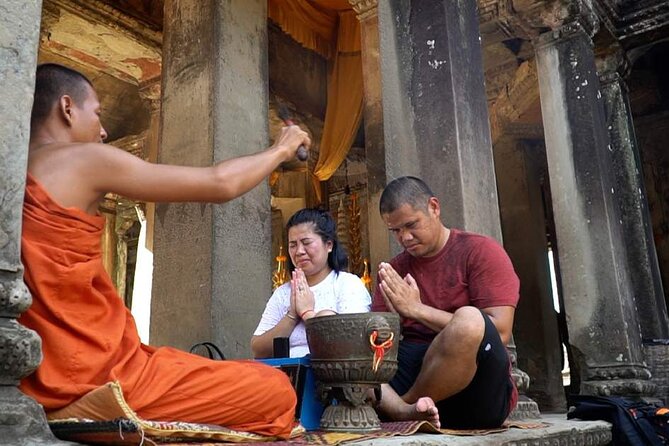
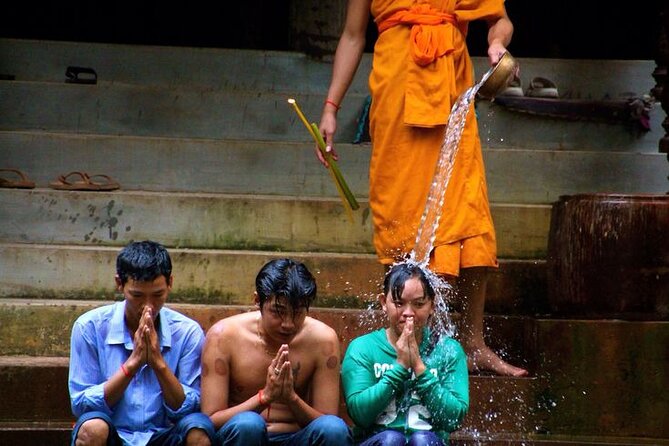
- Chanting and water blessing: Monks pray and chant before pouring blessed water in a ceremony explained by your guide.
- Red wrist thread: Each participant receives a thin red thread tied around the wrist as a symbol of prosperity and good fortune.
- Offering included: The monk offering is covered in the price, so you do not need to arrange this separately.
- Pickup and flexible timing: Round-trip hotel transport is included, and the organizers have shown flexibility when schedules change.
- Useful clothing provided: A sarong and towel are supplied, which helps you dress appropriately for the pagoda visit.
Why this small ceremony deserves a place in Siem Reap
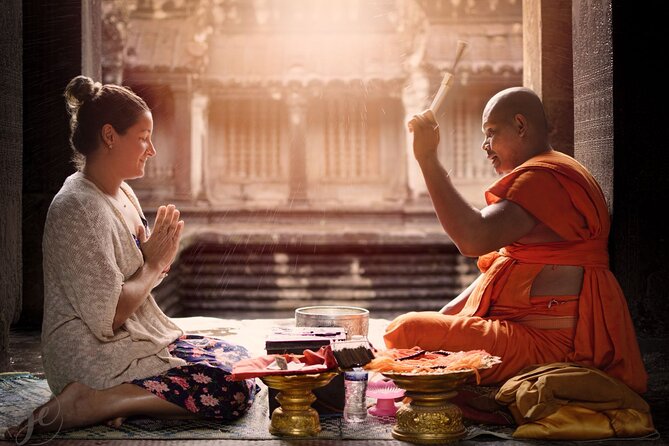
Siem Reap is best known for Angkor, but the city’s religious life gives you a different way to understand Cambodia. A monk blessing ceremony is not a grand monument. It is a short meeting with a living tradition, guided by someone who can explain what is happening as the ritual unfolds.
The value is in the context. Without an explanation, you might see monks chanting, flowers arranged near an altar, incense burning, and water being poured, then miss the meaning of each step. Here, your English-speaking guide helps connect those actions to ideas about cleansing karma, encouraging joy, and inviting good fortune.
I especially like the slower pace. After crowded temple roads and a busy city schedule, sitting quietly while prayers are recited can feel like a welcome pause. The setting is intended to be intimate, so this is better suited to a person who wants a calm cultural encounter than to someone looking for constant activity.
The ceremony is also accessible for families. One account describes a visit by a parent and a 13-year-old daughter, who found it both educational and enjoyable. That makes this a useful choice if you want to introduce older children to Buddhism without signing up for a long lecture.
More monk blessing ceremonies:
- Siem Reap: 1-Hour Cambodian Buddhist Water Blessing
★ 4.9 · 68 reviews - Monk Blessing Ceremony in Siem Reap
★ 5.0 · 24 reviews - Private Guided Angkor Wat Tour by Lady Tuk Tuk with Monk Blessing
★ 5.0 · 19 reviews
Arriving at Wat Porkrom from your hotel
The outing begins with round-trip transportation from your hotel in Siem Reap. A driver and English-speaking guide handle the transfer, which removes the need to find Wat Porkrom on your own or arrange a tuk-tuk for the return journey.
The drive time matters. The advertised ceremony lasts about one to two hours, while one detailed account described roughly three hours in total including transportation. I would keep a half-day window open rather than scheduling another activity immediately afterward.
The organizers have also shown some flexibility with timing. When one visitor arrived late because of another tour, the ceremony was rescheduled without a problem. That is useful in Siem Reap, where temple visits and traffic can make a tight timetable risky. Still, you should provide accurate pickup details and contact the operator as soon as possible if your plans change.
Your guide is more than a driver. The guide explains what to do before meeting the monk and helps you understand the offering process. That small briefing is important, since the ceremony is more meaningful when you know how to behave and what the ritual represents.
Preparing with a sarong, towel, and offering
Appropriate clothing is part of the preparation. The tour provides a sarong and towel, which is helpful if your clothing is not suitable for entering the pagoda or participating in the blessing.
The supplied information does not give a detailed dress code, so follow the guide’s instructions at the site. The sarong is a practical sign that the organizers expect you to dress with respect, rather than treat the pagoda like a casual sightseeing stop.
A monk offering is also included. This saves you from having to work out what to bring or buy, and it gives the ceremony a proper structure. Your guide can explain how the offering is made and what you should do during that part of the visit.
This is one reason the $45 price feels reasonable. You are paying for transport, guidance, clothing support, the offering, and the ceremony itself. The price is not just admission to a place. It covers the pieces that make the visit understandable and manageable.
The offering and explanation before the blessing
Before the actual blessing, your guide explains the traditions connected with the ceremony. You may learn how the offering is presented and why the ritual is associated with good fortune, joy, and the cleansing of karma.
This explanation is the heart of the activity. A ceremony can be beautiful to watch, but its meaning can remain unclear if nobody interprets it. The guide gives you a way to see the prayers and objects as part of Buddhist practice, not just as colorful details.
The experience is described as private, although the overall arrangements also refer to group discounts. Ask the operator about the exact setup if you are booking for several people. The available information confirms that group savings may be offered, but it does not give a fixed group size or discount amount.
The setting includes incense and flower offerings. These details create a quiet sensory backdrop without turning the ritual into a staged show. You should expect the mood to be solemn and respectful, with a festive quality during parts of the water blessing.
A few more trips worth weighing up
- Angkor Wat Sunrise or Sunset Tour with Guide from Siem Reap
★ 5.0 · 12,109 reviews - Siem Reap: Angkor Wat: Small-Group Sunrise or Sunset Tour
★ 5.0 · 9,444 reviews - From Siem Reap: Kampong Phluk Floating Village Tour by Boat
★ 4.9 · 6,979 reviews - Sunset tour of Kampong Phluk stilts home village on the Tonle Sap
★ 5.0 · 4,865 reviews
Chanting, prayers, and the water blessing
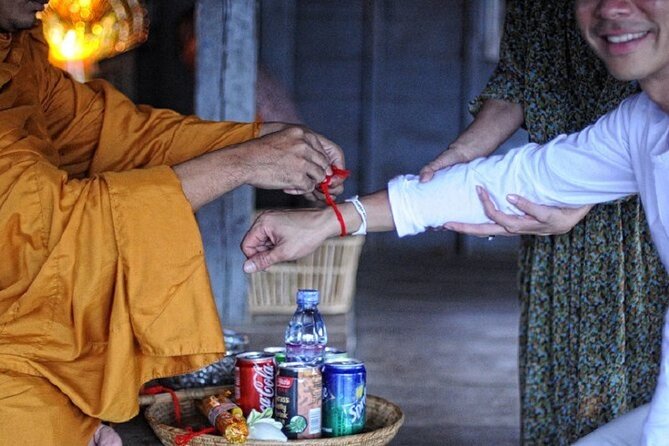
The main ceremony includes Buddhist prayers, chanting, and singing by the monks. Your guide explains the ritual while you observe and take part where appropriate.
The sound of chanting is likely to be the most powerful part for many people. You do not need a background in Buddhism to appreciate the calm rhythm, but the guide’s explanation helps you understand why the words and actions matter.
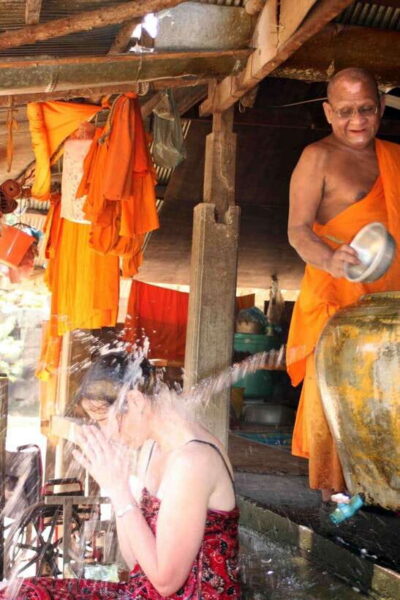
The water blessing follows the prayers. The monks pour water as part of the blessing, and this is the point when the ceremony feels most direct and personal. The water is not simply a photo opportunity. It is tied to the ideas of purification and good fortune that the guide introduces at the beginning.
You should be ready to listen closely and follow instructions. A religious ceremony works best when you remain patient and respectful, even if you do not understand every word. This is not the place for loud conversation or a rushed approach.
One account describes the ritual as solemn and especially meaningful when held on January 1. Another mentions receiving a blessing during the full moon. The date can affect the atmosphere, but the supplied information does not promise that every booking will fall on a full moon or public holiday. If a special date matters to you, ask before booking.
The red thread around your wrist
At the end, a monk ties a thin red thread around your wrist. It symbolizes prosperity and good fortune, and it gives you a modest physical reminder of the ceremony after you leave the pagoda.
This small gesture is one of the most memorable parts of the visit. It is personal without being elaborate, and it allows you to carry a piece of the ritual with you during the rest of your time in Cambodia.
The blessing is also a good way to mark the end of a trip. One visitor described it as a fitting final activity before leaving Cambodia. That makes sense: after the noise and motion of a holiday, a quiet ceremony can provide a thoughtful closing moment.
Do not expect the red thread to be a souvenir in the usual sense. Its value is symbolic, and the meaning comes from the ceremony and the respect with which you receive it.
What the guide adds to the visit
The guides receive particularly strong praise for their politeness, patience, and clear explanations. One guide named in the feedback is Mr. Chhun Bunleng, who explained what to do before the participant met the monk and handled the pickup.
The guide’s role matters because customs can be easy to misread. You might not know when to sit, how to make the offering, or how to respond during the water blessing. Having a local person explain the steps keeps the ceremony comfortable for you and respectful toward the monks.
The guide can also tailor the visit to your preferences and schedule. That does not mean every part can be changed, since the ceremony follows its own religious pattern. It does mean the operator may be able to work around your timing and answer questions along the way.
A further point worth noting is that one account says part of the proceeds is donated to the monks. The same account mentions ongoing construction at the temple. Because the supplied information does not state the donation amount or provide a formal construction schedule, treat this as something to confirm directly if supporting the site is important to your booking decision.
How long the outing really takes
The stated duration is approximately one to two hours. That appears to refer mainly to the ceremony and related activity, not necessarily the full time from hotel pickup to return.
Allow about three hours if you want to plan comfortably. The actual length can depend on the drive, the ceremony schedule, and the number of people attending. Building in extra time also prevents you from watching the clock during the blessing.
This flexible timing can be a benefit. The organizers have accommodated a late arrival caused by another tour, which suggests a practical approach to scheduling. It can also be a drawback if you have a tightly packed day of temple visits, meals, and transport.
I would schedule this either in a quiet gap between larger activities or near the end of your Siem Reap stay. It works less well as a rushed appointment squeezed between two fixed departures.
The $45 price and what you receive
At $45, the ceremony sits in a moderate price range for a private cultural outing with transport. The cost includes an English-speaking driver and guide, the monk blessing ceremony, a sarong, a towel, and the monk offering.
The value is strongest if you would otherwise need to pay separately for a ride, arrange an offering, and find someone to interpret the ceremony. The guide’s explanation is the part that turns a short ritual into a learning experience.
The price may feel high if you only want a quick blessing and already have transport to Wat Porkrom. In that case, much of what you are paying for is convenience, preparation, and interpretation. Group discounts could improve the value for families or small parties, but the exact discount is not provided.
The activity also appears to support a local religious site, though you should confirm how the donation arrangement works if that is a major reason for booking. The strongest case for the price is not the length. It is the quality of the cultural access and the care taken with the arrangements.
Who should book this ceremony
I would recommend this to you if you want a quieter cultural activity alongside Angkor’s major temples. It suits people who appreciate explanation, ritual, and local customs more than fast sightseeing.
Families with older children can also find it worthwhile. The ceremony offers a clear introduction to Buddhist traditions, and the one to two hour format is manageable compared with a full day of temple touring.
It may also suit you if you are finishing a Cambodian holiday. The blessing and red thread provide a meaningful closing moment, especially if you prefer reflective activities to another busy attraction.
You may want to skip it if you dislike religious ceremonies, need a precise finish time, or want a tour packed with several sights. This is deliberately focused. Its strength is concentration, not variety.
Practical advice for a respectful visit
Listen to your guide before entering the ceremony. The briefing is not filler. It tells you how the offering works and what is expected when you meet the monk.
Use the provided sarong if instructed, and keep the towel available for the water blessing. The ceremony involves incense, flowers, chanting, and water, so expect a sensory setting rather than a quiet empty room.
Keep your schedule open beyond the advertised ceremony time. A three-hour total window is the safer choice once driving is included.
If you have a particular date in mind, such as a full moon or January 1, ask the operator whether a ceremony is available then. The atmosphere may vary by date, but no special calendar date is guaranteed with every booking.
The cancellation terms are simple: you can receive a full refund if you cancel at least 24 hours before the start time. Changes made inside that 24-hour period are not accepted, and poor weather or failure to meet the minimum number of participants may lead to a new date or a full refund.
FAQ
Where does the Monk Blessing Ceremony take place?
The ceremony takes place at Wat Porkrom, a pagoda in Siem Reap.
How long does the ceremony last?
The advertised duration is approximately one to two hours. Including transportation, you should allow closer to three hours based on the full outing time provided.
Is hotel pickup included?
Yes. Round-trip transportation from your hotel is included.
Is a guide provided?
Yes. An English-speaking driver and guide accompany the experience and explain the Buddhist rituals and offering process.
What happens during the ceremony?
The ceremony includes prayers, chanting, singing, a traditional water blessing, and a monk tying a red thread around your wrist.
What does the red thread mean?
The thin red thread symbolizes prosperity and good fortune.
Is the monk offering included?
Yes. A monk offering is included in the price.
Is suitable clothing provided?
Yes. The tour provides a sarong and towel for the ceremony.
Can children participate?
Most people can participate, and one provided account describes a 13-year-old joining with a parent. The experience is presented as suitable for most participants.
Can I cancel for a full refund?
Yes, if you cancel at least 24 hours before the experience start time. Cancellations or changes made less than 24 hours in advance are not refunded or accepted.
Should you book the Wat Porkrom blessing?
Book it if you want a sincere, well-explained encounter with Cambodian Buddhist tradition and have room for a calm three-hour outing. The strongest features are the guide’s clear help, the included offering and clothing, the water blessing, and the red thread that gives the ceremony a lasting personal touch.
At $45, it is good value for visitors who need transport and cultural explanation. I would not choose it for a packed sightseeing day or a quick photo stop. Choose it when you want to slow down, listen to the chanting, and leave Siem Reap with more than another temple picture.
Just added around Siem Reap
- Private Battambang Full-Day Guided Tour★ 4.5 · 3 reviews
- Kulen Mountain, Beng Mealea and Banteay Srei Full Day Tour★ 5.0 · 3 reviews
- Kompong Pluk Tour★ 5.0 · 3 reviews
- Private 3 Day Tour to Discover the ancient temples★ 5.0 · 3 reviews
- Kulen National Park Ticket -Waterfall & 1000 Lingas★ 5.0 · 3 reviews
- Cambodia: Absolute Traditional Dance Show with Buffet Dinner★ 5.0 · 3 reviews
- Border Transfer (Siem Reap to Laos/Laos to Siem Reap)★ 3.5 · 3 reviews
- Beng Melea, Rolous Group & Kompong Phluk Floating Village★ 5.0 · 3 reviews
Monk Blessing Ceremonies, compared.
Private Guided Angkor Wat Tour by Lady Tuk Tuk with Monk Blessing
Read our review →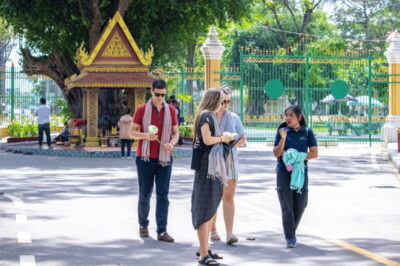
Khmer Water Blessing by Monk and Lotus Farm Visit
Read our review →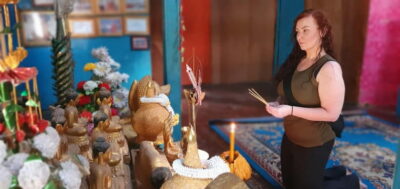
Siem Reap Cambodian Buddhist Water Blessing and Local Market
Read our review →Siem Reap Cambodian Buddhist Water Blessing and Local Market
Read our review →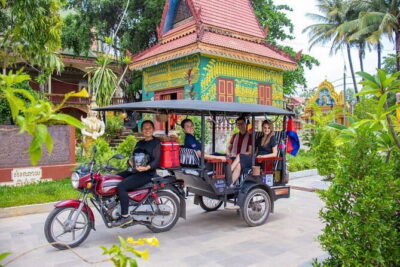
Traditional Khmer Water Blessing by Monk and Lotus Farm Visit
Read our review →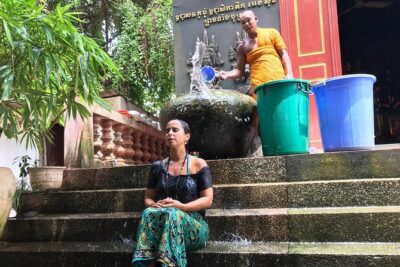
Buddhist Water Blessing and Real Life Experience with Local
Read our review →Browse the lists this tour appears in