
Reviewed · MONK BLESSING CEREMONIES
Siem Reap: 1-Hour Cambodian Buddhist Water Blessing
Leave the temple circuit wet and smiling. This Siem Reap experience takes you beyond the usual Angkor route for a Buddhist water blessing at Wat Arang Pagoda, where monks chant, sprinkle or pour blessed water, and tie red threads around your wrist. I like the personal nature of the ceremony and the chance to visit a local market, two details that make this feel less like sightseeing and more like a cultural exchange.
I also like that the English-speaking guide explains the ritual and helps you follow local temple manners. Guides named Sokha and Lee have been praised for their clear explanations, photos, and kindness. The main consideration is simple: the longer blessing leaves you soaked, and one form may not always be offered as a free choice, so ask your guide about the options before the ceremony begins.
In This Review
- Key points to know before you go
- Why this makes a good break from Angkor
- The tuk-tuk ride south of Siem Reap
- A local market before the pagoda
- Entering Wat Arang Pagoda
- Choosing the short or longer blessing
- What the ceremony feels like
- Learning about Buddhism, animism, and Cambodian life
- What to wear and what to pack
- Is $37 a fair price?
- Who will enjoy this experience most
- Booking details worth knowing
- Should you book the Wat Arang blessing?
- FAQ
- How much does the Siem Reap Buddhist water blessing cost?
- How long does the activity last?
- Is hotel pickup included?
- What types of water blessing are available?
- Is clothing provided for the ceremony?
- Is the market visit included?
- Can I cancel or pay later?
Key points to know before you go
- Wat Arang Pagoda is just south of Siem Reap: You leave the central tourist zone and visit a working countryside monastery.
- You can receive one of two blessings: One uses chanting and a light sprinkling of water, while the longer ritual pours blessed water over your head.
- The full ritual can be very wet: A sarong is provided for the longer blessing, and an extra towel is useful, especially if you have long hair.
- The red wrist ties remain as a small reminder: At the end, the monk ties special red threads that signify the blessing.
- The market stop adds local context: You pass through a market used by local people to buy food, vegetables, fish, meat, and other goods.
- The $37 price covers more than the ceremony: It includes hotel pickup, tuk-tuk transport, an English-speaking guide, the sarong, the pagoda donation, and the market visit.
Why this makes a good break from Angkor
Siem Reap is famous for temple ruins, but Cambodia is not only a collection of old stones. A functioning pagoda gives you a look at Buddhist practice as it exists today, with monks living, praying, and serving their community.
This activity offers a gentle change of pace after visiting Angkor Wat, Bayon, and the other major sites. You are not rushing from one monument to another. Instead, you spend time listening to chanting, asking questions, and taking part in a ritual that has been practiced in Cambodia for generations.
The setting matters. Wat Arang is an ancient pagoda in the countryside, south of Siem Reap. The ride by tuk-tuk helps create a clear break from the hotel district and tourist streets. You get a short outing into a more local part of the province without committing to a full-day village tour.
The experience lasts about two hours overall, although the water blessing itself is described as a one-hour activity. The difference is useful to understand. Your total time includes pickup, the tuk-tuk ride, the market visit, explanations from the guide, time at the pagoda, changing clothes, and the return trip.
More monk blessing ceremonies:
- Monk Blessing Ceremony in Siem Reap
★ 5.0 · 24 reviews - Private Guided Angkor Wat Tour by Lady Tuk Tuk with Monk Blessing
★ 5.0 · 19 reviews - Siem Reap: Khmer Water Blessing by Monk and Lotus Farm Visit
★ 5.0 · 15 reviews
The tuk-tuk ride south of Siem Reap
Pickup is included from your hotel at the time shown on your booking. A driver collects you and takes you by tuk-tuk toward Wat Arang Pagoda. The ride is part of the experience, not just a transfer, since it carries you away from the busy visitor center and into the countryside.
Your guide should explain what will happen before you arrive. That preparation is important because temple customs may not be obvious, and the blessing has several stages. The strongest guide comments have focused on this practical help. Sokha, for example, has been praised for explaining what to do during the ritual and translating the monk’s words afterward. Lee has also been singled out for careful instructions, photographs, and answers to questions.
The exact pace depends on the pickup point and the day’s arrangements. Keep your schedule reasonably open around the two-hour duration rather than booking a tight appointment immediately afterward.
A local market before the pagoda
The market visit is included, and it gives the outing a useful everyday Cambodian setting. You may see the kinds of goods local people buy for home and temple life, including vegetables, fish, meat, and other supplies. One description also mentions gold stalls, which gives you a sense of the market’s wider range.
This is not presented as a long shopping trip. Think of it as a short stop that helps you understand the community around the pagoda. Your guide can explain what you are seeing and answer questions about Cambodian customs and daily life.
I like this part because it keeps the outing grounded. You are not only being taken to a ceremony prepared for visitors. You also see a place where local people handle ordinary errands. If you want a carefully planned shopping stop with lots of time to browse, this may feel brief. Its value is cultural context, not a major retail experience.
Entering Wat Arang Pagoda
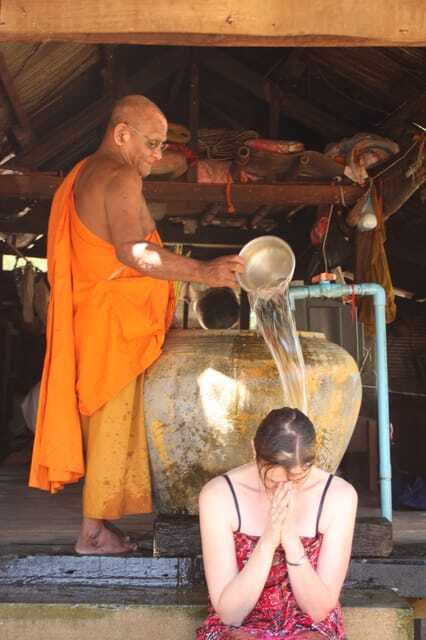
At the pagoda, your guide introduces the grounds and explains how the monastery works. The available information describes time spent learning about Buddhism, the monks, the temple, and the work the monastery does for older people, sick people, and those needing shelter or assistance.
Some guides bring personal experience to these explanations. One guide described in the booking history had previously been a monk, which allowed him to explain Buddhist practice and monastery life in a particularly direct way. You should feel free to ask questions, since this is one of the parts that can turn a short ceremony into a meaningful cultural visit.
You will make an offering to the monk, and the cost of the experience includes a donation to the pagoda. One detailed account says the donation includes foodstuffs that can help the monk support poor people and those who rely on the monastery. That gives the included donation a practical purpose rather than making it feel like an extra payment at the temple.
Dress and behavior matter here. Your guide should explain the proper protocol, and you should follow the monk’s instructions closely. Keep your manner quiet and respectful, and let the guide handle questions about what is appropriate.
A few more trips worth weighing up
- Unlimited Drinks! Pre-Game Session – 1 Hour
★ 4.5 · 7 reviews
Choosing the short or longer blessing
There are two forms of blessing described for this activity. The first is the lighter option. Monks chant together as they wish you good luck, safe travel, and a long life, while lightly sprinkling you with water.
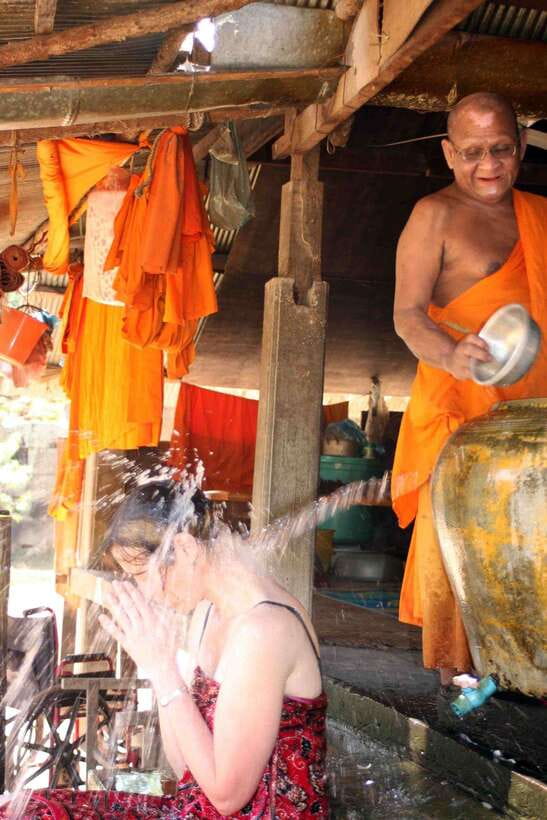
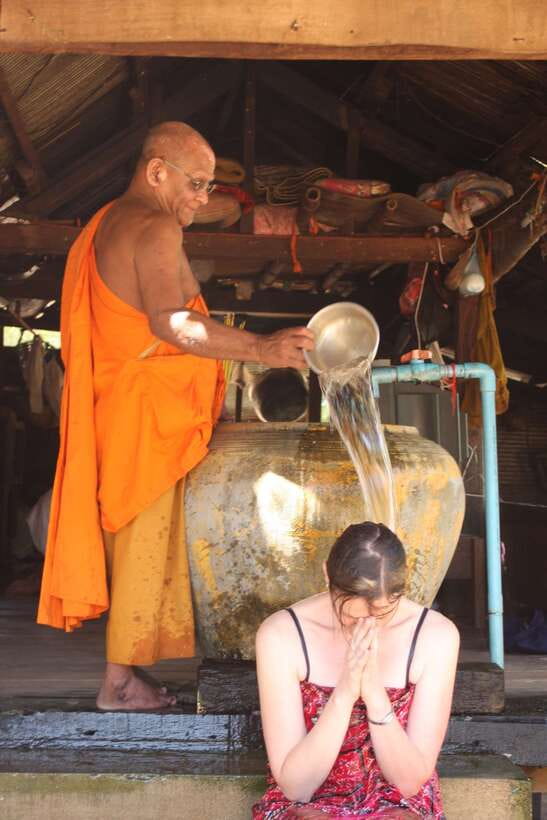
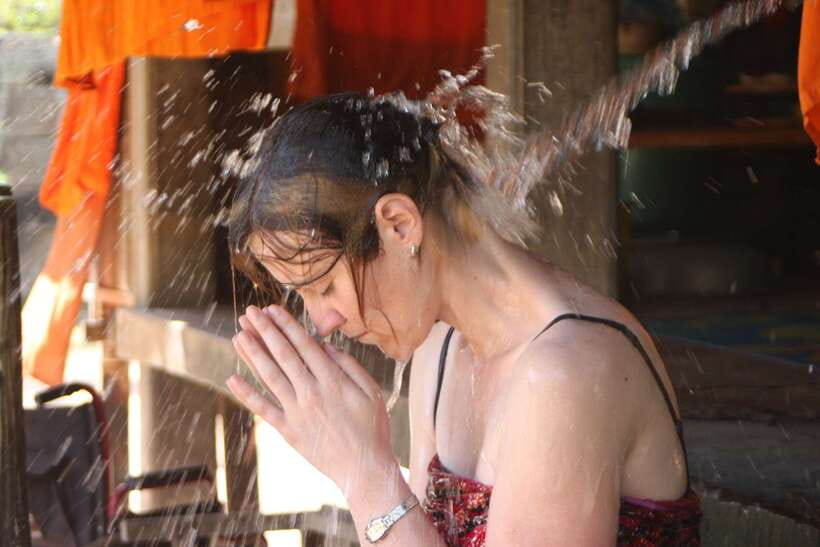
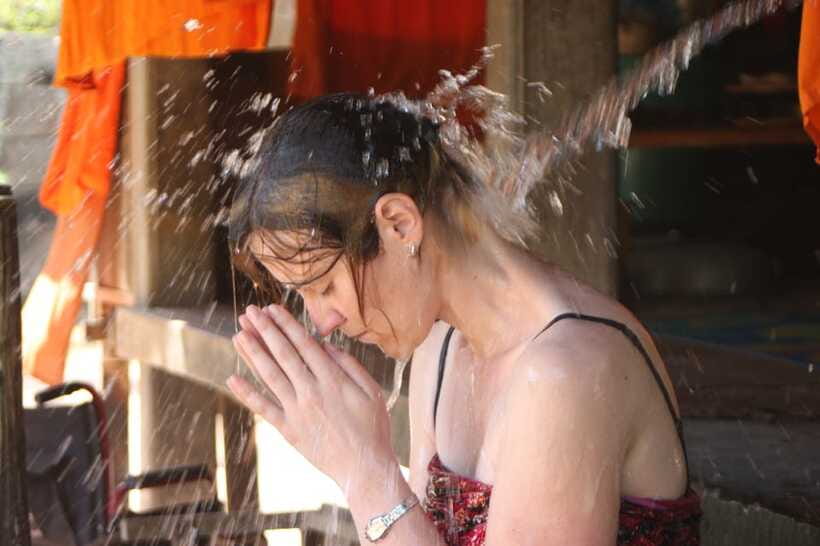
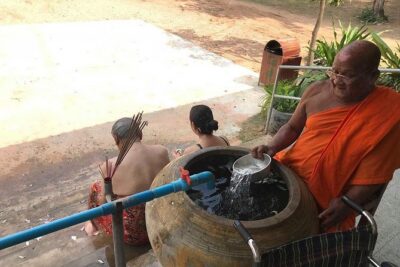
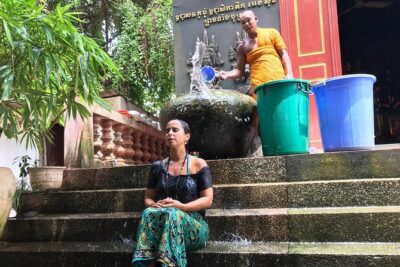
The second is longer and much wetter. Monks chant while vessels of blessed water are poured over your head. You change into a sarong first so your clothing stays dry. Afterward, a towel is provided so you can dry off and change back.
The shorter blessing may suit you if you want the ritual but prefer to remain mostly dry. The longer version is more physical and memorable, especially on a hot day. Several detailed accounts describe the water as refreshing in Cambodia’s heat, while another makes clear that the buckets can come as a surprise if you do not know what is coming.
Do not assume you will automatically choose between the two. One person found that the preferred form was not offered as expected. The best practical step is to tell your guide before the ceremony starts which experience you want and ask what the monk will perform that day.
The chanting is an important part of the first blessing. During the longer water ritual, the sound of the water can make the words harder to hear. If understanding every chant is important to you, ask the guide to explain the meaning beforehand.
What the ceremony feels like
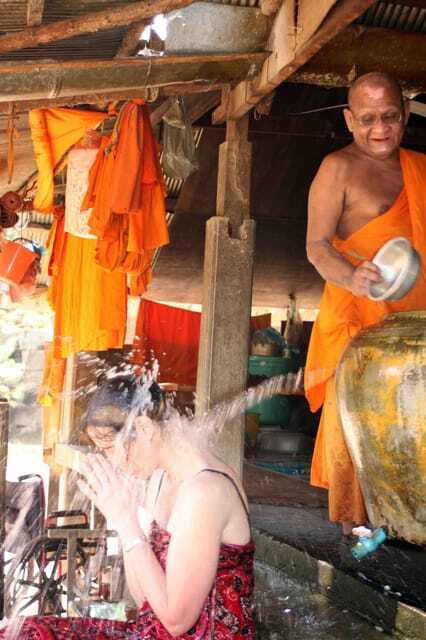
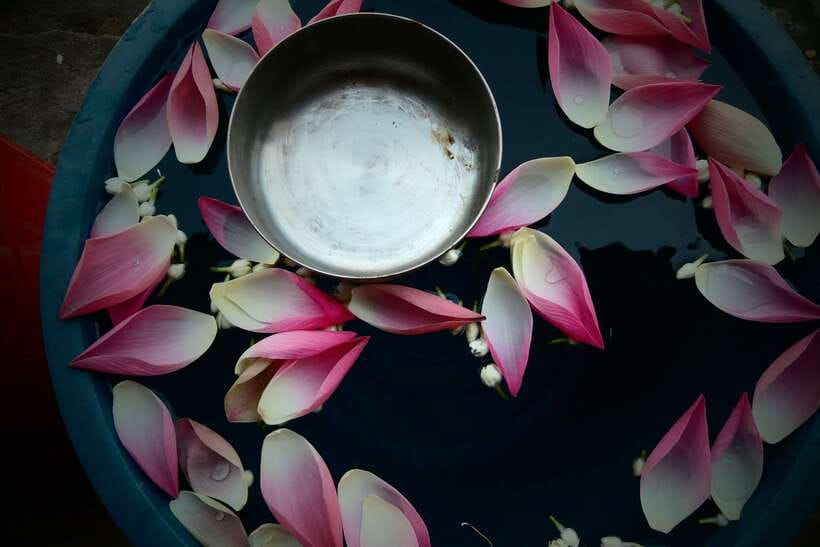
The ritual begins with chanting and water. Depending on the form, you may sit while the monk sprinkles water and flowers, or you may sit on steps while blessed water is poured over you.
The ceremony is personal but not lengthy. Accounts describe the actual blessing as lasting roughly seven minutes for a couple in one case, while the overall pagoda visit may last considerably longer. That makes this a good choice if you want a meaningful cultural activity without giving up an entire day.
At the end, the monk ties special red threads around your wrist. These ties signify the blessing and give you a simple physical reminder to carry away. They are not a souvenir purchased from a stall. They are part of the ceremony itself.
Photography is handled well when the guide is attentive. Guides such as Lee and Sokha have been praised for taking photos and videos during the ritual, which is useful because you cannot photograph yourself while receiving the blessing. Still, let the guide know if you want the ceremony kept quiet and private rather than photographed at every stage.
Learning about Buddhism, animism, and Cambodian life
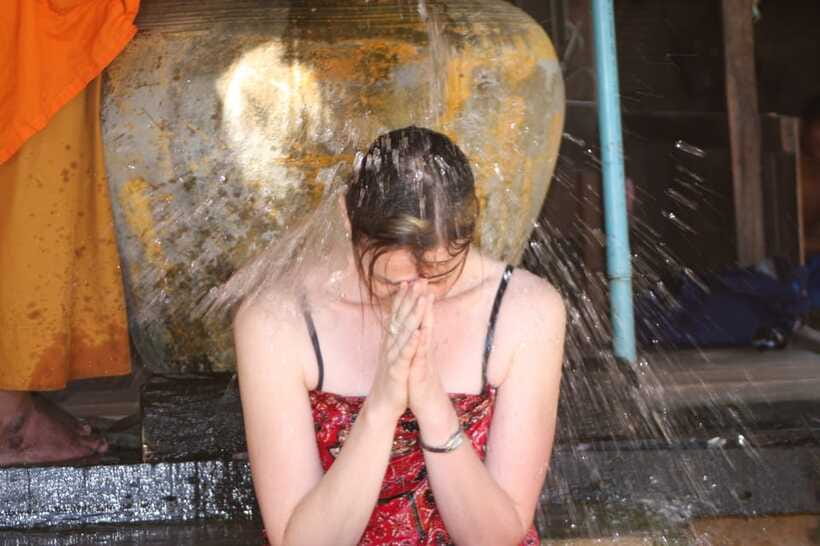
The guide’s explanation can be as valuable as the water ritual. You may learn about Buddhist beliefs, Cambodian history, the role of monks, and the way monasteries help people in need.
Some explanations also connect the practice with animist ideas about the soul and spiritual cleansing. The ceremony is Buddhist in setting and performed by monks, but it is presented as open to people of any faith. You do not need to be Buddhist to take part, though you should approach the ritual with respect rather than treating it as a novelty photo opportunity.
This distinction matters. A water blessing can be moving because you are invited to participate, not just watch. At the same time, it is still a religious ceremony. I would not book it if you are uncomfortable taking part in a sacred ritual outside your own tradition.
If you have questions, ask them after the blessing. One guide translated a monk’s comments about a participant’s spiritual observations, creating a personal conversation after the formal ceremony. The monk’s availability may vary, so regard this as a possible part of the visit rather than a guaranteed private consultation.
What to wear and what to pack
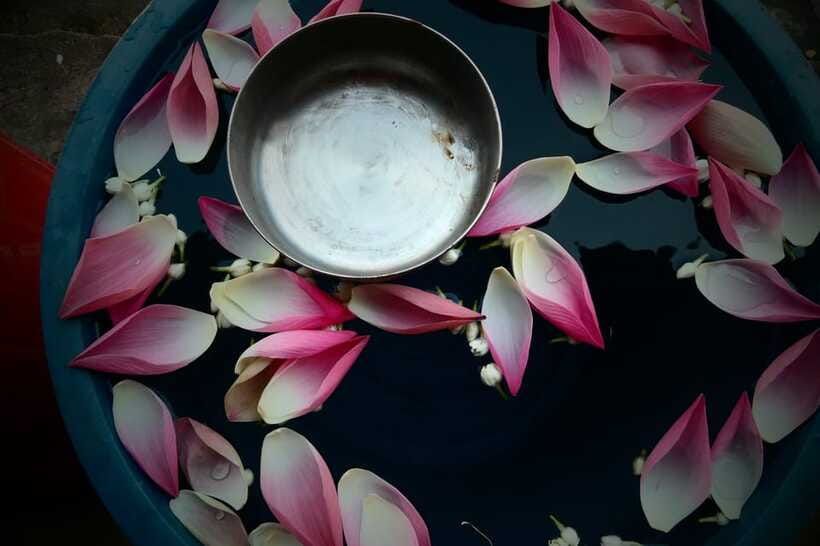
For the lighter sprinkling, normal comfortable clothing may be fine. For the longer blessing, you will be given a sarong to change into so your clothes remain dry.
Bring extra underwear if you choose the full water ritual. That tip comes directly from someone who took part and found the sarong useful. A towel is provided, but an extra towel can help if you have long hair or want to dry off more thoroughly.
You should also bring a small amount of money for personal expenses. The pagoda donation, guide, tuk-tuk transfer, sarong, and market visit are included, but personal purchases are not.
The tour is listed as wheelchair accessible. If you need specific assistance at the pagoda or during the clothing change, contact the provider before booking so the arrangements are clear.
Is $37 a fair price?
At $37 per person, this is not the cheapest short activity in Siem Reap. The ceremony itself is brief, so if you judge the price only by minutes spent under the water, you may find it costly.
I think the price makes more sense when you count the whole outing. You receive hotel pickup, tuk-tuk transport, an English-speaking guide, explanations at the pagoda, the water blessing, a sarong, a donation, photographs when the guide is able to take them, and a market visit.
The guide is the key part of the value. Without clear explanations, you might simply sit, get wet, and leave without understanding what happened. With a good guide, you learn how to behave, what the chanting means, how the monastery serves the community, and how the ceremony fits Cambodian beliefs.
This is also a private-feeling activity even though the group size is not specified. The ceremony is intimate in the sense that you take part directly with the monk, rather than watching a large performance. If your priority is the lowest possible cost, you may prefer visiting a pagoda independently. If your priority is help with language, etiquette, transport, and interpretation, $37 is easier to justify.
Who will enjoy this experience most
I would recommend it to you if you want a cultural activity that involves participation rather than observation. It suits people who are curious about Cambodian Buddhism, open to spiritual traditions, and willing to follow temple customs.
It is also a good fit after several days of Angkor sightseeing. One participant described it as a welcome alternative when another ruin felt like too much. The ceremony offers shade, water, conversation, and a different way to connect with Cambodia.
Couples can enjoy it together, and it has even been used for a wedding blessing. Solo visitors also benefit from the guide taking photographs and helping with communication.
You may want to skip it if you dislike getting wet, feel uneasy in religious settings, or want a highly predictable schedule. The longer ritual can be more physical than expected, and the available blessing form may not always match your first preference.
Booking details worth knowing
The experience is priced at $37 per person and lasts two hours overall. Pickup from your hotel is included, and the guide speaks English.
You can cancel up to 24 hours in advance for a full refund. The reserve-now-and-pay-later option lets you hold a place without paying immediately, which is helpful if your Siem Reap plans are still shifting.
Starting times depend on availability. Check the schedule for your date, and allow enough time around the activity for the tuk-tuk ride and the market stop.
Should you book the Wat Arang blessing?
Book it if you want a short, personal look at Cambodian spiritual life and you are comfortable taking part in a ceremony. The best reasons are the countryside pagoda, the thoughtful guide commentary, the included donation, and the chance to see a local market alongside the blessing.
Before you go, decide how wet you want to get, pack extra underwear and perhaps a second towel, and ask clearly about the two blessing options. At $37, it offers solid value when the guide is as helpful as Sokha or Lee have been, but the ceremony alone may not feel worth the price to someone seeking simple sightseeing.
For an open-minded visitor, this can become one of the most memorable short activities in Siem Reap. You leave with red threads around your wrist, a better understanding of Cambodian practice, and a story that is quite different from another day among temple ruins.
FAQ
How much does the Siem Reap Buddhist water blessing cost?
The experience costs $37 per person.
How long does the activity last?
The total duration is two hours. The water blessing itself is described as a one-hour experience, with the remaining time used for pickup, transport, the market visit, pagoda activities, and changing.
Is hotel pickup included?
Yes. A driver picks you up from your hotel at the time shown on your booking.
What types of water blessing are available?
The first type involves chanting, wishes for good luck, safe travel, and long life, plus a light sprinkling of water. The second is longer and involves blessed water being poured over your head while the monks chant.
Is clothing provided for the ceremony?
A sarong is provided for the longer blessing so your regular clothing stays dry. A towel is also provided afterward. Extra underwear and another towel can be useful if you choose the wetter ritual.
Is the market visit included?
Yes. A visit to a local market is included in the activity.
Can I cancel or pay later?
You can cancel up to 24 hours in advance for a full refund. The reserve-now-and-pay-later option allows you to book without paying at the time of reservation.
Just added around Siem Reap
- Private Battambang Full-Day Guided Tour★ 4.5 · 3 reviews
- Kulen Mountain, Beng Mealea and Banteay Srei Full Day Tour★ 5.0 · 3 reviews
- Kompong Pluk Tour★ 5.0 · 3 reviews
- Private 3 Day Tour to Discover the ancient temples★ 5.0 · 3 reviews
- Kulen National Park Ticket -Waterfall & 1000 Lingas★ 5.0 · 3 reviews
- Cambodia: Absolute Traditional Dance Show with Buffet Dinner★ 5.0 · 3 reviews
- Border Transfer (Siem Reap to Laos/Laos to Siem Reap)★ 3.5 · 3 reviews
- Best Taxi Siem Reap to Battambang – English Speaking Driver★ 4.5 · 3 reviews
Monk Blessing Ceremonies, compared.
Private Guided Angkor Wat Tour by Lady Tuk Tuk with Monk Blessing
Read our review →
Khmer Water Blessing by Monk and Lotus Farm Visit
Read our review →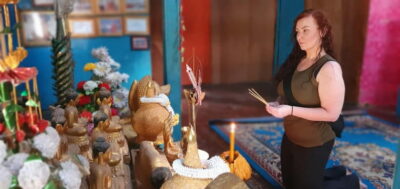
Siem Reap Cambodian Buddhist Water Blessing and Local Market
Read our review →Siem Reap Cambodian Buddhist Water Blessing and Local Market
Read our review →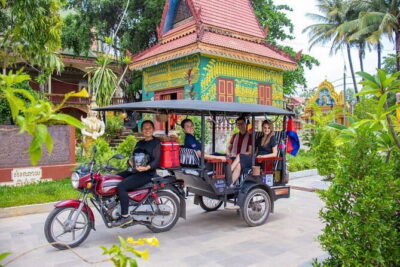
Traditional Khmer Water Blessing by Monk and Lotus Farm Visit
Read our review →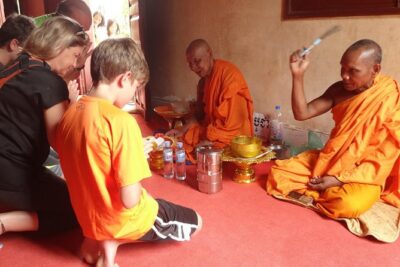
Buddhist Water Blessing and Real Life Experience with Local
Read our review →Browse the lists this tour appears in