
Reviewed · 3-DAY EXPERIENCES
Special Three Days Angkor Tour
Temples, carvings, jungle, and lake country await. This private three-day tour gives you a broad look at the Angkor Archaeological Park, from the grand scale of Angkor Wat to the delicate stonework of Banteay Srei and the older Roluos temples. I like the private format, since your guide can adjust the pace for children, older family members, or anyone who needs a break. I also like the local English-speaking guide, especially Dara Rann, who is praised for his calm manner, clear explanations, and flexibility.
The main drawback is simple: the $70 price does not include temple admission or meals. You should also expect long, full sightseeing days, with eight hours on each of the first two days. The tour covers a lot, but it suits you best if you want broad coverage rather than a slow visit to only a few monuments.
In This Review
- Five things to know before you book
- Why three days works well at Angkor
- Day one: Angkor Wat, Ta Prohm, and the royal city
- Day two: Banteay Srei and the eastern temple circuit
- Day three: Roluos and the Tonle Sap area
- Dara Rann and the private guiding style
- What the $70 price really covers
- Physical effort, timing, and family suitability
- How to get the most from the three days
- Should you book this Angkor tour?
- FAQ
- How long is the Special Three Days Angkor Tour?
- Is temple admission included?
- Are meals included?
- What is included in the $70 price?
- Is this a private tour?
- Does the tour include Tonle Sap?
Five things to know before you book
- Angkor Wat and Angkor Thom come first: Day one covers the park’s biggest names, including the Bayon, Ta Prohm, and the terraces of Angkor Thom.
- Banteay Srei requires extra driving: This finely carved temple sits about 40 kilometers northeast of Angkor, making day two more road-heavy.
- The tour is private: Only your own group takes part, so the guide can adjust timing and stops.
- Roluos adds an earlier chapter: Day three reaches Bakong, Preah Ko, and Lolei, temples located about 15 kilometers east of Siem Reap.
- Tonle Sap is part of the final day: The itinerary includes the great lake, though the supplied details do not specify the exact lake activity.
- Dara Rann is praised for flexibility: Feedback highlights his patience with children, older visitors, and changing plans.
Why three days works well at Angkor
Angkor is not one temple beside one parking area. It is a large archaeological zone with monuments spread across different roads and settings. A single day can introduce you to Angkor Wat and a few nearby temples, but it leaves little room for the outer sites or the older Roluos group.
This three-day plan gives you a useful regional sweep. You get the major central monuments on day one, the prized Banteay Srei and eastern temples on day two, then Roluos and Tonle Sap on day three. I like that progression because it moves from the famous to the less familiar.
The pace is still serious. The first two days are listed at eight hours, while the last is about six hours. You will spend much of that time walking through temple compounds, climbing steps where permitted, and moving between sites in an air-conditioned vehicle. The private setup helps, but it does not turn Angkor into a light outing.
A three-day visit also gives you more room to pause. Dara has been praised for working well with families and young children, including a family traveling with children aged two and five. Another family was able to take a rest day between temple visits. That flexibility is important because tropical heat and long stone walks can wear you down faster than expected.
A few more trips worth weighing up
- From Siem Reap: Angkor Wat and Floating Village 3-Day Trip
★ 5.0 · 100 reviews - 3-Day Angkor Wat with All Interesting Major Temples, Banteay Srei & Beng Mealea
★ 5.0 · 70 reviews - 3-Day Angkor Wat & All Interesting Major Temples & Kulen Mount Waterfall
★ 5.0 · 63 reviews
Day one: Angkor Wat, Ta Prohm, and the royal city
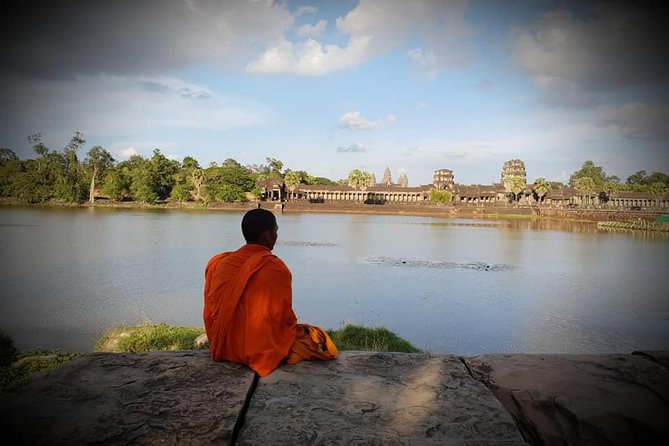
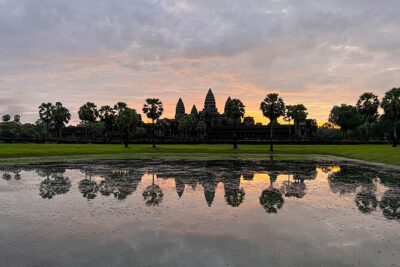
The first morning begins at Angkor Wat, the enormous religious monument that has become Cambodia’s best-known symbol. The scale is the first thing you notice. Give yourself time to look beyond the main approach, since the temple’s galleries, towers, courtyards, and carved walls reward a slower pace.
Your guide can help explain the layout and point out details that are easy to miss when you move through on your own. Since the visit is private, you can ask questions as they arise instead of trying to keep up with a large group.
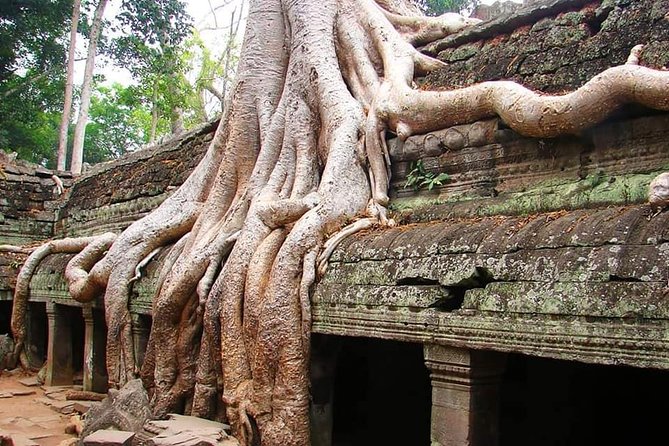
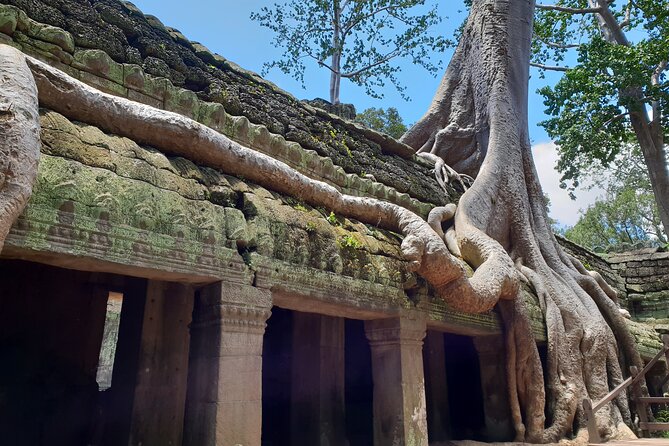
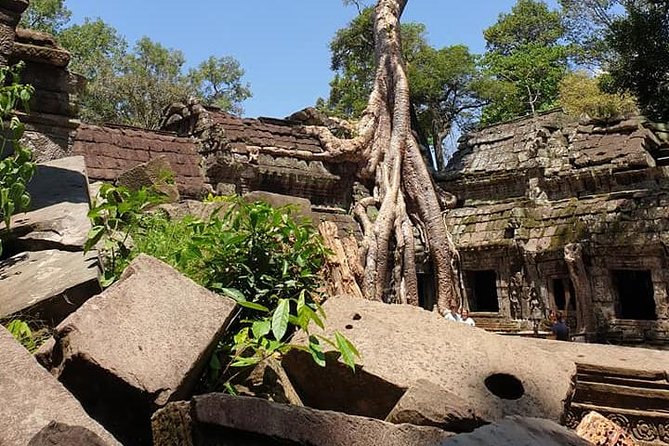
Next comes Ta Prohm, often called the jungle temple. Its appeal is different from Angkor Wat’s formal grandeur. Here, trees and stone appear tightly linked, creating the atmospheric setting many people picture when they think of Angkor. The temple can be uneven underfoot, so shoes with a firm sole are a good idea.
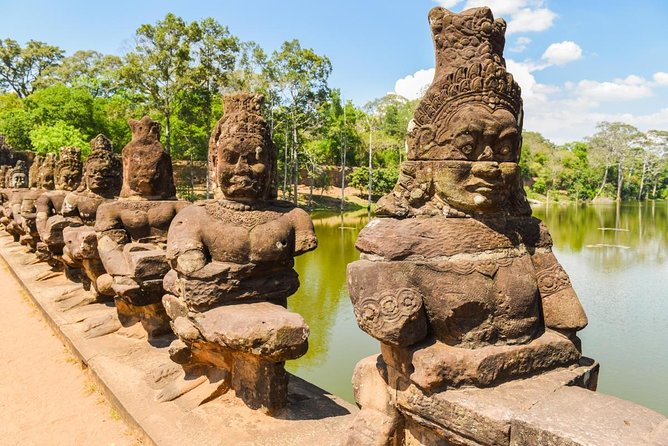
After lunch, the route continues to Angkor Thom, the great walled city. This is not a single monument but a group of important sites, including Bayon, the Terrace of the Elephants, the Terrace of the Leper King, Baphuon, and Phimean Akas.
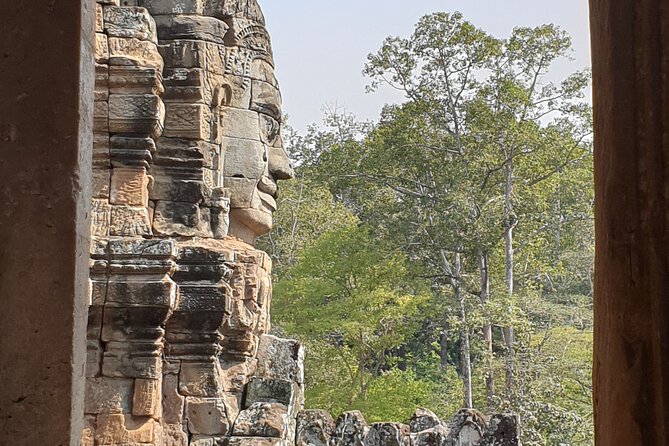
Bayon is the major stop. Its towers carry the famous serene faces, and the temple’s maze-like arrangement can feel confusing without someone to explain what you are seeing. Baphuon brings a different mood, with its raised structure and long approach. The two terraces offer a sense of royal ceremony and public display.
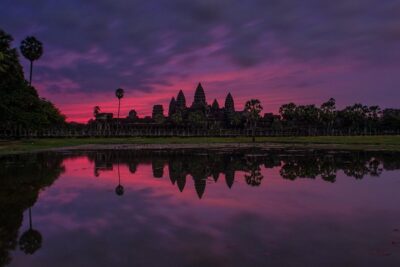
The day ends with sunset at a point of interest chosen with your guide. The wording is intentionally open, so do not assume a specific sunset platform is guaranteed. Use this flexibility to choose between returning to a favorite temple area, finding a quieter viewpoint, or ending earlier if your group is tired.
The first day is the emotional high point for many people, but it is also the most demanding. Angkor Wat, Ta Prohm, and Angkor Thom in one day means plenty of walking and repeated exposure to heat. I would keep expectations realistic and tell the guide if you need a slower pace.
Day two: Banteay Srei and the eastern temple circuit
Day two reaches Banteay Srei, about 40 kilometers northeast of Angkor. The drive takes time, but the temple earns its place in the program. It is known for exceptionally fine carving, and its smaller scale makes the details easier to appreciate than at the giant central monuments.
Banteay Srei is often treated as a highlight because the carved decoration is unusually precise. You are not coming here for vast courtyards or towering architecture. You are coming to study the surface: doorways, decorative figures, and carefully cut stonework.
The morning also includes a short stop at a local village on the way back. The information provided does not promise a formal village program, so think of this as a brief roadside look rather than a staged cultural performance. That can be a good thing. You may see a more ordinary side of life around the temple roads, but the length and nature of the stop can vary.
The afternoon forms a useful circuit through several eastern temples. Pre Rup is a strong architectural contrast to Banteay Srei, with a higher, more imposing profile. East Mebon was built in the middle of what was once a large reservoir, while Ta Som offers another atmospheric temple visit and a smaller-scale setting.
Preah Khan completes the day. It is a substantial complex with corridors, courtyards, and varied decorative details. After the compact beauty of Banteay Srei, Preah Khan gives you more space to wander and compare different styles.
This is the day when the private vehicle matters most. Banteay Srei is farther from Siem Reap than the main Angkor circuit, and the air-conditioned ride gives you a needed break between walks. You still spend about eight hours on the road and at sites, so carry water and avoid treating every stop as a race to see everything.
Day three: Roluos and the Tonle Sap area
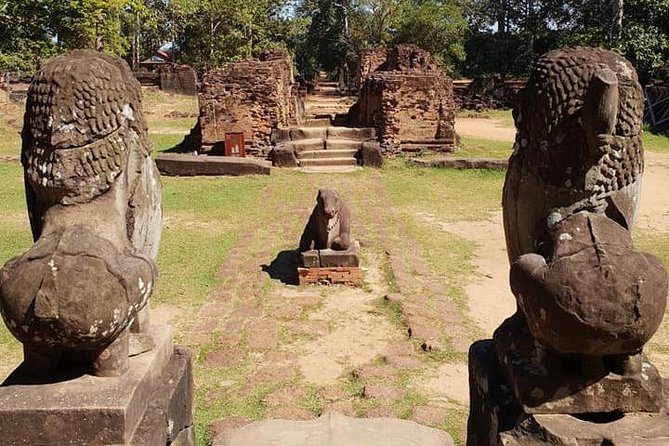
The final day shifts away from the central Angkor group. It begins at the Roluos group, about 15 kilometers east of Siem Reap. These temples belong to an earlier ancient capital and help place the better-known Angkor monuments in a longer sequence of Cambodian architecture.
The three named temples are Bakong, Preah Ko, and Lolei. Bakong is the largest and most imposing of the group, while Preah Ko is noted for its early temple layout and decorative work. Lolei completes the set and gives you another chance to see how temple design changed over time.
Roluos is valuable because it feels different from the headline sites. You are not simply repeating another version of Angkor Wat. The earlier setting gives the day a clear purpose, especially if you want more than the standard central circuit.
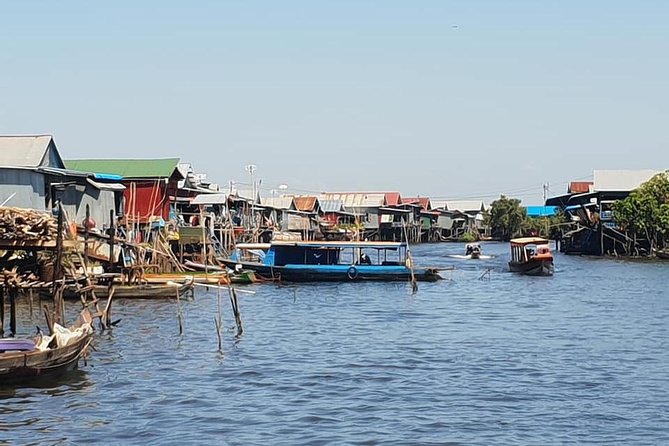
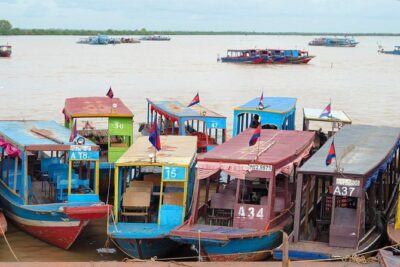
The itinerary then includes an exploration of Tonle Sap, the largest lake in Southeast Asia. The supplied plan does not spell out whether this means a boat trip, a lakeside visit, or another specific activity, so confirm the exact arrangement before booking. That is the one part of the schedule where you should ask for more detail.
Day three is listed at six hours, making it shorter than the first two days. That is a sensible finish after two long temple days. It also leaves more breathing room for your group, though the exact balance between Roluos and Tonle Sap will depend on the guide and the arrangements for the lake visit.
Some visitors who booked time with Dara also added places such as the Landmine Museum, Beng Mealea, or a local working temple where they received a water blessing from a monk. These are examples of the flexibility associated with the guide, not fixed promises of this three-day plan. Ask in advance if you want to include an extra stop, since adding it may change the schedule or cost.
A completely different kind of day out from Siem Reap:
- Angkor Wat Sunrise or Sunset Tour with Guide from Siem Reap
★ 5.0 · 12,109 reviews - Siem Reap: Angkor Wat: Small-Group Sunrise or Sunset Tour
★ 5.0 · 9,444 reviews - From Siem Reap: Kampong Phluk Floating Village Tour by Boat
★ 4.9 · 6,979 reviews - Sunset tour of Kampong Phluk stilts home village on the Tonle Sap
★ 5.0 · 4,865 reviews
Dara Rann and the private guiding style
The strongest praise centers on Dara Rann. His qualities are practical rather than flashy: patience, punctuality, calm communication, strong English, and a willingness to adapt. Those traits matter more than a dramatic performance when you are spending several long days in a hot archaeological park.
Dara has worked well with families and young children. He has also been described as gentle and accommodating with older visitors. If someone in your group needs shorter walks, extra pauses, or a different order of stops, tell him early.
The private format gives you the same advantage even if Dara himself is not the assigned guide. Your group is the only group taking part, and the listed service includes a local licensed English-speaking guide. Pickup is offered, and the activity ends back at the meeting point in Siem Reap, but confirm the exact pickup location when you book.
The vehicle is air-conditioned, and cool drinks are included. That may sound basic, but after a walk around sun-baked stone courtyards, a cool vehicle and drink are welcome comforts. Meals are not included, so you will need to budget for lunch and make your own arrangements during the sightseeing days.
What the $70 price really covers
At $70, this is a low-cost way to arrange three days of private guiding and transport, but the headline price does not represent the full trip cost. Temple entrance fees are excluded, as are meals. You should check the current admission price separately and add food, drinks beyond those supplied, and any optional stops to your budget.
The value is strongest if you are traveling as a small group. A private air-conditioned vehicle, an English-speaking licensed guide, and three days of routing across central Angkor, Banteay Srei, Roluos, and Tonle Sap can cost more when arranged piece by piece.
The price is less attractive if you want a short, relaxed temple visit or prefer to plan every stop yourself. You are paying for coverage and convenience. The tour makes the most sense when you want someone to handle the driving and explain what you are seeing.
Admission not being included is not unusual for a temple tour, but it deserves attention before you confirm. The same applies to meals. Ask what happens during lunch breaks and confirm whether any extra attraction, lake activity, or museum visit carries an additional charge.
Physical effort, timing, and family suitability
You should have moderate physical fitness for this experience. The plan includes long days, walking on uneven temple surfaces, and repeated movement in hot conditions. The first two days last about eight hours, so build in time to sit, drink, and cool off.
The private format makes this tour a good choice for families. The feedback connected with Dara repeatedly points to his care with toddlers and young children, including the ability to change the pace and add a rest day. That does not remove the physical demands, but it gives you room to manage them.
It can also work well for mixed-age groups. Someone interested in detailed temple explanations can ask questions, while someone less interested in every carving can take a shorter pause. A fixed group tour usually gives you less control.
I would be more cautious if you dislike early starts, long drives, or full sightseeing days. Banteay Srei is far from the central circuit, and the final day still combines temples with a lake-area visit. Ask for a detailed timing plan if your group has limited energy.
How to get the most from the three days
Wear practical walking shoes and bring sun protection. The tour supplies cool drinks, but you should still plan for the heat and carry anything your group needs during long walks.
Use day one to see the major monuments, but do not feel pressured to spend equal time at every stop. Angkor Wat and Bayon deserve attention, while the terraces and smaller sites can be handled according to your interests and energy.
On day two, ask the guide to point out the fine carving at Banteay Srei rather than treating it as a quick photo stop. The temple’s appeal is in the detail. At the eastern temples, compare the size, layout, and atmosphere instead of trying to memorize every name.
For day three, request clear information about Tonle Sap. Since the activity is described only in broad terms, knowing the exact plan will help you decide if it fits your group.
The tour has free cancellation up to 24 hours before the start time. Changes made inside that window are not accepted, and the operator may offer a new date or full refund if minimum participation is not reached. That policy is worth noting, especially if your Siem Reap schedule is tight.
Should you book this Angkor tour?
I would book it if you want wide coverage, private transport, and a flexible guide without arranging each day yourself. It is particularly well suited to families, small groups, and first-time visitors who want the major temples plus Banteay Srei and Roluos.
I would skip it if you prefer a slow, highly focused visit or if the $70 headline price leaves too little room for entrance fees and meals. Before booking, confirm the temple pass cost, pickup point, exact Tonle Sap activity, and any optional stops you want to add.
For the right group, this is a sensible three-day introduction to Siem Reap. It covers the essential monuments, reaches several less central temples, and leaves enough flexibility to shape the experience around your own pace.
FAQ
How long is the Special Three Days Angkor Tour?
The first and second days are about eight hours each. The third day is about six hours.
Is temple admission included?
No. Entrance tickets for the temples are not included in the tour price.
Are meals included?
No. Meals are not included.
What is included in the $70 price?
The price includes an air-conditioned vehicle, cool drinks, and a local licensed English-speaking guide.
Is this a private tour?
Yes. Only your own group participates in the activity.
Does the tour include Tonle Sap?
Yes. The third day includes an exploration of Tonle Sap, but the available information does not specify the exact lake activity, so you should confirm the details before booking.
Just added around Siem Reap
- Private Battambang Full-Day Guided Tour★ 4.5 · 3 reviews
- Kulen Mountain, Beng Mealea and Banteay Srei Full Day Tour★ 5.0 · 3 reviews
- Kompong Pluk Tour★ 5.0 · 3 reviews
- Private 3 Day Tour to Discover the ancient temples★ 5.0 · 3 reviews
- Kulen National Park Ticket -Waterfall & 1000 Lingas★ 5.0 · 3 reviews
- Cambodia: Absolute Traditional Dance Show with Buffet Dinner★ 5.0 · 3 reviews
- Border Transfer (Siem Reap to Laos/Laos to Siem Reap)★ 3.5 · 3 reviews
- Siem Reap Countryside Sunset Vespa Tour or Tuk Tuk★ 4.5 · 3 reviews
3-Day Experiences, compared.
3-Day Angkor Wat with All Interesting Major Temples, Banteay Srei & Beng Mealea
Read our review →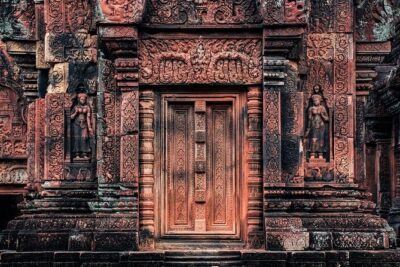
3-Day Angkor Wat & All Interesting Major Temples & Kulen Mount Waterfall
Read our review →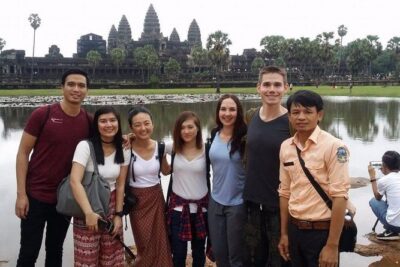
Best of Siem Reap 3-Day Private Tour to Angkor Wat & Tonle Sap
Read our review →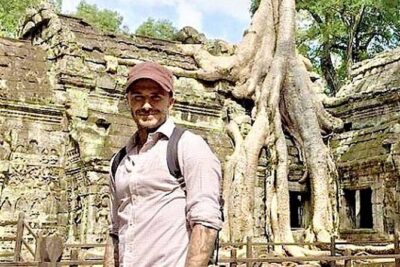
Private Siem Reap 3 Day Tour Discover All Highlight Angkor Temple
Read our review →
Private 3-Day Mekong Delta River Tour from Phnom Penh to Ho Chi Minh City
Read our review →Browse the lists this tour appears in