
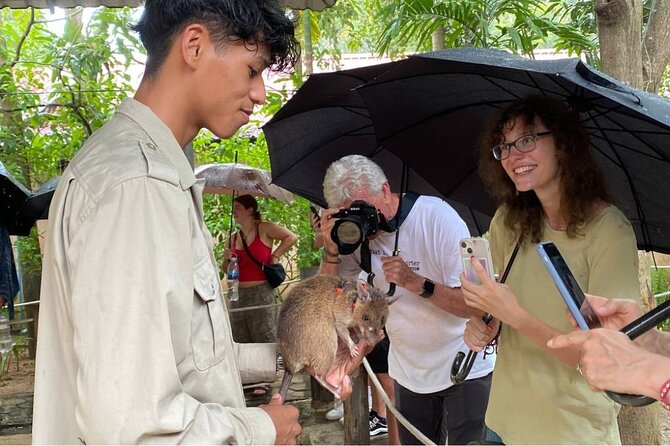
Reviewed · KILLING FIELDS & GENOCIDE MUSEUM TOURS
War Museum, Killing Field, and APOPO Hero RATs Tour
Cambodia’s past and present meet here. This five-hour Siem Reap tour links the War Museum, Wat Thmey’s memorial, APOPO’s life-saving rats, a local craft center, and the Royal Residence in one private outing. I like the strong contrast between painful history and practical hope, and I like the air-conditioned transport with hotel pickup and drop-off, which makes a warm half-day much easier. The main drawback is that the schedule is serious and tightly packed, while the advertised street food experience is not clearly represented in the listed stops.
You should also know that lunch is not included. Still, the route gives you more than a simple museum visit: it explains Cambodia’s recent past, shows how landmines still affect lives, and introduces working Cambodian artisans. If your guide is Mr. Somra or Mr. Londgy, you may also benefit from the clear, personal explanations praised by past customers.
In This Review
- Key points to know before booking
- A half-day route with more weight than sightseeing
- War Museum Cambodia: a large, raw first stop
- Wat Thmey: a brief memorial with serious meaning
- APOPO HeroRATs: hope with whiskers
- Satcha: meeting Cambodia through craft
- Royal Residence: a quiet final landmark
- What the $75 price really covers
- Guides can make or break the history stops
- Who will enjoy this tour most
- Practical advice before you go
- Should you book the War Museum, Killing Field, and APOPO tour?
- FAQ
- How long does the tour last?
- What locations are included?
- Is hotel pickup and drop-off included?
- Is transportation provided?
- Is the tour private?
- Are entrance fees included?
- Is lunch included?
- Can I cancel for a full refund?
Key points to know before booking

- War Museum Cambodia takes about 90 minutes, with admission included and outdoor military exhibits spread across more than two hectares.
- Wat Thmey is a short but sobering memorial stop inside a functioning Buddhist pagoda.
- APOPO’s HeroRAT demonstration is the tour’s most unusual feature, showing how trained African giant pouched rats help detect landmines.
- Satcha gives the day a creative turn, with Cambodian artisans being trained and supported through long-term programs.
- The private format suits families and small groups, and most people can participate.
- The $75 price covers transport, guide service, and three listed entrance fees, but you will pay separately for lunch.
A half-day route with more weight than sightseeing

This is not a light temple-hopping excursion. The first three stops deal with war, the Khmer Rouge period, and unexploded landmines. That makes the day emotionally demanding, but also useful if you want to understand Cambodia beyond Angkor Wat.
The route then shifts toward present-day Cambodia. Satcha focuses on craft and training, while the Royal Residence adds a brief look at Siem Reap’s royal and colonial-era setting. I like that structure. You begin by asking what happened to the country, then see some of the work being done today, and finish with a quieter civic landmark.
The tour lasts about five hours. Since it is a private activity, only your group participates. That matters here. You can ask your own questions, take a little more time at a difficult memorial, or keep the pace moving if younger members of your group need a break.
The description also refers to local street food, but no separate food tasting stop appears in the detailed route. I would not book this expecting a full culinary tour. Treat the food element as a possible part of the wider Siem Reap experience, not as the central promise of this itinerary.
More Killing Fields and genocide museum tours:
- Siem Reap City Tour with War Museum and Killing Field
★ 5.0 · 27 reviews - War Museum, Killing Field and Floating village ( Chong Kneas) Tour
★ 5.0 · 14 reviews - Half Day War Museum Siem Reap Killing Fields and Artisans Angkor
★ 4.0 · 9 reviews
War Museum Cambodia: a large, raw first stop
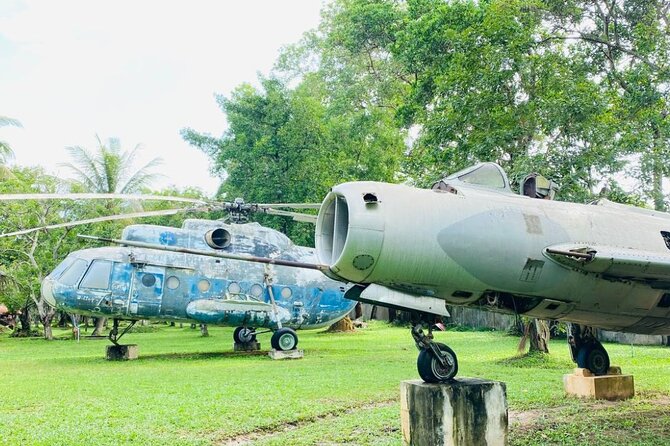
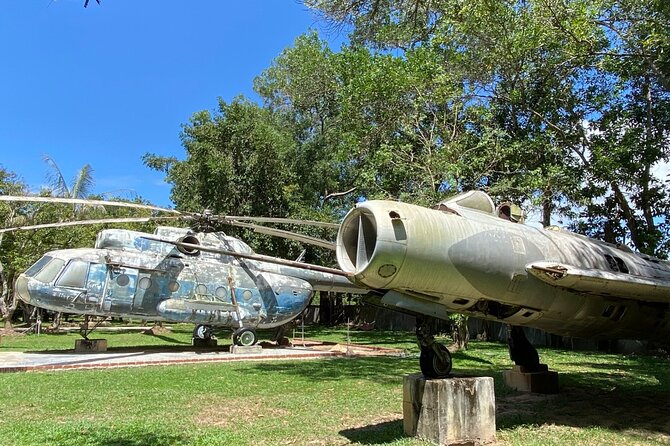
The War Museum sits along National Road 6, between central Siem Reap and the international airport. Founded in 2001, it covers more than two hectares and gives you about 90 minutes to look around.
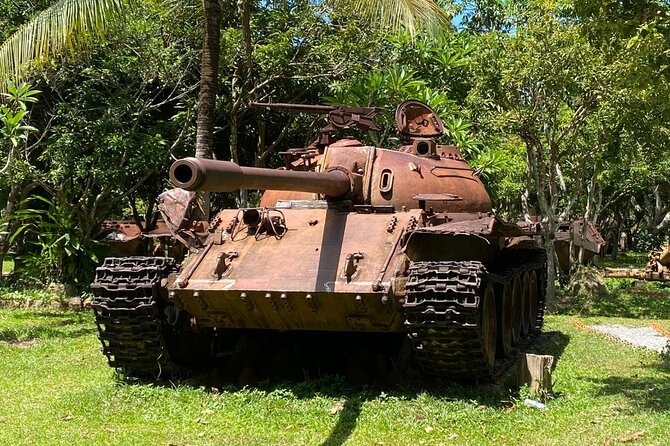
The museum’s appeal is its directness. Instead of polished galleries alone, you see old military equipment and outdoor displays that connect Cambodia’s modern conflicts with physical objects. Rusting vehicles and weapons do not explain everything by themselves, so your guide’s narration matters a great deal.
I would pay close attention to the explanations rather than simply photographing the hardware. The value of this stop comes from placing the exhibits in Cambodia’s wider story, including the wars and violence that shaped the country during the twentieth century.
The setting can feel more open and rough-edged than a formal national museum. That is part of its character, but it also means you should expect a serious historical site rather than a glossy, air-conditioned exhibition. The vehicle helps between stops, yet the museum visit itself may involve time outdoors.
Ninety minutes is a reasonable amount of time for a first visit. It gives you room to examine the exhibits without turning the morning into a military-history seminar. Families can use the guide’s explanations to make sense of what they are seeing. One parent described a 12-year-old daughter as amazed by the experience, which suggests the stop can work for older children when the subject is handled with care.
The emotional tone begins here. If you prefer a purely cheerful sightseeing day, this tour may not suit you. If you want context for Cambodia’s present-day challenges, the War Museum earns its place.
Wat Thmey: a brief memorial with serious meaning
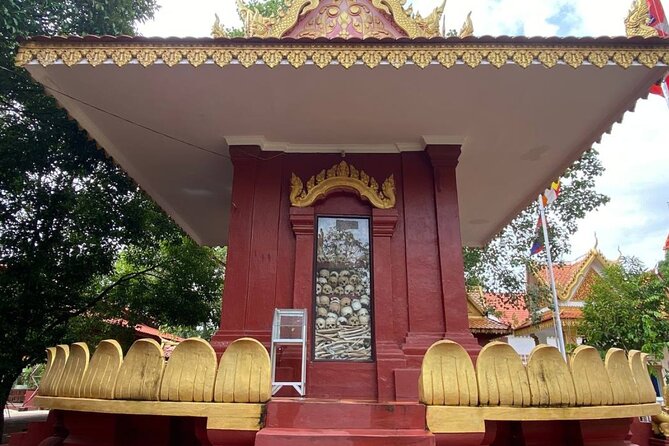
Wat Thmey, often called a killing field in Siem Reap, is a small memorial inside the grounds of a working Buddhist pagoda. You have about 40 minutes here, and admission is included.
The short visit is important because it brings the Khmer Rouge period into the itinerary in a more personal and reflective way. Memorial sites do not need a large footprint to carry emotional weight. At Wat Thmey, the pagoda setting also reminds you that remembrance exists alongside ordinary religious life.
Your guide’s tone will shape this stop. Clear explanations can help you understand the memorial without reducing it to a quick photo opportunity. I would listen first, then take time to reflect rather than rushing through.
Forty minutes is enough for a focused visit, but not enough for an extended study of the Khmer Rouge period. That is a limit worth knowing. The tour introduces the subject, while a specialist museum or longer history visit would be needed for a fuller account.
This is also the point where the day can feel heaviest. The War Museum presents the material remains of conflict. Wat Thmey asks you to consider the human cost. Taken together, the two stops provide a stronger account than either one would offer alone.
APOPO HeroRATs: hope with whiskers
After the memorial sites, the APOPO Visitor Center changes the mood without ignoring the damage caused by war. The visit lasts about one hour and explains how specially trained African giant pouched rats detect landmines in Cambodia and help save lives.
This is the tour’s most distinctive stop. You are not just reading about demining work. You may watch a demonstration of the HeroRATs at work and learn why their training matters. The animals are not treated as a novelty alone. Their role connects directly to the dangers introduced by past conflicts.
One useful detail is that petting the rats is optional. If you like animals, the encounter may be a memorable part of the visit. If you do not want physical contact, you can still learn about the organization’s work and watch the demonstration.
The center also gives the day a clear sense of purpose. Cambodia’s war years are not sealed away in a museum. Landmines remain tied to safety, farming, travel, and daily life. APOPO shows one practical response to that problem.
The hour-long stop is well judged for a general audience. It leaves enough time for explanation and demonstration without asking you to spend the whole day on one subject. I especially like its position after Wat Thmey. You move from remembrance to action, which makes the tour feel less bleak.
Past customers have described this part as inspiring and unique, and I can see why. The HeroRATs are memorable, but the real value is the link between clever animal training and a difficult public-safety task.
A few more trips worth weighing up
- Bantey Srei, Kbal Spean and Landmine museum Private Tuk-Tuk
★ 4.7 · 30 reviews - Private Tour: HERO Rats & Angkor National Museum
★ 4.5 · 16 reviews - Kbal Spean Trekking Tour with Banteay Srei and Landmine Museum
★ 5.0 · 14 reviews - Siem Reap: War Museum included Ticket and Pickup Drop Off
★ 4.9 · 12 reviews
Satcha: meeting Cambodia through craft

Satcha, at 256 BBU Road, opened in March 2023 as Cambodia’s first handicraft incubation center. The visit lasts about 40 minutes and introduces a different side of Siem Reap.
The center trains and supports local artisans through intensive programs that can last several years. That detail matters. You are not simply being sent into a shop with souvenirs. The center’s purpose is to help craftspeople develop skills, products, and a sustainable livelihood.
In practical terms, you can expect to see Cambodian handicraft work and learn about the people and training behind it. The stop may appeal to you if you want to buy or admire local work with more context than a quick market visit provides.
Forty minutes is enough to add variety, though it is too short for a full workshop or detailed craft course. The center works best as a thoughtful pause after the difficult historical stops. It shows culture as something living and practiced, not just something preserved behind glass.
I would keep your expectations realistic. The information supplied does not promise a hands-on activity, a specific craft demonstration, or shopping credit. Go to learn about artisan support and local production. If you find something you like, consider purchasing it, but do not treat the stop as a guaranteed shopping session.
Royal Residence: a quiet final landmark

The Royal Residence is a royal villa built in 1904. It serves as the official residence of Cambodia’s King when he visits Siem Reap and carries links to the period of the French protectorate.
You spend about 30 minutes here, making it the briefest stop. Its role is less about a long museum visit and more about seeing an important civic and royal site in the city.
The short time works well near the end of a five-hour route. After the heavy memorials and the lively HeroRAT presentation, the residence offers a calmer finish. Your guide can explain its place in Siem Reap’s development and Cambodia’s royal tradition.
Do not expect a full palace tour unless your guide or local conditions provide access beyond what is specified. The information confirms the stop, but not detailed interior admission. Think of it as a concise historical visit rather than the main attraction of the day.
What the $75 price really covers
At $75 per person, this is not the cheapest way to fill five hours in Siem Reap. Its value depends on how much you want from the day.
The price includes an air-conditioned vehicle, an English-speaking guide, hotel pickup and drop-off, and entrance fees for the War Museum, Wat Thmey, and APOPO Visitor Center. For a private group, that package can be reasonable, especially if you would otherwise arrange several separate rides and admission payments.
Lunch is not included. This is easy to manage, but you should plan for it. The tour lasts about five hours, and the food description may lead you to expect included tastings. I would confirm the meal plan before booking if street food is a major reason for your interest.
The private format is another part of the value. Your group does not share the activity with strangers, and that can make difficult conversations more comfortable. It also gives families more control over the pace.
The tour had five or more bookings in the previous month and a perfect rating from seven submitted evaluations. That is a small sample, so I would read the positive pattern carefully rather than treating it as a guarantee. The strongest praise focuses on three things: the emotional impact of the historical sites, the unusual APOPO visit, and the guides’ ability to explain Cambodia’s past.
Guides can make or break the history stops
This route needs more than a driver. At the War Museum and Wat Thmey, context is essential. At APOPO, the guide helps connect the animal demonstration to Cambodia’s continuing landmine problem.
Specific guides praised by name include Mr. Somra and Mr. Londgy. Mr. Somra was appreciated for clear explanations and strong historical understanding. Mr. Londgy was praised for bringing knowledge and passion to the day.
You cannot assume which guide you will receive, but these names show what to value. A good guide should explain without sensationalizing, give you room to reflect, and answer questions in plain English. That is especially important if you are traveling with children.
The private arrangement gives you a chance to ask about terms, dates, and local context as you go. I would use that opportunity. The more you ask, the more the stops can become connected rather than feeling like five unrelated appointments.
Who will enjoy this tour most
I would recommend this tour to you if:
- You want modern Cambodian history alongside more familiar Siem Reap sights.
- You are curious about landmine removal and practical humanitarian work.
- You prefer a private vehicle and hotel pickup.
- You are traveling with older children or teenagers who can handle serious subjects.
- You want to support an artisan center as part of your sightseeing.
- You have only half a day for cultural visits beyond Angkor.
Families can do well here, especially when adults prepare children for the memorial content. The HeroRATs add an engaging element, and touching the animals is optional.
I would hesitate if you want a relaxed food tour, a full palace visit, or a day devoted only to temples. The itinerary moves through difficult material, and some visitors may find the War Museum and Wat Thmey emotionally draining.
You should also allow for the fact that the tour combines outdoor museum displays, memorial visits, a visitor center, crafts, and a royal landmark. The variety is a strength, but the experience is not built around one single attraction.
Practical advice before you go
Wear comfortable clothing for a half-day of moving between sites. The vehicle is air-conditioned, but the War Museum covers a large outdoor area, and conditions may be warm.
Use the private format to set the tone early. Tell your guide if your group includes children, and ask for age-appropriate explanations at the War Museum and Wat Thmey. At APOPO, ask questions about how the HeroRATs are trained and what their work means in Cambodia.
Allow extra money for lunch. The tour includes the listed entrance fees, but not food. Also, do not assume every food activity in the general description forms part of the five listed stops.
Confirmation is provided when you book. Hotel pickup and drop-off are included, and the tour is near public transportation, though the included vehicle is the most convenient option. Most people can participate, and the activity is private for your group.
You can cancel for a full refund if you do so at least 24 hours before the start time. Changes or cancellations made inside that window are not accepted for a refund, and the cut-off follows local time.
Should you book the War Museum, Killing Field, and APOPO tour?
Book it if you want a thoughtful, varied half-day that connects Cambodia’s recent past with work happening today. The combination is unusually effective: military remains, a memorial pagoda, landmine-detecting rats, artisan training, and a royal site.
The best reasons to choose it are the private transport, the included admission at three major stops, and the APOPO visit. The most useful extra is a strong English-speaking guide, particularly for the War Museum and Wat Thmey. Guides such as Mr. Somra and Mr. Londgy have been praised for making the history understandable and personal.
Skip it if your priority is street food, shopping, or a slow temple day. The food element is not clearly built into the detailed route, and lunch costs extra.
For families, history-minded visitors, and anyone wanting a closer look at Cambodia beyond Angkor, I think the $75 can be fair value. Just arrive ready for a serious morning, keep your schedule flexible, and let the HeroRATs provide a little hope after the harder stops.
FAQ
How long does the tour last?
The tour lasts approximately five hours.
What locations are included?
The route includes War Museum Cambodia, Wat Thmey, the APOPO Visitor Center, Satcha Cambodian Handicraft Center, and the Royal Residence.
Is hotel pickup and drop-off included?
Yes. Hotel pickup and drop-off are included.
Is transportation provided?
Yes. The tour includes an air-conditioned vehicle.
Is the tour private?
Yes. Only your group participates in this private tour or activity.
Are entrance fees included?
Admission is included for the Siem Reap War Museum, Wat Thmey’s Killing Field memorial, and the APOPO Visitor Center.
Is lunch included?
No. Lunch is not included in the tour price.
Can I cancel for a full refund?
Yes, if you cancel at least 24 hours before the experience start time. Cancellations or changes made less than 24 hours before the start time are not accepted for a refund.
Just added around Siem Reap
- Private Battambang Full-Day Guided Tour★ 4.5 · 3 reviews
- Kulen Mountain, Beng Mealea and Banteay Srei Full Day Tour★ 5.0 · 3 reviews
- Kompong Pluk Tour★ 5.0 · 3 reviews
- Private 3 Day Tour to Discover the ancient temples★ 5.0 · 3 reviews
- Cambodia: Absolute Traditional Dance Show with Buffet Dinner★ 5.0 · 3 reviews
- Kulen National Park Ticket -Waterfall & 1000 Lingas★ 5.0 · 3 reviews
- Border Transfer (Siem Reap to Laos/Laos to Siem Reap)★ 3.5 · 3 reviews
- Beng Melea, Rolous Group & Kompong Phluk Floating Village★ 5.0 · 3 reviews
Killing Fields & Genocide Museum Tours, compared.
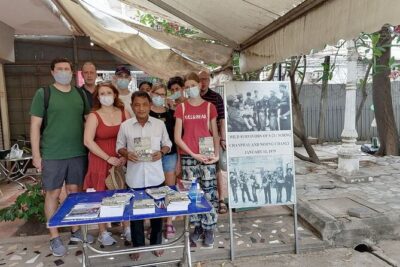
The Killing Field and Toul Sleng Genocide Museum (S21) Tour
Read our review →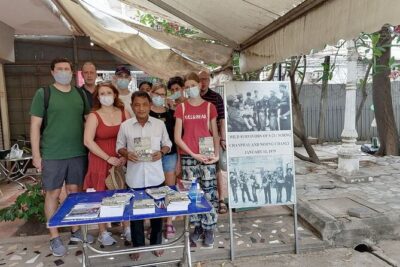
Killing field and Toul Sleng genocide museum Tour
Read our review →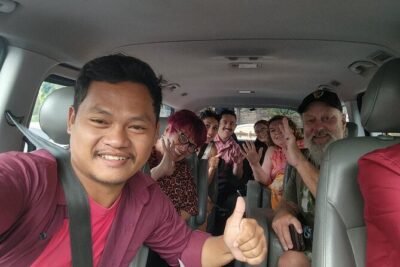
Visit 11 Places in One Day including S21 & Killing Field
Read our review →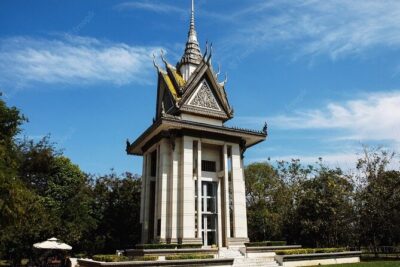
Half Day Tuol Sleng S21 and Choeung Ek Killing Field Tour
Read our review →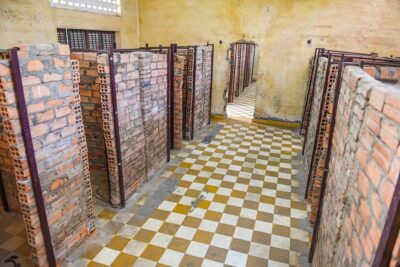
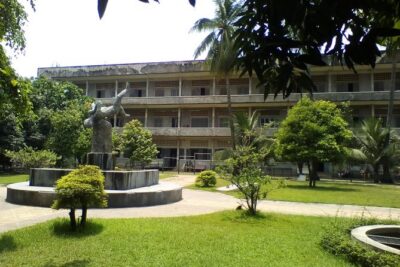
Private Half Day To Killing Field & S21 Genocidal Museum in Phnom Penh
Read our review →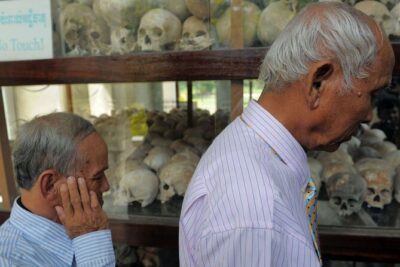
Tuol Sleng Genocide Museum (S-21) and Choeung Ek Killing Fields Tour
Read our review →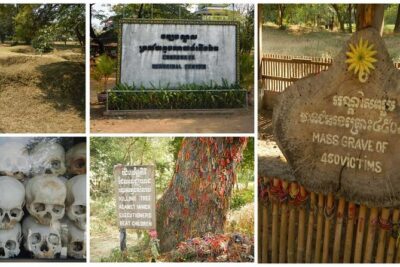
Phnom Penh City Tour, Silver Pagoda, Genocide Museum, Killing Fields
Read our review →Browse the lists this tour appears in