
Reviewed · ANGKOR WAT SUNRISE TOURS
Angkor Wat Sunrise Small Group Experience
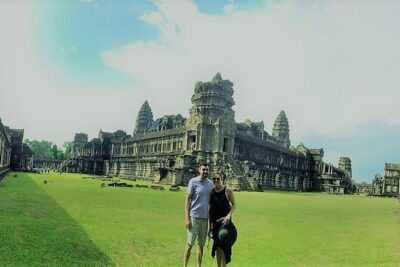
Angkor wakes before the sun. This $39 small-group tour gives you an early start at Angkor Wat, then carries you through Bayon, Ta Prohm, and Banteay Kdei with an English-speaking guide. I like the cool morning timing and the chance to see four major temples in one day. I also like that the guide helps with photographs, which matters when you are trying to frame yourself against Angkor Wat’s towers.
The main consideration is the early pickup, listed around 4:30 to 4:45 am, followed by roughly eight hours of sightseeing. The Angkor admission ticket, meals, breakfast, lunch, and dinner are not included, so your low tour price is not your full day’s cost. Still, the small group, air-conditioned vehicle, cold water, and cold towels make this a sensible introduction to Siem Reap’s temple complex.
In This Review
- Key points to know before booking
- Why the 4:30 am start is worth considering
- Angkor Wat: three hours around Cambodia’s great temple
- Bayon and Angkor Thom: faces in the stone
- Ta Prohm: roots, ruins, and a rougher mood
- Banteay Kdei: a quieter final temple
- What the guide and driver add to the day
- The $39 price: good value, with important extras
- Who should choose this temple tour
- Booking and cancellation details worth noting
- Should you book the Angkor Wat sunrise tour?
- FAQ
- What time does the tour start?
- How long does the experience last?
- Which temples are included?
- Is the Angkor Wat admission ticket included?
- Are meals included?
- What is included in the tour?
- How many people can join the group?
Key points to know before booking
- Sunrise comes first: You reach Angkor Wat in the dark and watch the sky change over the temple.
- Four major temple stops: The day includes Angkor Wat, Bayon, Ta Prohm, and Banteay Kdei.
- A guide helps with photos: Guides such as Vuthy, Sen, Thourn, Sam, and Indiana Jones are praised for clear explanations, humor, and picture-taking.
- Small groups keep the day friendly: The maximum group size is 10 people, making it easier to hear the guide and stay connected.
- The ticket costs extra: Your Angkor Wat admission is not included, and neither are meals.
- Expect a full morning and afternoon: The tour lasts about eight hours, with a lot of walking and temple steps.
Why the 4:30 am start is worth considering
Sunrise at Angkor Wat is the reason to choose this tour rather than a later temple outing. You arrive while the air is cooler and the complex has a quieter, more thoughtful mood. The first light over the temple ponds and towers gives you the classic Angkor scene, but the timing also has a practical benefit: Cambodia’s heat is easier to handle before midday.
You should not treat the sunrise as a quick photo stop. The plan allows about three hours at Angkor Wat, giving you time to watch the sky brighten, enter the temple, and hear about its religious purpose. The temple was built by Khmer King Suryavarman II and was dedicated to the Hindu god Vishnu, a useful starting point for understanding why Angkor Wat looks and feels different from later Buddhist temples.
The early hour does demand discipline. You will need to wake well before dawn, and the day does not finish after the sunrise photographs. You continue through three more temple areas, so this suits you best if you want a full first look at Angkor rather than a slow, single-site visit.
The stated meeting time is 4:30 am, while the pickup information gives 4:45 am. That small difference is worth confirming when you book. A few minutes matter at this hour, especially when you are waiting outside a hotel in the dark.
More sunrise starts at Angkor Wat:
- Angkor Wat Sunrise or Sunset Tour with Guide from Siem Reap
★ 5.0 · 12,109 reviews - Angkor Wat Sunrise tour with Small – Group and Guide tours
★ 5.0 · 3,655 reviews - Full-Day Angkor Wat Sunrise Private Tour with Guide from Siem Reap
★ 5.0 · 2,920 reviews
Angkor Wat: three hours around Cambodia’s great temple
Angkor Wat is the anchor of the day. Its long galleries, towers, courtyards, and carved stone walls can feel confusing without some guidance. An English-speaking guide gives the structure a clearer purpose, explaining the connection to Vishnu and the religious ideas behind the building.
I especially like the promise of help with photographs inside the temple. Guides named in the feedback, including Vuthy and Sen, are praised for taking good pictures, while other guides are described as making sure the group gets both historical explanation and time for photos. That is useful because the best image is not always the one taken from the obvious viewpoint.
The three-hour visit also lets you adjust to the scale of Angkor Wat. You can look closely at the stonework instead of rushing through one courtyard and heading straight back to the vehicle. The calm morning atmosphere is part of the attraction, not just a bonus.
There is a practical catch. The tour price does not include the Angkor admission ticket. You need to budget for that separately, and the supplied details do not state the current ticket price. The tour also does not include breakfast, so arrange food on your own or ask the guide for local recommendations during the day.
Bayon and Angkor Thom: faces in the stone
After Angkor Wat, the tour moves to the South Gate of Angkor Thom and then to Bayon Temple. This section is scheduled for about two hours, enough time to see the gate and explore the central temple area.
Bayon is known for its towers carved with large faces associated with the Buddhist bodhisattva Avalokitesvara. The temple is described as having 54 towers and 216 faces. Those numbers help you understand the scale, but the effect is more personal when you move among the towers and find faces looking out from several directions.
Bayon was built by King Jayavarman VII at the end of the 12th century, during a period when Cambodia’s religious life had shifted strongly toward Buddhism. That change gives the day a useful rhythm. At Angkor Wat, you begin with a major Hindu temple connected to Vishnu. At Bayon, you see a later royal vision shaped by Buddhist belief.
The two-hour stop is valuable because Bayon is not a temple you understand from one quick circuit. Its inner passages and crowded towers can be difficult to read, so listen for the guide’s explanation and stay near the group. The small maximum of 10 people should make that easier than a large coach tour.
This is also the point when the heat may begin to rise. The air-conditioned vehicle gives you a place to cool down between sites, while the included cold water and cold towels are simple but welcome comforts. One guide and driver combination was praised for having a cool towel ready after each site, a small service that can make a difference after hours on your feet.
Ta Prohm: roots, ruins, and a rougher mood
Ta Prohm is the most visually dramatic stop for many people. Enormous fig trees grow around the ruins, with roots pressing against and over the old stonework. The temple has been left in much the same condition in which it was found, so the jungle setting remains central to the visit.
I like that Ta Prohm follows Bayon rather than replacing it. Angkor Wat gives you planned grandeur, Bayon gives you towers and faces, and Ta Prohm shows what happens when a temple is reclaimed by trees and time. The contrast makes the day feel varied, even though all four sites belong to the same broad temple complex.
The visit is scheduled for two hours. Use that time to look past the famous tree-root photographs. The partially restored monastery complex has doorways, corridors, courtyards, and carved details that deserve attention. Your guide can help you understand how the site differs from Angkor Wat and Bayon.
The same practical warning applies here: this is a walking-heavy day. Roots, uneven stone, and temple passages can slow you down. The information says most people can participate, but it does not promise a step-free route or describe specific accessibility arrangements. If you need such details, ask the provider before booking.
More Angkor Wat tours we have reviewed:
- Siem Reap: Angkor Wat: Small-Group Sunrise or Sunset Tour
★ 5.0 · 9,444 reviews - Siem Reap: Angkor Wat 2-Day Tour with Sunrise and Sunset
★ 4.9 · 4,429 reviews - Siem Reap: Full-Day Angkor Wat Guided Tour with Sunset
★ 4.9 · 3,803 reviews - Angkor Wat Highlights and Sunrise Guided Tour from Siem Reap
★ 5.0 · 3,213 reviews
Banteay Kdei: a quieter final temple
The last stop is Banteay Kdei, scheduled for about one hour. King Jayavarman VII built it from the late 12th into the early 13th century, and it served as a monastery for Buddhist monks. The site is largely unrestored and follows a style similar to Ta Prohm.
Banteay Kdei is a sensible final stop because it is less grand than Angkor Wat and less instantly recognizable than Ta Prohm. After a long day, its partly ruined monastic layout can feel more relaxed. You get another view of Jayavarman VII’s building program without ending at the biggest and busiest-feeling monument.
Do not expect the same polished presentation as Angkor Wat. Its unrestored condition is the point, but it can also make the site harder to read without the guide. Pay attention to the layout and ask questions while you still have energy. The one-hour visit gives you a final look without adding another large temple to an already full schedule.
What the guide and driver add to the day
A good guide matters at Angkor because the stones alone do not explain the religious changes, royal ambitions, or daily life behind the buildings. This tour’s guide feedback is particularly strong: Sam is praised for explaining Cambodian history and culture, Sen for humor and photographs, and Vuthy for clear English, useful information, and a funny manner.
Indiana Jones is another guide named in the feedback, described as helping the group see all four sites while explaining them well. The names matter less than the pattern: the guide is expected to do more than point toward a doorway. You get context, photo help, and a companionable tone during a demanding day.
The small-group limit is 10 people. That is a good middle ground. You still have company for the long temple day, but you are less likely to lose the guide in a large crowd. One account specifically praised how easy it was to connect with the guide and the rest of the group.
The driver is part of the value too. The tour includes an air-conditioned vehicle, cold water, and cold towels. James and Mr Lucky are praised by name for timely driving, hydration, and having towels ready after temple visits. These are not grand luxuries, but they answer the basic needs of a hot, active day.
The $39 price: good value, with important extras
At $39, this is a strong price for a guided eight-hour outing, especially when you factor in hotel pickup, transport, a guide, and four temple stops. You are not paying only for a ride to Angkor Wat. You are buying structure for a complicated morning, interpretation at each site, and help managing the order of the temples.
The price needs to be read carefully. Your Angkor ticket is not included, and meals are also excluded. Breakfast is especially relevant because the tour begins before normal breakfast hours. Lunch is not supplied either, though the guide can recommend local food.
That setup can work in your favor. You keep control of what you eat and spend, and you can follow the guide’s local suggestions. But you should not leave Siem Reap expecting the $39 payment to cover every cost of the day.
The included cold water and towels are also worth noting. A lower-priced tour that leaves you arranging transport and finding your own guide can become less convenient quickly. Here, the basics are covered, while the larger admission and food costs remain yours.
Who should choose this temple tour
I would choose this outing if you have one main day for Angkor and want to see the major sights in a sensible sequence. It gives you the famous sunrise, two major royal temples, the tree-covered ruins of Ta Prohm, and a more subdued monastery complex at Banteay Kdei.
It also suits you if you like learning as you walk. The religious change from Vishnu worship at Angkor Wat to the Buddhist setting connected with Jayavarman VII gives the day a clear story. The guides’ humor and photography skills make the long hours easier, according to the supplied feedback.
This may not be your best choice if you dislike very early mornings or prefer to spend half a day at one temple. Eight hours is a lot of time in the sun and on uneven ground, even with a cool start. You should also plan separately for the ticket and meals.
The tour has a maximum of 10 people, and confirmation is provided at booking. Most people can participate. For specific mobility needs, contact the provider first because the supplied details do not explain the route’s accessibility.
Booking and cancellation details worth noting
Pickup is offered, with the listed start time around 4:30 am and hotel pickup information around 4:45 am. Confirm the exact pickup time and location so you are not guessing before sunrise.
Free cancellation is available if you cancel at least 24 hours before the experience starts. A cancellation made less than 24 hours before the start time is not refundable, and changes inside that window are not accepted. The cut-off follows local time in Siem Reap.
Should you book the Angkor Wat sunrise tour?
Yes, I would recommend it for a first visit to Angkor, especially if you want guidance, photographs, and four major temples in one organized day. The strongest reasons are the early start, the small group, the clear temple sequence, and the repeated praise for guides such as Vuthy, Sen, Sam, Thourn, and Indiana Jones.
Book it with realistic expectations. You will need to pay separately for admission and food, wake before dawn, and keep walking for most of the day. If that sounds manageable, $39 buys a useful and well-supported introduction to Angkor’s Hindu and Buddhist monuments.
FAQ
What time does the tour start?
The listed start time is 4:30 am, while hotel pickup information gives 4:45 am. Confirm the exact pickup time when booking.
How long does the experience last?
The tour lasts approximately eight hours.
Which temples are included?
The route includes Angkor Wat, Bayon Temple, Ta Prohm Temple, and Banteay Kdei.
Is the Angkor Wat admission ticket included?
No. The Angkor Wat ticket is not included in the tour price.
Are meals included?
No. Breakfast, lunch, and dinner are not included. Guides can recommend local lunch options.
What is included in the tour?
You receive transport in an air-conditioned vehicle, an English-speaking tour guide, cold water, and a cold towel.
How many people can join the group?
The tour has a maximum of 10 people.
More Morning
- Angkor Wat Sunrise & 3 Main Temples with Breakfast – Small Group
★ 5.0 · 2,857 reviews - Siem Reap: Angkor Wat Sunrise and Full-Day Sightseeing Tour
★ 4.9 · 2,828 reviews - Angkor 2-Day Sunset & Sunrise Small-Group Tour
★ 5.0 · 2,567 reviews - Siem Reap: Angkor Wat Sunrise or Sunset Guided Tour
★ 4.9 · 2,123 reviews
Just added around Siem Reap
- Private Battambang Full-Day Guided Tour★ 4.5 · 3 reviews
- Kulen Mountain, Beng Mealea and Banteay Srei Full Day Tour★ 5.0 · 3 reviews
- Kompong Pluk Tour★ 5.0 · 3 reviews
- Private 3 Day Tour to Discover the ancient temples★ 5.0 · 3 reviews
- Kulen National Park Ticket -Waterfall & 1000 Lingas★ 5.0 · 3 reviews
- Cambodia: Absolute Traditional Dance Show with Buffet Dinner★ 5.0 · 3 reviews
- Border Transfer (Siem Reap to Laos/Laos to Siem Reap)★ 3.5 · 3 reviews
- Siem Reap Countryside Sunset Vespa Tour or Tuk Tuk★ 4.5 · 3 reviews
Angkor Wat Sunrise Tours, compared.

Angkor Wat Sunrise or Sunset Tour with Guide from Siem Reap
Read our review →
Angkor Wat Sunrise tour with Small – Group and Guide tours
Read our review →
Full-Day Angkor Wat Sunrise Private Tour with Guide from Siem Reap
Read our review →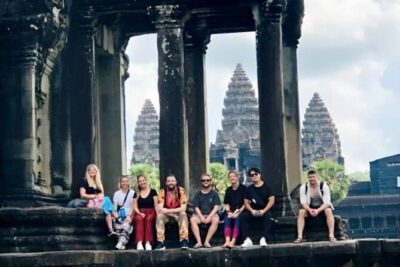
Angkor Wat Sunrise & 3 Main Temples with Breakfast – Small Group
Read our review →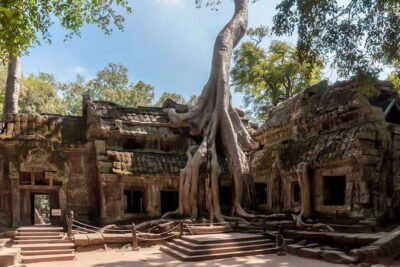
Angkor Wat Sunrise and Full-Day Sightseeing Tour
Read our review →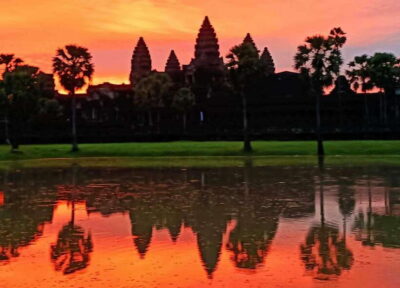
Siem Reap Tour: Angkor Wat Sunrise, Bayon, Ta Prohm, Banteay Srei
Read our review →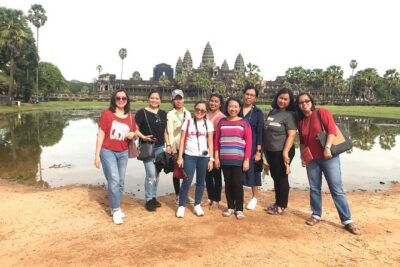
Angkor Wat Sunrise Explore The Most Iconic Temples
Read our review →Browse the lists this tour appears in