
Reviewed · COOKING CLASSES
Cooking Class in Phnom Penh
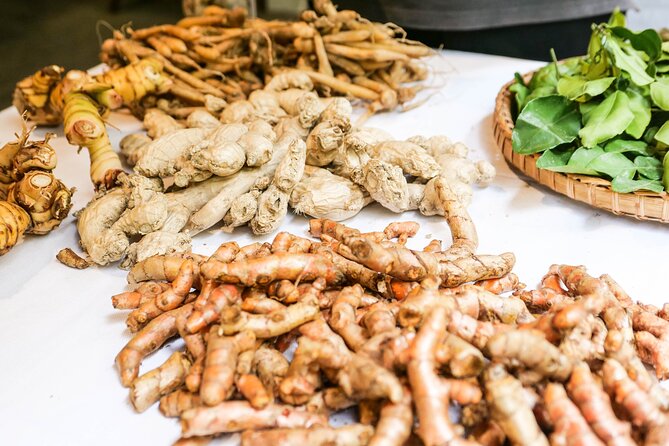
Cambodian flavor starts with a mortar and pestle. The Phnom Penh Spice Cooking Class gives you a hands-on introduction to Khmer food, from cutting fresh spices and pounding them into a paste to preparing BBQ, dessert, and a full evening meal. I like the small maximum group of eight, which should make it easier to follow the instructor and get practical help. I also like the food-and-culture mix, since the evening includes a presentation about rice, fish, herbs, spices, and outside influences on Cambodian cooking.
The main consideration is the fixed evening schedule. You begin at 5:00 p.m. and finish around 8:00 p.m., so this class uses most of your night. The cooking itself does not begin with a restaurant-style spread. You start by preparing ingredients, pounding spices, and waiting for some dishes to steam, which suits curious cooks more than anyone seeking a quick meal.
In This Review
- Key points at a glance
- Starting with coconut water at 5:00 p.m.
- Cutting spices and pounding the paste
- Mixing the paste with vegetables and meat
- Steaming the prepared dish at 6:45 p.m.
- Cambodian-style BBQ at 7:00 p.m.
- Making dessert at 7:15 p.m.
- Food culture through a slide presentation
- Dinner at 8:00 p.m., with drinks included
- Why the small group matters
- Is $31 good value?
- Who should book this class?
- Should you book the Phnom Penh Spice Cooking Class?
- FAQ
- How long does the cooking class last?
- Where does the class begin?
- Does the activity end at the meeting point?
- How many people can join the class?
- What food preparation is included?
- Are drinks included with dinner?
- Can I cancel for a full refund?
Key points at a glance
- A small class of up to eight: The limited group size should allow more direct instruction and less standing around.
- Fresh local ingredients: You work with the herbs, spices, vegetables, and meat that give Khmer dishes their distinct character.
- Hands-on spice-paste preparation: Cutting and pounding the spices lets you understand the base of the food, rather than simply following a printed recipe.
- A full evening menu: The schedule includes a spiced dish, steamed food, Cambodian-style BBQ, dessert, and drinks.
- Food culture included: A slide presentation explains the place of rice, fish, herbs, and neighboring culinary influences in Cambodian cooking.
- A practical $31 price: The fee includes the class, the meal you prepare, water, a soft drink, and one or two beers.
Starting with coconut water at 5:00 p.m.
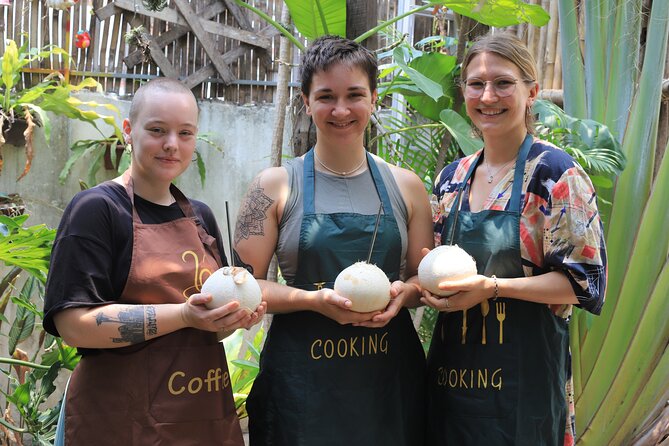
You meet at Phnom Penh Spice Cooking Class 111 on St 1MC in Phnom Penh at 5:00 p.m. The opening is relaxed: coconut water, seasonal fruit, and an introduction to Cambodian spices. That first drink and snack matter because they give you a gentle start before the work begins.
I like that the class introduces the ingredients before asking you to cook with them. Cambodian food can look simple on the plate, but its flavor often comes from the balance of fresh herbs, spice paste, meat or fish, and vegetables. Seeing and smelling the raw ingredients first helps you understand how the final dishes are built.
The meeting point is also the end point, so there is no transfer between kitchens or restaurants. You need to arrange your own way to St 1MC, but once you arrive, the evening follows a clear schedule. Confirmation is sent within 48 hours of booking, subject to availability, so do not leave the reservation until the last minute if your Phnom Penh plans are tight. The experience is booked, on average, seven days ahead.
More Khmer cooking classes:
- Khmer Cooking Class Half Day (AM or PM)
★ 5.0 · 316 reviews - Khmer Cooking Class Full Day
★ 5.0 · 13 reviews - The Mekong Village Cooking Escape
★ 5.0 · 4 reviews
Cutting spices and pounding the paste
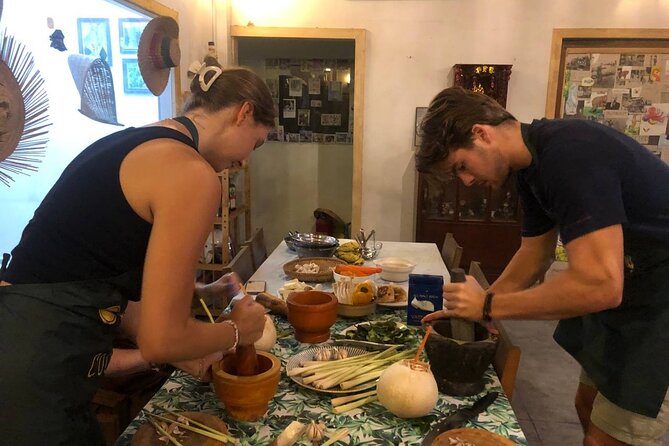
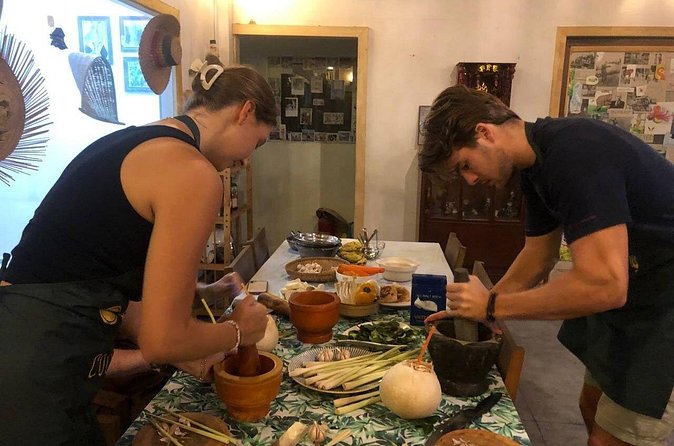
At about 5:15 p.m., the hands-on cooking begins. You cut the spices and pound them into a paste. This is the most useful part of the class for anyone who wants to understand Khmer cooking instead of simply eating it.
A mortar and pestle changes the way you think about seasoning. You are not just adding a spoonful of sauce at the end. You are breaking down spices and combining them into the base of the dish. The process takes some effort, but that effort shows you how the flavor develops before the food even reaches the pan, grill, or steamer.
The pace should feel manageable for most people because the class is limited to eight. Still, you should expect to participate. This is not a demonstration where you sit back and watch an instructor handle every step. If you prefer a passive food tour, the pounding and chopping may feel like work. If you enjoy learning by doing, it is likely to be the evening’s most memorable task.
The class is especially useful for anyone curious about the difference between Cambodian food and the better-known cuisines of neighboring countries. The spice paste offers a direct lesson in how a dish gets its identity from its ingredients and preparation, not from a heavy sauce poured over the top.
Mixing the paste with vegetables and meat
Around 5:30 p.m., you season the spice paste and mix it with vegetables and meat. This stage shows how the paste becomes part of a complete dish. You are no longer handling spices in isolation. You are learning how seasoning interacts with the main ingredients.
I appreciate the order of the class here. The instructor introduces the spices first, then moves into seasoning and mixing. That gives you a simple chain to follow: identify the ingredients, prepare the paste, season it, and combine it with vegetables and meat.
The description does not specify the exact dishes served each evening, so you should not book expecting a particular named recipe unless the provider confirms it directly. The focus is clearly on classic Cambodian cooking and traditional methods, but the final menu may depend on the class setup or available ingredients.
That uncertainty is a small drawback for serious food planners. On the other hand, it keeps the experience focused on Cambodian cooking as a whole rather than turning it into a lesson built around one famous dish. You get a broader look at spice, texture, cooking methods, and balance.
Steaming the prepared dish at 6:45 p.m.
At approximately 6:45 p.m., part of the meal goes into the steamer. This creates a natural pause in the evening. While the food cooks, you have time to see how a gentler cooking method changes the texture and carries the spice mixture through the dish.
Steaming is an important contrast to pounding and grilling. The mortar work is active and physical, while steaming depends on patience. You prepare the food, set it up, and let heat do the rest. That rhythm helps you understand that Cambodian cooking is not built around one technique.
The timing also means dinner does not arrive immediately. You should plan on a three-hour experience, not a quick lesson followed by an early meal. The class runs until about 8:00 p.m., with dinner at the end. I see this as a plus if you want an evening activity, but it could be inconvenient if you have a night bus, a late reservation, or another fixed appointment.
A few more trips worth weighing up
- Khmer Cooking Class at a Local’s Home in Krong Siem Reap
★ 5.0 · 2,731 reviews - Siem Reap: Khmer Cooking Class at a Local’s Home
★ 5.0 · 1,108 reviews - Award-Winning Cooking Class Experience with Professional Teacher
★ 5.0 · 745 reviews - Siem Reap: Cambodian Pottery Class
★ 4.9 · 339 reviews
Cambodian-style BBQ at 7:00 p.m.
At 7:00 p.m., the class turns to BBQ in Cambodian style. After the soft flavors of steamed food, grilling adds a different texture and a stronger cooked aroma. It also gives you another chance to work directly with the ingredients rather than simply watching the instructor.
The BBQ section helps make the class feel like a complete meal rather than a single recipe lesson. You prepare food in more than one way, then compare the results at the table. The combination of steamed food and grilled food should appeal to people who like variety in one meal.
The available information does not identify the exact meat or BBQ equipment, so I would keep your expectations flexible. You can count on a Cambodian-style grilling segment, but not on a specific cut or recipe. That is worth remembering if you have dietary restrictions or need to avoid particular ingredients. The supplied details do not state that vegetarian, vegan, allergy-sensitive, or other special menus are available.
Making dessert at 7:15 p.m.
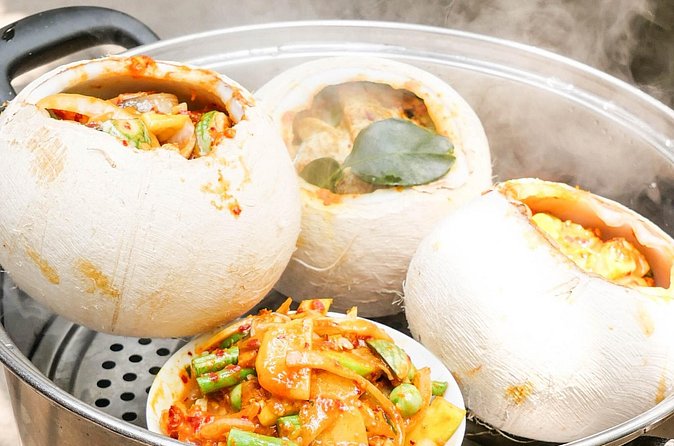
Dessert preparation begins at about 7:15 p.m. This is a welcome part of the schedule because it rounds out the meal and gives you a look at the sweet side of Cambodian food. Cooking classes often focus heavily on savory dishes, so including dessert makes the evening feel more complete.
The exact dessert is not listed. You should treat this as an opportunity to learn a Cambodian sweet preparation rather than booking with a particular dessert in mind. The timing suggests that dessert is prepared while the other dishes finish or are arranged for the meal.
For families or couples, this final cooking step can also keep the class lively after the more repetitive work of cutting and pounding. I would expect the dessert portion to be shorter than the main spice preparation, but it still adds another technique and flavor profile to the evening.
Food culture through a slide presentation
At about 7:30 p.m., you sit down for a slide presentation about Cambodian food. The talk covers the importance of rice and fish, as well as the herbs and spices that shape Khmer cooking. It also explains influences from neighboring countries.
This section gives the cooking a useful setting. Rice and fish are not just ingredients on a plate. They connect the food to daily life, local habits, and the wider food culture of Cambodia. Herbs and spices also become easier to appreciate once you know why they matter in the cuisine.
I like the placement of the presentation. You have already handled the ingredients and prepared the dishes, so the information should feel connected to what you have just done. A talk before the cooking might seem abstract. After the cooking, it can help you make sense of the choices behind the meal.
The format is a slide presentation, not a walking food tour or a long lecture. If you want a broad introduction to Cambodian food culture without adding another separate activity to your schedule, this is a useful feature. If you are seeking a highly technical cooking course, the presentation may feel more general than the practical kitchen work.
Dinner at 8:00 p.m., with drinks included
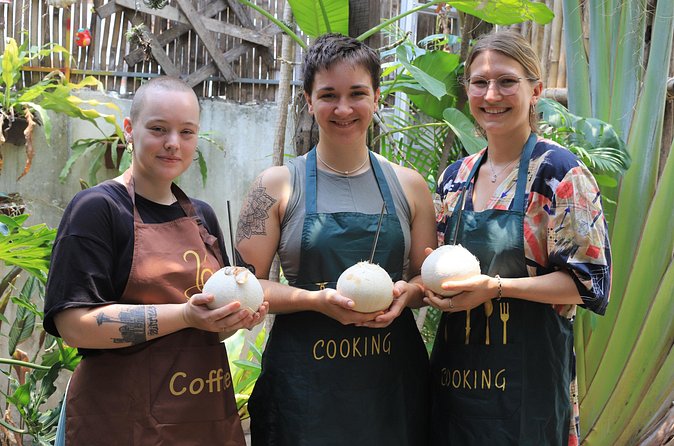
Dinner begins at about 8:00 p.m., when you eat the dishes you have prepared. This is the payoff of the class, but it is also part of the lesson. You can taste the spice paste, the steamed preparation, the BBQ, and the dessert with a better sense of the steps behind them.
Water, a soft drink, and one or two beers are included. That improves the value of the $31 price, especially since the fee covers both instruction and the meal. You are not paying for a short cooking demonstration and then buying dinner elsewhere. The class provides an entire evening of food-related activity and ends with a prepared meal.
The dinner is likely to be most satisfying for people who enjoy the process as much as the plate. You may not get the polished presentation of a fine restaurant, and the exact dishes are not specified. But you get to eat food connected to your own work, which gives the meal a personal touch that a standard restaurant dinner cannot offer.
One especially positive note comes from the response of the host, Sreng, who thanked a couple for bringing energy to the cooking and for engaging with the information about Cambodia. That response suggests a warm, involved hosting style. The experience has received a five-star rating from seven reviews, and the strongest praise centers on two things: the educational side and the quality of the food. I would give those features proper weight when deciding if the class fits your plans.
Why the small group matters
The maximum group size is eight people. For a cooking class, that number is important. You need room to reach the ingredients, see what the instructor is doing, and receive help with the spice paste, seasoning, and cooking steps.
A small group can also make the cultural presentation feel more personal. You may have a better chance to ask questions about the food, ingredients, and Cambodian cooking traditions than you would in a large class. The available information does not promise private instruction, so you should still expect to share the kitchen with other people.
The class is a good fit for solo visitors, couples, and small groups who enjoy meeting others over food. It may be less suitable if you need a private event or if you want a class tailored to a particular diet, since no special-menu information is provided.
Is $31 good value?
At $31 per person, I consider this a fair price for a three-hour evening activity in Phnom Penh. The value comes from several parts working together: ingredient preparation, instruction, multiple cooking methods, a cultural presentation, dinner, and drinks.
You should compare it with what you would spend on a regular dinner, then add the value of the lesson and presentation. The class costs more than simply ordering a meal, but it also gives you an activity and a better understanding of what you are eating. For food lovers, that makes the price easier to justify.
The value is weaker if you only want dinner. You will spend close to three hours preparing the food before eating it, so the experience rewards patience. I would book it as an evening cultural activity, not as a cheap restaurant substitute.
Who should book this class?
I would recommend it to you if you enjoy practical activities, want an introduction to Cambodian food, or like knowing how a meal is made. It also suits anyone looking for a relaxed evening plan that combines cooking, conversation, a short cultural talk, and dinner.
It may be a good choice for first-time visitors to Phnom Penh because the class explains several foundations of Khmer cuisine in one place. You do not need to build your evening around separate food stops to get a basic sense of the ingredients and methods.
I would think twice if you dislike chopping, pounding, or waiting for food to cook. The class is hands-on by design. You should also check directly with the provider if you have food allergies or strict dietary requirements, since the supplied details do not describe substitutions.
Booking at least a week ahead is sensible because the class is commonly reserved about seven days before the date. You receive free cancellation if you cancel at least 24 hours before the 5:00 p.m. start time. Cancellations or changes made within 24 hours are not refunded or accepted, and all cut-off times use Phnom Penh local time.
Should you book the Phnom Penh Spice Cooking Class?
Book it if you want more than a meal. The strongest reasons are the small group, the hands-on spice-paste work, the mix of steaming and BBQ, and the food presentation that explains how rice, fish, herbs, spices, and neighboring influences shape Cambodian cuisine.
Skip it if your schedule is packed at night or you need a guaranteed named menu. For everyone else, $31 buys a friendly, useful introduction to Khmer cooking with dinner at the end. The class is especially worthwhile when you want to leave Phnom Penh with more than photographs. You leave with a better sense of how Cambodian flavors are built.
FAQ
How long does the cooking class last?
The experience lasts approximately three hours, beginning at 5:00 p.m. and ending around 8:00 p.m.
Where does the class begin?
You meet at Phnom Penh Spice Cooking Class 111, St 1MC, Phnom Penh, Cambodia.
Does the activity end at the meeting point?
Yes. The activity ends back at the meeting point.
How many people can join the class?
The class has a maximum of eight participants.
What food preparation is included?
The schedule includes cutting spices, pounding them into a paste, mixing the paste with vegetables and meat, steaming food, preparing Cambodian-style BBQ, and making dessert.
Are drinks included with dinner?
Yes. Water, a soft drink, and one or two beers are included.
Can I cancel for a full refund?
Yes, if you cancel at least 24 hours before the experience start time. Cancellations made less than 24 hours before the start time are not refunded, and changes within that period are not accepted.
Just added around Phnom Penh
- Private Van Phnom Penh To Siem Reap English Speaking Driver★ 5.0 · 3 reviews
- Private Taxi Phnom Penh – Kampot Overland Transfer★ 5.0 · 3 reviews
- Half Day – Phnom Penh Food Tour★ 4.5 · 3 reviews
- Full-Day Amazing Phnom Penh City Tours★ 5.0 · 3 reviews
- Phnom Penh to Koh Rong/Koh Rong Sanloem by Car or Minivan & Boat★ 5.0 · 3 reviews
- Private Transfer From or to Phnom Penh <=> Sihanoukville★ 5.0 · 3 reviews
- Riverside Walking Tour with Snack, Drinks & Local Ferry Ride★ 5.0 · 3 reviews
- Day Tour In Phnom Penh With Bophany★ 5.0 · 3 reviews
Cooking Classes, compared.
Khmer Cooking Class at a Local’s Home in Krong Siem Reap
Read our review →
Award-Winning Cooking Class Experience with Professional Teacher
Read our review →
Browse the lists this tour appears in