
Reviewed · SILK FARM & CRAFT WORKSHOPS
Half Day Trip: Silk Farm, Satcha, and Senteur d’Angkor Tour
Craft tells Cambodia’s story clearly. This four-hour private tour links the Angkor Silk Farm, Satcha Handicraft Center, Senteurs d’Angkor, and Artisan d’Angkor in one easy outing from Siem Reap. I like the chance to see the full silk-making process, from mulberry trees and silkworms to finished fabric. I also like the mix of old Khmer techniques and newer design, especially at Satcha, where six workshops use Cambodian bamboo from Kampong Cham.
The main drawback is that this is a shopping and craft tour, not a major sightseeing excursion. If you have only one day in Siem Reap and want temples, this should not replace Angkor Wat. But if you have already seen the main ruins, or want a slower look at Cambodian skill and small-scale production, it offers good value at $25 per private group of up to two people.
In This Review
- Key Points Before You Book
- Why This Four-Hour Route Works
- Starting With Mulberry Trees at the Angkor Silk Farm
- Six Workshops at Satcha Handicraft Center
- Senteurs d’Angkor and Cambodia’s Natural Products
- A Final Look at Artisan d’Angkor
- Tuk-Tuk Transport and the Pace of the Morning
- Is $25 Good Value?
- Who Should Choose This Craft Tour?
- Should You Book It?
- FAQ
- How long does the tour last?
- What places are included?
- How much does the tour cost?
- Is transportation included?
- Are meals included?
- Can I cancel the booking?
Key Points Before You Book
- Four craft centers in four hours: The route gives you a broad look at Cambodian silk, bamboo, food-related products, and handmade goods without requiring a full-day commitment.
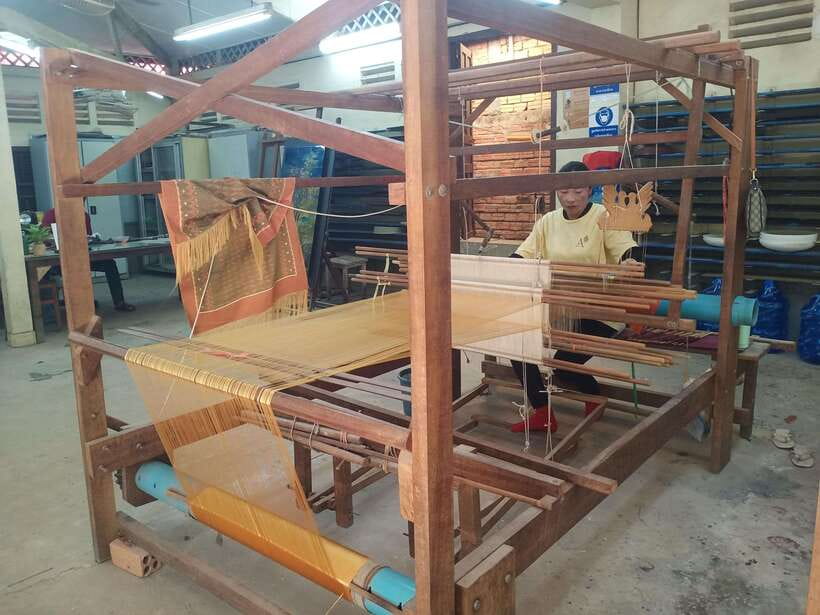
- The Silk Farm is the strongest stop: You see mulberry cultivation, the silkworm life cycle, silk production, weaving, and finished fabrics.
- Satcha links tradition with design: Six bamboo workshops show how familiar Khmer patterns can be used in modern objects.
- Senteurs d’Angkor focuses on natural Cambodian products: It is a useful stop for seeing how local ingredients and craft skills become packaged goods.
- Artisan d’Angkor adds another look at local handicrafts: The final visit gives you more time with Cambodian-made products and production methods.
- A private tuk-tuk makes the route simple: Hotel pickup and drop-off are included, and the short rides help keep the half-day moving.
Why This Four-Hour Route Works
This outing is built for travelers who want more than temple photographs. Siem Reap is best known as the gateway to Angkor, but the town also supports makers who work with silk, bamboo, wood, stone, fragrance, and other local materials. This tour gives you a look at that working side of Cambodian culture.
The schedule is straightforward. You are picked up in Krong Siem Reap, ride by tuk-tuk to four separate stops, spend about 50 minutes at each one, and return to your hotel. The tuk-tuk rides take about 15 minutes between the first three stops, with a shorter five-minute ride before the final stop.
That structure matters. You are not trapped in one large showroom for half a day. Each visit has a different focus, so the subject changes before the experience becomes repetitive. At the same time, four stops in four hours leaves little room for lingering. You should expect a guided introduction and time to look around, not a long workshop where you make a product yourself.
The tour is private, which makes the $25 price especially appealing for two people sharing the booking. It is less compelling for a solo visitor if the same group price applies, but it remains a convenient way to cover several places without arranging separate rides.
More Craft Workshops in Siem Reap
- Siem Reap: Cambodian Pottery Class
★ 4.9 · 339 reviews - Siem Reap Lotus Silk Farm Discovery tour & Lake experience
★ 4.7 · 291 reviews - Cambodian Pottery Class in Siem Reap
★ 4.5 · 157 reviews
Starting With Mulberry Trees at the Angkor Silk Farm
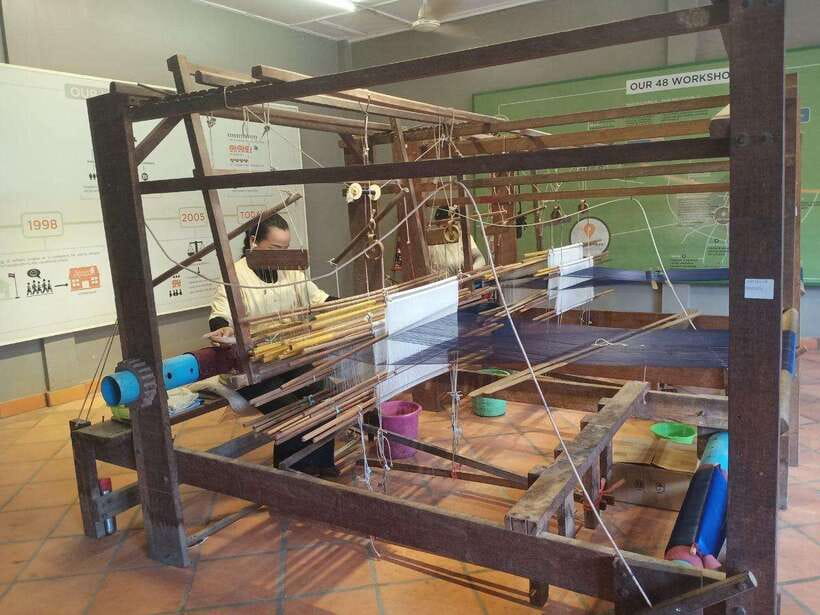
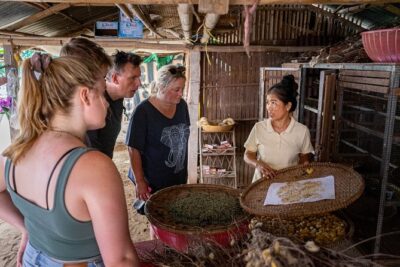
The Angkor Silk Farm gives the tour its clearest beginning. Instead of showing only the finished scarves or garments, the visit follows silk from its earliest stage. You see the carefully cultivated mulberry trees, which provide food for the silkworms, then learn about the insects’ life cycle and the steps that lead to woven cloth.
That order helps you understand why silk takes time and care. A finished fabric can look simple on a shop shelf. The farm shows the chain of work behind it, from growing the right plant to tending silkworms and preparing fibers for weaving.
The guided visit lasts about 50 minutes and includes walking, sightseeing, a workshop-style presentation, and time to shop. One especially useful detail is that the silk work is presented as a traditional process. You are not simply looking at a modern retail display. You get a practical sense of how older methods continue to shape Cambodian textiles.
I would allow yourself time to watch before browsing. The products make more sense after you understand the process. You can then judge the fabric, colors, and workmanship with a better eye instead of treating silk as just another souvenir.
This is also the stop most likely to appeal to anyone interested in the handwork behind an object. A particularly strong account of the visit praised the chance to follow the material from the silkworm’s life cycle through to the finished silk. That is the real strength of this stop.
The limitation is simple: anyone who is not interested in textiles may find the presentation less exciting. There are no temple ruins or dramatic views here. The reward comes from close attention to a process that is easy to overlook.
Six Workshops at Satcha Handicraft Center
Satcha Handicraft Center changes the subject from silk to design and construction. The center includes six workshops built with Cambodian bamboo from Kampong Cham. That material choice gives the visit a clear local connection, while the designs draw on Khmer ornaments in a more contemporary way.
You can expect a guided walk, time to see how products are made, and a chance to browse. The point is not only to admire bamboo as a raw material. It is to see how traditional know-how can be shaped into objects that fit modern homes and tastes.
For me, this is one of the most useful stops for understanding the difference between copying an old design and adapting an old idea. Khmer decorative patterns remain part of the visual language, but the finished work is not presented as a museum piece. The center shows how craft can continue by changing its form.
The six-workshop layout also gives the visit some variety. You are not watching one repeated demonstration from start to finish. Instead, you get a short introduction to several kinds of work. Since each stop lasts about 50 minutes, the tour gives you enough time to notice the materials and design choices without turning the day into a formal craft course.
You should keep your expectations realistic. The supplied details do not promise that you will take part in making bamboo products. This is mainly a guided visit with sightseeing and shopping. If you want to spend hours working with artisans, you will need a different type of activity.
Still, Satcha is a good fit for design-minded visitors, families, and anyone looking for a Cambodian souvenir that feels connected to local materials. I would pay attention to the use of bamboo from Kampong Cham and the Khmer-inspired details. Those small points give the products more meaning than a generic decorative item.
Senteurs d’Angkor and Cambodia’s Natural Products
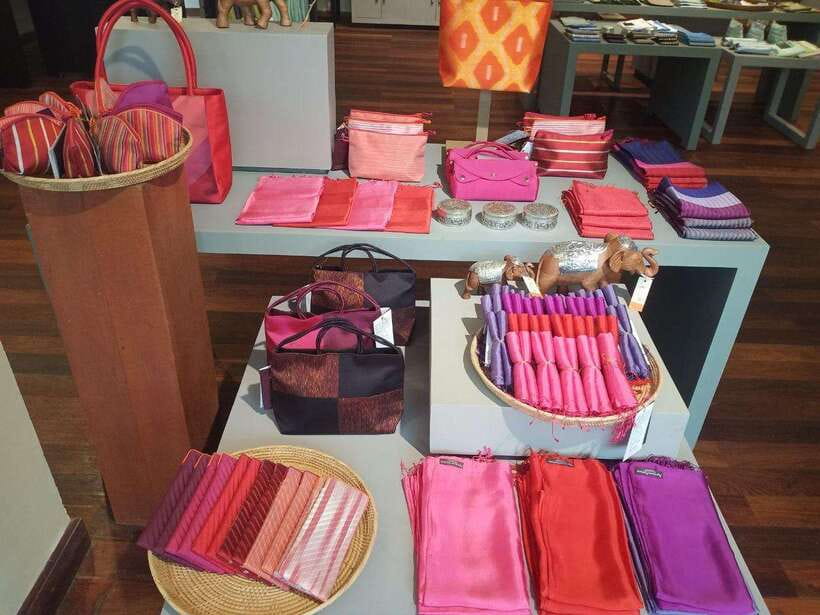
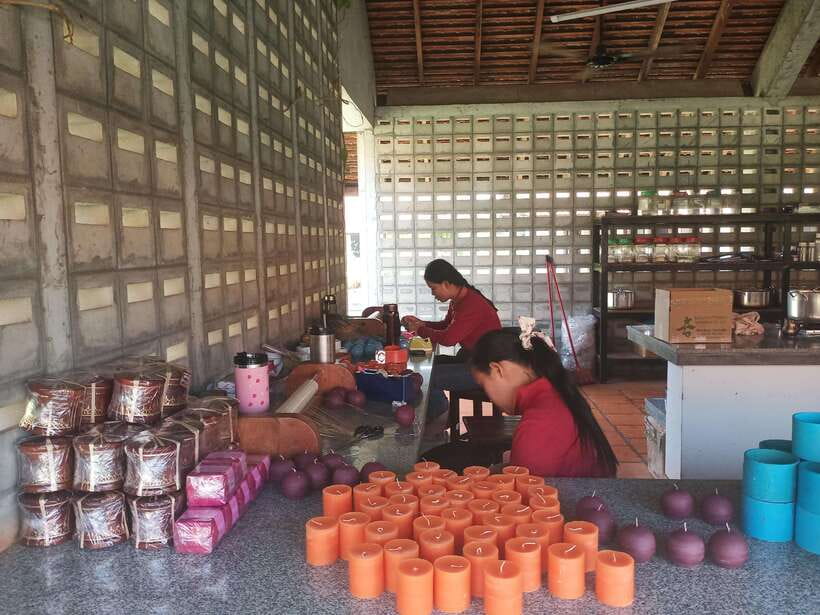
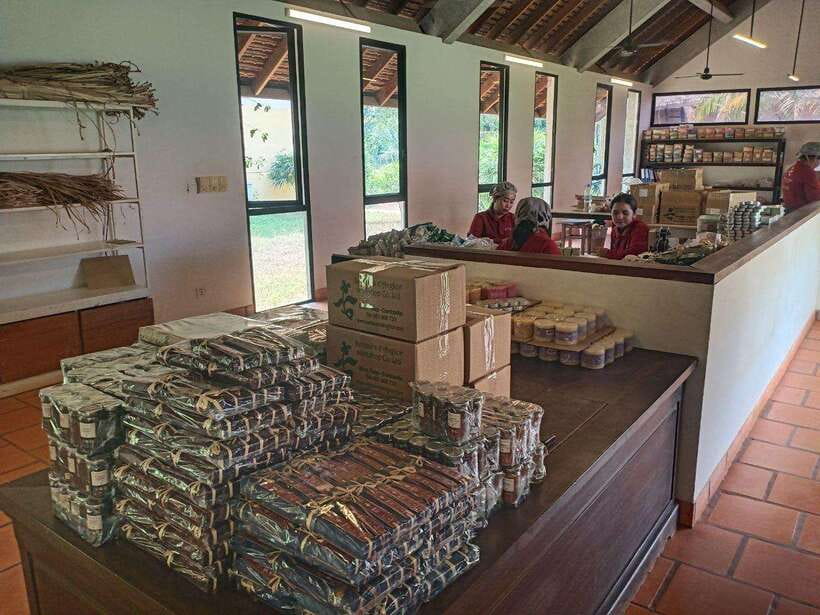
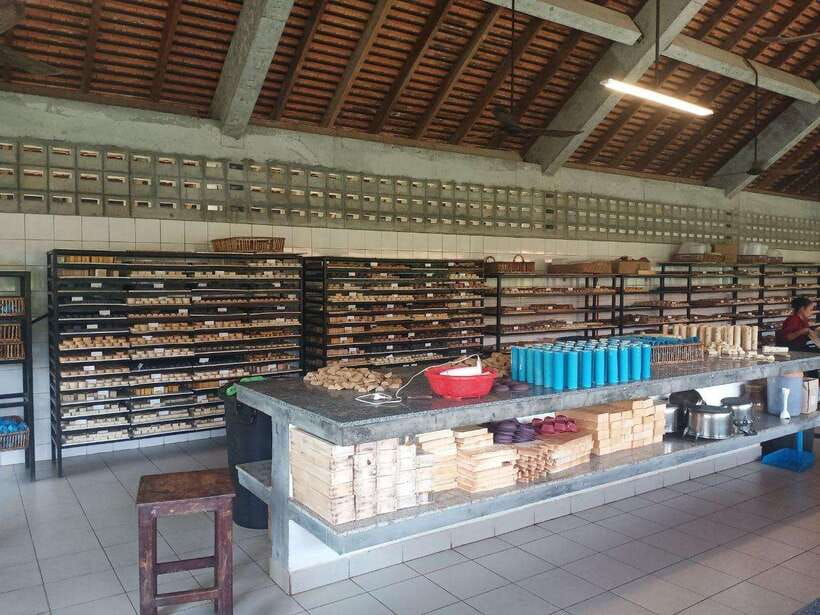
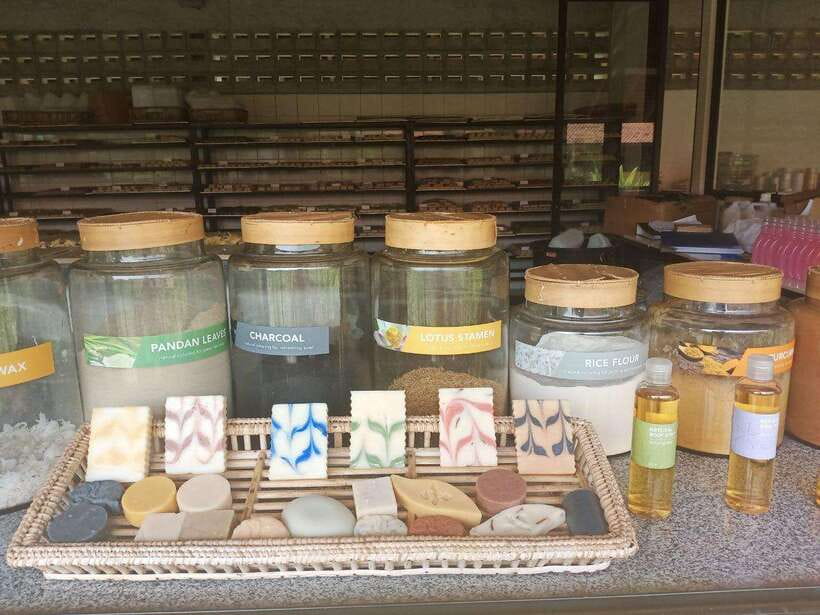
Senteurs d’Angkor brings another style of craft into the route. Here, the focus is on sustainable Cambodian treasures and artisanal products. The supplied information does not list every product or ingredient, so you should think of this as a guided introduction to local goods rather than a guaranteed catalog of particular items.
This stop is useful because it shows how Cambodian culture reaches beyond cloth and sculpture. Fragrance, packaged products, and other small goods can carry local identity too. The presentation gives you a chance to connect everyday items with Cambodian materials and production skills.
As with the other visits, you have about 50 minutes for a guided tour, photographs, walking, shopping, and a workshop-style look at the work. That amount of time is enough to browse without rushing, though it may feel short if you want to examine every product carefully.
I would treat Senteurs d’Angkor as a good place to look for practical gifts. The products are easier to pack than large handicrafts, and the stop adds a different texture to the day. You are no longer focused only on how fabric is woven or bamboo is shaped. You are looking at how local products are prepared, presented, and sold.
There is also a tradeoff. Visitors who prefer raw workshops may find a product-focused stop less satisfying than the Silk Farm. The experience is strongest when you are curious about how Cambodian ingredients and craft traditions become finished items. It is less essential if shopping is not part of your plan.
A completely different kind of day out from Siem Reap:
- Angkor Wat Sunrise or Sunset Tour with Guide from Siem Reap
★ 5.0 · 12,109 reviews - Siem Reap: Angkor Wat: Small-Group Sunrise or Sunset Tour
★ 5.0 · 9,444 reviews - From Siem Reap: Kampong Phluk Floating Village Tour by Boat
★ 4.9 · 6,979 reviews - Sunset tour of Kampong Phluk stilts home village on the Tonle Sap
★ 5.0 · 4,865 reviews
A Final Look at Artisan d’Angkor
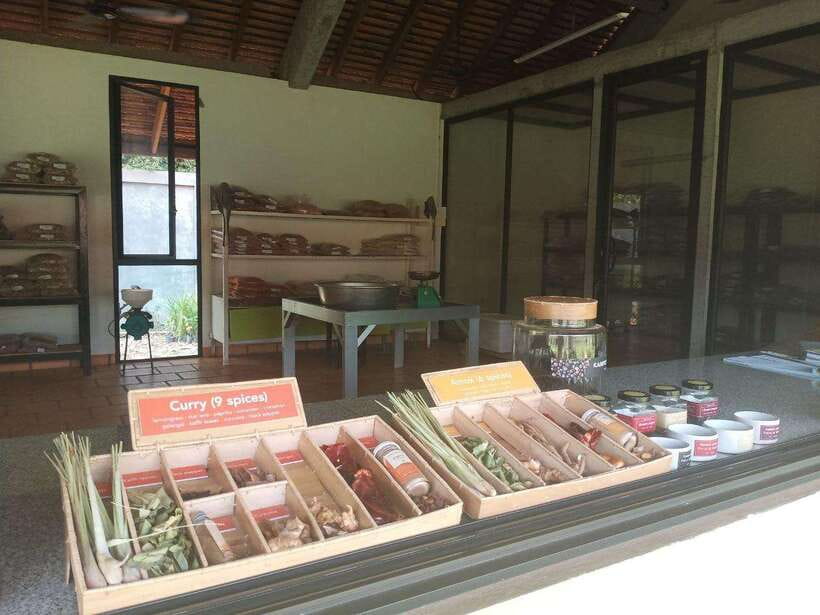
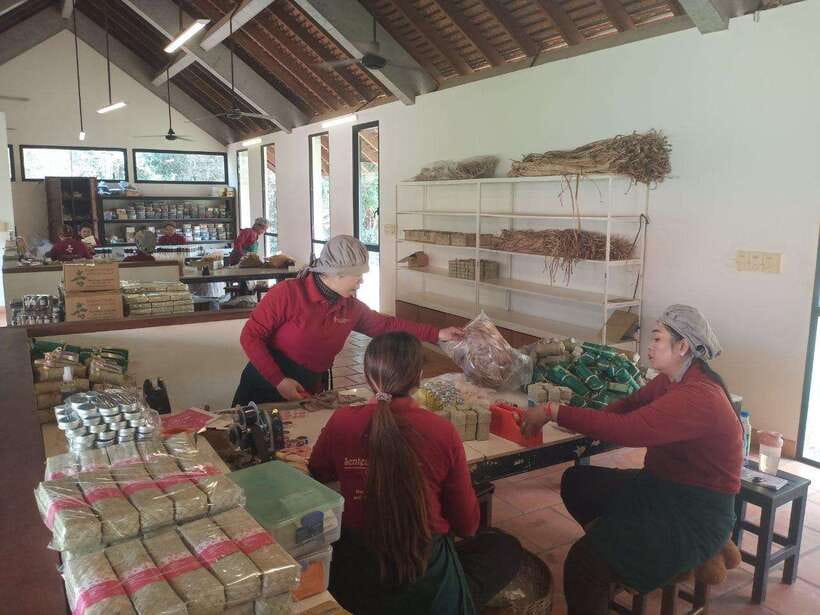
The last major visit is Artisan d’Angkor, where local handicrafts are made. The description places this stop at the end of the route and includes a photo stop, guided visit, shopping, sightseeing, walking, and a workshop presentation.
After the Silk Farm and Satcha, this final stop helps round out the picture. You have already seen silk and bamboo, and now you get another look at Cambodian handicrafts as a wider field. The exact craft process available during your visit is not specified, so the experience may depend on what is being produced and demonstrated that day.
That uncertainty is worth noting, but it does not make the stop pointless. The value lies in comparing different kinds of work. You can think about the difference between a textile, a bamboo design, a packaged local product, and another handmade object made in Cambodia.
The four-stop format may also suit you if you want a broad introduction rather than a single specialist visit. You will not become an expert in any one craft in four hours. You will, however, leave with a clearer sense that Cambodian handicrafts involve many materials, skills, and design traditions.
I would save a little energy for this final visit. Four guided stops with walking and shopping can feel full, especially in warm weather. Comfortable shoes are recommended, and they are good advice here. Bring a camera too, since photographs are specifically encouraged, though you should follow any site rules about what may be photographed.
Tuk-Tuk Transport and the Pace of the Morning
Hotel pickup and drop-off are included from Krong Siem Reap. The transport is by tuk-tuk, with a driver who speaks English. The short rides between stops are part of the appeal: you get open-air movement and do not have to organize a series of separate transfers.
The timing is neatly divided. Three transfers take around 15 minutes each, followed by a final five-minute ride. That leaves roughly 50 minutes at each craft center. The pace is active but manageable, provided you are comfortable walking and do not expect long breaks.
A tuk-tuk also keeps this private group experience personal. The booking covers up to two people, so couples or friends can move through the route together without being placed in a large group. The format may be less attractive for someone who prefers a slow, unstructured shopping day, since the driver and route keep you moving.
Smoking is not allowed. Meals are not included, so plan to eat before or after the tour rather than expecting a restaurant stop. Personal expenses, including anything you decide to buy, are also separate from the $25 tour price.
Is $25 Good Value?
For two people, $25 is a strong price for four hours of private transportation, hotel pickup and drop-off, and entry to four craft-focused locations. You are paying about $12.50 per person before any purchases, which makes this a low-cost way to fill a half day in Siem Reap.
The value depends on what you want from the outing. If you enjoy seeing how products are made, the price is easy to justify. You get more than a standard shopping transfer because the route includes guided visits and workshop presentations. The Silk Farm alone provides a clear process, from mulberry trees to woven silk.
The value is weaker if you dislike shopping or prefer major historical sites. This is not a substitute for Angkor temples, a food tour, or a rural village experience. It is best understood as a craft and design route.
Another positive is flexibility. You can reserve now and pay later, and cancellation is free up to 24 hours before the activity for a full refund. Starting times depend on availability, so check the schedule before booking. These terms are useful if your Siem Reap plans are still shifting.
The overall rating is 4.7 from 10 ratings, with especially strong praise for the Silk Farm and the tuk-tuk driver. One five-star account specifically praised the driver, while another highlighted the chance to see how local artists produce high-quality goods. A three-star assessment found the visits pleasant but not essential. That split gives you the right expectation: interesting and worthwhile for the right audience, but not a must-do for every itinerary.
Who Should Choose This Craft Tour?
I would recommend this tour to you if you fit one or more of these descriptions:
- You have already visited the main Angkor sites and want a different side of Siem Reap.
- You like textiles, design, handmade goods, or sustainable products.
- You want a short private outing rather than a full-day excursion.
- You are shopping for Cambodian gifts and want to understand how products are made.
- You prefer a simple hotel pickup and drop-off arrangement.
- You want an affordable activity for two people.
I would be more cautious if you have limited time in Cambodia and have not yet seen Angkor Wat. Put the temples first. I would also skip this tour if you want active participation, since the information promises guided visits and workshop viewing but does not say that you will make the products yourself.
Families may enjoy the changing subjects, especially the silkworm life cycle and bamboo work. Still, children who need constant action may find the guided explanations slow. Couples and friends interested in shopping will probably get the most from the private format.
Should You Book It?
Book this tour if you want a practical, affordable look at Cambodian craft beyond the temples. The Angkor Silk Farm is the main reason to go, while Satcha adds a smart look at bamboo and Khmer-inspired design. Senteurs d’Angkor and Artisan d’Angkor round out the day with more local products and handicraft work.
Skip it if your schedule is tight, shopping does not interest you, or you are hoping for dramatic scenery and ancient monuments. This is a calm, organized half day, not a grand sightseeing adventure. For the right visitor, though, it offers something valuable: a closer look at the hands, materials, and patient work behind the Cambodian objects you see in shops.
FAQ
How long does the tour last?
The tour lasts four hours, including transportation between the stops and hotel pickup and drop-off.
What places are included?
The tour includes the Angkor Silk Farm, Senteurs d’Angkor, Satcha Handicraft Center, and Artisan d’Angkor.
How much does the tour cost?
The price is $25 per private group of up to two people.
Is transportation included?
Yes. Hotel pickup and drop-off in Krong Siem Reap are included, and transportation between stops is by tuk-tuk.
Are meals included?
No. Meals are not included, and personal expenses are separate.
Can I cancel the booking?
Yes. You can cancel up to 24 hours in advance for a full refund. You can also reserve now and pay later.
More Half-Day
- Kompong Phluk Floating Village Half-Day Tour ( Morning / Sunset )
★ 5.0 · 1,494 reviews - Tonle Sap Lake & Kampong Phluk Village Half-Day Tour
★ 5.0 · 1,045 reviews - Siem Reap: Kompong Phluk Floating Village Half-Day Tour
★ 4.8 · 966 reviews - Angkor Sunrise Half-Day Tour with Private Vehicles & Tour Guide
★ 5.0 · 247 reviews
More Farms
- Siem Reap: Khmer Village and Fish Farm ATV Tour
★ 4.9 · 266 reviews - Siem Reap: Lotus Silk Farm- Tour, Lake & Masterclass
★ 4.9 · 77 reviews - Angkor Silk Farm & Lotus Silk Farm: Siem Reap Discovery Tour
★ 4.8 · 68 reviews - Siem Reap: Khmer Water Blessing by Monk and Lotus Farm Visit
★ 5.0 · 15 reviews
Just added around Siem Reap
- Private Battambang Full-Day Guided Tour★ 4.5 · 3 reviews
- Kulen Mountain, Beng Mealea and Banteay Srei Full Day Tour★ 5.0 · 3 reviews
- Kompong Pluk Tour★ 5.0 · 3 reviews
- Private 3 Day Tour to Discover the ancient temples★ 5.0 · 3 reviews
- Cambodia: Absolute Traditional Dance Show with Buffet Dinner★ 5.0 · 3 reviews
- Kulen National Park Ticket -Waterfall & 1000 Lingas★ 5.0 · 3 reviews
- Border Transfer (Siem Reap to Laos/Laos to Siem Reap)★ 3.5 · 3 reviews
- Best Taxi Siem Reap to Battambang – English Speaking Driver★ 4.5 · 3 reviews
Silk Farm & Craft Workshops, compared.
Phnom Penh Silk Island Bike Tour/ E-Bike or Tuk Tuk
Read our review →
Siem Reap Lotus Silk Farm Discovery tour & Lake experience
Read our review →
Silk Island Cycling Adventure & lunch with locals
Read our review →
Phnom Penh to Silk Island By Tuk-Tuk with local Expert
Read our review →
Phnom Penh Silk Island Vespa Tour / Tuk Tuk Available
Read our review →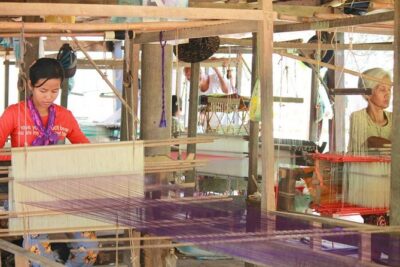
Mekong Silk Island Cruise – Unlimited Beer, Soft Drinks & Fresh Fruit Platter
Read our review →Browse the lists this tour appears in