
Reviewed · COOKING CLASSES
Siem Reap: Cambodian Desserts Cooking Lesson with Tastings
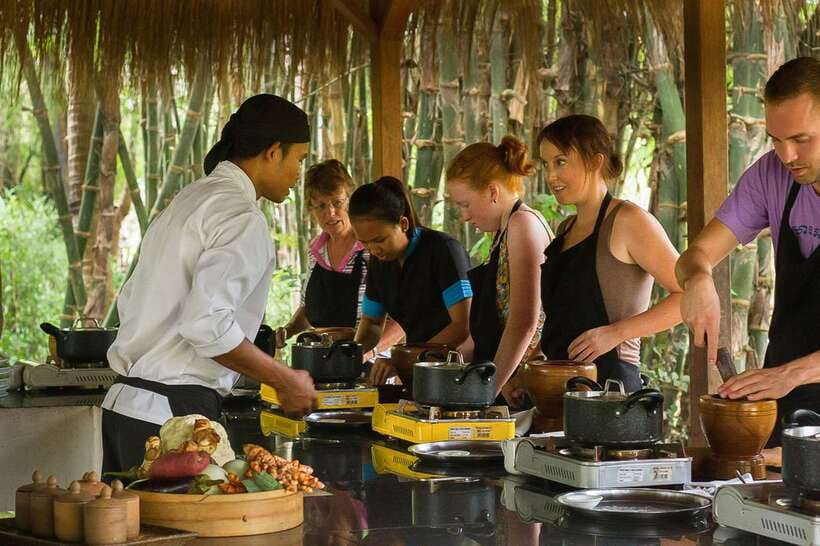
Sweet food, serious local flavor. This three-hour Siem Reap cooking class gives you a hands-on way to understand Cambodian cuisine through palm sugar, coconut milk, ginger, and lemongrass. I like the private cooking station for each participant and the chance to make three traditional desserts, rather than simply watching a chef work. I also like the hotel pickup and tuk-tuk ride, which makes the experience easy to fit into a busy Siem Reap stay. The main consideration is that the class focuses on desserts, so it will not satisfy you if you want a full lesson in savory Khmer cooking.
You may begin with a walk through a local market, where you can see familiar Cambodian ingredients and ask questions before heading to the outdoor kitchen. The class is taught in English, and the chef guides you through steamed ginger custard, palm sugar and coconut bananas, and sweet coconut pancakes. The portions can be generous, so you may have food to take back to your hotel, along with a recipe booklet for another attempt at home.
In This Review
- Key points to know before booking
- Why a dessert class works well in Siem Reap
- Starting with the market and first snack
- The tuk-tuk ride to the outdoor kitchen
- Three desserts, three different techniques
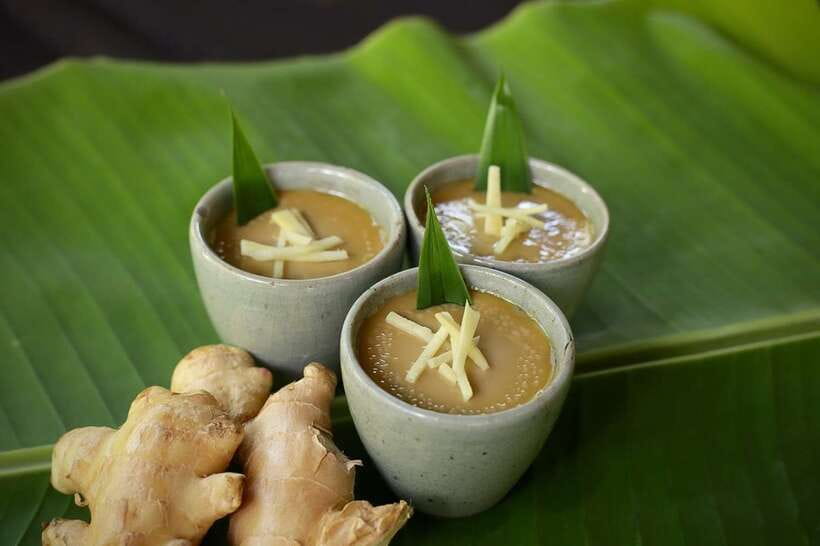
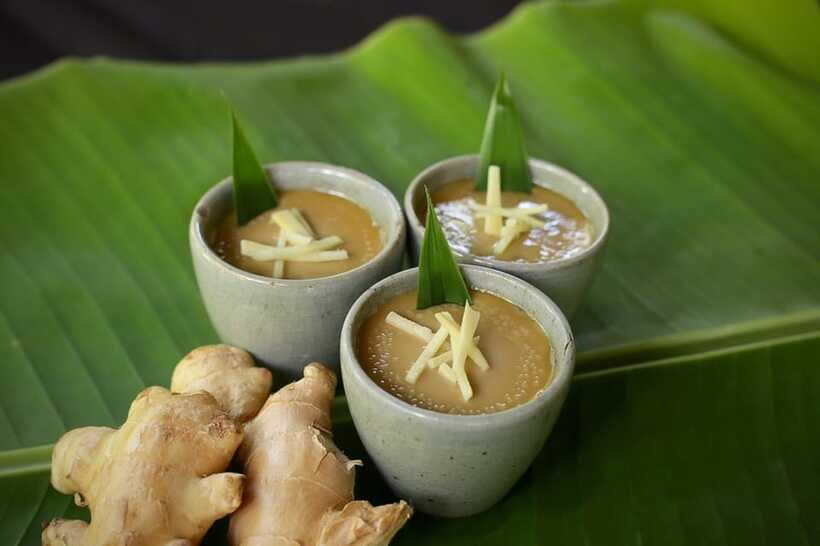
- Steamed ginger custard
- Palm sugar and coconut bananas
- Sweet coconut pancakes
- What the chef and host add to the lesson
- The food portions and what you take away
- Is the $32 price good value?
- Who should book this Siem Reap class?
- Practical planning for your three hours
- Should you book it?
- FAQ
- How long does the Cambodian dessert cooking class last?
- What desserts will I learn to make?
- Is hotel pickup included?
- What type of transport is used?
- Is the class taught in English?
- Do I have my own cooking station?
- Will I receive recipes to take home?
- Can I cancel for a full refund?
Key points to know before booking
- Three traditional desserts in three hours: You make steamed ginger custard, palm sugar and coconut bananas, and sweet coconut pancakes.
- Palm sugar gets special attention: You learn how this Cambodian staple comes from the sugar palm tree and how it is used in local sweets.
- Your own work station: Each person has equipment and ingredients for hands-on cooking instead of standing at a shared demonstration table.
- A local market may come first: The outing can include a guided market visit, an early snack, and an introduction to everyday Cambodian produce.
- Tuk-tuk transport is included: Pickup and return to your Siem Reap accommodation keep the day simple.
- You leave with more than a full stomach: A recipe card or small recipe booklet helps you repeat the dishes at home.
Why a dessert class works well in Siem Reap
Siem Reap is best known as the gateway to Angkor, but the city also gives you a chance to learn how Cambodian food works at ground level. A dessert class is a pleasant change from temple touring. It is shorter, relaxed, and centered on ingredients you can see, smell, touch, and taste.
The focus on sweets also makes this class approachable. You do not need to know how to balance a complex curry or manage several hot pans at once. Instead, you work through a small group of recipes that show how Cambodian cooking uses simple ingredients with care.
Palm sugar is the key lesson. It brings a rounded sweetness that is different from ordinary white sugar, and it appears in many Cambodian dishes. Learning where it comes from, from the sugar palm tree to the finished ingredient, gives the class a useful local connection. You are not just adding sugar from a packet. You are learning about one of the country’s familiar food products and its role in home cooking.
I also like the mix of ingredients. Coconut milk gives the desserts body and softness. Ginger adds heat and fragrance. Lemongrass brings a fresh, citrusy note. Together, they show how Cambodian sweets can be fragrant without being heavy.
More Cooking Classes in Siem Reap
- Khmer Cooking Class at a Local’s Home in Krong Siem Reap
★ 5.0 · 2,731 reviews - Siem Reap: Khmer Cooking Class at a Local’s Home
★ 5.0 · 1,108 reviews - Award-Winning Cooking Class Experience with Professional Teacher
★ 5.0 · 745 reviews
Starting with the market and first snack
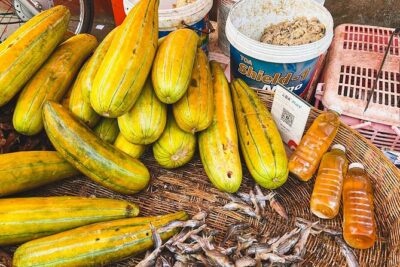
The class may begin with a visit to a local market before you reach the kitchen. This is one of the most useful parts for anyone who has been curious about the produce seen in Cambodian food stalls but has not known what to do with it.
A guide such as Sophia may walk with you, answer questions, and point out ingredients used in ordinary Cambodian cooking. You may also receive a small snack during this stop. That matters because it turns the market from a quick photo opportunity into a practical introduction to the food you will soon handle.
The market portion is not described as a long shopping trip, so you should think of it as an orientation rather than a full market tour. You may have time to ask about products and see how locals shop, but the main purpose is to prepare you for the cooking session.
This stop is especially useful if you are new to Cambodian cuisine. You will have a better sense of what palm sugar, coconut products, herbs, and other local ingredients look like before the chef places them at your work station.
Some departures have included a stop described as a supermarket visit rather than a traditional market. The exact setting may vary, but the value is similar: you get an early look at everyday ingredients and a chance to ask questions with a local host.
The tuk-tuk ride to the outdoor kitchen
After pickup, you travel by tuk-tuk to the cooking venue. The ride is part of the experience rather than just a transfer. It gives you a simple taste of local transport and avoids the trouble of arranging your own ride across Siem Reap.
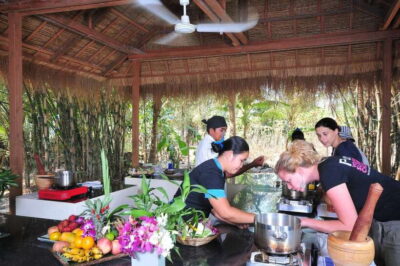
The kitchen has been described as spacious and peaceful, with an outdoor setting surrounded by nature. That makes the lesson feel less like a formal school and more like a relaxed afternoon in someone’s cooking space. You can expect an informal atmosphere, but the instruction remains organized.
The ride also helps make the class suitable for a half-day gap in your schedule. At three hours, it is long enough to cook properly but short enough to leave room for Angkor Wat, a massage, shopping, or an evening meal.
You need to wait in your hotel lobby 30 minutes before the stated start time. Build that wait into your plan, especially if your accommodation is outside central Siem Reap. Pickup and return are included, but the exact start time depends on availability when you book.
Three desserts, three different techniques
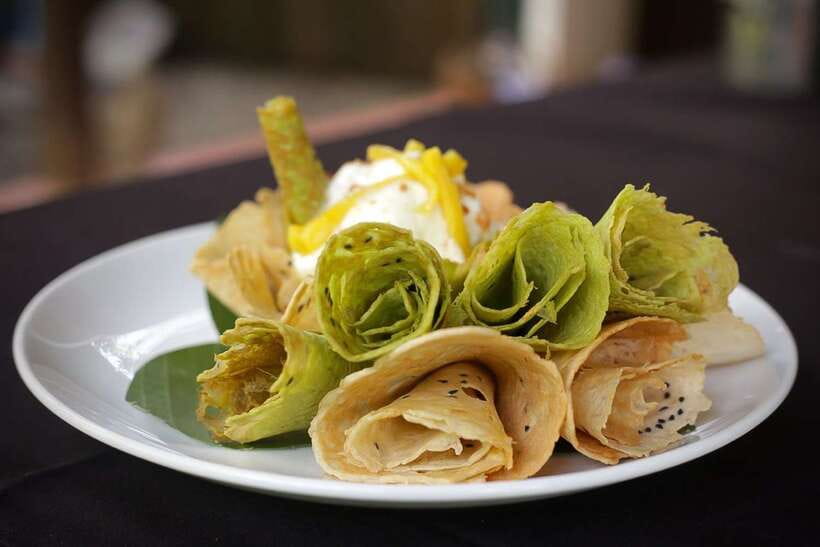
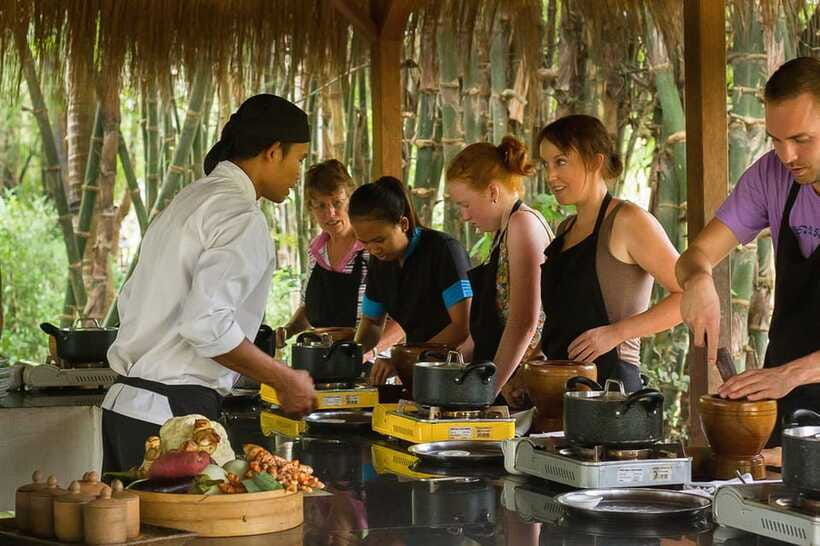
The heart of the class is making three Cambodian desserts. You receive your own cooking station and equipment, then follow the chef’s instructions step by step. This format matters because you get to practice the methods yourself instead of watching someone else perform them.
More Khmer cooking classes:
- Cambodian Village Cooking Class
★ 5.0 · 265 reviews - Cambodian Cooking Class from Siem Reap
★ 4.9 · 190 reviews - Siem Reap Cooking Class
★ 5.0 · 170 reviews - Khmer Gourmet Cooking Class
★ 5.0 · 145 reviews
Steamed ginger custard
The steamed ginger custard is likely to be the most distinctive of the three. Ginger gives the custard a warm, aromatic edge, while steaming creates a soft texture that differs from a baked dessert.
This recipe is useful for home cooks because it teaches patience and control. The chef can show you how to prepare the mixture, how to handle the ginger, and how to judge the cooking process. The exact timing and texture are the sorts of details that a recipe card alone cannot fully explain.
If you prefer very sweet desserts, you may find the ginger flavor pleasantly strong rather than sugary. If you are sensitive to spice, ask the chef about the ginger level before you begin. The class is designed to teach local preparation, so this is a chance to taste the ingredient in a traditional setting.
Palm sugar and coconut bananas
This dessert brings together two familiar Cambodian flavors: palm sugar and coconut. Bananas become soft and sweet, while coconut milk adds a creamy finish. The result is simple, but the ingredients do the work.
This is also the recipe that best shows why palm sugar deserves attention. Its flavor is deeper and more rounded than plain sugar, and it pairs naturally with coconut. The chef can explain how much to use and how to avoid making the dish cloying.
The recipe should be appealing to families because the ingredient list is easy to understand and the finished dish is comforting. You will still need access to suitable bananas, coconut milk, and palm sugar at home, but the recipe booklet gives you a useful starting point.
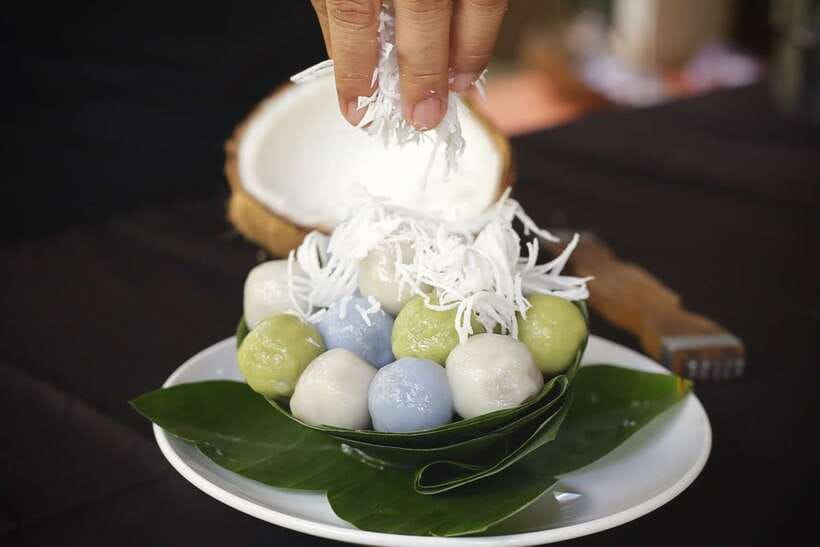
Sweet coconut pancakes
The coconut pancakes add a different texture and cooking method. You work with a batter rather than a custard or fruit dessert, which gives the lesson some variety.
Pancakes are also a good test of technique. Small changes in heat, batter quantity, and cooking time affect the final result. Having the chef nearby helps you see how to correct mistakes while the mixture is still in the pan.
This dish may be the easiest one to share with family or friends after returning home. It is familiar enough to appeal to cautious eaters, but the coconut and palm sugar keep it connected to Cambodia.
What the chef and host add to the lesson
The quality of a cooking class depends heavily on the people leading it. Here, the instruction is in English, and the teaching style is practical and friendly.
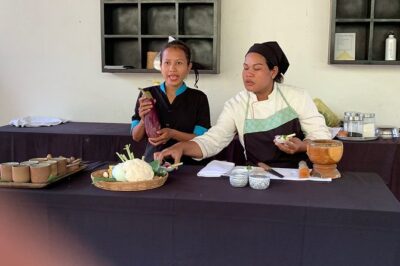
Chef Prey is specifically praised for clear explanations, careful guidance, and patience. That is important if you have little cooking experience or if you are working with unfamiliar ingredients. You can ask questions as you go rather than trying to copy a demonstration from across a crowded table.
The host, Sophia, has also helped with the market visit and transport. Her role gives the experience a social rhythm: you start with local food, travel by tuk-tuk, then settle into the kitchen. The combination helps the class feel like an outing rather than a single isolated activity.
On a quieter departure, you might be the only participant. That can be a real advantage if you want individual help or prefer not to cook in a group. The tradeoff is that a solo class has less of the friendly group energy some people enjoy.
The setting has been described as comfortable and welcoming, with an easy feeling of cooking alongside friends. You should still expect a real lesson, not just a casual snack session. There are several dishes to prepare, and you will need to stay involved.
The food portions and what you take away
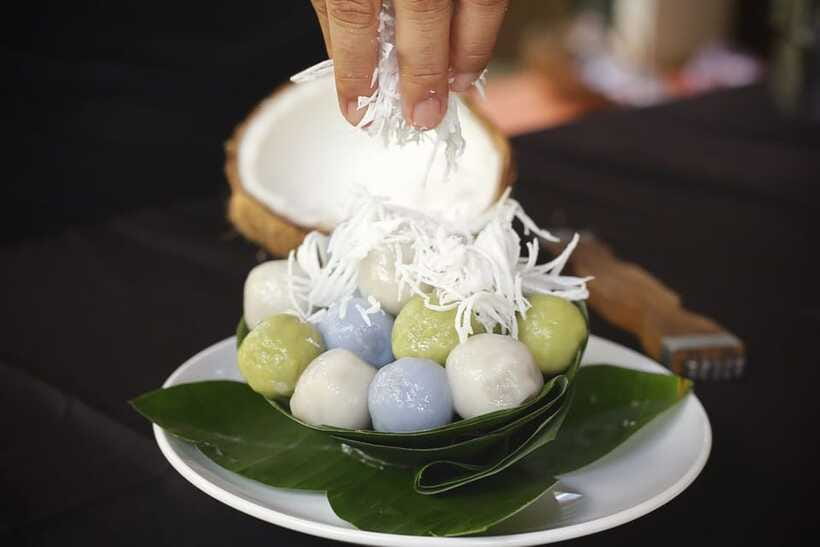
Tastings are included, and the finished desserts can amount to more than you can eat during the class. You may be offered packaging for leftovers, which is helpful if you have already eaten earlier in the day or want to save some sweets for later.
This generous approach adds value, but it also means you should avoid booking the class immediately after a large breakfast if you want to taste everything comfortably. One participant who had not eaten breakfast was offered fruit and tea, so the hosts appear attentive to basic comfort, but you should still arrive ready to cook and sample several sweet dishes.
The recipe card or small recipe booklet is one of the best practical extras. It turns the class into something you can use after Cambodia. You will not need to rely entirely on memory, which matters because cooking lessons move quickly and ingredient names can be unfamiliar.
A recipe card cannot replace local ingredients or the chef’s demonstrations, but it gives you a clear way to try again. Palm sugar and coconut milk are available in many international food shops, while ginger and bananas are easy to find in many places.
Is the $32 price good value?
At $32 per person, this is a reasonable price for a three-hour experience that includes transport, instruction, tastings, ingredients, equipment, and take-home recipes. You are paying for more than the food itself. You are also getting a market introduction, local guidance, and the ease of being collected and returned to your accommodation.
The value is strongest if you would otherwise need to arrange your own transport and find a cooking school independently. The tuk-tuk ride removes that extra planning, while the personal work station gives you more practice than a class where everyone simply watches.
The price may feel less attractive if your main goal is a large meal. This is a dessert lesson, not a full lunch or dinner, and the recipes are the main product. You also need to value the cultural explanation and the chance to repeat the dishes at home.
For families, siblings, couples, and solo visitors, the price is easier to justify because the class combines food, transport, and an activity. It is also a good option on a day when you want a break from temples and sightseeing.
Who should book this Siem Reap class?
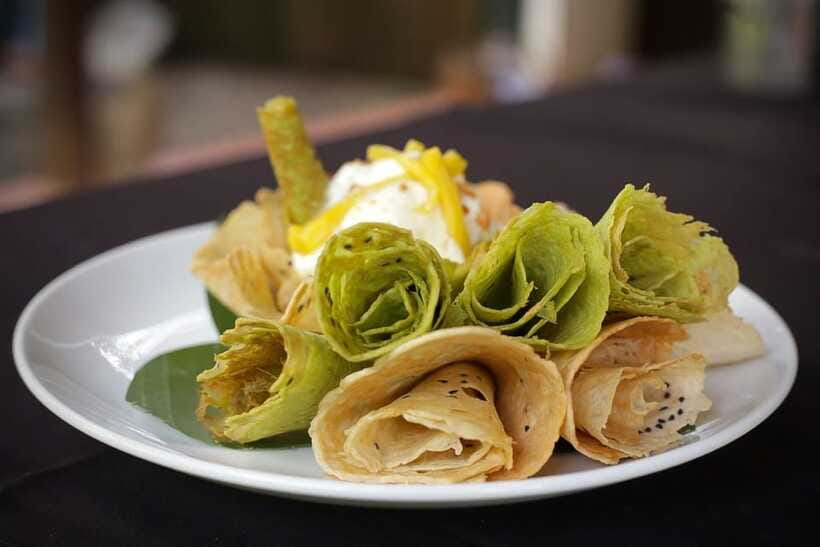
I would recommend it most strongly to people who enjoy food but do not want an intimidating cooking course. The recipes are traditional, the instructions are clear, and the three-hour schedule is manageable.
It suits:
- First-time visitors who want a local food experience beyond restaurant meals
- Families and siblings looking for a shared activity
- Solo participants who appreciate personal instruction
- Home cooks who want recipes they can repeat
- Anyone curious about palm sugar and Cambodian dessert traditions
- Visitors seeking a quieter half-day activity away from major sights
You may want to skip it if you dislike sweet food, have very limited time, or specifically want to learn savory Khmer dishes. It may also be less suitable if you prefer a large social group, since some departures can be small or even one-on-one.
The class is conducted in English, so you should be comfortable following English instructions. The information provided does not state that dietary substitutions are available, so ask about allergies or restrictions before booking rather than assuming changes can be made.
Practical planning for your three hours
Keep your morning or afternoon flexible because the start time varies. You need to be in your hotel lobby 30 minutes before the activity begins, and the pickup location is your accommodation in Siem Reap.
Wear clothing that allows you to move comfortably in a kitchen. The class provides the work station and equipment, but the available information does not specify a dress code or whether aprons are supplied. You should also avoid scheduling a tight appointment immediately afterward, since pickup and return times can vary with traffic.
Free cancellation is available up to 24 hours before the activity for a full refund. You can also reserve now and pay later, which helps if your Siem Reap plans are still shifting.
The overall rating is 4.8 from nine reviews, with praise focused on friendly staff, clear teaching, good organization, the market visit, the peaceful kitchen, and the amount of food to take away. Those are the parts I would weigh most heavily when deciding if this is right for you.
Should you book it?
Book this class if you want a friendly, practical way to connect with Cambodian food and you like the idea of making dessert rather than simply eating it. The strongest reasons are the personal work station, three different recipes, palm sugar instruction, tuk-tuk transport, and the recipe booklet you can use at home.
I would especially choose it for a free half-day in Siem Reap, after several temple visits, when you want something social and hands-on. Skip it if you are looking for a full Cambodian cooking course or a substantial meal. For most food-curious visitors, $32 is fair value for a well-organized experience that leaves you with new skills, local context, and a box of sweets for later.
FAQ
How long does the Cambodian dessert cooking class last?
The class lasts three hours.
What desserts will I learn to make?
You will learn to make steamed ginger custard, palm sugar and coconut bananas, and sweet coconut pancakes.
Is hotel pickup included?
Yes. Pickup and drop-off at your accommodation in Siem Reap are included.
What type of transport is used?
The experience includes a tuk-tuk ride to and from the cooking venue.
Is the class taught in English?
Yes. The instructor teaches in English.
Do I have my own cooking station?
Yes. Each participant has a personal work station and cooking equipment.
Will I receive recipes to take home?
Yes. You receive a recipe card or small recipe booklet to help you make the desserts again.
Can I cancel for a full refund?
Yes. You can cancel up to 24 hours before the activity for a full refund. You can also reserve now and pay later.
More Workshops
- Siem Reap: Cambodian Pottery Class
★ 4.9 · 339 reviews - Cambodian Pottery Class in Siem Reap
★ 4.5 · 157 reviews - Workshop Visit and Sombai Liqueur Tasting
★ 5.0 · 90 reviews - Khmer Cooking Class in Cambodia
★ 5.0 · 36 reviews
Just added around Siem Reap
- Private Battambang Full-Day Guided Tour★ 4.5 · 3 reviews
- Kulen Mountain, Beng Mealea and Banteay Srei Full Day Tour★ 5.0 · 3 reviews
- Kompong Pluk Tour★ 5.0 · 3 reviews
- Private 3 Day Tour to Discover the ancient temples★ 5.0 · 3 reviews
- Kulen National Park Ticket -Waterfall & 1000 Lingas★ 5.0 · 3 reviews
- Cambodia: Absolute Traditional Dance Show with Buffet Dinner★ 5.0 · 3 reviews
- Border Transfer (Siem Reap to Laos/Laos to Siem Reap)★ 3.5 · 3 reviews
- Siem Reap Countryside Sunset Vespa Tour or Tuk Tuk★ 4.5 · 3 reviews
Cooking Classes, compared.
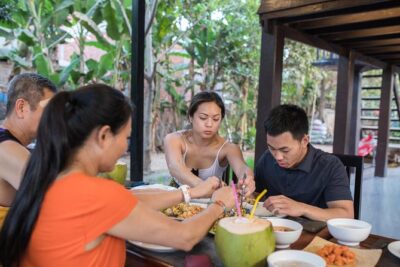
Khmer Cooking Class at a Local’s Home in Krong Siem Reap
Read our review →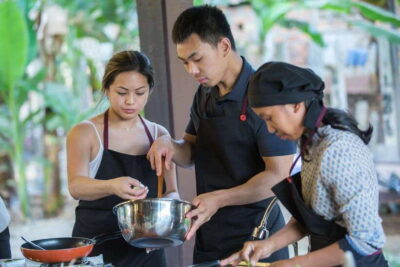
Award-Winning Cooking Class Experience with Professional Teacher
Read our review →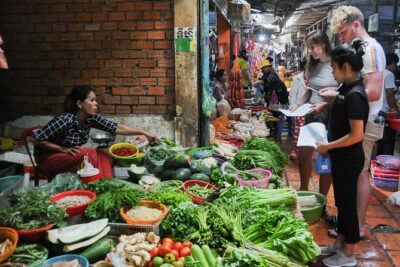
Browse the lists this tour appears in