
Reviewed · TONLE SAP FLOATING VILLAGE TOURS
Siem Reap: Floating Village Tour
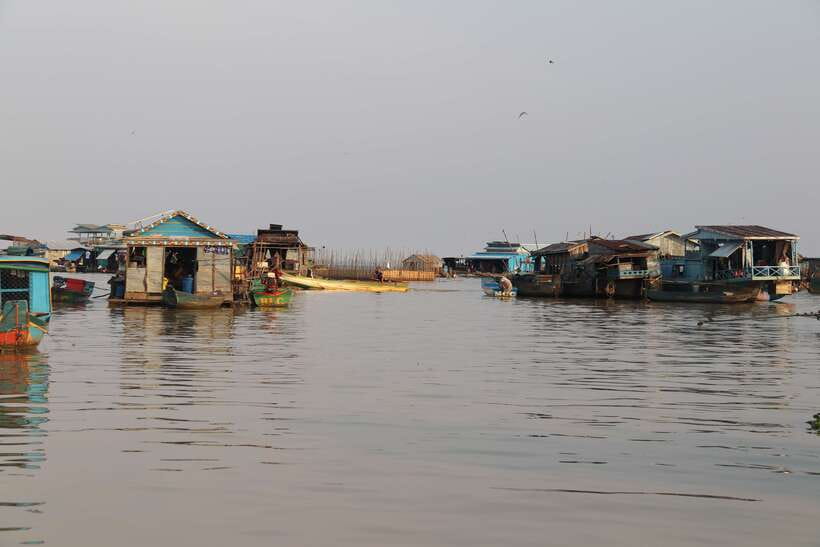
Water changes everything here. This three-hour trip from Siem Reap reaches Tonle Sap by road and boat, pairing Cambodian countryside views with a close look at floating village life. I like the local-born guides, including Vanna and Poun Poss, known as Mr. Friday, and I like that hotel transport is included. The main drawback is that the village can sometimes be viewed mostly from the boat, so you should not expect a long walk through homes and community buildings.
I also appreciate the lotus farm stop, which adds more than a photo break. The lotus has a strong place in Buddhist culture, and the guide explains how nearly every part of the plant is used. One practical caution: start times have not always matched the time shown at booking, so confirm your departure time before setting your plans for the day.
In This Review
- Key points to know before booking
- Why Tonle Sap is worth seeing from Siem Reap
- From Siem Reap to the lotus fields
- Boarding the boat for the floating villages
- Local guides and the human side of the visit
- Reaching the open water of Tonle Sap
- The Queen Tara stop and refreshments
- What the $65 price includes
- Family suitability and practical comfort
- The main weakness: how much village life you actually see
- Who should book this Tonle Sap excursion?
- Should you book the Siem Reap Floating Village Tour?
- FAQ
- How long does the Siem Reap floating village tour last?
- How much does the tour cost?
- Does hotel transport come with the tour?
- What transport is used?
- Is an English-speaking guide included?
- Are children allowed on the tour?
- Are food and drinks included?
Key points to know before booking
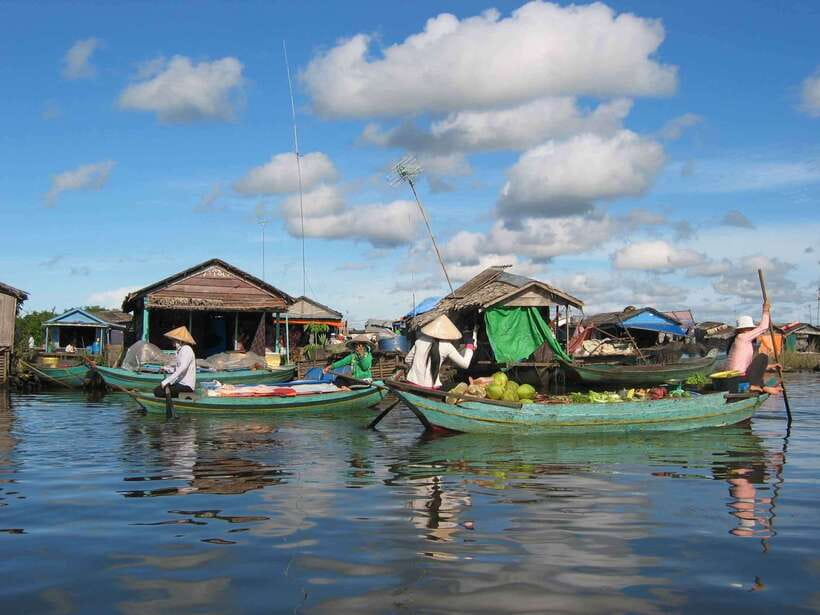
- Tonle Sap changes direction twice a year: Seasonal water flow reshapes the lake, its flooded forests, and the floating settlements.
- The trip starts with a 14-kilometer ride from Siem Reap: Transport may be by air-conditioned vehicle or tuk-tuk.
- The lotus farm gives the outing a cultural start: You will see broad fields of flowers and learn about the plant’s Buddhist meaning and practical uses.
- Local guides add real context: Guides such as Vanna and Mr. Friday explain fishing, family life, village services, and Cambodia’s past.
- A stop aboard the Queen Tara adds comfort: The old cargo boat serves drinks and fresh local fruit, but meals are not included.
- The tour suits families, with limits: Children age 10 and under pay half price, children age 5 and under go free, and minors must stay with an adult.
Why Tonle Sap is worth seeing from Siem Reap
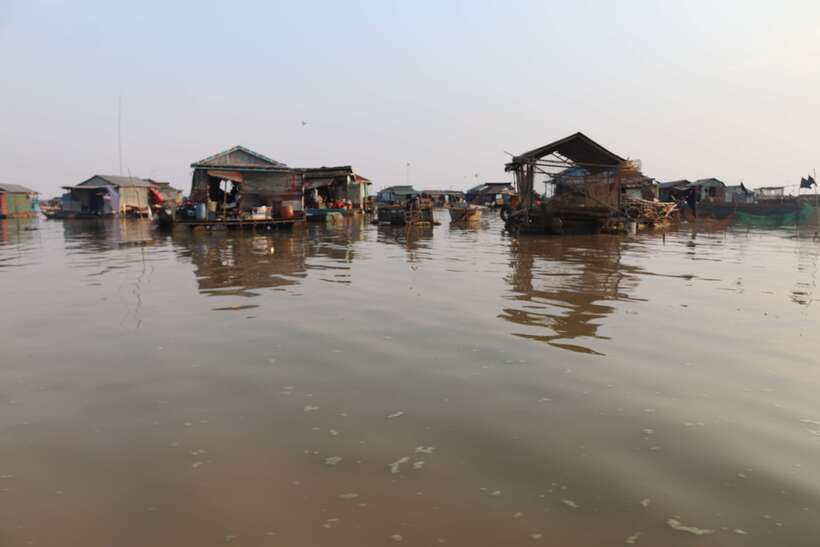
Angkor Wat gets most of the attention around Siem Reap, but Tonle Sap shows you another side of Cambodia. The lake supports fishing families, floating businesses, schools, places of worship, and transport routes that change with the water.
The lake is not simply a large, fixed body of water. It is part of a river system whose flow reverses twice each year. During the dry season, water leaves Tonle Sap through the Mekong system and continues toward the sea through Vietnam. During the wet season, swollen water pushes north into the lake.
That reversal changes daily life. The lake may cover about 2,700 square kilometers at one point in the year and more than 12,000 square kilometers at another. Water depth can rise from roughly 1.5 meters at the beginning of the wet season to more than 10 meters at its height.
You will not see all of that change during a three-hour tour, of course. What you do see is a community built around it. Homes, shops, gardens, and boats must cope with a lake that refuses to stay in one place.
The lake is also Southeast Asia’s largest freshwater lake and is known for its exceptional fish and bird life. More than 120 bird species have been recorded here, and UNESCO designated Tonle Sap a biosphere reserve in 1997. The trip is not a dedicated bird-watching excursion, but keep your eyes open as you move from narrow waterways toward the open lake.
More Tonle Sap floating village trips:
- From Siem Reap: Kampong Phluk Floating Village Tour by Boat
★ 4.9 · 6,979 reviews - Sunset tour of Kampong Phluk stilts home village on the Tonle Sap
★ 5.0 · 4,865 reviews - Siem Reap: Kampong Phluk Floating Village Tour with Boat
★ 4.9 · 3,843 reviews
From Siem Reap to the lotus fields
The tour begins with hotel, guesthouse, or hostel pick-up. Transport is provided in an air-conditioned minivan, car, or tuk-tuk, depending on the arrangement for your departure.
The lake lies about 14 kilometers from Siem Reap. That short road journey takes you away from the city and past rice paddies into the Cambodian countryside. I like this part because it gives the outing a gradual pace. You do not simply appear at a boat ramp and start looking at floating homes. You see the fields, roads, and rural setting that connect the lake communities with Siem Reap.
The first stop is a lotus flower farm. This is a useful pause, not just a place to take pictures. Lotus flowers are closely tied to Buddhist culture, and your guide explains how the plant is used. The stem, flower, and other parts all have a purpose.
The fields provide a strong visual contrast with the later boat ride. You get wide bands of color, open farmland, and a chance to stretch before boarding. If photography matters to you, this may be one of the easiest places to take clear pictures because you are on firm ground rather than a moving boat.
The stop is fairly brief, so think of it as an introduction rather than a full agricultural visit. The real focus remains Tonle Sap and the communities on the water.
Boarding the boat for the floating villages
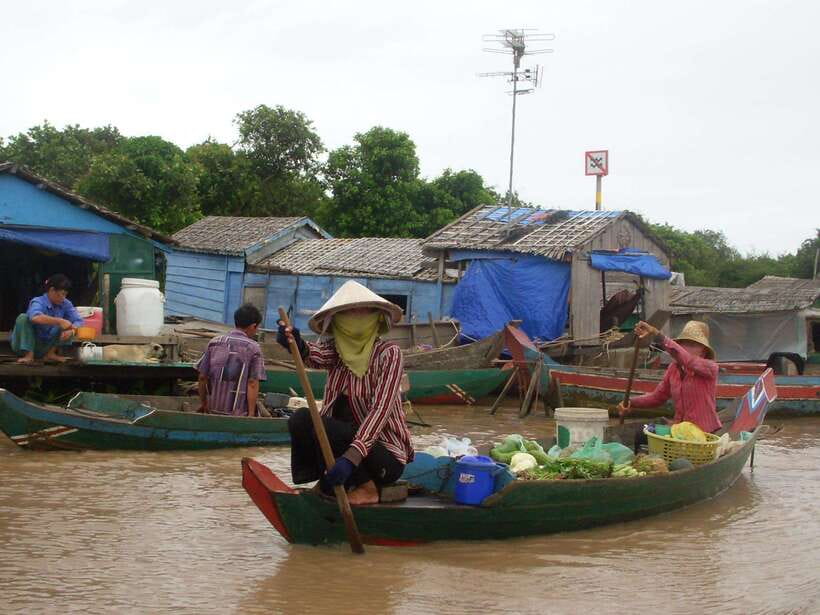
At the river entrance, private boats are waiting. The flat-bottomed boats are designed for the shallow and changing waters around the villages, and a boat driver takes you through the waterways toward the lake.
The route begins in narrower channels with twists and turns. This section gives you a better sense of how the village works than a quick look across open water. Houses and businesses sit along the river, and movement by boat is part of ordinary life.
The floating settlements are home to roughly 6,000 people. Services that you might expect to find on land are represented here in floating form, including schools, churches, markets, a police station, a jail, basketball courts, and vegetable gardens.
That list is worth keeping in mind as you look around. The village is not a collection of isolated houses placed on water for display. It is a working community with public services and daily routines. At the same time, the boat ride means you may see many places from a distance rather than entering them.
That distinction matters. One departure may feel full of explanation and local detail, especially with a strong guide. Another may feel more like a scenic boat trip. The guide’s role makes a major difference.
Local guides and the human side of the visit
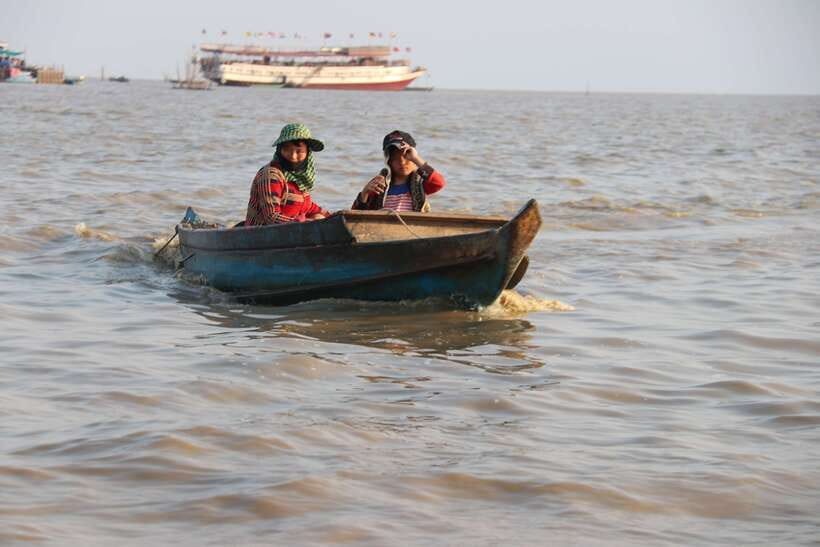
The guides for this tour come from the village area, and that local connection is one of the best reasons to choose this outing. Vanna received especially strong praise for explaining Cambodian life and what you are seeing along the way. Poun Poss, known as Mr. Friday, is also noted for his explanations of village life, Cambodian history, and local customs.
I would ask questions. How do homes cope with changing water levels? What work do families do when fish stocks fall? How do children reach school? Which buildings move, and which remain in place? These questions help turn the boat ride into a lesson rather than a parade of unusual sights.
Fishing remains central to the area, but the supply of fish has been declining. That puts pressure on families who depend on the lake. The tour presents itself as a way to support local jobs and the community, and the staff and guides are from the area.
Still, it is worth approaching the visit with care. You are looking at people’s homes and working lives, not a theme park. Keep your camera respectful, listen to the guide, and avoid treating poverty as a photo subject. The most useful part of the trip is the explanation of how families adapt to conditions that change every year.
A few more trips worth weighing up
- Angkor Wat Sunrise or Sunset Tour with Guide from Siem Reap
★ 5.0 · 12,109 reviews - Siem Reap: Angkor Wat: Small-Group Sunrise or Sunset Tour
★ 5.0 · 9,444 reviews - Siem Reap: Angkor Wat 2-Day Tour with Sunrise and Sunset
★ 4.9 · 4,429 reviews - Siem Reap: Full-Day Angkor Wat Guided Tour with Sunset
★ 4.9 · 3,803 reviews
Reaching the open water of Tonle Sap
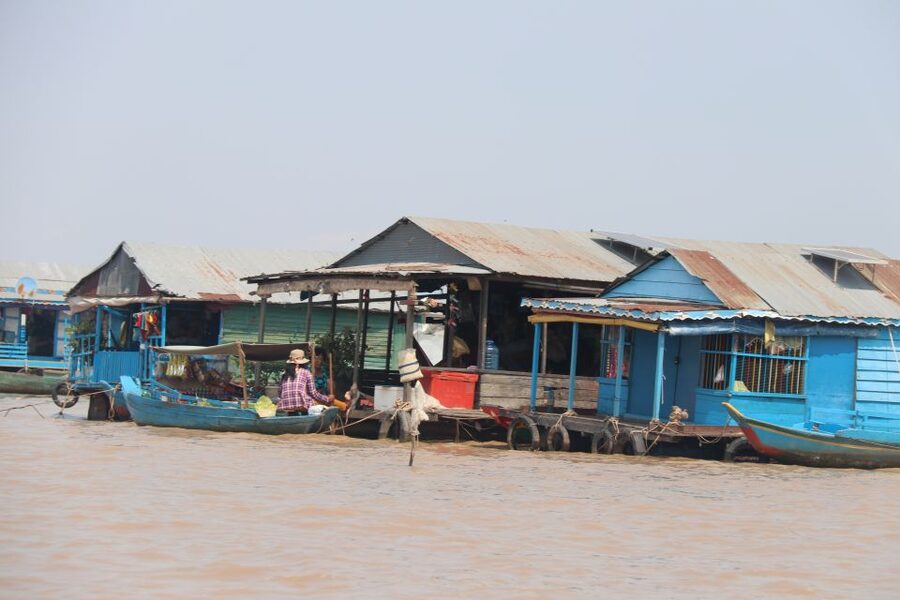
After the narrow waterways, the view opens suddenly. The lake can look more like a sea than an inland body of water, especially during the wet season when its size expands dramatically.
This change in scenery is one of the most memorable parts of the outing. The earlier section feels enclosed and busy with turns. Then the horizon widens, the channel gives way to open water, and you see why Tonle Sap controls so much of life in this part of Cambodia.
Water conditions vary by season, so the appearance of the village will not be identical throughout the year. In the wet season, rising water allows floating communities and boats to move into flooded forest areas. In the dry season, the lake recedes and the surroundings can look more exposed.
You should also expect weather to shape the experience. The tour operates in all weather conditions, so wear clothing that suits sun, rain, or wind. A hat and water-resistant protection make sense, but the supplied information does not specify particular equipment, so prepare on your own.
The trip is three hours in total. That is long enough to reach the lake, see the waterways, stop at the farm, and pause aboard the Queen Tara, but it is not a full-day cultural program. If you want extended time with the community or a long nature excursion, you may find the schedule too short.
The Queen Tara stop and refreshments
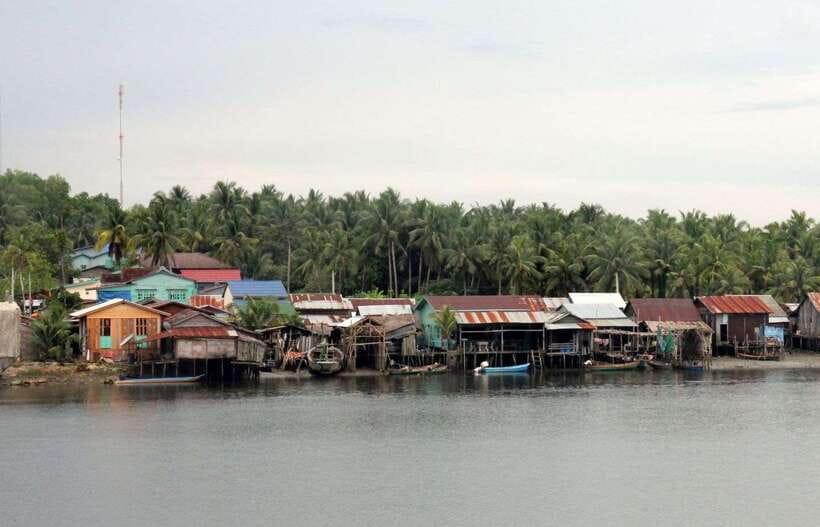
The boats stop at the Queen Tara riverboat, a former cargo boat said to be about 100 years old. It now serves as a place to pause, have drinks, and eat fresh local fruit.
This stop gives the trip a welcome change of pace. Rather than remaining on the smaller boat for the whole outing, you can step aboard a larger, historic vessel and look back over the water. The old boat adds character without requiring a separate museum visit.
Drinks and fresh fruit are included at this stop according to the tour details, while meals are not. Plan on this being a light refreshment break, not lunch. If you need a substantial meal, eat beforehand or arrange one for later in Siem Reap.
One departure also included a crocodile farm stop. Because the main tour information emphasizes the lotus farm and Queen Tara more clearly, I would confirm whether the crocodile stop is part of your scheduled route. Some people may find it interesting, while others may consider it an unnecessary addition.
What the $65 price includes
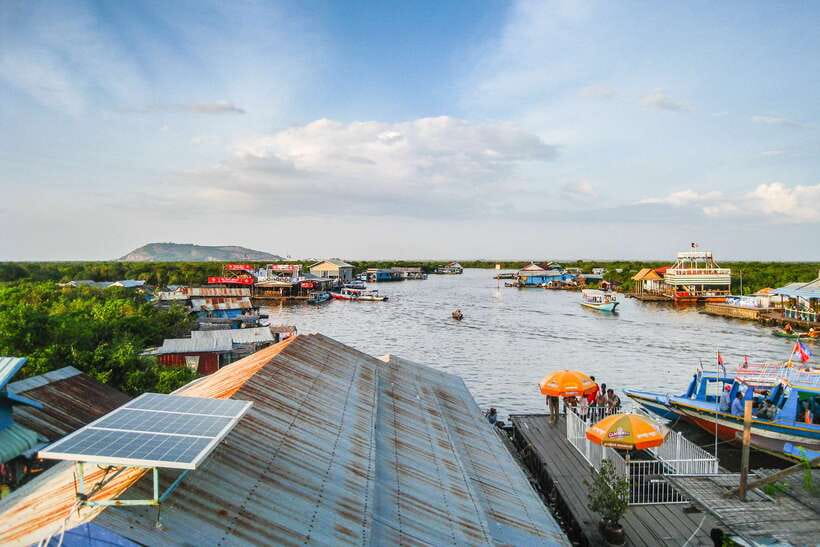
At $65 per person, this is not the cheapest way to reach Tonle Sap. The price includes hotel pick-up and return, all transport, an English-speaking local guide, checkpoint fees, the boats, and the boat driver.
That package has real value if you are staying in Siem Reap without private transport. You do not need to negotiate a tuk-tuk, find the boat ramp, arrange a driver, or sort out separate checkpoint charges. The guide also provides the context that is hard to get from simply hiring a vehicle.
The value depends heavily on what you want from the visit. If your priority is convenience, explanation, and a short introduction to the lake, the cost is reasonable. If you mainly want a boat ride and already have transport, the price may feel high.
Food is not included, though drinks and fresh fruit are provided at Queen Tara. Check the start time carefully, too. One booking displayed an afternoon schedule, but the actual trip began at 9 a.m., which caused confusion. A quick confirmation can prevent a ruined morning or missed plans.
Free cancellation up to 24 hours before departure and reserve-now, pay-later booking add flexibility. Those policies are useful if you are still arranging your Siem Reap schedule.
Family suitability and practical comfort
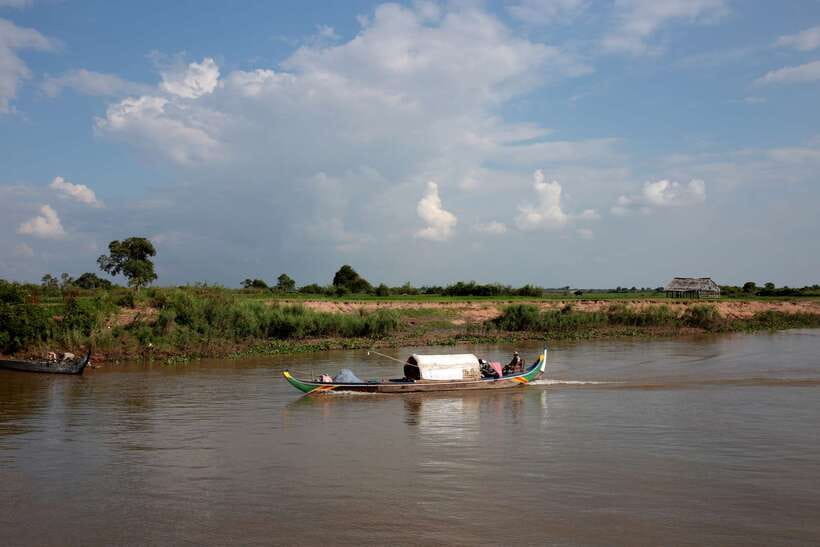
This is a family-friendly outing in the broad sense. Children age 10 and under pay half price, and children age 5 and under are free. Children must be accompanied by an adult, and unaccompanied minors are not allowed.
The short duration is helpful for families. Three hours is easier to manage than a full-day trip, and the combination of road travel, a lotus farm, and a boat ride gives children several different things to watch.
You should still prepare for changing weather and time on the water. Dress appropriately for all conditions, since the tour operates in rain as well as fair weather. The provided information does not give detailed accessibility guidance, so contact the provider directly if you need specific assistance with boarding or transport.
The outing also suits solo visitors, couples, and small groups who want a break from Siem Reap’s busy temple circuit. The peaceful change of pace is one of its strongest points.
The main weakness: how much village life you actually see
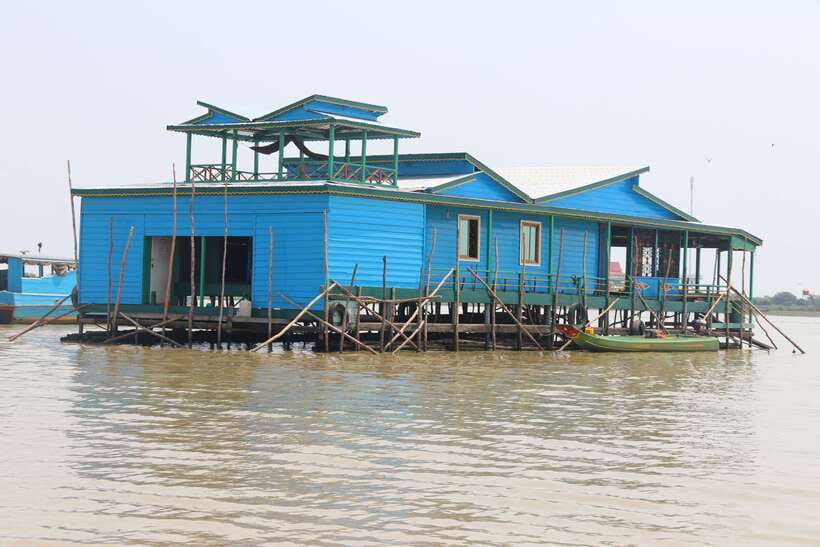
The biggest question is not safety or transport. It is depth.
Some people will find the boat ride fascinating because the guide explains the buildings, water system, fishing economy, and local customs. Others may feel that the village is seen from too far away and that the trip becomes mainly a scenic cruise.
That concern is fair. The tour does not promise long visits inside homes, schools, or markets. You pass floating facilities by boat, and the amount of explanation depends on the guide and the pace of the departure.
This is why I would book it for an introduction, not as the final word on Tonle Sap. The lake itself is the subject, along with the way people organize life around seasonal water. If you want a close, extended community visit, ask detailed questions before booking about where the boat stops and how much time is spent talking with residents.
The strong guide reports make the difference encouraging. Vanna and Mr. Friday are specifically praised for bringing history and daily life into the trip. But even a good guide cannot change the basic format: three hours, several stops, and much of the village seen from the boat.
Who should book this Tonle Sap excursion?
I would recommend it to you if you want:
- A short break from Siem Reap’s temples and city traffic
- Hotel transport and a simple package with few extra arrangements
- A family-friendly boat outing
- An introduction to Cambodia’s floating communities
- Local explanations about fishing, seasonal water, and rural life
- A lotus farm stop and light refreshments aboard an old cargo boat
I would be more cautious if you want a long cultural exchange, a serious bird-watching trip, or a full meal included. I would also check the itinerary first if a crocodile farm does not interest you, since one departure included that stop.
The trip works best when you treat it as a window onto Tonle Sap, not a complete study of the lake. The scale of the water system, the seasonal flow reversal, and the floating public services give you plenty to think about after you return to town.
Should you book the Siem Reap Floating Village Tour?
At $65, I think this is a good choice for convenience and local explanation, particularly if you are visiting Tonle Sap for the first time. The lotus farm, countryside ride, narrow waterways, open lake, and Queen Tara stop give the three hours a clear rhythm.
Book it if you value a local guide and easy transport. Ask for Vanna or Poun Poss, also called Mr. Friday, if guide availability allows. Confirm the start time and ask what stops are included on your date.
Skip it if you expect to walk through the village or spend extended time inside community facilities. For most people, though, this is a worthwhile half-day addition to Siem Reap, provided you go with realistic expectations and respect the homes and families you are seeing.
FAQ
How long does the Siem Reap floating village tour last?
The tour lasts three hours.
How much does the tour cost?
The listed price is $65 per person.
Does hotel transport come with the tour?
Yes. Pick-up and return to your hotel, guesthouse, or hostel are included.
What transport is used?
The road journey may be by air-conditioned minivan, car, or tuk-tuk. The village portion uses boats with a driver.
Is an English-speaking guide included?
Yes. An English-speaking local guide is included. Cambodian is also available.
Are children allowed on the tour?
Yes. Children must be accompanied by an adult. Children age 10 and under pay half price, and children age 5 and under are free. Unaccompanied minors are not allowed.
Are food and drinks included?
Meals are not included. The tour includes drinks and fresh local fruit during the stop aboard the Queen Tara riverboat.
Just added around Siem Reap
- Private Battambang Full-Day Guided Tour★ 4.5 · 3 reviews
- Kulen Mountain, Beng Mealea and Banteay Srei Full Day Tour★ 5.0 · 3 reviews
- Kompong Pluk Tour★ 5.0 · 3 reviews
- Private 3 Day Tour to Discover the ancient temples★ 5.0 · 3 reviews
- Cambodia: Absolute Traditional Dance Show with Buffet Dinner★ 5.0 · 3 reviews
- Kulen National Park Ticket -Waterfall & 1000 Lingas★ 5.0 · 3 reviews
- Border Transfer (Siem Reap to Laos/Laos to Siem Reap)★ 3.5 · 3 reviews
- Best Taxi Siem Reap to Battambang – English Speaking Driver★ 4.5 · 3 reviews
Tonle Sap Floating Village Tours, compared.
Sunset tour of Kampong Phluk stilts home village on the Tonle Sap
Read our review →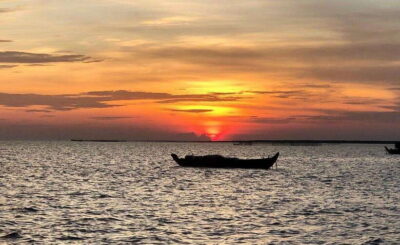
Kampong Phluk Floating Village Tour with Boat
Read our review →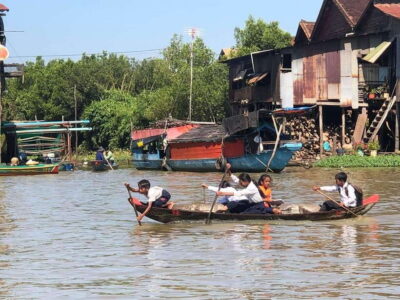
Siem Reap Floating Village Kampong Phluk Sunset with Boat
Read our review →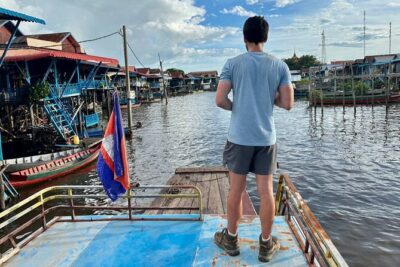
Kompong Phluk Floating Village Half-Day Tour ( Morning / Sunset )
Read our review →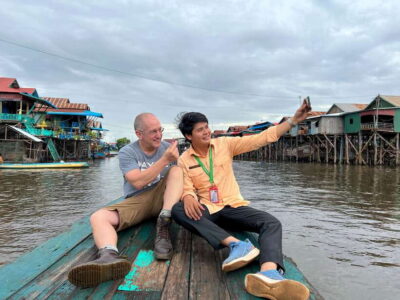
Kulen Mountain, Beng Mealea and Tonle Sap Tour
Read our review →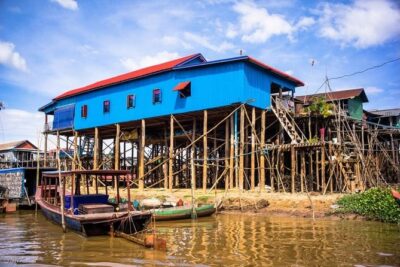
Tonle Sap Lake & Kampong Phluk Village Half-Day Tour
Read our review →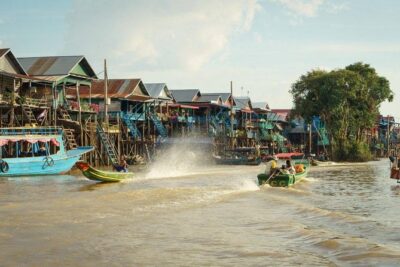
Browse the lists this tour appears in