
Reviewed · TONLE SAP FLOATING VILLAGE TOURS
Tonle sap, Kompong Phluk (Floating village)
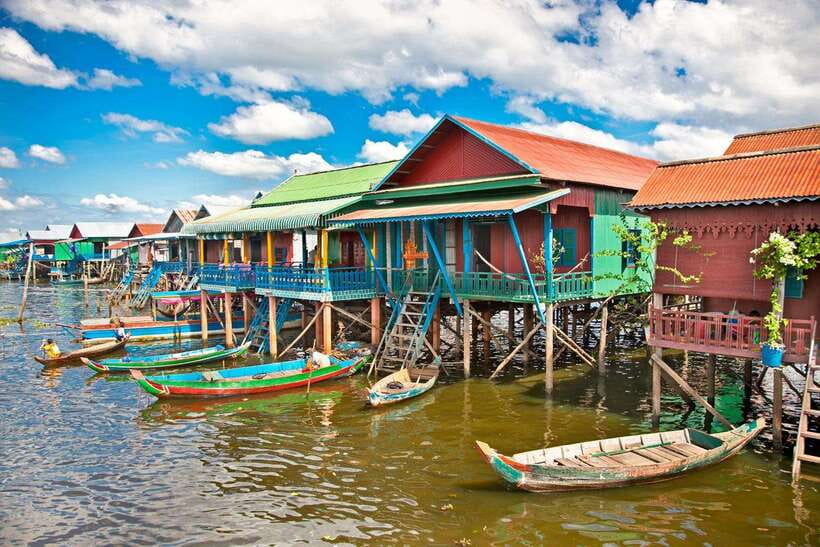
Water changes the village. This five-hour trip from Siem Reap gives you a close look at Kompong Phluk’s floating homes, school, pagoda, and daily boat travel. I like the small group size, capped at 15 people, and the calm sunset ride across Tonle Sap.
I also like the simple value: $15 includes transport, a guide, entrance fees, the big boat, and drinking water. The main caution is that the guide’s village explanation may feel brief, and pickup was late for one guest. If you want a detailed cultural lecture, set your expectations carefully.
In This Review
- Key points before you book
- Why Tonle Sap and Kompong Phluk matter
- The 1:30pm pickup from Siem Reap
- Entering Kompong Phluk by boat
- The school and the working village
- The pagoda and local community life
- Mangroves, stilt houses, and the open lake
- Sunset on Tonle Sap
- What $15 really gets you
- Who should book this Kompong Phluk outing?
- Should you book the $15 Tonle Sap tour?
- FAQ
- Where does the tour take place?
- How long does the tour last?
- What time does hotel pickup take place?
- What is included in the price?
- How large is the tour group?
- Can I cancel the booking?
Key points before you book
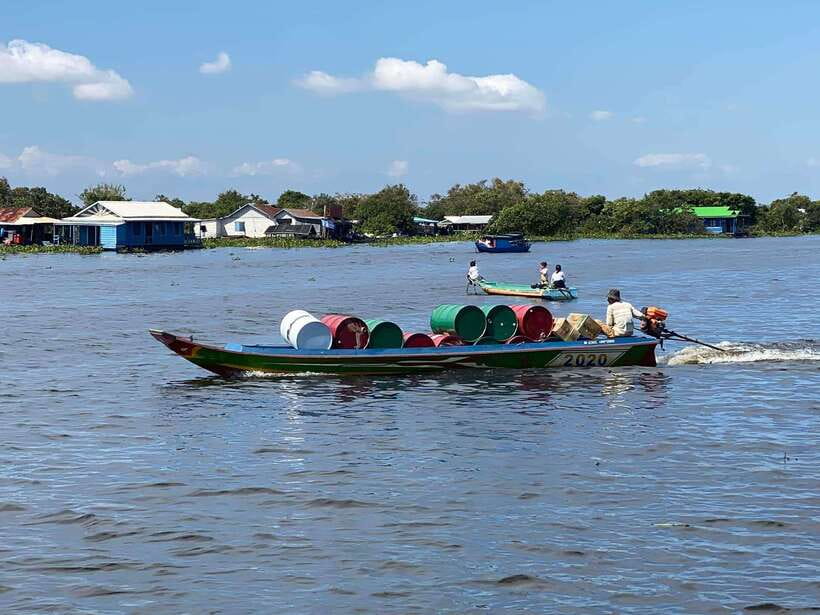
- Kompong Phluk changes with the seasons: Water levels affect how people travel to school and work.
- The tour includes both village life and open water: You see homes and community buildings before heading onto Tonle Sap.
- A school and pagoda add useful context: These stops show that the village is more than a photo stop.
- Sunset is the natural finale: The boat ride gives the five-hour outing a quiet ending.
- Small groups keep the trip manageable: The maximum group size is 15 people.
- Pickup begins around 1:30pm: An air-conditioned vehicle takes you from your Siem Reap hotel.
Why Tonle Sap and Kompong Phluk matter
Tonle Sap is central to life in Cambodia’s Siem Reap Province. Kompong Phluk is known for homes built around changing water conditions, so the village does not look or function the same all year.
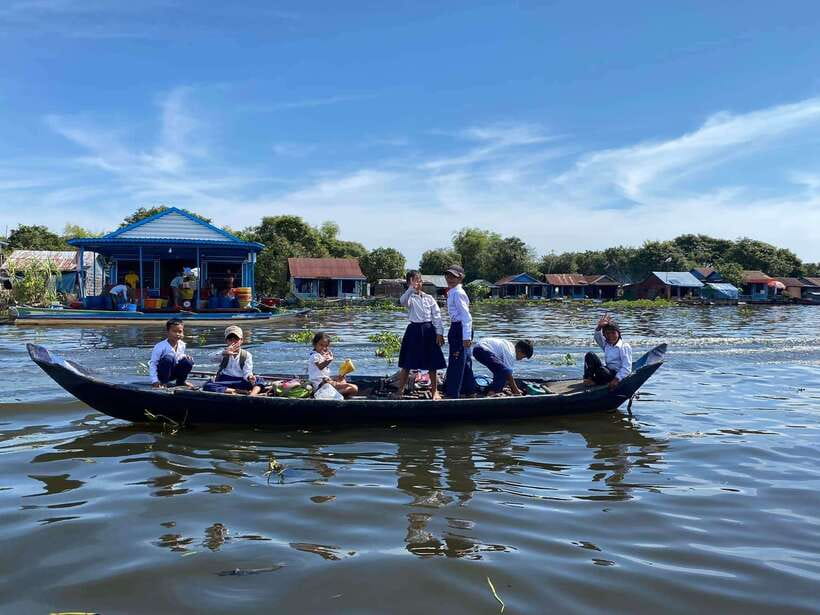
That seasonal shift is the key idea of this outing. During the wet season, higher water levels make boats the main way to reach work, school, and other parts of the community. During the dry season, the appearance and movement of the village change. You are not just looking at houses on water. You are seeing how people adjust daily life to the lake.
I find that context important because a floating village can otherwise become a quick camera stop. The guide is meant to explain how the village works and how local residents live with the lake. The tour also presents Kompong Phluk as a sustainable community, giving you a reason to pay attention to practical details rather than only the scenery.
Still, the quality of that explanation matters. One person found the outing relaxing but wished for more information about the village. I would treat this as a good introduction, not a full cultural study.
More Tonle Sap floating village trips:
- From Siem Reap: Kampong Phluk Floating Village Tour by Boat
★ 4.9 · 6,979 reviews - Sunset tour of Kampong Phluk stilts home village on the Tonle Sap
★ 5.0 · 4,865 reviews - Siem Reap: Kampong Phluk Floating Village Tour with Boat
★ 4.9 · 3,843 reviews
The 1:30pm pickup from Siem Reap
The day begins with hotel pickup at about 1:30pm. You travel in a modern vehicle with air-conditioning, a useful feature during Cambodia’s hot afternoons.
The listed duration is five hours, so the timing is designed to take you from afternoon village viewing into the sunset period. That gives the outing a clear rhythm without requiring a full day away from Siem Reap’s temples and other sights.
Pickup timing deserves a little patience. One verified booking recorded a late arrival by the vehicle. That does not prove every pickup will run late, but I would avoid scheduling a tight evening reservation immediately after the tour. The lake, road transfers, and sunset timing leave less room for a rushed finish.
Your guide speaks English, and a driver handles the transport. Drinking water is included, so you do not need to rely entirely on finding refreshments during the trip.
Entering Kompong Phluk by boat
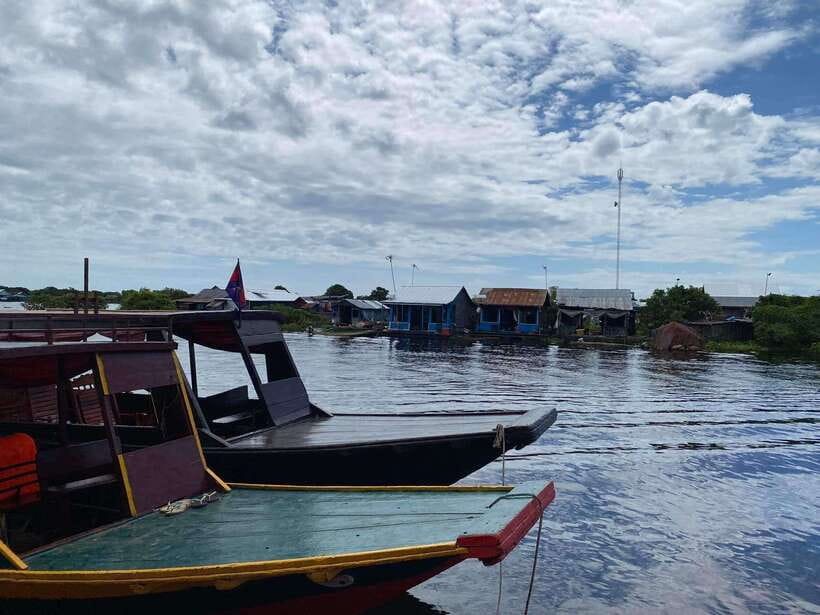
After the road transfer, the tour moves onto a large boat. This change from air-conditioned vehicle to open-air boat is part of the appeal. You begin to see the village from the same basic setting that shapes local transport.
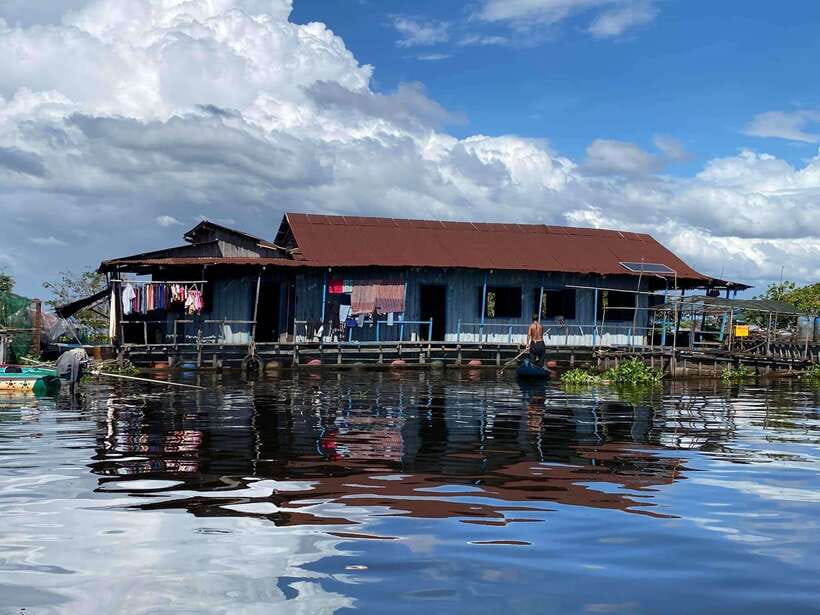
Kompong Phluk’s homes and structures are tied to the water’s seasonal movement. The sight of stilt houses and boats helps make the seasonal explanation easier to understand. During higher water, boats become especially important for reaching school and work.
The open-air setting should appeal to you if you enjoy slow views and open space. It is less suitable if you want a tightly scripted attraction with constant narration. The pace is meant to be relaxed, and that can feel peaceful or under-explained depending on what you want from the guide.
Because the group is limited to 15 people, you should have a better chance of hearing the guide than in a large coach group. It also makes the boat portion feel less crowded. The small group does not guarantee a long conversation, but it creates better conditions for asking questions about the village.
The school and the working village
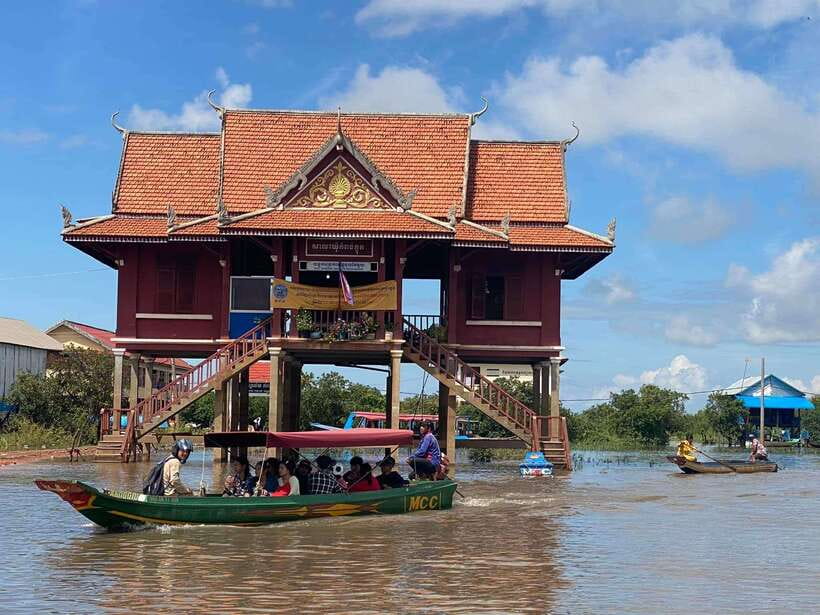
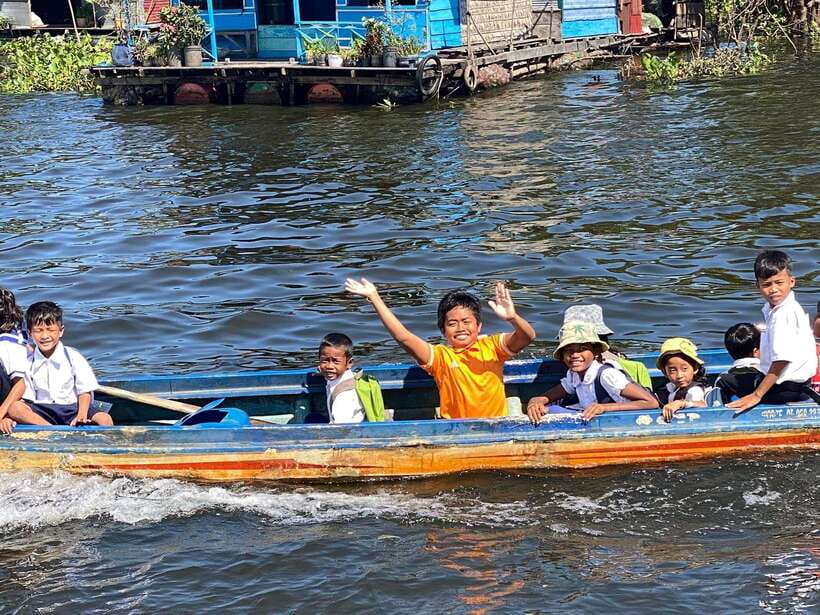
The school is one of the most useful stops because it shows how seasonal water affects ordinary routines. Children and families may depend on boats when the lake rises, and the tour explains how school access fits into village life.
You should approach this part with respect. The point is not simply to photograph a picturesque setting. It is to understand that the floating village is a lived-in community with practical needs, schedules, and public buildings.
The available information does not promise a classroom visit or a set time inside the school. Expect the guide to identify the school and discuss its place in the village rather than assume a formal meeting with students or teachers.
This is also where the tour may feel thinner for visitors who want a detailed social or environmental discussion. One booking noted that more information about the village would have improved the experience. I would prepare a few questions of your own, such as how the village changes between dry and wet seasons or how residents travel when water levels rise.
A few more trips worth weighing up
- Angkor Wat Sunrise or Sunset Tour with Guide from Siem Reap
★ 5.0 · 12,109 reviews - Siem Reap: Angkor Wat: Small-Group Sunrise or Sunset Tour
★ 5.0 · 9,444 reviews - Siem Reap: Angkor Wat 2-Day Tour with Sunrise and Sunset
★ 4.9 · 4,429 reviews - Siem Reap: Full-Day Angkor Wat Guided Tour with Sunset
★ 4.9 · 3,803 reviews
The pagoda and local community life
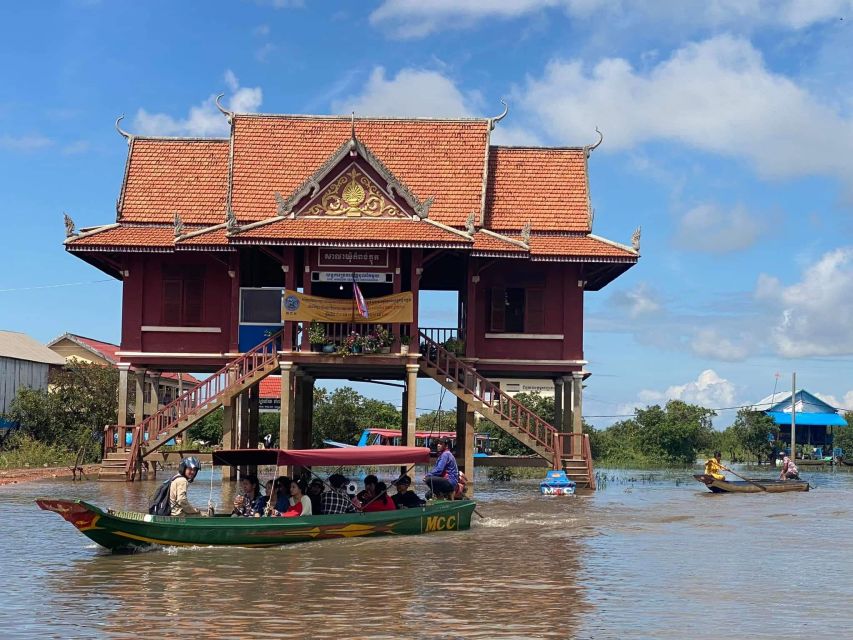
The pagoda adds another layer to the village visit. Along with the school, it shows that Kompong Phluk has community institutions, not just stilt houses and boats.
A pagoda stop can be brief, so the value comes from the guide’s explanation and from noticing how the religious site fits into the settlement. You will likely get more from it if you look beyond the building itself and consider what it says about shared village life.
The supplied details do not specify a religious ceremony, a special visit with monks, or a long guided tour inside the pagoda. You should therefore see this as a viewing and orientation stop, not a guaranteed religious program.
That modest approach is part of the tour’s strength. It keeps the outing focused on the community as a whole. At the same time, you should not book it expecting extensive access to private spaces or a highly detailed academic account.
Mangroves, stilt houses, and the open lake
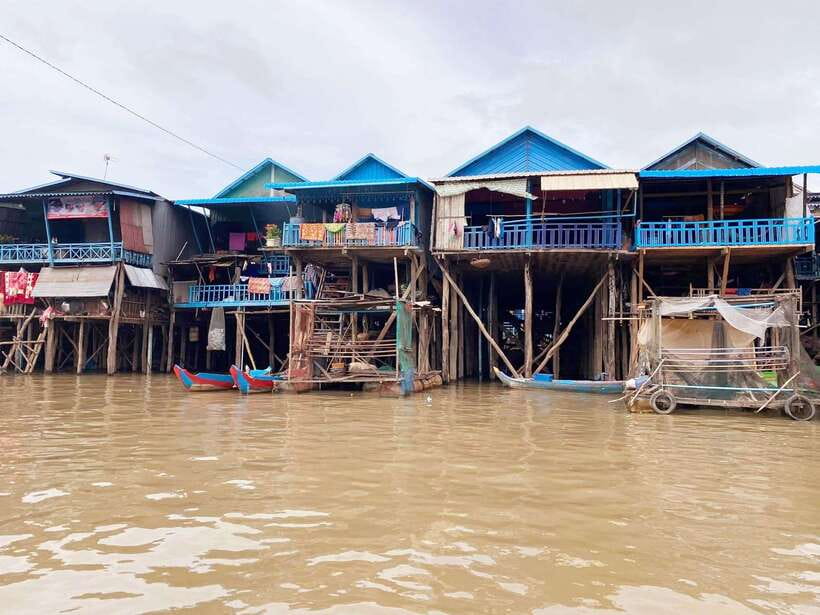
The boat route includes views of mangroves, stilt houses, and Tonle Sap itself. These are the visual highlights, but they also connect to the way water supports the village.
The mangroves give the ride a quieter natural setting. The stilt houses make seasonal water levels visible in a way that a classroom explanation cannot. Then the open lake broadens the view, moving you beyond the narrow village channels.
I like this combination because the scenery is not separated from the subject. You are looking at the setting that shapes transport, housing, and work. The best moments may be simple ones: watching the shoreline change, seeing boats move through the village, and noticing how the homes relate to the water.
Do not expect a packed sightseeing schedule. This is a slow boat experience with time to look around. If you need constant action, the relaxed pace may test your patience. If you enjoy a quiet afternoon and want a break from crowded attractions, it is a strong match.
Sunset on Tonle Sap
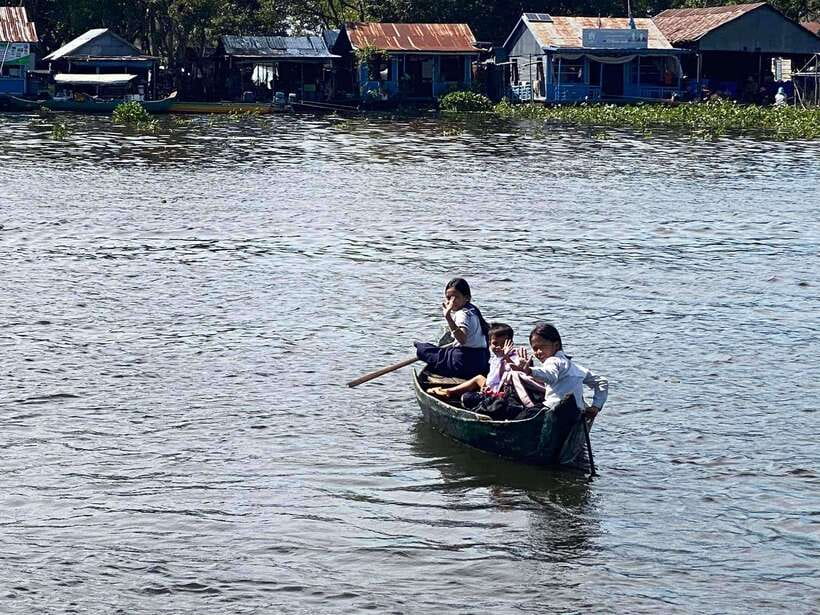
The sunset boat ride is the natural closing scene. After the village, school, pagoda, and mangrove views, the open water gives you time to sit back and watch the light change.
Sunset timing is one reason the afternoon departure works well. You are not simply returning to town in darkness after a daytime excursion. Instead, the final boat section becomes part of the experience.
I would keep your expectations realistic. Weather controls the quality of any sunset, and the supplied details do not promise a particular type of sky. The value is in the setting and the slower pace, not in a guaranteed postcard view.
For me, this is the part most likely to make the outing feel restful. One person described the tour as relaxing even while wishing for more village information. That combination says a lot: the experience succeeds best when you want peaceful scenery and a basic introduction, rather than nonstop commentary.
What $15 really gets you
At $15 per person, this is a low-cost way to reach a major Siem Reap day-trip destination. The price includes hotel transportation, an English-speaking guide, the large boat, entrance fees, and drinking water.
That package matters because arranging each part separately could be less convenient. You do not need to sort out road transport, boat access, and entry costs on your own. The air-conditioned vehicle also adds comfort before and after the open-air portion.
The price does not turn the tour into a private experience. The group can reach 15 participants, and the guide’s attention will be shared. You are paying for a practical introduction with transport and access included, not a highly customized day with extensive personal guiding.
The 4.8 rating from three bookings suggests strong overall satisfaction, but the small number of ratings is worth keeping in mind. The clearest weakness is the possibility of a late pickup and limited explanation. The clearest strengths are the relaxing pace, the lake scenery, and the convenience at a modest price.
You can cancel up to 24 hours before departure for a full refund, and you can reserve now while paying later. Those terms make the tour easier to fit into a changing Siem Reap schedule.
Who should book this Kompong Phluk outing?
I would recommend it to you if you want a half-day away from the temple circuit and prefer seeing how a local community functions. It suits photographers, families, first-time visitors to Siem Reap, and anyone who enjoys water views without paying for a private excursion.
It is also a good choice if you value convenience. Hotel pickup, transport, an included boat, entrance fees, a guide, and water remove much of the planning work.
You may want something else if your main goal is a highly detailed account of Cambodian village life. The guide may provide a useful introduction, but one booking found the explanation too limited. A private guide or a longer specialist program could suit you better, though that would likely cost more.
Should you book the $15 Tonle Sap tour?
Book it if you want an affordable, gentle afternoon with Kompong Phluk, a school, a pagoda, stilt houses, mangroves, and sunset on Tonle Sap. The small group and included transport make the price especially attractive.
Skip it if late pickup would cause serious problems or if you need extensive guiding at every stop. For most people, though, this is a sensible Siem Reap add-on: simple, scenic, and useful for understanding how water shapes village life.
FAQ
Where does the tour take place?
The experience takes place at Tonle Sap in Siem Reap Province, Cambodia, with a visit to the floating village of Kompong Phluk.
How long does the tour last?
The tour lasts five hours.
What time does hotel pickup take place?
The driver is scheduled to pick you up from your hotel at around 1:30pm.
What is included in the price?
The $15 price includes an English-speaking tour guide, transportation, the big boat, the entrance fee, and drinking water.
How large is the tour group?
It is a small-group tour limited to 15 participants.
Can I cancel the booking?
Yes. You can cancel up to 24 hours in advance for a full refund. You can also reserve now and pay later.
Just added around Siem Reap
- Private Battambang Full-Day Guided Tour★ 4.5 · 3 reviews
- Kulen Mountain, Beng Mealea and Banteay Srei Full Day Tour★ 5.0 · 3 reviews
- Kompong Pluk Tour★ 5.0 · 3 reviews
- Private 3 Day Tour to Discover the ancient temples★ 5.0 · 3 reviews
- Kulen National Park Ticket -Waterfall & 1000 Lingas★ 5.0 · 3 reviews
- Cambodia: Absolute Traditional Dance Show with Buffet Dinner★ 5.0 · 3 reviews
- Border Transfer (Siem Reap to Laos/Laos to Siem Reap)★ 3.5 · 3 reviews
- Siem Reap Countryside Sunset Vespa Tour or Tuk Tuk★ 4.5 · 3 reviews
Tonle Sap Floating Village Tours, compared.
Sunset tour of Kampong Phluk stilts home village on the Tonle Sap
Read our review →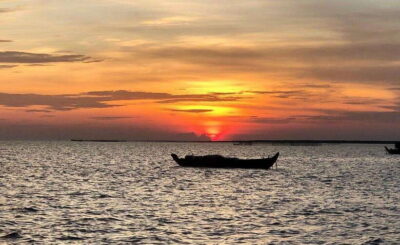
Kampong Phluk Floating Village Tour with Boat
Read our review →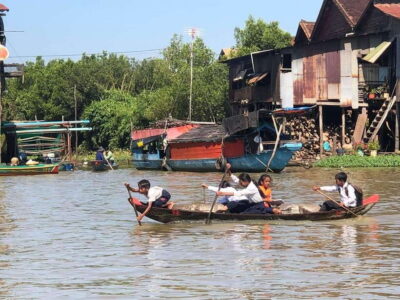
Siem Reap Floating Village Kampong Phluk Sunset with Boat
Read our review →
Kompong Phluk Floating Village Half-Day Tour ( Morning / Sunset )
Read our review →
Kulen Mountain, Beng Mealea and Tonle Sap Tour
Read our review →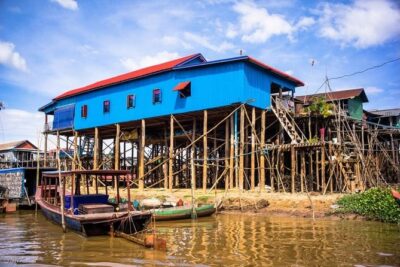
Tonle Sap Lake & Kampong Phluk Village Half-Day Tour
Read our review →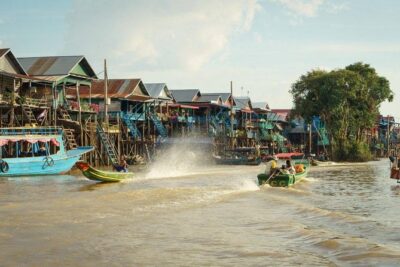
Browse the lists this tour appears in