
Reviewed · BENG MEALEA TOURS
5-Day All Major Temples & Kulen Mount Waterfall & Koh Ker & Beng Mealea
Cambodia’s ancient stones deserve more than one rushed day. This five-day private tour gives you a broad look at the Khmer Empire, from sunrise at Angkor Wat and the smiling towers of Bayon to remote Koh Ker, jungle-covered Beng Mealea, and the waterfalls of Phnom Kulen. I especially like the private air-conditioned vehicle and the steady supply of drinking water and cool towels, which matter in Cambodia’s heat. I also like that you choose your own hotel, rather than paying for accommodation you may not want.
The main drawback is the pace. You cover a great deal of ground, and several days begin early or run long. Temple admission, meals, accommodation, and two separate attraction tickets are extra, so the advertised $455 price is not the final cost. Guide Thean and driver San received especially strong praise for detailed Khmer Empire explanations, careful driving, and thoughtful service.
In This Review
- Key points before you book
- What the $455 price really covers
- Day one: Angkor Thom before the full scale of Angkor Wat
- Day two: sunrise, Roluos, and the pink stone of Banteay Srei
- Day three: the long road to Koh Ker and Beng Mealea
- Day four: the Grand Circuit, Ta Prohm, and Phnom Bakheng
- Day five: Phnom Kulen, craftwork, and the Old Market
- Guide, driver, vehicle, and daily comfort
- Who should book this five-day route?
- Should you book it?
- FAQ
- How long does the tour last?
- Is hotel pickup included?
- Is accommodation included?
- Are temple entrance fees included?
- Is this a private tour?
- Are meals included?
- What is included in the vehicle service?
Key points before you book
- Five very full days: The route covers Angkor Thom, Angkor Wat, the Roluos temples, the Grand and Small Circuits, Koh Ker, Beng Mealea, Phnom Kulen, Artisans Angkor, and the Old Market.
- A private experience: Only your group participates, with hotel pickup and return in a private air-conditioned vehicle.
- The biggest extra cost: Angkor and other temple admission totals $72 per person, while Kulen costs $20 and Koh Ker costs $15.
- The best crowd escape: Day three reaches Koh Ker and Beng Mealea, more than 150 kilometers from Siem Reap for the Koh Ker portion.
- Sunrise and sunset included: You visit Angkor Wat around sunrise and may climb Phnom Bakheng for sunset, subject to limited access.
- Accommodation is your choice: Hotels and guesthouses are not included, giving you flexibility but requiring separate planning.
What the $455 price really covers
At $455 per person, this is not a cheap temple shuttle. It is a private, five-day touring arrangement with an English-speaking licensed guide, a dedicated driver, fuel-related road costs, parking, road tolls, hotel pickup, and hotel drop-off.
That distinction matters. A private vehicle gives you more control than a large coach. You can spend longer at Bayon, shorten a stop that does not interest you, or skip Phnom Bakheng sunset if you are tired. The provided water and wet towels are small comforts, but after hours among hot stone ruins, they become useful comforts.
The admission costs add up quickly:
- Angkor and all listed Angkor temples: $72 per person
- Phnom Kulen National Park: $20 per person
- Koh Ker Group: $15 per person
- Lunches: about $5 per person per meal, depending on the menu
That brings known entrance fees to $107 per person, before food and accommodation. In practical terms, your five-day outlay becomes at least $562 per person plus lunches and lodging. Still, the value is reasonable if you want a private guide and transport for distant sites. It is less attractive if you plan to see only Angkor Wat and a few nearby temples.
The tour is also booked well in advance on average, about 40 days. That suggests you should not leave it until the last minute if your dates are fixed.
More Koh Ker trips:
- Koh Ker Temple Group & Beng Mealea Full-Day Join-in Tour
★ 5.0 · 710 reviews - From Siem Reap: Koh Ker and Beng Mealea Temples Tour
★ 4.9 · 293 reviews - Preah Vihear: Full-Day Preah Vihear and Koh Ker Temple Tour
★ 4.9 · 263 reviews
Day one: Angkor Thom before the full scale of Angkor Wat
Pickup begins at 8:00 a.m. from your hotel or guesthouse. The first stop is the South Gate of Angkor Thom, where you also buy the temple pass. This is a practical start, though it means your first grand entrance comes before you have seen the central temples.
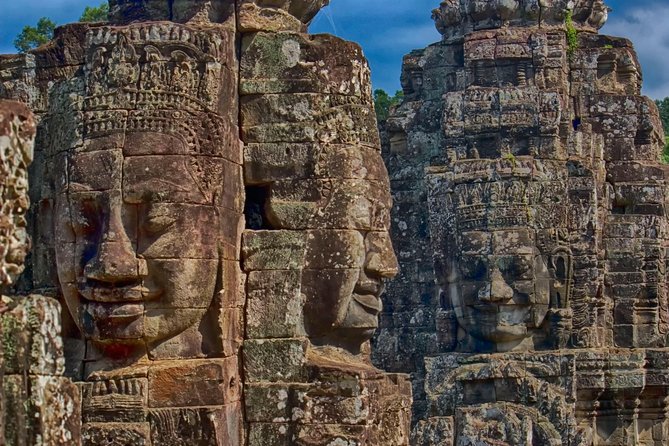
Bayon is the morning star. Its towers carry four-sided faces associated with Avalokitesvara, and the maze of galleries gives you plenty to study. Allow about an hour here. Your guide’s explanation matters because the stone faces can blur together without context.
Next comes Baphuon, an 11th-century Hindu temple with a large reclining Buddha added centuries later. The nearby Royal Enclosure Wall, Phimeanakas, Terrace of the Elephants, and Terrace of the Leper King form a compact historical group. Together, they help you picture Angkor Thom as a royal city rather than a collection of isolated ruins.
The stop at the Terrace of the Elephants is short, about 15 minutes, so expect a quick look at its carved elephants and royal viewing platform. The Terrace of the Leper King and nearby smaller structures receive more time. These are not the most dramatic monuments on the route, but they reward close attention to carvings and layout.
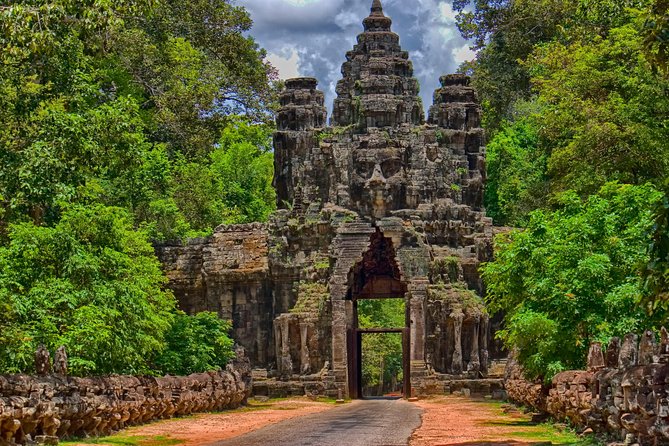
From the Victory Gate, the route continues to Chau Say Tevoda and Thommanon. Both are smaller Hindu temples from the 12th century, and their location near the road makes them easy additions. Chau Say Tevoda has undergone restoration supported by China, while Thommanon offers a useful comparison in design.
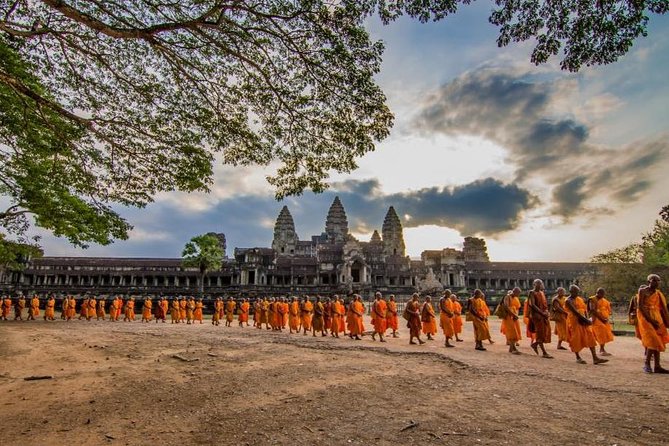
After lunch, you reach Angkor Wat for about three and a half hours. That is the right amount of time for a first serious visit. You can cross the approach, study the galleries, see the central towers, and give the carvings a fair look instead of treating the temple as a quick photo stop.
Angkor Wat was built in the 12th century for Vishnu and later became Buddhist. Your guide can help connect the bas-reliefs, towers, galleries, and religious changes. The drawback is timing: after a busy morning, you may arrive at Cambodia’s most important sight when your energy is already fading.
Day two: sunrise, Roluos, and the pink stone of Banteay Srei
Day two starts at 5:00 a.m. for sunrise at Angkor Wat. The early start is unavoidable if you want this view, and the schedule gives you about an hour and 45 minutes at the temple. Bring patience. Sunrise depends on weather, and the early hour can be chilly before the heat arrives.
After Angkor Wat, the tour moves to the Roluos Group, an earlier collection of Khmer temples. Preah Ko was the first temple built at the ancient city of Hariharalaya. Bakong is the largest of the group and an early sandstone temple mountain. Lolei is smaller and quicker, with about 15 minutes allowed.
These sites provide an important change from Angkor’s grand central monuments. You see an earlier stage of Khmer temple design, with simpler arrangements and a different sense of scale. If you care about how the empire developed, this morning is valuable. If your priority is only the most famous ruins, it may feel less urgent.
Banteay Srei is one of the day’s strongest stops. Its pink sandstone and fine carvings give it a delicate appearance that differs from the larger gray stone monuments. It was built in the 10th century for Shiva, and the smaller scale makes the details easier to appreciate.
Banteay Samre follows, with about 40 minutes to explore. Its design is often compared with Angkor Wat, and it feels more substantial than many quick roadside stops. Pre Rup, a 10th-century temple mountain, adds a stark vertical shape and traditional associations with funerary rites.
The itinerary also includes Banteay Kdei after lunch, with about 45 minutes. This Buddhist temple gives you another look at the period of Jayavarman VII and the changing religious life of Angkor. The day combines distant driving with several smaller monuments, so it is full but varied.
One practical issue is that the exact order and lunch timing may shift. The supplied schedule repeats Banteay Srei in one place, but the intended route clearly includes Banteay Srei, Banteay Samre, Pre Rup, and Banteay Kdei. Confirm the day’s sequence with your guide at the start.
Day three: the long road to Koh Ker and Beng Mealea
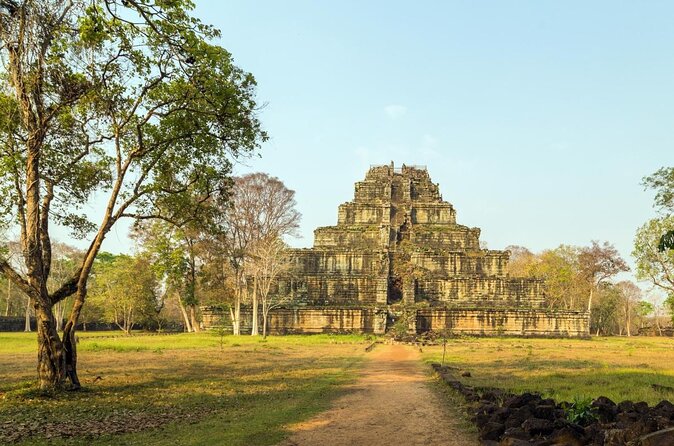
Day three is the most ambitious driving day. Koh Ker lies more than 150 kilometers northeast of Siem Reap, and the temple group occupies about four hours of sightseeing time. Koh Ker briefly served as the Khmer capital from 928 to 944, giving it a different feel from the better-known Angkor core.
The main reward is the sense of distance. You leave the familiar circuit and reach a former capital that receives fewer scheduled visits. The ruins are spread across the Koh Ker Group, and the scale of the day means you should wear good walking shoes and expect heat.
The tradeoff is clear: four hours at Koh Ker plus the long road takes up much of the day. If you dislike extended drives, this may be your least comfortable day. If you want a wider picture of Khmer power beyond Angkor, it is one of the tour’s most useful additions.
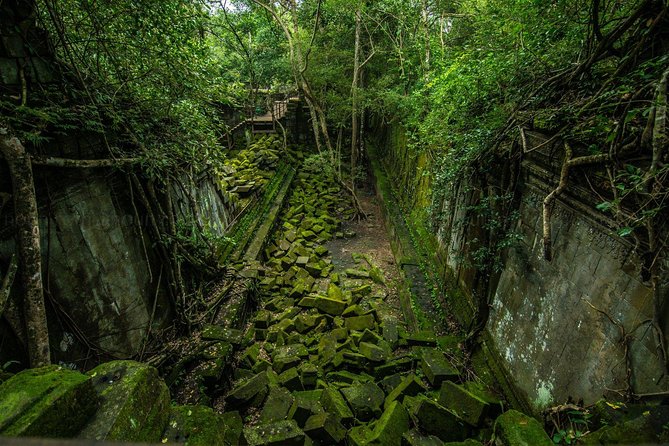
Beng Mealea provides a fine second act. Nature has grown over the temple, and broken galleries and stone blocks create a rougher, less ordered visit than Angkor Wat. The temple follows the same broad floor plan as Angkor Wat, but the condition gives it a more exploratory feel.
I would not choose Beng Mealea for polished restoration. Choose it for atmosphere, physical remains, and the chance to see a major temple without the same formal presentation. The visit lasts about an hour and a half, which gives you time to look around without turning the stop into a sprint.
More Beng Mealea trips:
- Siem Reap: Kulen Mountain, Beng Mealea and Tonle Sap Tour
★ 5.0 · 1,483 reviews - Kulen Mountain with Beng Mealea and Tonle Sap Small Group Tour
★ 5.0 · 780 reviews - Banteay Srei, Kulen Waterfall & Beng Mealea Exploration
★ 5.0 · 185 reviews - Siem Reap: Kulen Waterfall, Banteay Srei, and Beng Mealea Tour
★ 5.0 · 148 reviews
Day four: the Grand Circuit, Ta Prohm, and Phnom Bakheng
Day four begins with Preah Khan, a large Buddhist temple built by Jayavarman VII in honor of his father. Its galleries and extended plan make it one of the more rewarding places for a guided walk. You can spend an hour here before moving to the smaller monuments around the northern and eastern part of Angkor.
Neak Pean sits on an island in the middle of a former reservoir. The water setting makes it different from the temple mountains, though the walk and viewing area are more limited. Krol Ko is a small Buddhist temple nearby, with only about 10 minutes scheduled.
Ta Som is another compact Buddhist temple. Its smaller scale and position east of Neak Pean make it a good contrast with Preah Khan. Eastern Mebon then returns to a larger temple-mountain form, with three levels, five towers, and elephant statues at the corners.
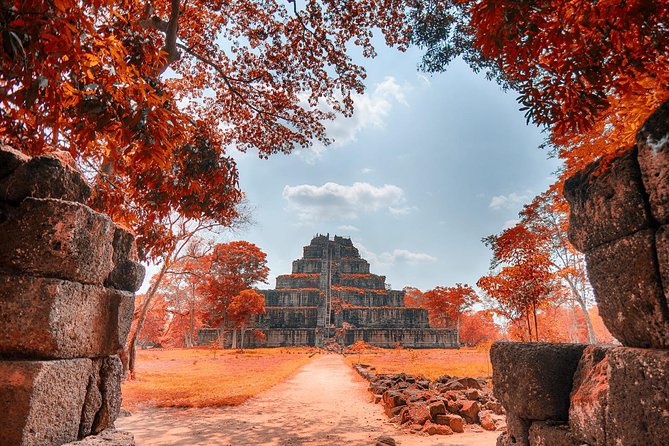
The route continues to Ta Keo, a tall Shiva temple from the 11th century. You get only about 15 minutes here, so expect a quick stop rather than a long climb or detailed survey. Ta Nei is quieter and less restored, surrounded by large trees. Its 45-minute visit should appeal to you if you prefer rougher ruins over finished presentation.
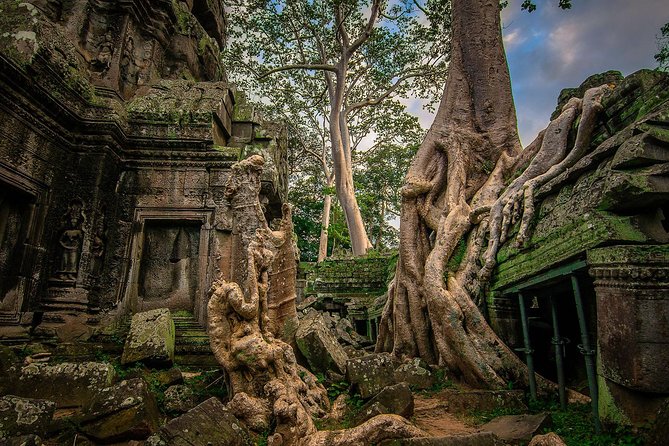
Ta Prohm receives about an hour and a half, and it deserves the time. Large tree roots press across the stone, creating the scene associated with Tomb Raider. It is a famous stop, so do not expect solitude, but the roots and galleries still make it one of the most memorable temples on the route.
Prasat Kravan is a small brick temple and a useful final contrast. Most of the major monuments use sandstone, while Prasat Kravan’s brick construction gives it a different surface and structure.
The final stop is Phnom Bakheng for sunset. The climb and waiting period can take up to two hours. Access is limited by the number of people allowed, so sunset is not guaranteed. You can skip it if the queue or tiredness outweighs the view. This flexibility is welcome after such a long day.
Day five: Phnom Kulen, craftwork, and the Old Market
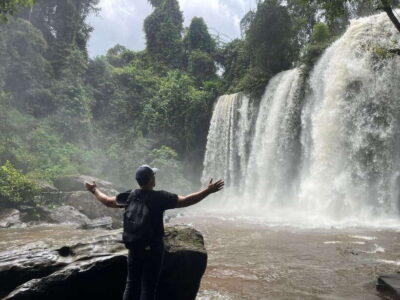
Phnom Kulen National Park lies more than 60 kilometers from Angkor Park. The main visit lasts about five hours and is not a temple tour in the usual sense. You see a riverbed carved with lingas, symbols connected with Shiva, and continue to the waterfall area.
This day changes the rhythm of the trip. After four days of stone temples, Kulen gives you water, forest, and a sacred setting tied to the same religious world. The extra $20 entrance fee is worth considering if you want more than architecture.
The drive also makes this another substantial day. You will spend time on the road, and the waterfall stop may be especially welcome in the heat. The private vehicle, cool towels, and water are particularly useful here.
Back in Siem Reap, Artisans Angkor offers a look at traditional craft skills, including stone carving, wood carving, lacquering, gilding, and silk processing. The visit lasts about 30 minutes, so think of it as a short cultural stop rather than a full workshop.
The final stop is Psar Chaa, the Old Market, in central Siem Reap. You have about an hour, but the stop is optional. Skip it if you already have market plans or would rather rest after Phnom Kulen.
Guide, driver, vehicle, and daily comfort
The tour is private, so only your group takes part. That can make a major difference with a five-day schedule. You are not waiting for strangers at every gate, and you have a better chance of adjusting the day when a site deserves more or less time.
Guide Thean is specifically praised for detailed explanations of the Khmer Empire and for pointing out small features that are easy to miss. Driver San is praised for skilled, polite driving and for keeping water and cool towels available. Those details are worth emphasizing because the quality of a temple tour depends heavily on the guide’s timing and the driver’s care.
The vehicle is air-conditioned, and parking fees and road tolls are included. Meals are not. Lunch is expected to cost about $5 per person, depending on what you order. Breakfast is not described as included, so plan around your hotel arrangements.
Most people can participate, according to the available information. Still, the tour includes early starts, long vehicle journeys, temple walking, uneven ruins, and the possible climb at Phnom Bakheng. The schedule is not a relaxed sightseeing plan.
Who should book this five-day route?
I would choose this tour if you want to see far more than Angkor Wat and prefer a private guide over a large group. It suits you if you enjoy comparing temple styles, accept long days, and want both famous sites and less visited outlying monuments.
It also works well if you have not arranged accommodation. Since lodging is left out, you can choose a hotel or guesthouse that fits your budget and location. That freedom is useful, but you must make sure your accommodation is ready for 5:00 a.m. pickup on day two.
I would be cautious if you want an easy holiday with late mornings. Day three involves major driving, day four is packed with temples, and day five includes a distant national park. You should also budget carefully for the $107 in listed entrance fees, lunches, and five nights of accommodation.
Free cancellation is available when you cancel at least 24 hours before the start time. Changes or cancellations inside that window are not accepted for a refund.
Should you book it?
Book this tour if you want a serious, wide-ranging look at Cambodia’s Khmer temples and value having a private vehicle, guide, and flexible hotel arrangements. The strongest parts are the breadth of the route, the remote excursion to Koh Ker, the overgrown remains at Beng Mealea, and the practical care shown by Thean and San.
Skip it if your ideal trip is limited to Angkor Wat, Bayon, and Ta Prohm at an easy pace. For everyone else, this is a demanding but rewarding five-day plan. Go in with a realistic budget, expect heat and long days, and treat the itinerary as a framework rather than a promise that every stop will run exactly to the minute.
FAQ
How long does the tour last?
The experience lasts approximately five days.
Is hotel pickup included?
Yes. Pickup is provided from your hotel or guesthouse, and drop-off at your hotel is included.
Is accommodation included?
No. You are free to arrange your own accommodation.
Are temple entrance fees included?
No. Angkor and all temples cost $72 per person, Phnom Kulen costs $20 per person, and Koh Ker costs $15 per person.
Is this a private tour?
Yes. Only your group participates in the activity.
Are meals included?
No. Lunch costs depend on the menu and are estimated at about $5 per person.
What is included in the vehicle service?
The tour includes a private air-conditioned vehicle with driver, an English-speaking licensed guide, drinking water, wet towels, parking fees, road tolls, hotel pickup, and hotel drop-off.
More 5-Day Experiences
- Angkor Wat Sunrise and Tonle Sap Lake 1.5 Days
★ 5.0 · 39 reviews - Private Cambodia 5 Days Tour from Siem Reap to Phnom Penh
★ 5.0 · 19 reviews - 5-Day ‘All The Sights’ Tour
★ 5.0 · 11 reviews - Angkor Wat: Sunrise 2.5 Days Temples & Tonle Sap-Small Group
★ 5.0 · 10 reviews
More Phnom Kulen Tours
- Kulen Waterfall Join-in Tour (local Picnic lunch)
★ 5.0 · 2,434 reviews - Kulen Mountain: Small-Group Tour and Picnic lunch
★ 4.9 · 1,802 reviews - Phnom Kulen Waterfall & the Sacred 1000 Lingas (with Lunch)
★ 4.8 · 974 reviews - Guided Small-Group Tour in Kulen Mountain Park Waterfall
★ 5.0 · 480 reviews
Just added around Siem Reap
- Private Battambang Full-Day Guided Tour★ 4.5 · 3 reviews
- Kulen Mountain, Beng Mealea and Banteay Srei Full Day Tour★ 5.0 · 3 reviews
- Kompong Pluk Tour★ 5.0 · 3 reviews
- Private 3 Day Tour to Discover the ancient temples★ 5.0 · 3 reviews
- Kulen National Park Ticket -Waterfall & 1000 Lingas★ 5.0 · 3 reviews
- Cambodia: Absolute Traditional Dance Show with Buffet Dinner★ 5.0 · 3 reviews
- Border Transfer (Siem Reap to Laos/Laos to Siem Reap)★ 3.5 · 3 reviews
- Best Taxi Siem Reap to Battambang – English Speaking Driver★ 4.5 · 3 reviews
Beng Mealea Tours, compared.
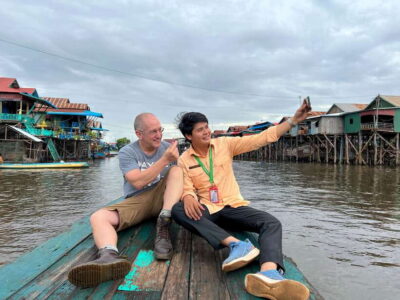
Kulen Mountain, Beng Mealea and Tonle Sap Tour
Read our review →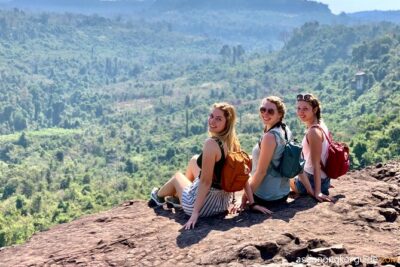
Kulen Mountain with Beng Mealea and Tonle Sap Small Group Tour
Read our review →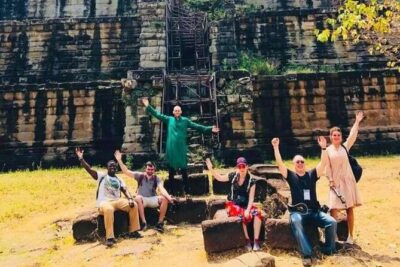
Koh Ker Temple Group & Beng Mealea Full-Day Join-in Tour
Read our review →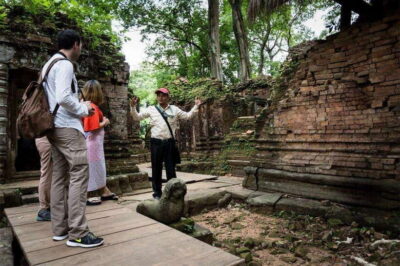
Banteay Srei, Kulen Waterfall & Beng Mealea Exploration
Read our review →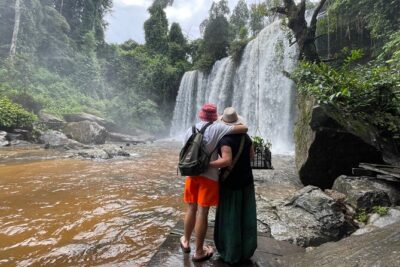
Kulen Waterfall, Banteay Srei, and Beng Mealea Tour
Read our review →
Banteay Srei, Beng Mealea and Kulen Mountain with Picnic
Read our review →Kulen Mountain, Beng Mealea, and Tonle Sap Tour
Read our review →Browse the lists this tour appears in