
Reviewed · 2-DAY EXPERIENCES
2-Day ‘Angkor & Village’ Tour
Angkor rewards a little extra time. This private two-day tour pairs the major temples with Banteay Srei and a boat trip through Kompong Phluk, so you see more than the usual quick circuit. I like the private air-conditioned vehicle, which gives you a cool break between ruins, and I like having an English-speaking guide to explain what you are seeing instead of simply pointing out doorways and towers. The main drawback is physical: long walks, steep temple steps, heat, and an early sunrise can make this a demanding two days.
The arrangement is also flexible enough to suit a small group. Guides such as Seng and Mr. Choup have earned especially warm praise for explaining the temples, adding useful stops, and helping groups shape the day around their interests. Still, you should be ready for full sightseeing days rather than a gentle cultural outing.
In This Review
- Key points before you book
- What the $130 price really covers
- Day 1: Bayon, Baphuon, and the heart of Angkor Thom
- Ta Prohm and the afternoon at Angkor Wat
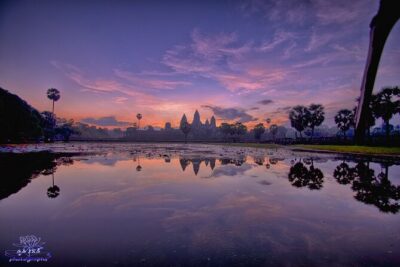
- Day 2 begins with Angkor Wat sunrise
- Banteay Srei brings smaller scale and fine carving
- Kompong Phluk: a change from stone to water
- Transport, guiding, and the private format
- The main strengths and limits
- Who should book this Angkor tour?
- FAQ
- Where does this tour take place?
- How long does the tour last?
- What time does pickup begin?
- Is hotel pickup included?
- Is this a private tour?
- Is the temple pass included in the price?
- Is the Kompong Phluk boat included?
- Are meals included?
- Is the tour suitable for children under three?
Key points before you book
- Angkor Wat appears twice: You visit the temple complex on Day 1 and return before dawn on Day 2 for sunrise.
- The tour is private: Only your group takes part, with hotel pickup and drop-off in an air-conditioned vehicle.
- The village option is Kompong Phluk: A motorized boat carries you through a stilt-village community on Tonle Sap.
- The temple pass costs extra: Allow about $67 per person for the two-day pass, in addition to the $130 tour price.
- Banteay Srei adds a worthwhile drive: This small 10th-century temple is known for its detailed carving and lies about 25 kilometers northeast of the main Angkor group.
- Fitness matters: You need to walk normally and manage steps, uneven surfaces, and extended time outdoors.
What the $130 price really covers
At $130, this is not an all-inclusive Angkor package. It covers a private tour for your group, hotel transportation, an air-conditioned vehicle, an English-speaking guide, bottled water, cold towels, and the motorized boat fee for Kompong Phluk.
You still pay for temple admission, meals, soft drinks, and alcohol. The supplied information gives two pass prices: a two-day pass is listed at $67 per person, while the ticket office information gives $62 for three days and $72 for seven days. Since the details do not fully match, confirm the current ticket price when booking or before entering the park.
For two full days of private transport and guiding, the price can be good value, especially if you are sharing it with another person or a small group. A private vehicle also matters here. Angkor involves repeated rides between separate temple zones, and an air-conditioned car gives you somewhere to cool down and store your belongings. Bottled water and cold towels are small touches, but they are useful in Cambodia’s heat.
The price becomes less attractive if you want a slow schedule with long restaurant breaks. This tour packs in major temples, sunrise, a distant temple group, and a village boat ride. You are paying for coverage and convenience, not an unhurried stay at each site.
A few more trips worth weighing up
- Siem Reap: Angkor Wat 2-Day Tour with Sunrise and Sunset
★ 4.9 · 4,429 reviews - Angkor 2-Day Sunset & Sunrise Small-Group Tour
★ 5.0 · 2,567 reviews - 2 Days Exclusive Temple Highlights with Sunset and Sunrise Tour
★ 5.0 · 1,157 reviews
Day 1: Bayon, Baphuon, and the heart of Angkor Thom
Pickup begins at about 8:30 a.m. The vehicle leaves your hotel at the scheduled start time, so have breakfast before departure or be ready to discuss the lunch plan with your guide. The first stop is the Angkor Enterprise ticket office, where you buy the temple pass needed for the next two days.
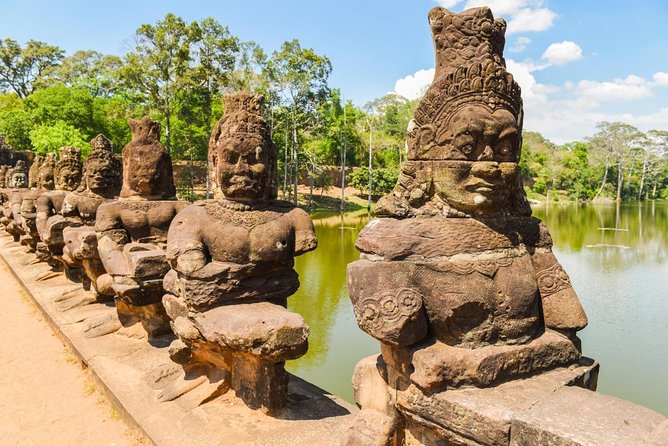
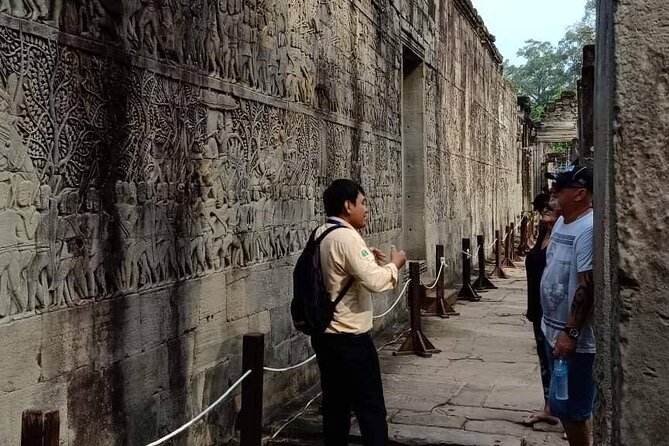
Bayon is a strong first temple. Its famous stone faces give the central sanctuary a memorable character, but the site is not only about taking a quick photo. Your guide can help you read the carved scenes and understand how this late 12th or early 13th-century temple fit into King Jayavarman VII’s capital.
Give yourself the full hour here. Bayon has tight corridors, towers, stairs, and changing views as you move through the structure. It is easy to become focused on the faces and miss the long carved panels lower down.
Next comes Baphuon, another temple within Angkor Thom. Built in the mid-11th century as a state temple dedicated to Shiva, it rises in a tiered temple-mountain form. The approach and upper levels require walking and climbing, so this is one of the places where a reasonable level of fitness helps.
The Terrace of the Elephants follows, with about 30 minutes to see the long ceremonial platform and its carved animals. It is less about entering a dark temple and more about understanding the old royal center, parade ground, and public setting. The nearby Terrace of the Leper King is part of the same royal area, although the stated schedule specifically names the Terrace of the Elephants.
Ta Prohm and the afternoon at Angkor Wat
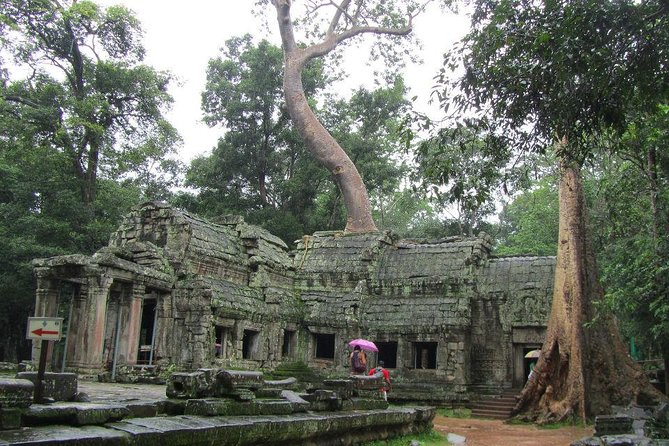
Ta Prohm changes the mood. Its stone galleries, courtyards, and trees make it feel less formal than Bayon or Angkor Wat. The temple was originally called Rajavihara and was built in the late 12th or early 13th century in the Bayon style.
You have about an hour here. Expect uneven ground and plenty of walking through narrow areas. The tree roots are the visual draw, but the real value comes from seeing how the temple’s architecture, courtyards, and vegetation interact. Your guide can also point out how Ta Prohm differs from the other royal and religious buildings on the route.
After lunch, the tour gives Angkor Wat about three hours. That is the right kind of time for a first visit because the complex is large, and rushing through it turns an extraordinary place into a checklist stop.
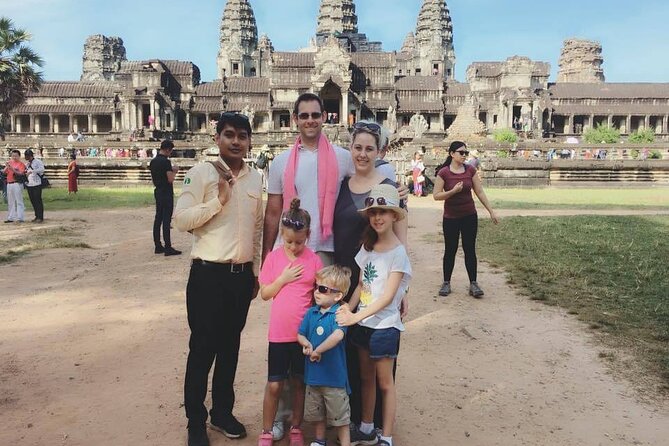
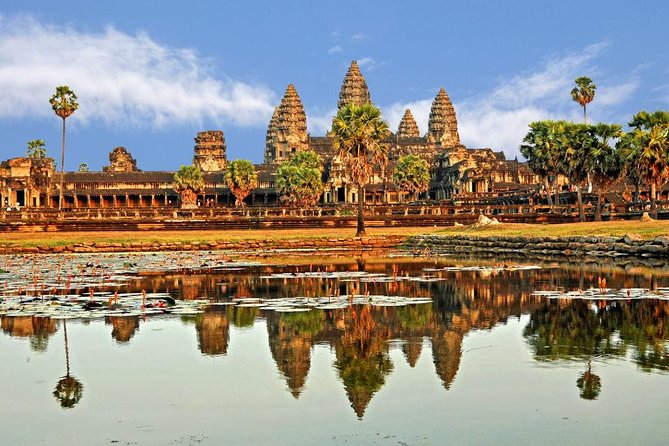
Angkor Wat was built as a Hindu temple and is the largest religious monument in the world by site area, covering about 162.6 hectares. Begin by taking in the full approach, then move through the galleries and central areas at a pace you can manage. The scale can be hard to grasp from a single viewpoint, so the long visit gives you room to notice the bas-reliefs, towers, courtyards, and changing angles.
The schedule then allows up to three hours at Phnom Bakheng. This temple mountain sits on a hill and was built near the end of the ninth century during the reign of Yasovarman. It is dedicated to Shiva and later had Buddhist use.
The hill and temple steps add another physical challenge at the end of a long day. The schedule does not guarantee a particular viewing time, so ask your guide how the stop will work that day. A three-hour block may feel long if you are tired, but the extra time can be useful if you want to move slowly or wait for the light. Do not assume you can remain energetic after Bayon, Baphuon, Ta Prohm, and Angkor Wat. Comfortable shoes and water are essential.
Day 2 begins with Angkor Wat sunrise
The second day starts early enough for sunrise at Angkor Wat. The stated visit lasts about three hours, after which you return to the hotel for breakfast.
This repeat visit is one of the best features of the tour. Seeing Angkor Wat after a full afternoon visit gives you a second chance to understand the complex, and the morning light creates a different mood. Sunrise conditions are never guaranteed, so treat the early start as a chance to see the temple at a quieter hour, not as a promise of a perfect sky.
Returning to the hotel for breakfast is practical. You do not have to carry a full morning meal through the temple grounds, and you can freshen up before the longer drive to the outlying temples. Still, this makes Day 2 a long day. If you need regular sleep or dislike early starts, the sunrise visit may be the part that tests you most.
A completely different kind of day out from Siem Reap:
- Angkor Wat Sunrise or Sunset Tour with Guide from Siem Reap
★ 5.0 · 12,109 reviews - Siem Reap: Angkor Wat: Small-Group Sunrise or Sunset Tour
★ 5.0 · 9,444 reviews - From Siem Reap: Kampong Phluk Floating Village Tour by Boat
★ 4.9 · 6,979 reviews - Sunset tour of Kampong Phluk stilts home village on the Tonle Sap
★ 5.0 · 4,865 reviews
Banteay Srei brings smaller scale and fine carving
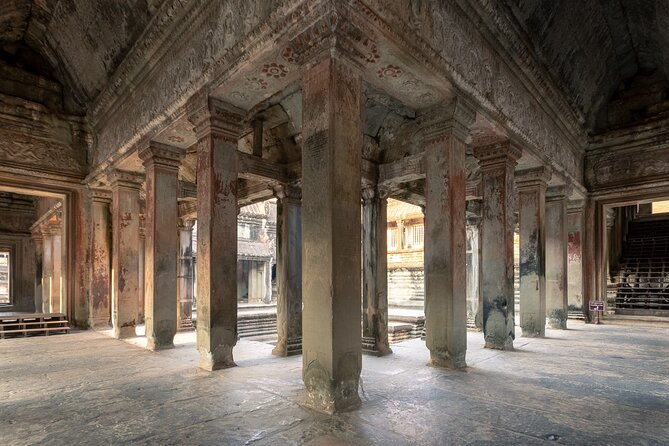
Banteay Srei lies about 25 kilometers northeast of Angkor’s main temple group. Built in the 10th century and dedicated to Shiva, it is often called the Ladies Temple.
The two-hour visit gives you time to appreciate its smaller scale. Unlike Angkor Wat, Banteay Srei does not overwhelm you with huge galleries and towering causeways. Its appeal is the close detail of the sandstone carving and the careful design of its smaller buildings.
The distance is part of the tradeoff. You spend more time in the vehicle compared with a route that stays inside the central Angkor area, but Banteay Srei adds a distinct style and period to the tour. If you have only seen the headline temples, this is a useful contrast.
Banteay Samre comes next for about an hour. Built in the early 12th century during the reigns of Suryavarman II and Yasovarman II, it is a Hindu temple in the Angkor Wat style. Its position near the East Baray makes it a good companion to Banteay Srei, since you continue seeing temples beyond the busiest central circuit.
Pre Rup follows with another hour. This temple mountain was built in 961 or early 962 as the state temple of King Rajendravarman. Brick, laterite, and sandstone give it a different look from the main Angkor Wat complex.
By this point, the schedule has covered several temple forms and periods. That variety is valuable, but it also creates a lot of climbing and repeated exposure to heat. Keep your expectations sensible. You may appreciate the guide’s explanations more if you pace yourself rather than trying to inspect every carving at every stop.
Kompong Phluk: a change from stone to water
The final major experience is Kompong Phluk, a collection of villages built largely on stilts along Tonle Sap. The name means Harbor of the Tusks, and fishing is central to the community’s way of life.
The boat trip lasts about three hours. This is a welcome change after two days of temple walls, stairs, and courtyards. Instead of focusing on royal architecture, you see a community shaped by the lake and seasonal water levels. During Cambodia’s wet season, from May through October, fishing is especially important to local livelihoods.
The motorized boat fee is included, which removes one extra charge from the day. You should still confirm exactly how the village visit fits with the temple schedule, since weather and water conditions can affect a boat outing.
There is also an alternative to Kompong Phluk. You may choose a three-hour temple circuit covering Preah Khan, Neak Poan, Ta Som, and East Mebon. This option makes sense if you want to stay focused on Angkor architecture or prefer not to take a boat.
The choice is an important one. Kompong Phluk broadens the trip beyond temples and gives you a look at life on Tonle Sap. The alternative temple route gives you more ruins and keeps the day centered on archaeology. Ask your guide to explain the timing and choose before the schedule becomes rushed. The tour returns to town at about 5:00 p.m.
Transport, guiding, and the private format
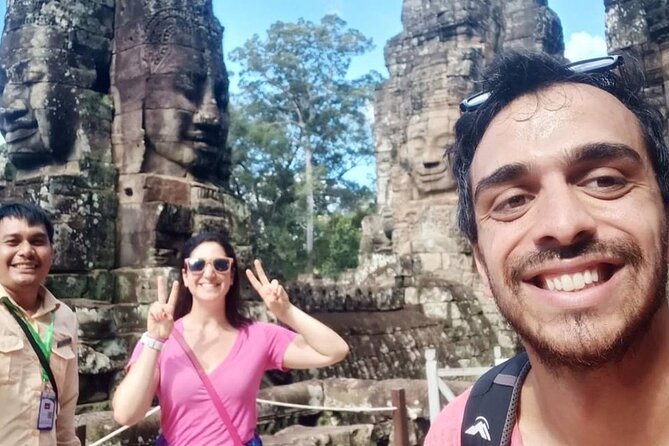
Private touring changes the pace. You are not waiting for a bus full of people or following a fixed group routine, and your guide can respond to your walking speed and interests. The vehicle is air-conditioned for hotel transfers and temple travel, which is a major comfort in a two-day program.
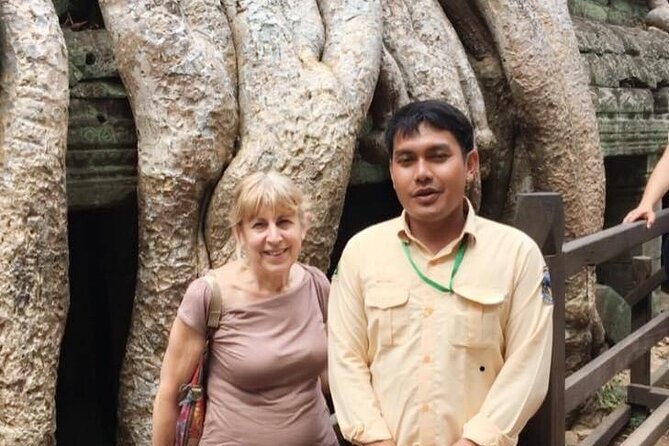
The strongest praise has gone to the guides and drivers. Mr. Choup is described as an excellent guide who helped a couple see everything they wanted and more. Seng was also praised for clear temple explanations and for adding Tonle Sap to the plan. Those comments point to the practical value of a good guide here: the monuments are impressive, but context helps you tell one king, temple style, and religious change from another.
An English-speaking guide is included, but guiding quality can vary by individual. You can improve the experience by telling your guide what matters to you at the start. You might want more architectural detail, more time for photographs, fewer climbing stops, or a stronger focus on daily life around the lake.
Pickup and drop-off at your accommodation are included. The tour is not designed for children under three, and the operator says most people can participate, provided they can walk normally. That is a useful distinction. You do not need to be an athlete, but you should be comfortable with extended walking and temple stairs.
The main strengths and limits
I see five clear strengths:
- The itinerary covers the central Angkor temples and the smaller outlying sites.
- Angkor Wat receives both an afternoon visit and a sunrise return.
- A private vehicle makes the long days easier to manage.
- The guide and driver can shape the day around your group.
- Kompong Phluk adds a living community and boat ride to the temple focus.
The limits are just as clear. Temple admission is a substantial extra cost, meals are not included, and the two days are physically demanding. The schedule also leaves little room for wandering without a plan.
The final stop is not fully fixed, since Kompong Phluk can be replaced by Preah Khan, Neak Poan, Ta Som, and East Mebon. That flexibility is useful, but you should confirm your preferred option rather than assume the boat trip is automatic.
Free cancellation is available if you cancel at least 24 hours before the start time. Changes or cancellations inside that window are not accepted for a refund.
Who should book this Angkor tour?
I would choose this tour if you want the major Angkor sites, a knowledgeable local guide, private transport, and a village excursion without arranging each piece yourself. It suits couples, families with older children, and small groups who value flexibility and do not mind long sightseeing days.
I would think twice if you want a relaxed schedule, have difficulty with stairs, or prefer to spend an entire day at only one or two temples. You should also compare the final cost after adding the pass and meals.
At $130, the tour offers good convenience for two full days, especially when shared by several people. Book it for broad coverage, guide support, and the useful contrast between Angkor’s stone temples and Kompong Phluk’s water-based community. Skip it if you want a slow, minimalist visit or if the physical demands sound tiring rather than exciting.
FAQ
Where does this tour take place?
The tour is based in Siem Reap, Cambodia, and visits Angkor Archaeological Park, Banteay Srei, Banteay Samre, Pre Rup, and Kompong Phluk.
How long does the tour last?
It lasts approximately two days, with sightseeing scheduled from the morning of Day 1 through about 5:00 p.m. on Day 2.
What time does pickup begin?
The stated start time is 8:30 a.m. The vehicle departs from your accommodation at the tour start time.
Is hotel pickup included?
Yes. Pickup and drop-off at your accommodation are included.
Is this a private tour?
Yes. Only your group participates in the activity.
Is the temple pass included in the price?
No. Temple passes are not included. The supplied information lists a two-day pass at $67 per person, while also giving ticket office prices of $62 for three days and $72 for seven days.
Is the Kompong Phluk boat included?
Yes. The fee for the motorized boat is included.
Are meals included?
No. Meals, soft drinks, and alcohol are not included.
Is the tour suitable for children under three?
No. The tour is not available for children under three years old.
Just added around Siem Reap
- Private Battambang Full-Day Guided Tour★ 4.5 · 3 reviews
- Kulen Mountain, Beng Mealea and Banteay Srei Full Day Tour★ 5.0 · 3 reviews
- Kompong Pluk Tour★ 5.0 · 3 reviews
- Private 3 Day Tour to Discover the ancient temples★ 5.0 · 3 reviews
- Kulen National Park Ticket -Waterfall & 1000 Lingas★ 5.0 · 3 reviews
- Cambodia: Absolute Traditional Dance Show with Buffet Dinner★ 5.0 · 3 reviews
- Border Transfer (Siem Reap to Laos/Laos to Siem Reap)★ 3.5 · 3 reviews
- Best Taxi Siem Reap to Battambang – English Speaking Driver★ 4.5 · 3 reviews
2-Day Experiences, compared.

Angkor Wat 2-Day Tour with Sunrise and Sunset
Read our review →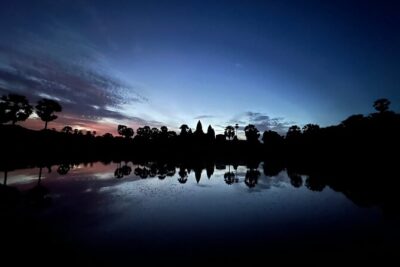
Angkor 2-Day Sunset & Sunrise Small-Group Tour
Read our review →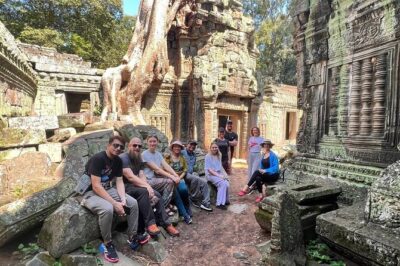
2 Days Exclusive Temple Highlights with Sunset and Sunrise Tour
Read our review →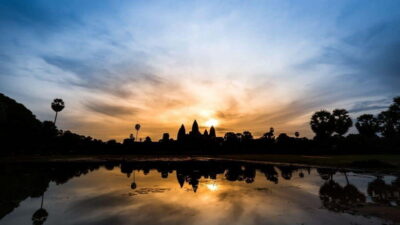
Angkor Sunrise 1- or 2-Day Guided Temples Tour
Read our review →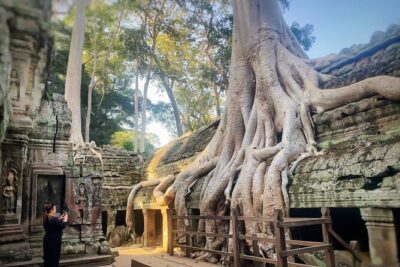
2-Day Angkor Wat With Small, Big Circuit and Banteay Srei Tour
Read our review →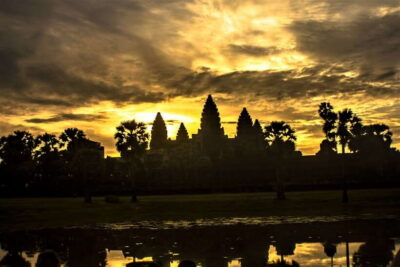
2-Day Temple Highlights Sunrise and Sunset Option
Read our review →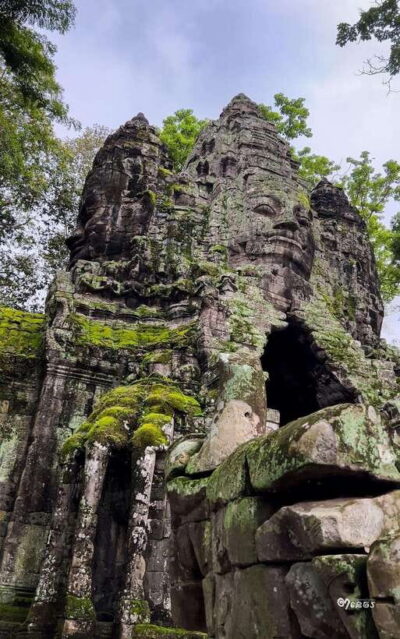
Angkor Wat 2-Day complex Sun rise & Sun set with Guided Tour
Read our review →Browse the lists this tour appears in