
Reviewed · 2-DAY EXPERIENCES
2-Days in temples and other areas
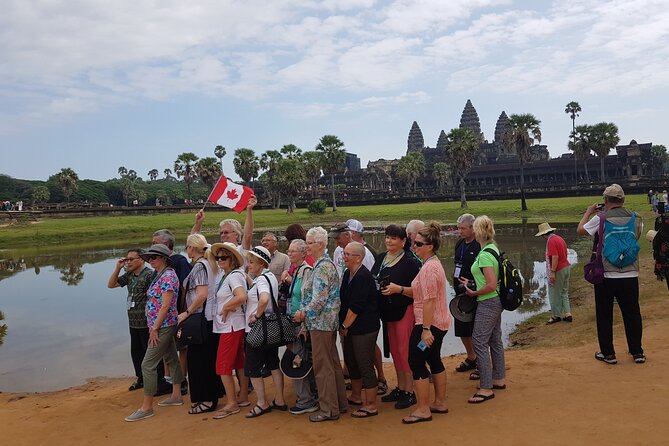
Angkor rewards an early start. This private two-day tour gives you a useful first look at Siem Reap’s major temple area, then follows with quieter ruins, Banteay Srei, and Tonle Sap Lake. I like the combination of famous sights and less-visited places, and I also like having a guide and private vehicle rather than moving with a large group.
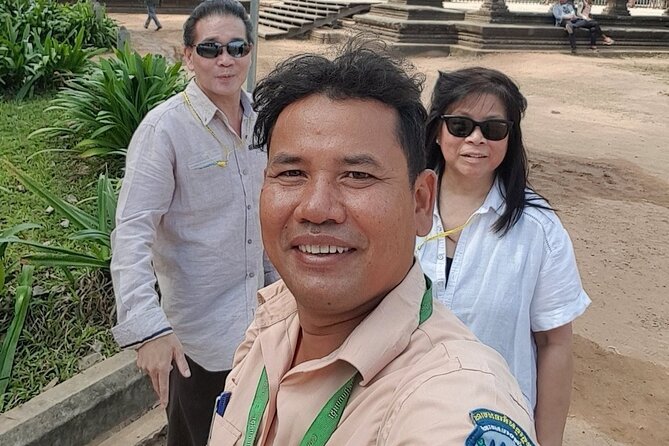
I especially like the flexible approach associated with guide Narin, who has adjusted start times, temple choices, and walking pace for different groups. The main drawback is cost: at $261, you still pay separately for temple admission, meals, and the boat at Tonle Sap. That can make the final bill noticeably higher than the advertised price.
In This Review
- Key points to know before booking
- Day one starts with Angkor Thom and Bayon
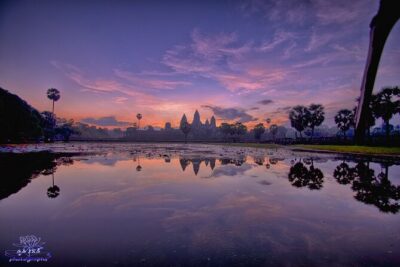
- Angkor Wat deserves unhurried time
- Ta Prohm brings a different kind of atmosphere
- Day two reaches Preah Khan and Neak Pean
- Pre Rup adds an older Hindu temple
- Banteay Srei is the day’s special detour
- Tonle Sap adds life beyond the stones
- A private vehicle is a real advantage
- What the $261 price really buys you
- Who should book this two-day program?
- Should you book it?
- FAQ
- How long is the tour?
- What is included in the tour?
- Are temple admission tickets included?
- Are meals included?
- Is the Tonle Sap boat included?
- Is this a private tour?
- Where does the tour start?
- What should I wear to Angkor Wat?
- Can the tour be canceled for bad weather?
Key points to know before booking
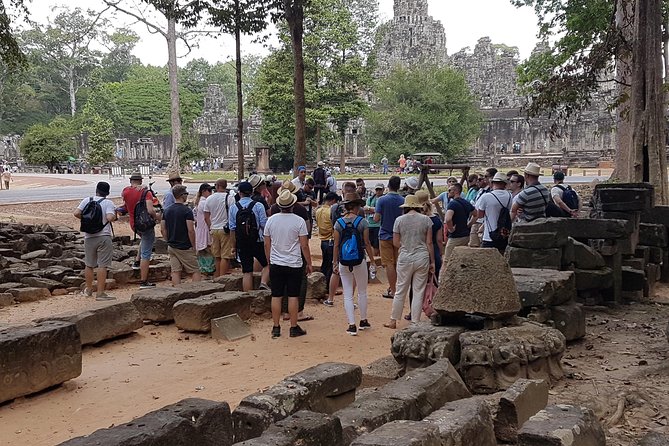
- Angkor Wat, Bayon, and Ta Prohm come first: The opening day covers the three temples most visitors hope to see.
- Day two reaches beyond the standard circuit: Preah Khan, Neak Pean, Pre Rup, and Banteay Srei add variety and quieter corners.
- A private guide changes the pace: You can start earlier, spend more time at a favorite temple, or move on when the heat sets in.
- Tonle Sap is an optional-cost finish: The famous floating villages are included in the plan, but the boat fee is paid by you.
- Meals and temple tickets are not included: Budget for both, plus the Tonle Sap boat if you take that part of the day.
- Expect a full sightseeing schedule: The second day is listed at about seven hours, and the two-day program requires moderate physical fitness.
Day one starts with Angkor Thom and Bayon
Your guide picks you up at your hotel in Siem Reap and takes you into the Angkor Archaeological Park. The first major stop is Angkor Thom, the large ancient city that contains several important temples and monuments.
The plan then brings you to the Bayon complex. Bayon is famous for its carved stone faces, which give the temple a very different mood from Angkor Wat. I find it a good early stop because it immediately shows you that Angkor is not just one temple, but a wide area filled with buildings from different periods and rulers.
Your guide’s role matters here. Without help, it is easy to see the faces, snap a few photographs, and move on without understanding how Bayon fits into Angkor Thom. A good explanation turns the stone galleries and towers into a clearer story, while still leaving you time to look around at your own pace.
The private format also helps if your group has mixed interests. You might want to focus on carvings, photography, architecture, or simple orientation. The supplied vehicle, driver, and bottled water mean you can return to a cooler ride between walks instead of treating every transfer as another long outing.
A few more trips worth weighing up
- Siem Reap: Angkor Wat 2-Day Tour with Sunrise and Sunset
★ 4.9 · 4,429 reviews - Angkor 2-Day Sunset & Sunrise Small-Group Tour
★ 5.0 · 2,567 reviews - 2 Days Exclusive Temple Highlights with Sunset and Sunrise Tour
★ 5.0 · 1,157 reviews
Angkor Wat deserves unhurried time
Angkor Wat is the centerpiece of the first day. It is also the place most likely to feel busy, so the schedule matters. Starting early can help you avoid some of the strongest heat, and Narin has been willing to begin earlier than planned for that reason.
I like that this is not presented as a rushed one-day dash. You have two days for the area, allowing Angkor Wat to be seen alongside other major temples rather than consuming the entire visit. The temple’s scale can be hard to grasp at first. You move through broad approaches, galleries, courtyards, and carved details, and the experience works better when you have time to pause.
Dress carefully. One person arrived in shorts without realizing that Angkor Wat requires covered knees and shoulders. Narin helped by arranging borrowed clothing through another guide. That was a generous solution, but it is better to avoid the problem. Wear clothing that covers your shoulders and knees before leaving your hotel.
The temple admission ticket is not included in the $261 price. You will need to arrange the required temple ticket separately, and the tour information describes it as a paper ticket. Put this cost into your budget from the beginning.
Ta Prohm brings a different kind of atmosphere
Ta Prohm is the third major stop listed for day one. Its stone structures and tree growth create a setting unlike the open scale of Angkor Wat or the face towers of Bayon. The result is a more enclosed, atmospheric visit, with corridors and courtyards that feel less formal and more tangled.
I like the way Ta Prohm rounds out the first day. You see a grand religious monument, a city temple complex, and then a ruin where nature has become part of the visual experience. It also gives your guide a chance to explain how different temples served different roles and changed over time.
This is still an active sightseeing day, not a gentle stroll. The tour requires moderate physical fitness, and you should expect walking over uneven temple surfaces. Comfortable shoes and water will make the day easier. The tour supplies water, but you should still treat the heat seriously and use the vehicle breaks well.
Lunch takes place in the Angkor Archaeological Park, but you pay for it yourself. The guide can help point you toward local restaurants, and Narin has taken groups to good places for lunch. Still, restaurant choice and meal price are not part of the tour fee, so ask about the options and cost before ordering.
After the temples, the vehicle returns you to your hotel. The evening is free. The tour team recommends a traditional Khmer dance show or Khmer circus, along with local restaurants. These are suggestions, not included activities, and you pay for them separately.
Day two reaches Preah Khan and Neak Pean
The second day moves beyond the best-known trio. Preah Khan lies northeast of Angkor Thom and was built by King Jayavarman VII. The central sanctuary was dedicated in 1191, and the temple may also have served as the king’s temporary residence while Angkor Thom was being built.
For me, Preah Khan is valuable because it adds scale and context. After the famous temples on day one, you get another large complex with its own arrangement of halls, passages, and carved stonework. It helps you see how much of Angkor remains beyond the most photographed locations.
Neak Pean provides a sharp change of setting. This small island temple sits in the center of the Jayatataka baray, an ancient reservoir. The approach and the island setting make it different from the enclosed temple compounds you see elsewhere.
Neak Pean is not simply another large ruin to tick off. Its position in the water gives the stop a clear connection to Angkor’s old hydraulic system. If you enjoy seeing how temples relate to their surroundings, this is one of the more useful stops on the second day.
A completely different kind of day out from Siem Reap:
- Angkor Wat Sunrise or Sunset Tour with Guide from Siem Reap
★ 5.0 · 12,109 reviews - Siem Reap: Angkor Wat: Small-Group Sunrise or Sunset Tour
★ 5.0 · 9,444 reviews - From Siem Reap: Kampong Phluk Floating Village Tour by Boat
★ 4.9 · 6,979 reviews - Sunset tour of Kampong Phluk stilts home village on the Tonle Sap
★ 5.0 · 4,865 reviews
Pre Rup adds an older Hindu temple
Pre Rup was built as the state temple of Khmer king Rajendravarman and dedicated in 961 or early 962. It is a Hindu temple dedicated to Shiva, and its brick and laterite construction gives it a different appearance from the sandstone-heavy monuments that dominate many visitors’ mental picture of Angkor.
I appreciate having Pre Rup in the program because it broadens the historical range of the tour. You are not seeing only the 12th century buildings associated with Jayavarman VII. You are also looking at an earlier state temple and a different phase of Khmer religious architecture.
The information supplied does not give a precise visit length or detailed route between stops. That is worth keeping in mind. Day two includes several major sites, so the amount of time at each one may depend on heat, traffic, your interests, and the guide’s judgment.
Banteay Srei is the day’s special detour
Banteay Srei dates from the 10th century and was dedicated to the Hindu gods Shiva and Parvati. It is often treated as a special stop because its scale and carved decoration differ from the huge temple compounds closer to Angkor Thom.
The drive out also helps you see more of Siem Reap Province rather than spending both days inside the same central temple circuit. I would choose this tour partly for that change of pace. You get the headline monuments, but you also reach a site with a distinctly different character.
The schedule is full. After lunch, the plan continues to Tonle Sap Lake and its floating villages. If you are most interested in detailed temple study, you may find day two ambitious. If you want a broad introduction to the area, the range is a strength.
Tonle Sap adds life beyond the stones
The final major part of day two is Tonle Sap Lake, including its famous floating villages. The boat is not included, and you pay that cost yourself. This is an important practical point because the $261 price covers the guide, car or van, and water, but not the lake excursion.
I like the contrast. Angkor shows you monumental stone architecture and royal religious centers. Tonle Sap shifts attention to present-day life on and around the lake. The floating villages offer a different way to understand the Siem Reap area, though the experience depends on the boat arrangement and conditions on the day.
The tour information does not specify the boat operator, boat duration, or exact village visited. I would ask about those details before committing to the ride. You should also keep some flexibility in your expectations, since the tour requires good weather and may be rescheduled or refunded if poor weather prevents the outing.
A private vehicle is a real advantage
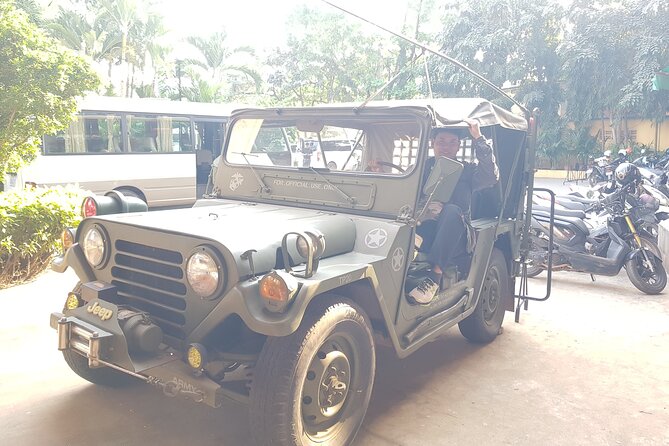
The package includes a guide, car or van, and water. Pickup is offered from your hotel, with the meeting point listed as Krong Siem Reap. Since this is a private activity, only your own group participates.
That privacy is more than a label. Angkor days involve heat, walking, photographs, and frequent decisions about how long to stay. A private guide can adjust the pace instead of following a fixed group timetable. Narin has been praised for shifting start times, adapting the route to interests, and helping with practical problems such as temple clothing.
The vehicle also gives you a place to rest between sites. This matters more than it may sound. A two-day temple program can become tiring when every stop is treated as a separate physical effort. I would use the ride to cool down, drink water, and reset before the next ruin.
The arrangement is best for couples, families, and small groups that want direct attention. It is less appealing if you prefer to explore without a guide or if you want a very loose schedule with only one or two temples per day.
What the $261 price really buys you
The price is $261 for roughly two days. That works out to about $130.50 per day before separate expenses. The value depends heavily on your group size. For a private group, the price can make sense because it covers the guide, private transportation, hotel pickup, and water across a broad program.
You must add the temple ticket, lunch on both days, and the Tonle Sap boat. Evening entertainment such as Khmer dancing or a circus is also separate. I would compare the total cost, not just the advertised base price.
I see the strongest value in the guide and transport. Reaching several temples, including Banteay Srei and Tonle Sap, is easier with someone handling the driving and route. The tour also gives you local help with restaurant suggestions and timing.
The weaker value appears if you want a narrow itinerary. You may pay for a large program but prefer to spend half a day at Angkor Wat alone. In that case, a shorter private tour could suit you better.
Who should book this two-day program?
I would recommend it to a first-time visitor with two days in Siem Reap who wants the major Angkor temples plus several additional sites. It is also a good fit for families and small groups that value a private vehicle, flexible timing, and a guide who can respond to the group.
You should have moderate physical fitness. The plan includes temple walking over uneven ground, several stops each day, and a full second day of sightseeing. If heat affects you quickly, ask for an early start and use the vehicle breaks.
I would be more cautious if you dislike scheduled days, do not want to pay for extra admissions and meals, or prefer to explore independently. The itinerary covers a lot, and that breadth comes with some time pressure.
Should you book it?
Book this tour if you want strong coverage in two days, private transport, and help making sense of a very large temple area. The biggest strengths are the mix of Angkor Wat, Bayon, and Ta Prohm with Preah Khan, Neak Pean, Pre Rup, Banteay Srei, and Tonle Sap.
Before booking, confirm the temple ticket process, meal arrangements, and Tonle Sap boat cost. Also plan proper clothing for Angkor Wat and request an early start if you want to limit the worst heat. With those details handled, this is a practical way to see both the great stone monuments and a living lake community around Siem Reap.
FAQ
How long is the tour?
The experience lasts approximately two days. The second day is listed as about seven hours.
What is included in the tour?
The tour includes a guide, car or van transportation, water, and pickup service.
Are temple admission tickets included?
No. Temple tickets are not included and must be paid for separately. The tour information refers to a paper ticket.
Are meals included?
No. Lunch is not included on either day. You pay for food yourself.
Is the Tonle Sap boat included?
No. The boat at Tonle Sap Lake is paid for by you.
Is this a private tour?
Yes. Only your own group participates in this private activity.
Where does the tour start?
The listed starting point is Krong Siem Reap, Cambodia, with pickup offered from a hotel.
What should I wear to Angkor Wat?
Angkor Wat requires covered knees and shoulders. Plan suitable clothing before pickup.
Can the tour be canceled for bad weather?
Yes. The experience requires good weather. If poor weather causes cancellation, you will be offered a different date or a full refund. Free cancellation is available up to 24 hours before the start time.
Just added around Siem Reap
- Private Battambang Full-Day Guided Tour★ 4.5 · 3 reviews
- Kulen Mountain, Beng Mealea and Banteay Srei Full Day Tour★ 5.0 · 3 reviews
- Kompong Pluk Tour★ 5.0 · 3 reviews
- Private 3 Day Tour to Discover the ancient temples★ 5.0 · 3 reviews
- Cambodia: Absolute Traditional Dance Show with Buffet Dinner★ 5.0 · 3 reviews
- Kulen National Park Ticket -Waterfall & 1000 Lingas★ 5.0 · 3 reviews
- Border Transfer (Siem Reap to Laos/Laos to Siem Reap)★ 3.5 · 3 reviews
- Best Taxi Siem Reap to Battambang – English Speaking Driver★ 4.5 · 3 reviews
2-Day Experiences, compared.

Angkor Wat 2-Day Tour with Sunrise and Sunset
Read our review →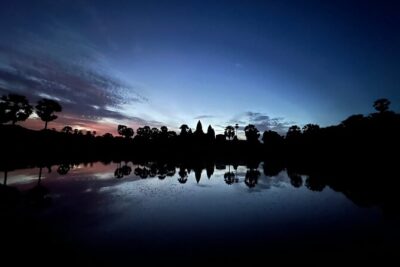
Angkor 2-Day Sunset & Sunrise Small-Group Tour
Read our review →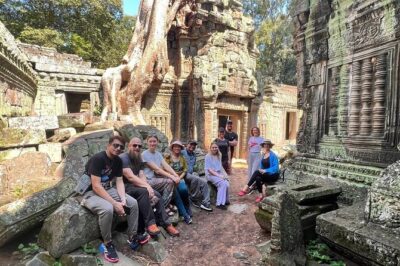
2 Days Exclusive Temple Highlights with Sunset and Sunrise Tour
Read our review →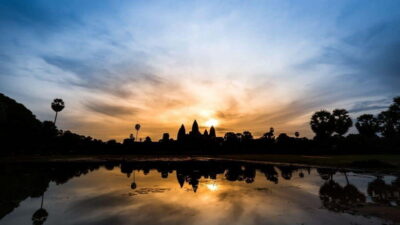
Angkor Sunrise 1- or 2-Day Guided Temples Tour
Read our review →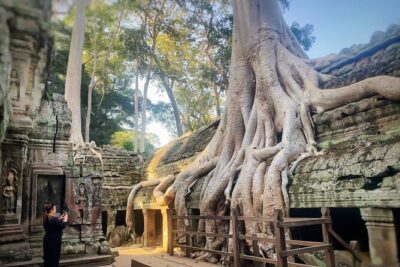
2-Day Angkor Wat With Small, Big Circuit and Banteay Srei Tour
Read our review →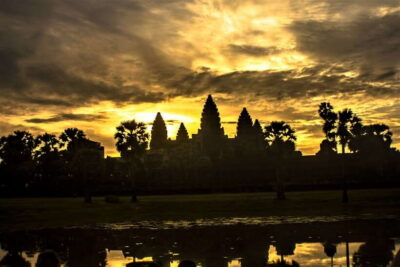
2-Day Temple Highlights Sunrise and Sunset Option
Read our review →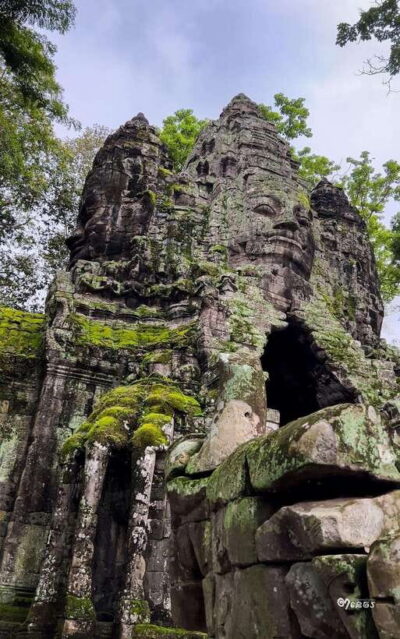
Angkor Wat 2-Day complex Sun rise & Sun set with Guided Tour
Read our review →Browse the lists this tour appears in