
Reviewed · 2-DAY EXPERIENCES
Private Two Days Siem Reap Temples Discovery Guided Tour
Siem Reap rewards a slower look. This private two-day tour pairs the famous Angkor temples with Phnom Kulen, a palm-sugar village, Kompong Phluk, and Tonle Sap Lake, giving you more than a temple checklist. I like the private car and flexible guide service, and I like the chance to see daily life beyond the Angkor complex. The main consideration is cost: the advertised $150 per person does not include several important entrance and boat fees.
The tour suits you best if you want a guide to handle the driving, explain Cambodia’s past, and adjust the pace for your group. Guides named in past experiences include Lux, Ngoun, Ran, and Chang, with drivers such as Leak and Phana also receiving warm praise for their care and reliability. Plan for long days, uneven temple ground, heat, and a fairly full second day.
In This Review
- Key points at a glance
- Why this two-day route works
- Day one: Angkor Wat at a sensible morning hour
- Angkor Thom and Bayon: faces, gates, and royal scale
- Ta Nei and Srah Srang: a quieter change of pace
- Ta Prohm: famous, atmospheric, and busy by reputation
- Day two: add sunrise only if you want it
- Phnom Kulen: mountain religion and palm sugar
- Prasat Bakong and the road back toward the lake
- Kompong Phluk: stilt houses and Tonle Sap access
- Tonle Sap views and the return to Siem Reap
- What the $150 price really covers
- Guide quality and the private-tour advantage
- Who should book this tour?
- Should you book it?
- FAQ
- Is hotel pickup included?
- What entrance fees are extra?
- Is the Angkor Wat sunrise included?
- Are meals included?
- How physically demanding is the tour?
- Is this a private tour?
Key points at a glance
- Angkor’s essential temples in one day: Angkor Wat, Angkor Thom, Bayon, Ta Nei, and Ta Prohm form a strong first-day route.
- A private vehicle makes the schedule easier: Hotel pickup, drop-off, cool drinking water, and your own group mean less waiting around.
- Day two reaches beyond the main temple zone: Phnom Kulen, a palm-sugar village, Prasat Bakong, Kompong Phluk, and Tonle Sap add variety.
- Budget at least $227 per person before lunch: The listed fees add $37 for the temple pass, $20 for Phnom Kulen, and $20 for the Kompong Phluk boat.
- Sunrise is optional and costs extra: You can add an Angkor Wat sunrise trip, return to the hotel for breakfast, and begin again around 10 a.m.
- The tour is active: Expect walking, temple steps, outdoor heat, a mountain visit, and a boat ride.
Why this two-day route works
Siem Reap can easily become an exhausting parade of stone towers. This route avoids that problem by mixing major monuments with rural stops and water views.
Day one is built around the best-known Angkor sites. Day two shifts to the countryside and Tonle Sap region, where the focus is less on grand stonework and more on local work, religious places, village life, and the geography of Cambodia’s largest freshwater lake.
I like that balance. You get the monuments you came to see, but you also see why Siem Reap is more than an entrance point for Angkor. The private format matters here because your guide can spend more time explaining details, and you do not have to match the rhythm of a large bus group.
The schedule begins at 9 a.m. on day one with hotel pickup. A guide meets you, explains the plan, and introduces the day before you set off. The tour includes private transport, an English-speaking guide for both days, drinking water, and hotel pickup and return.
A few more trips worth weighing up
- Siem Reap: Angkor Wat 2-Day Tour with Sunrise and Sunset
★ 4.9 · 4,429 reviews - Angkor 2-Day Sunset & Sunrise Small-Group Tour
★ 5.0 · 2,567 reviews - 2 Days Exclusive Temple Highlights with Sunset and Sunrise Tour
★ 5.0 · 1,157 reviews
Day one: Angkor Wat at a sensible morning hour
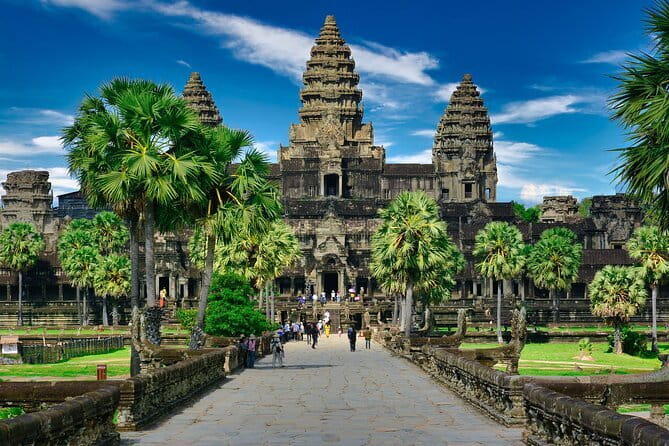
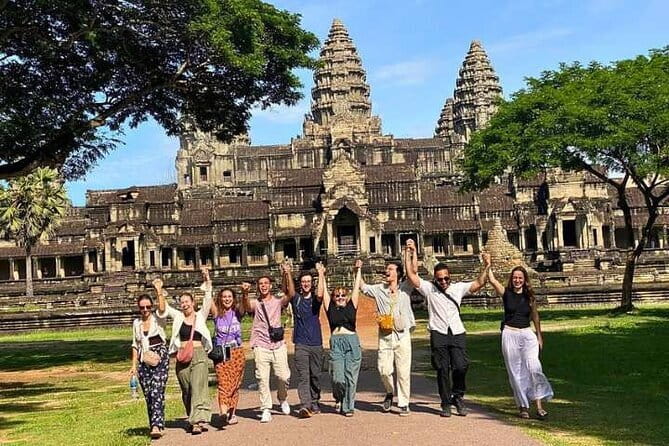
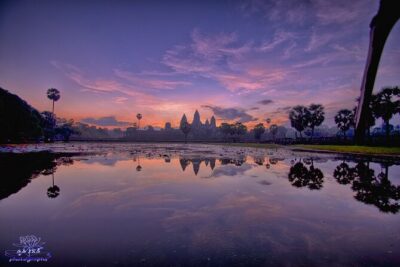
Your first major stop is Angkor Wat, the enormous temple complex that has become Cambodia’s national symbol. You have about 90 minutes here, with the guide providing background as you walk through the site.
Starting at 9 a.m. means you are not being asked to make an early morning start unless you choose the optional sunrise add-on. That makes the first day easier for people arriving after a flight, families, or anyone who prefers breakfast before temple exploring.
Still, 90 minutes is not a great deal of time for Angkor Wat. You can see key areas and listen to an introduction, but you should not expect a slow examination of every gallery and carving. If Angkor Wat is your main reason for coming, tell the guide early that you want enough time for the parts that matter most to you.
The Angkor temple pass is not included. The stated price is $37 per person for day one, so add that to your budget before booking.
Angkor Thom and Bayon: faces, gates, and royal scale
After Angkor Wat, a short drive takes you to Angkor Thom, the former capital city. The stop is listed at about 30 minutes, though the area includes several important sites and may feel larger than that brief time suggests.
Angkor Thom once supported a huge population for its era. Here, your guide can help you understand the city as a planned royal center rather than a single temple. That context makes the later visit to Bayon easier to appreciate.
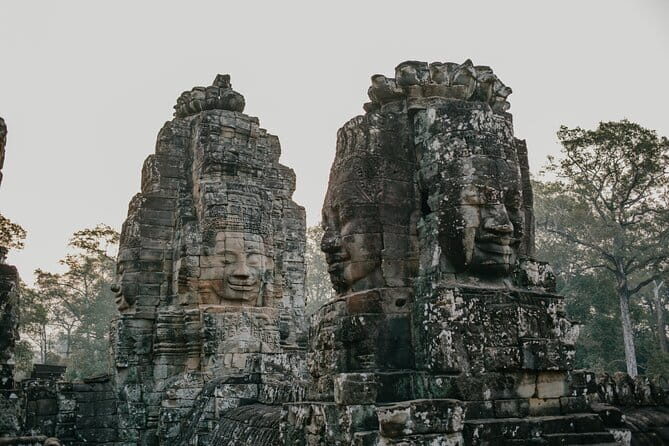
Bayon sits near the center of Angkor Thom and receives about 90 minutes. This is one of the strongest parts of the route. The temple is famous for its large carved faces, but it also rewards a closer look at the bas-reliefs and the way the towers crowd around you.
Nearby are Baphuon, the Elephant Terrace, the old Royal Palace area, and Phimeanakas, identified in the tour details as Pallilay. The schedule does not promise a full visit to each one, so ask your guide how the time will be divided.
This is a good place to use the guide actively. Point to a carving, ask what it shows, and ask how Bayon differs from Angkor Wat. Past experiences particularly praise guides such as Ran and Ngoun for explaining stories, details, and local context rather than simply naming each structure.
Ta Nei and Srah Srang: a quieter change of pace
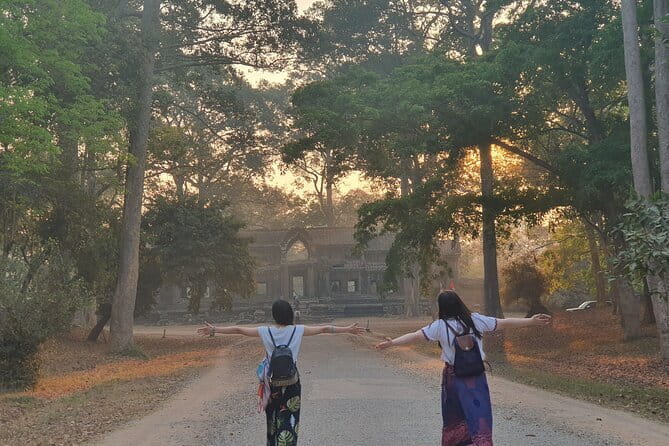
Ta Nei is a short stop of around 15 minutes. Compared with Angkor Wat, Bayon, and Ta Prohm, it is a much smaller part of the day, but that is also its appeal.
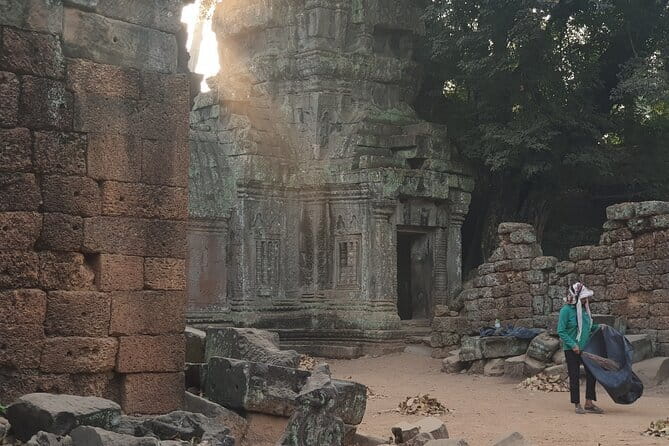
The tour describes it as a jungle temple that can make you feel as if you have gone back in time. Keep your expectations realistic: the listed visit is brief. You are getting a quick look and an explanation, not an extended archaeological visit.
Next comes Srah Srang, where you have about an hour for lunch. Restaurants in the area offer Khmer and Western food, and the guide can recommend a place. Lunch is not listed among the included services, so you should pay for your own meal.
This pause is useful. The first half of the day includes several major sites, and a seated meal gives you a chance to cool down before the afternoon. If you want Cambodian food, this is a natural point to ask for a local dish. If you prefer familiar food, Western options are available.
A completely different kind of day out from Siem Reap:
- Angkor Wat Sunrise or Sunset Tour with Guide from Siem Reap
★ 5.0 · 12,109 reviews - Siem Reap: Angkor Wat: Small-Group Sunrise or Sunset Tour
★ 5.0 · 9,444 reviews - From Siem Reap: Kampong Phluk Floating Village Tour by Boat
★ 4.9 · 6,979 reviews - Sunset tour of Kampong Phluk stilts home village on the Tonle Sap
★ 5.0 · 4,865 reviews
Ta Prohm: famous, atmospheric, and busy by reputation
After lunch, you visit Ta Prohm for about 45 minutes. Many people know it from the film Tomb Raider, but its appeal is not limited to movie fame.
Tree roots wind through the temple remains, creating the dramatic mix of stone and vegetation that makes Ta Prohm so memorable. Your guide explains the site as you walk, which helps you look beyond the most photographed corners.
Forty-five minutes can work for a focused visit, but it will feel short if you want to linger for photographs. The tour is private, so ask for a little extra time if the day’s schedule allows. The trade-off is that more time at Ta Prohm may reduce time elsewhere.
On the way back to Siem Reap, you may have the option to visit Sacha, described as a local antique shop and incubation center, or the APOPO Rat Center, where trained rats are used in landmine detection. You can also choose to return directly. These stops give the afternoon a local angle, but they are optional, so confirm what is open and how much time remains.
Day two: add sunrise only if you want it
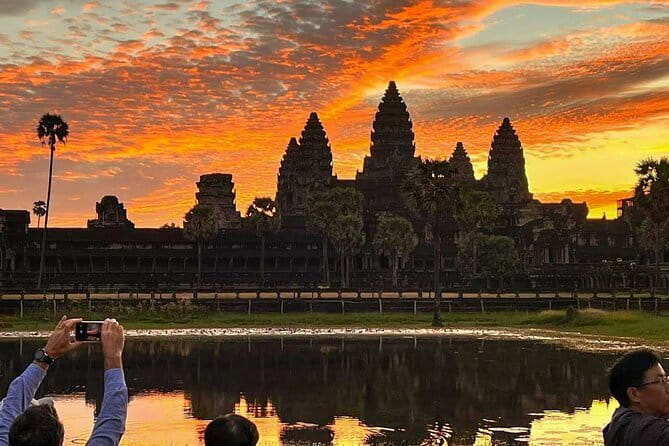
The second day begins in Siem Reap, with the possibility of an Angkor Wat sunrise visit for an extra charge. The arrangement is practical: go to the temple for sunrise, return to the hotel for breakfast, then leave again around 10 a.m.
This is a useful option for photographers and early risers. It is less attractive if you already had a long first day or dislike getting up before dawn. Since sunrise is not included in the advertised price, ask for the added cost before agreeing to it.
The regular second-day plan is ambitious. It combines a mountain national park, a historic temple, a village, and Tonle Sap Lake. Private transport helps, but you should still expect a long day on the road.
Phnom Kulen: mountain religion and palm sugar
Phnom Kulen National Park receives about three hours, making it the longest single stop on day two. On the way, you also visit a local palm-fruit village where people make sugar from palm sap.
That village stop adds something the temple circuit cannot: a look at a traditional rural product and the work behind it. The tour is not only about photographing finished sights. It gives you a chance to see a local activity connected to Cambodian food and village life.
At Phnom Kulen, the route includes the largest reclining Buddha carved into the mountain hills and the 1,000 Lingas, carvings connected with Hindu religious practice. These are very different from the enclosed temple spaces visited on day one.
The park entrance fee is not included and is listed at $20 per person. The three-hour allocation suggests a substantial visit, but the tour does not specify the exact walking distance or number of steps. The stated requirement for moderate physical fitness matters here. Wear practical shoes, carry water, and tell the guide if heat or uneven ground is a concern.
Prasat Bakong and the road back toward the lake
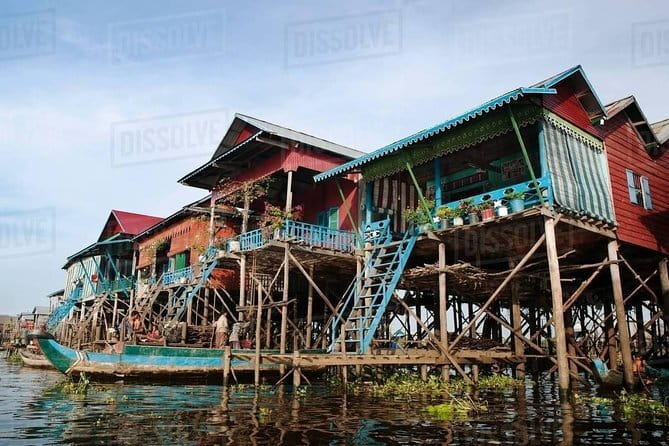
After Phnom Kulen, the tour travels down toward the route to Kompong Phluk and stops at Prasat Bakong. The schedule gives this stop about an hour, including a lunch break at Steong Trocheak Restaurant.
Prasat Bakong changes the mood again. It is another historic temple, but the route places it between a mountain visit and a village boat trip. That variety keeps day two from feeling like a repeat of day one.
Lunch at Steong Trocheak is not included in the tour price. Bring enough Cambodian cash or confirm payment arrangements with the guide, as no meal allowance is specified.
Kompong Phluk: stilt houses and Tonle Sap access
After lunch, you visit Kompong Phluk, a local community associated with Tonle Sap Lake. The stop lasts about 90 minutes and includes a boat trip along the river.
The stilt-house village offers a different view of life in the Siem Reap region. Instead of royal stone buildings, you see a community shaped by the water and by the seasonal character of the lake. Your guide can explain the setting and help you understand what you are seeing.
The boat ticket is separate, listed at $20 per person. This is a sizeable extra cost, so include it in your planning rather than treating it as a surprise on the day.
The lake trip is also weather dependent in practical terms, even though no specific weather policy is given. Bring sun protection and keep your phone or camera secure around the water. The tour details describe a river ride through the village, not a long open-water cruise, so expect a focused local visit rather than an all-day lake expedition.
Tonle Sap views and the return to Siem Reap
The final sightseeing stop is a floating restaurant on Tonle Sap Lake, with about 30 minutes for views, photographs, and an explanation of the lake’s geography.
Tonle Sap is the largest freshwater lake in Southeast Asia, and this short stop gives the day a clear ending. After the temples and village, you get a broad view of the water system that supports communities around the region.
The schedule then allows about 45 minutes to return to Siem Reap and finish the tour. Do not book an important evening activity too tightly against the stated end, since road conditions and the day’s timing can affect the return.
What the $150 price really covers
The advertised price is $150 per person, with group discounts available. It covers the private vehicle, English-speaking guide, cool drinking water, and hotel pickup and drop-off.
The required listed extras add up quickly:
- Angkor temple ticket: $37
- Phnom Kulen National Park: $20
- Kompong Phluk boat: $20
That brings the known total to $227 per person, before lunch and before any optional sunrise charge. If you are traveling alone, the private format may feel expensive. For a small group, the price becomes easier to justify because the vehicle and guide serve your party alone, and group discounts may reduce the per-person cost.
I see the value in the transport and guiding. Siem Reap’s sights are spread out, and day two covers a substantial distance. A private guide also gives you a person to ask about temple details, village life, and the practical choices during the day.
Still, this is not an all-inclusive package. Check the full cost before booking, especially if you are watching your budget.
Guide quality and the private-tour advantage
The strongest praise centers on the guides’ personal attention and ability to explain more than dates and names. Lux is described as flexible and generous with personal insights into culture and history. Ngoun receives repeated praise for local knowledge, friendliness, and passion. Ran is singled out for being both well informed and approachable, while Chang is also described as part of an excellent two-day experience.
One especially useful detail is that a guide helped a delayed-arrival visitor get oriented on the ride to the hotel and explain the plan for the following days. That suggests the operator can handle some arrival-day changes, though you should still communicate delays as soon as possible.
Because this is a private activity, only your group takes part. That means you can ask to slow down at Angkor Wat, spend less time at a stop that does not interest you, or make practical adjustments when possible. It does not mean every part of the itinerary can be changed freely, especially where entrance times, driving distances, or the optional stops are involved.
Who should book this tour?
I would choose this tour if you want the major Angkor temples but also want a mountain site, a palm-sugar village, and Tonle Sap in the same package.
It is a good fit for:
- First-time visitors with two full days in Siem Reap
- Small groups that value a private guide and vehicle
- People who want cultural and rural stops alongside monuments
- Visitors who prefer hotel pickup and a planned route
- Anyone comfortable with long, active sightseeing days
I would think twice if you want slow temple photography, dislike early starts and long drives, or want every cost included in one payment. The temple schedule is fairly tight, and day two has a lot of ground to cover.
The operator offers free cancellation up to 24 hours before the start time. Changes or cancellations inside that window are not accepted for a refund, and the cutoff uses local time.
Should you book it?
Book this two-day tour if you want a well-filled introduction to Siem Reap with a personal guide and a useful mix of temples, countryside, and lake life. The route reaches far beyond Angkor Wat, and the private format gives you more control than a standard group excursion.
Before paying, confirm the total cost, the sunrise supplement, the exact day-two departure time, and how much time you will receive at the temples most important to you. If you accept the extra fees and the busy schedule, this is a strong choice for seeing a broad slice of the region without arranging separate transport for every stop.
FAQ
Is hotel pickup included?
Yes. Private transportation includes pickup and drop-off at your hotel in Siem Reap.
What entrance fees are extra?
The Angkor temple ticket is listed at $37 per person for day one. Phnom Kulen National Park is $20 per person, and the Kompong Phluk boat ticket is $20 per person.
Is the Angkor Wat sunrise included?
No. Sunrise at Angkor Wat is optional and carries an additional charge. The plan is to return to the hotel for breakfast afterward and leave again around 10 a.m.
Are meals included?
No. Lunch is not listed as included. Day one allows a lunch break near Srah Srang, where Khmer and Western food are available. Day two includes a lunch stop at Steong Trocheak Restaurant.
How physically demanding is the tour?
The tour requires a moderate level of physical fitness. You should expect walking at temple sites, outdoor heat, uneven ground, and activity at Phnom Kulen and Kompong Phluk.
Is this a private tour?
Yes. Only your group participates, with a private vehicle and an English-speaking guide for both days.
Just added around Siem Reap
- Private Battambang Full-Day Guided Tour★ 4.5 · 3 reviews
- Kulen Mountain, Beng Mealea and Banteay Srei Full Day Tour★ 5.0 · 3 reviews
- Kompong Pluk Tour★ 5.0 · 3 reviews
- Private 3 Day Tour to Discover the ancient temples★ 5.0 · 3 reviews
- Kulen National Park Ticket -Waterfall & 1000 Lingas★ 5.0 · 3 reviews
- Cambodia: Absolute Traditional Dance Show with Buffet Dinner★ 5.0 · 3 reviews
- Border Transfer (Siem Reap to Laos/Laos to Siem Reap)★ 3.5 · 3 reviews
- Siem Reap Countryside Sunset Vespa Tour or Tuk Tuk★ 4.5 · 3 reviews
2-Day Experiences, compared.

Angkor Wat 2-Day Tour with Sunrise and Sunset
Read our review →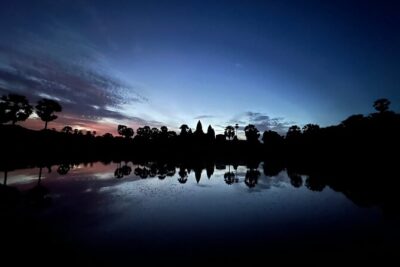
Angkor 2-Day Sunset & Sunrise Small-Group Tour
Read our review →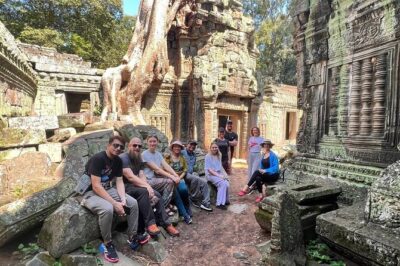
2 Days Exclusive Temple Highlights with Sunset and Sunrise Tour
Read our review →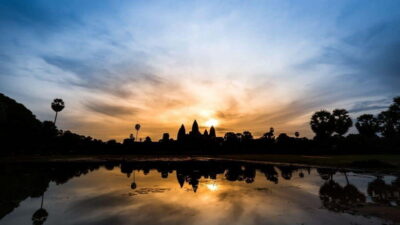
Angkor Sunrise 1- or 2-Day Guided Temples Tour
Read our review →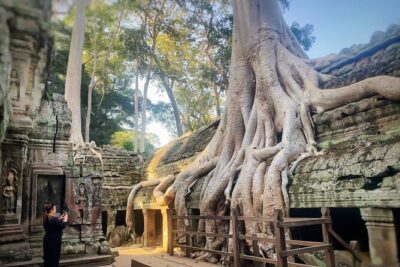
2-Day Angkor Wat With Small, Big Circuit and Banteay Srei Tour
Read our review →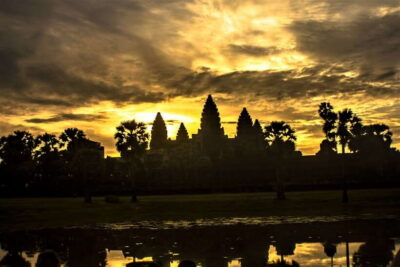
2-Day Temple Highlights Sunrise and Sunset Option
Read our review →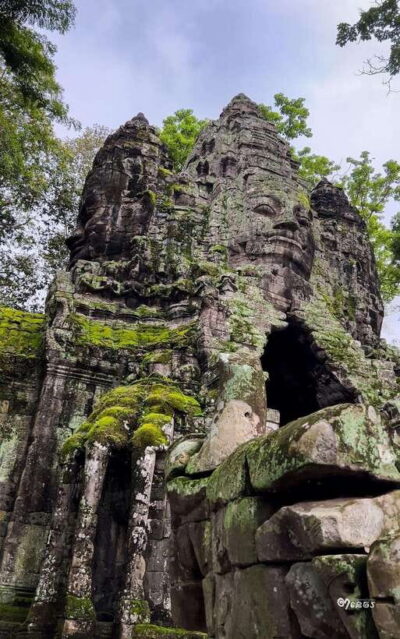
Angkor Wat 2-Day complex Sun rise & Sun set with Guided Tour
Read our review →Browse the lists this tour appears in