
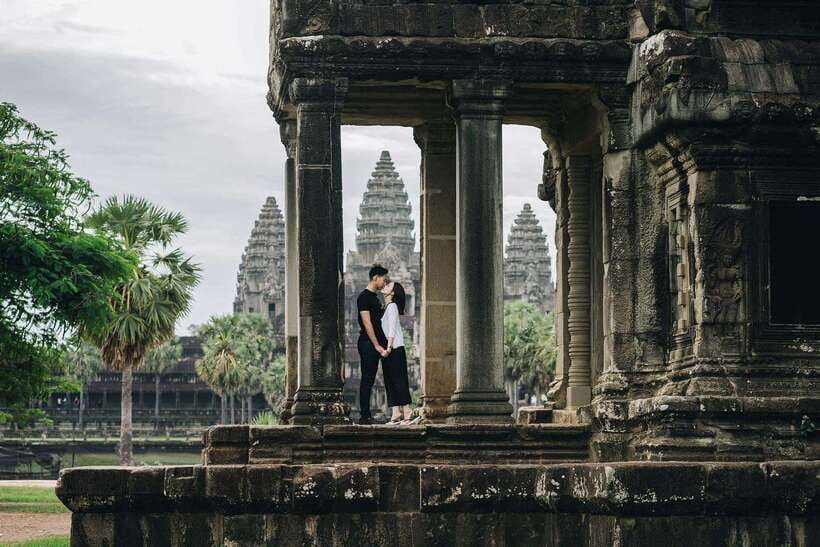
Reviewed · ANGKOR WAT TOURS
Siem Reap: Angkor Wat 2day Big and Small Circuit Guided Tour
Sunrise makes Angkor Wat feel almost unreal. This two-day guided tour gives you a well-planned introduction to Cambodia’s great temple complex, pairing a sunset outing with an early morning visit to Angkor Wat and a full circuit of major and lesser-known temples. At $39 per person, it also includes hotel pickup, air-conditioned van transport, an English-speaking guide, cool water, and refreshment towels.
I like the mix of famous sights and quieter ruins, especially Ta Prohm, Bayon, Preah Khan, and Banteay Kdei. I also like that the guide adds the story behind the stone, from royal power to Buddhist worship and Hindu ritual. The main drawback is that the temple pass and all food cost extra, and the second day begins very early. This is active sightseeing, not a gentle stroll.
In This Review
- Key points before you book
- Why two days works better than one
- Day one: sunset and the Grand Circuit
- Preah Khan and the old royal world
- Neak Pean and water used for health
- Ta Som and the famous tree at the gate
- East Mebon and Pre-Rup
- Phnom Bakheng for sunset
- Day two: sunrise at Angkor Wat
- Ta Prohm, where trees meet stone
- Angkor Thom and Bayon’s smiling faces
- Banteay Kdei and Ta Keo
- What the $39 price really includes
- Guides Sayon and Sam add value
- Who should book this temple tour?
- Should you book it?
- FAQ
- How long does the tour last?
- Is sunrise at Angkor Wat included?
- Is sunset included?
- Is the Angkor temple pass included?
- Are meals included?
- What transport is provided?
- What language does the guide speak?
- Can I join a private group?
- Can I cancel for a refund?
- Is the tour suitable for children or wheelchair users?
Key points before you book
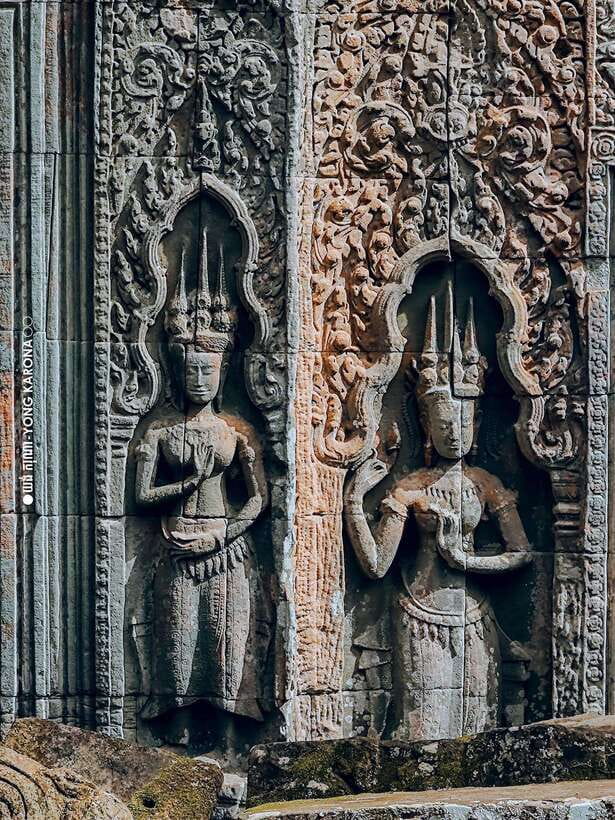
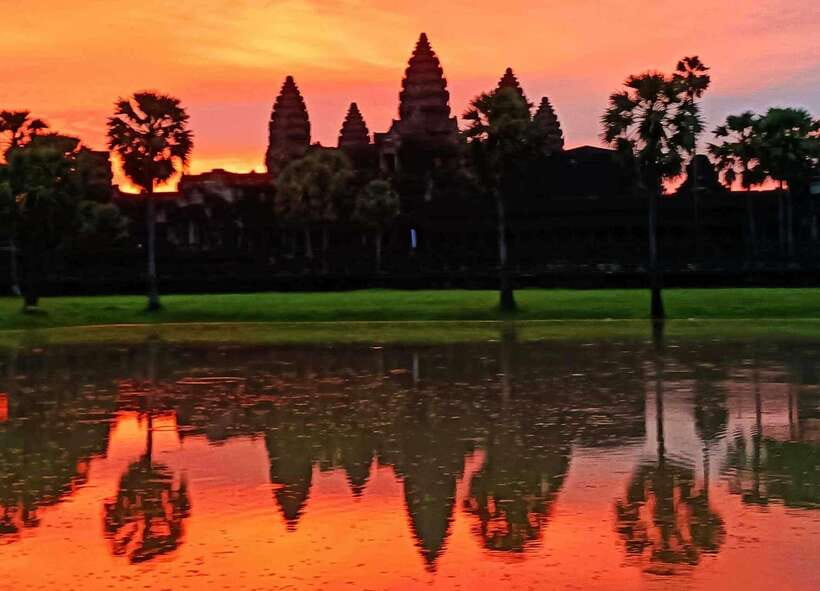
- Sunrise at Angkor Wat: Reach Cambodia’s most famous temple in the cool early hours, when the rising sun lights the towers and reflection pool.
- Two different temple routes: Day one follows the Grand Circuit, while day two covers Angkor Wat and the Small Circuit.
- Strong guide element: Guides such as Sayon and Sam have been praised for explaining temple history, Cambodian culture, and the setting around each monument.
- Air-conditioned transport: Hotel pickup and a van between stops make the heat easier to manage.
- Extra costs to plan for: The $39 price does not include the Angkor temple pass or meals.
- Not built for everyone: Children under 12, wheelchair users, and people with mobility impairments should choose another way to visit.
Why two days works better than one
Angkor is not one temple. It is a huge archaeological area filled with monuments spread across several routes. Trying to see the highlights in one rushed day can turn grand ruins into a blur of doorways and stone faces.
This tour gives you two useful contrasts. The first afternoon and evening focus on temples around the circuit, with a sunset viewpoint included. The second day starts before sunrise and continues through the morning, when temperatures are lower and the light is better for photographs.
The schedule still demands stamina. You will walk over uneven ground, climb temple steps, and get in and out of the van several times. Rest breaks are included, but you should expect a full sightseeing program rather than a slow cultural outing.
The small-group or private format matters here. A guide can explain details as you move, while the van keeps the gaps between temples simple. If you prefer complete control over every stop, choose the private option if available. If you want lower cost and do not mind sharing the day, a small group is the sensible value choice.
More Angkor Wat tours we have reviewed:
- Angkor Wat Sunrise or Sunset Tour with Guide from Siem Reap
★ 5.0 · 12,109 reviews - Siem Reap: Angkor Wat: Small-Group Sunrise or Sunset Tour
★ 5.0 · 9,444 reviews - Siem Reap: Angkor Wat 2-Day Tour with Sunrise and Sunset
★ 4.9 · 4,429 reviews
Day one: sunset and the Grand Circuit
The first day begins around sunset, with pickup from your Siem Reap hotel at the time attached to your booking. The exact starting time depends on the selected tour schedule, so check it carefully before reserving.
Sunset is a good opening because the cooler air takes some pressure off your first temple walk. It also gives you a different mood from the bright morning visit that follows on day two. Do not expect every temple to be bathed in golden light, since conditions change, but the evening stop adds a calm beginning to the trip.
Preah Khan and the old royal world
Preah Khan is described as the largest temple on this loop. King Jayavarman VII built it for his father, and its size gives you a clear sense of how much planning and labor went into Khmer royal monuments.
I would give this temple proper time rather than treating it as a quick photo stop. Long corridors, carvings, and layers of stone make it easier to understand how Angkor functioned as more than a collection of isolated shrines. Your guide can help connect the building to the king who commissioned it and the family purpose behind it.
The drawback is scale. Preah Khan can feel confusing if you walk through it without direction. This is one place where an English-speaking guide adds real value, helping you understand what you are looking at instead of simply pointing out another doorway.
Neak Pean and water used for health
Neak Pean sits on an island and is linked with water used for bathing and health during the Angkor period. The temple itself is smaller than Preah Khan, but its setting and purpose make it a useful change of pace.
You are not only looking at carved stone here. The water system shows how practical needs, religious belief, and royal design could share the same space. The stop may appeal to you if you enjoy seeing how an ancient site worked, not just how it looked.
The walk to the island adds distance, so comfortable shoes matter. This is not a difficult mountain hike, but the route is part of an active day with several more temples ahead.
A few more trips worth weighing up
- Angkor 2-Day Sunset & Sunrise Small-Group Tour
★ 5.0 · 2,567 reviews - 2 Days Exclusive Temple Highlights with Sunset and Sunrise Tour
★ 5.0 · 1,157 reviews - Siem Reap: Angkor Sunrise 1- or 2-Day Guided Temples Tour
★ 4.9 · 1,132 reviews - 2 Days Guided Historical Tour in Angkor
★ 5.0 · 855 reviews
Ta Som and the famous tree at the gate
Ta Som is known for the large tree growing over its eastern gate. Nature and masonry meet in a way that makes this temple easy to remember, even after a long day of ruins.
The temple was built for the king’s sister and includes many sculptures of dancers with long hair. Those details give your guide a chance to move beyond dates and names and explain the human figures carved into the stone.
Ta Som is also a good reminder that Angkor’s appeal is not limited to its biggest monuments. You get a more personal sense of the site here, with the tree, carvings, and smaller scale creating a different experience from Angkor Wat.
East Mebon and Pre-Rup
East Mebon was built for the ancestors and originally sat in the middle of a reservoir. It dates as early as the 10th century, making it one of the older stops in this two-day program.
Its former island setting is important. The temple was designed as part of a wider water system, so the surrounding space was once central to its appearance and meaning. Today, you see the monument without the full ancient setting, and a guide helps fill in that missing picture.
Pre-Rup was built by a king for himself. It is sometimes mistaken for a crematorium because of a stone structure that resembles a coffin. The supplied explanation gives a different purpose: Hindus used the structure for meditation during the full moon.
That small detail is exactly the kind of thing you might miss alone. It also shows why you should not judge a temple only by its shape. A building that looks like one thing to modern eyes may have served a very different religious purpose.
Phnom Bakheng for sunset
Phnom Bakheng sits on a hill, and its 33 towers represent the heavens. The idea connects the temple to a larger religious view of the universe, with earthly life placed below the symbolic realm above.
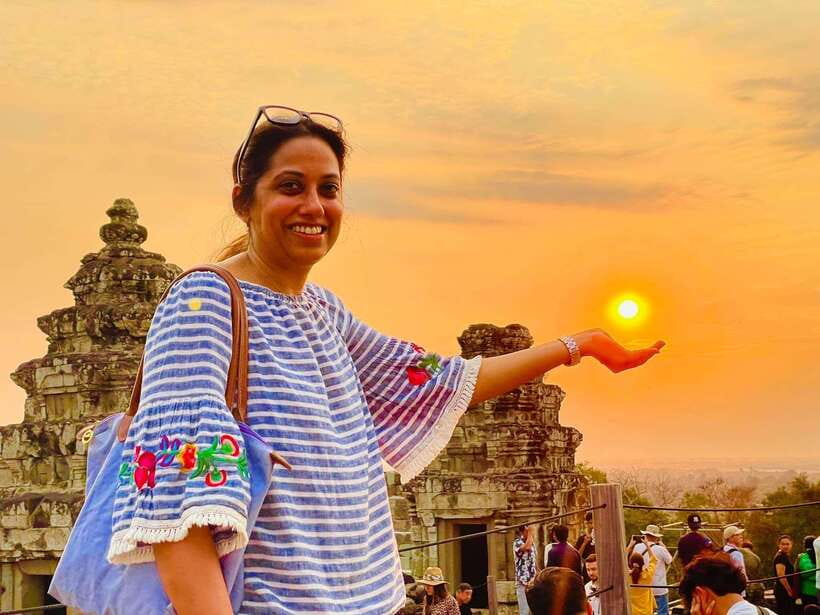
The hill climb is another reason to wear sturdy shoes and expect some effort. The tour includes a sunset viewing, but you should be ready for other people seeking the same broad view. The exact conditions depend on the day, weather, and access arrangements.
Even so, the stop gives day one a clear finish. You begin with royal temples and water systems, then end above the complex with a temple built around a vision of the heavens.
Day two: sunrise at Angkor Wat
Day two begins early. The point is to reach Angkor Wat for sunrise, so you should be ready for a pre-dawn pickup and a morning on your feet.
Angkor Wat is Cambodia’s most visited attraction and a UNESCO-listed archaeological site. Its first appearance in the morning light is the emotional center of the tour. The rising sun behind the towers is a familiar image, but seeing the temple change from silhouette to carved stone gives the scene more force than a photograph suggests.
Crowds are still possible. Sunrise is popular, so do not book this expecting solitude. The benefit is the cooler temperature and softer light, not a guarantee of an empty view.
After sunrise, you explore the temple and surrounding areas while the day remains relatively cool. Bring a camera, but do not use flash photography. A hat, sunscreen, and water are just as important as your camera equipment.
The complex is large, and walking takes time. You may find the early hours tiring, especially if you also had a long first day. That is why the included breaks, water, and wipe towel are practical rather than decorative extras.
Ta Prohm, where trees meet stone
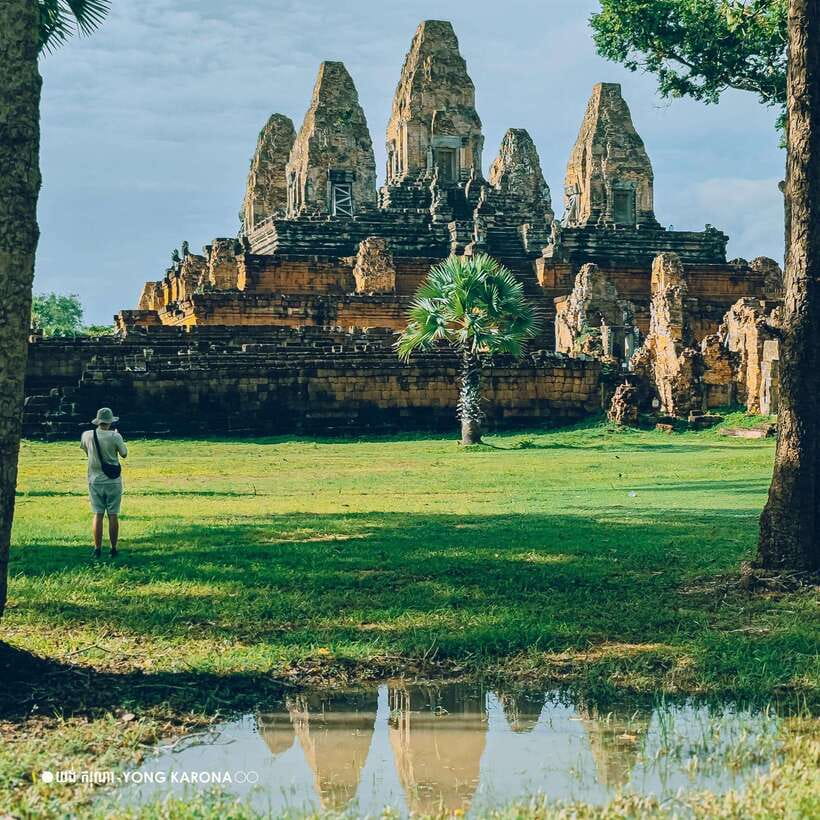
Ta Prohm is one of the easiest Angkor temples to recognize. It is famous for its jungle growth and for appearing in the Tomb Raider movie.
The film connection may draw you in, but the temple has more to offer than a movie location. Tree roots press against walls and doorways, giving you a clear view of the long struggle between the built site and the surrounding forest. The result is dramatic, though some sections can be crowded.
Your guide can also help you separate movie image from Khmer history. The temple was not built as a film set. Its carved surfaces, damaged walls, and religious purpose existed long before the camera crews arrived.
Wear shoes with a firm sole. The ground can be uneven, and you will be walking through a large ruin rather than staying on a smooth paved route.
Angkor Thom and Bayon’s smiling faces
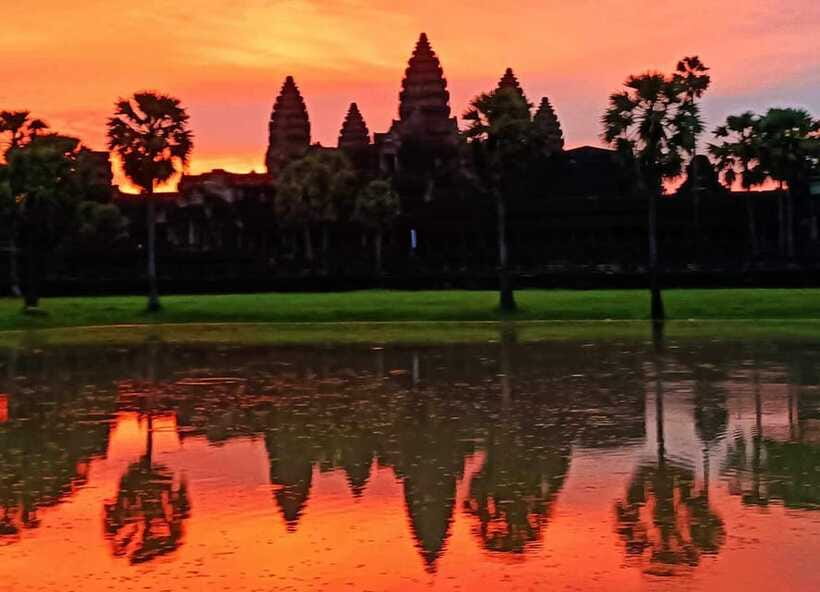
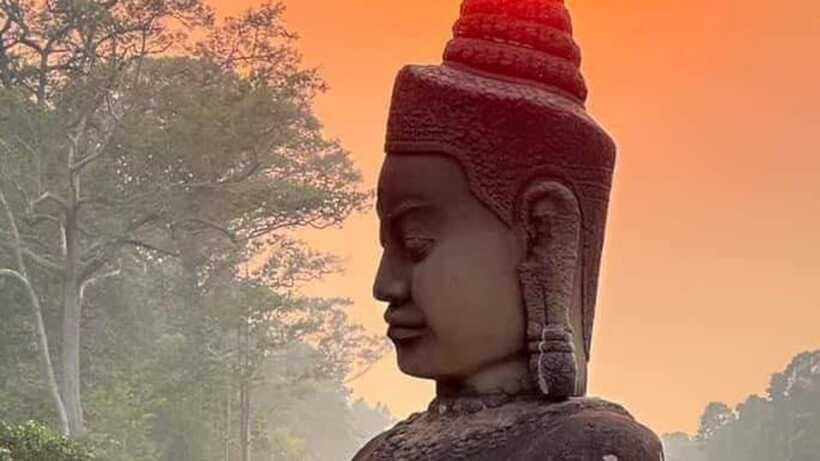
The South Gate of Angkor Thom is one of the striking entrances on the route. A bridge lined with statues of gods leads toward the walled city, giving you a powerful approach before you reach Bayon.
This is a stop where the journey toward the temple matters as much as the temple itself. The statues create a sense of movement and ceremony, while the gate shows how Angkor Thom controlled and framed entry into the royal city.
Inside, Bayon is known for its large smiling faces. The repeated faces create a different mood from the long galleries of Angkor Wat. You may find them serene, mysterious, or slightly unsettling, especially when several appear through a narrow passage at once.
It is easy to take photographs here and move on. I would listen closely to the guide instead. The faces are one of the defining images of Angkor, and context helps you see them as part of Khmer religious and royal ideas rather than simple decoration.
Banteay Kdei and Ta Keo
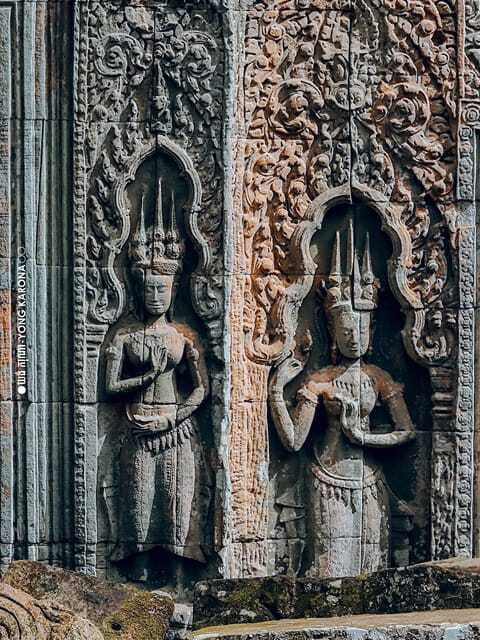
Banteay Kdei is a Buddhist temple that remains largely unrestored and is still used by monks. That combination gives it a more direct connection to living religious practice than a fully cleared monument.
The unrestored quality can make the site feel less polished. That is a benefit if you want to see a temple with more of its age and damage visible, but it can also make the layout harder to read. Stay near the guide when the route becomes confusing.
Ta Keo is a mountain temple built in the 10th century. You walk up between ancient stone and the modern world around it. The climb gives the monument its name and character, but it also makes the tour less suitable for anyone with mobility limits.
These smaller or less photographed stops are important because they prevent the day from becoming only Angkor Wat, Ta Prohm, and Bayon. You get a broader picture of the Angkor complex, including Buddhist worship, royal ambition, water engineering, ancestor devotion, and temple design.
What the $39 price really includes
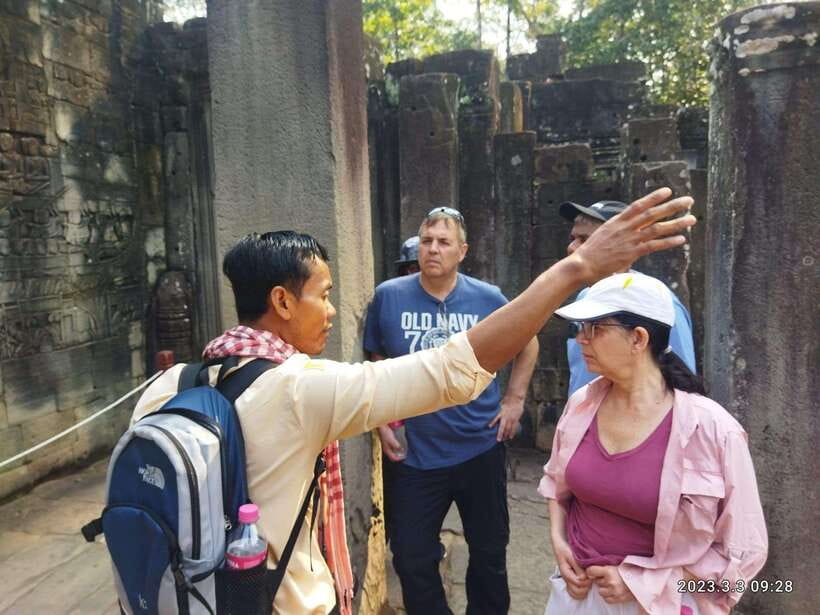
At $39 per person, the tour offers good value if you want transport and guiding arranged for two days. The cost includes the English-guided tour, air-conditioned van, hotel pickup and drop-off, sunset and sunrise viewings, rest breaks, cool water, wipe towels, and local tax.
The major extra is the temple entrance pass. You must buy it separately online or at the ticket office through the Angkor Enterprise website. Food is also not included, so budget for meals during the two days.
That pricing structure is worth understanding before you book. The advertised rate is not your complete trip cost. Still, once you add the entrance fee and meals, the transport and guide service can remain a practical choice, especially if you would otherwise need to arrange a driver and temple explanations on your own.
The flexible booking terms also help. You can cancel up to 24 hours in advance for a full refund, and you can reserve now and pay later. Pickup time is the same time selected for the tour, so check your booking details rather than assuming the guide will arrive at a standard hour.
Guides Sayon and Sam add value
The strongest praise centers on the guides. Sayon has been described as bringing strong knowledge of the temples, Siem Reap, Cambodia, and the country’s past, with a positive spirit and clear passion for the area.
Sam has also been praised for explaining the history and setting of the temples in detail. Those comments point to the most important reason to choose a guided tour: the stones are impressive, but the meaning behind them is what turns a sequence of ruins into a connected story.
Guide quality can vary in any group experience, but these names are useful to note if your booking confirms the guide in advance. Either way, ask questions as you go. The route includes enough varied sites that you can learn about architecture, religion, kingship, water, and living Buddhism in one trip.
Who should book this temple tour?
I would choose this experience if you want the main Angkor sights without organizing transport, route planning, and guiding yourself. It suits first-time visitors who want Angkor Wat, Bayon, Ta Prohm, and a useful selection of additional temples.
It also works well if you value historical explanation. The itinerary is not just a photo checklist. Preah Khan, Neak Pean, East Mebon, Pre-Rup, Banteay Kdei, and Ta Keo each add a different piece to the story.
You should think twice if you dislike early mornings, long walking days, climbing, heat, or shared transport. Children under 12 are not accepted, and the tour is not suitable for wheelchair users or people with mobility impairments.
Pack comfortable shoes, a hat, sunscreen, water, a camera, and a passport or ID card. A copy of the passport or ID is accepted. Dress comfortably but respectfully, and treat the temples as important cultural and religious places. Do not litter or use flash photography.
Should you book it?
Book this tour if you want a strong first look at Angkor with sunrise, sunset, major temples, and smaller sites covered over two days. The $39 base price is appealing, provided you remember to add the temple pass and meals.
I would especially recommend it to couples, friends, and active adults who want history explained as they walk. The early start and physical demands are real, but the route gives you more than the standard Angkor Wat photograph. If you prefer a slow pace, need accessible routes, or want complete freedom over timing, arrange a private alternative or a shorter visit instead.
FAQ
How long does the tour last?
The experience lasts two days, with sunset viewing on the first day and sunrise viewing on the second day.
Is sunrise at Angkor Wat included?
Yes. The tour includes a sunrise viewing at Angkor Wat, along with exploration of nearby temples afterward.
Is sunset included?
Yes. Sunset viewing is included as part of the first day.
Is the Angkor temple pass included?
No. You must purchase the temple entrance pass separately, either online or at the ticket office.
Are meals included?
No. Food is not included in the tour price.
What transport is provided?
Transportation is provided by an air-conditioned van, with hotel pickup and drop-off included.
What language does the guide speak?
The live tour guide speaks English.
Can I join a private group?
Yes. Private or small-group options are available.
Can I cancel for a refund?
You can cancel up to 24 hours in advance for a full refund. The tour also allows you to reserve now and pay later.
Is the tour suitable for children or wheelchair users?
The tour is not suitable for children under 12, wheelchair users, or people with mobility impairments.
Just added around Siem Reap
- Private Battambang Full-Day Guided Tour★ 4.5 · 3 reviews
- Kulen Mountain, Beng Mealea and Banteay Srei Full Day Tour★ 5.0 · 3 reviews
- Kompong Pluk Tour★ 5.0 · 3 reviews
- Private 3 Day Tour to Discover the ancient temples★ 5.0 · 3 reviews
- Kulen National Park Ticket -Waterfall & 1000 Lingas★ 5.0 · 3 reviews
- Cambodia: Absolute Traditional Dance Show with Buffet Dinner★ 5.0 · 3 reviews
- Border Transfer (Siem Reap to Laos/Laos to Siem Reap)★ 3.5 · 3 reviews
- Best Taxi Siem Reap to Battambang – English Speaking Driver★ 4.5 · 3 reviews
Angkor Wat Tours, compared.

Angkor Wat Sunrise or Sunset Tour with Guide from Siem Reap
Read our review →
Angkor Wat: Small-Group Sunrise or Sunset Tour
Read our review →
Angkor Wat 2-Day Tour with Sunrise and Sunset
Read our review →

Angkor Wat Sunrise tour with Small – Group and Guide tours
Read our review →
Angkor Wat Highlights and Sunrise Guided Tour from Siem Reap
Read our review →
Angkor Wat Sunset Small Group Tour with Lunch Included
Read our review →
Full-Day Angkor Wat Sunrise Private Tour with Guide from Siem Reap
Read our review →Browse the lists this tour appears in